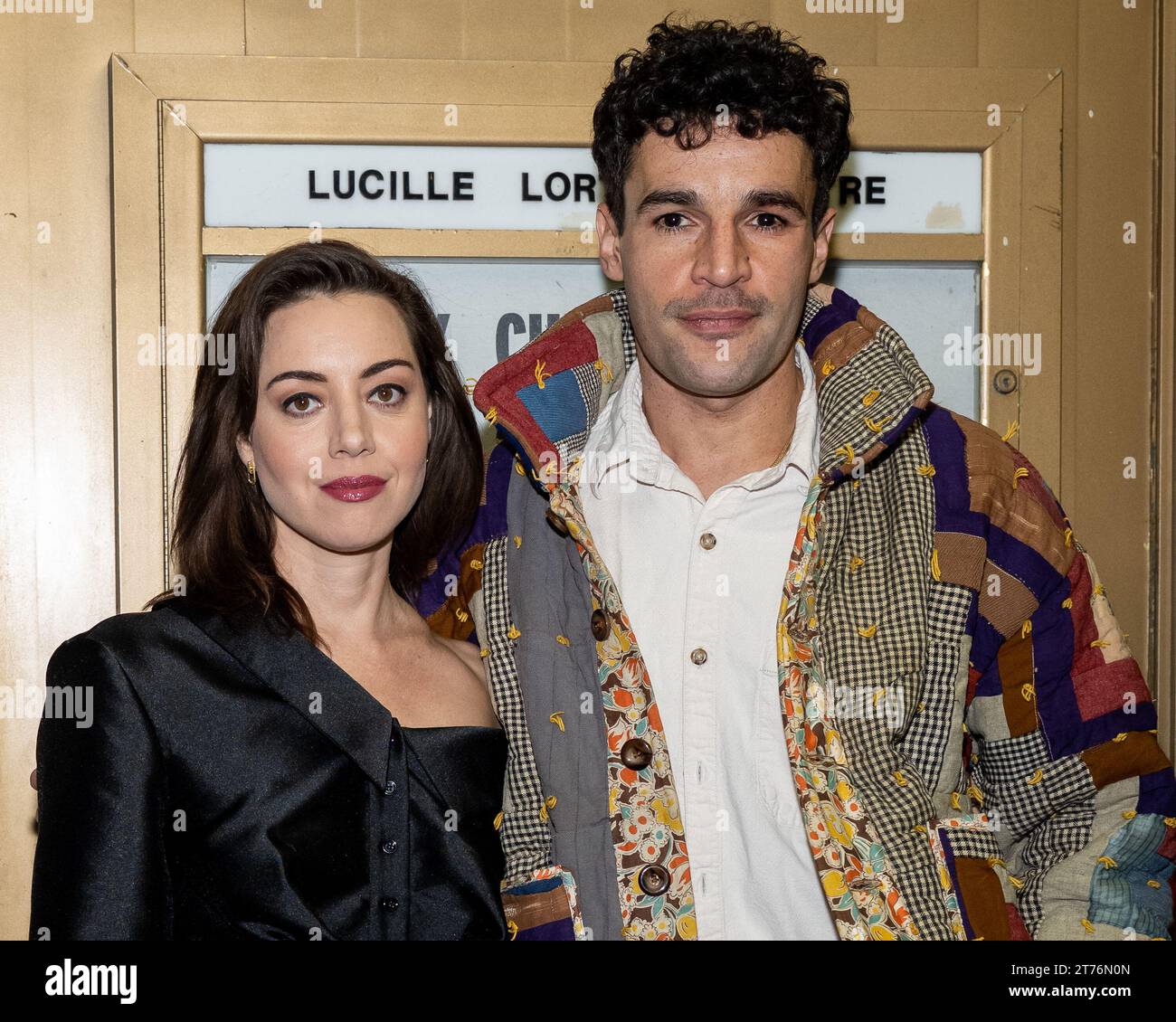
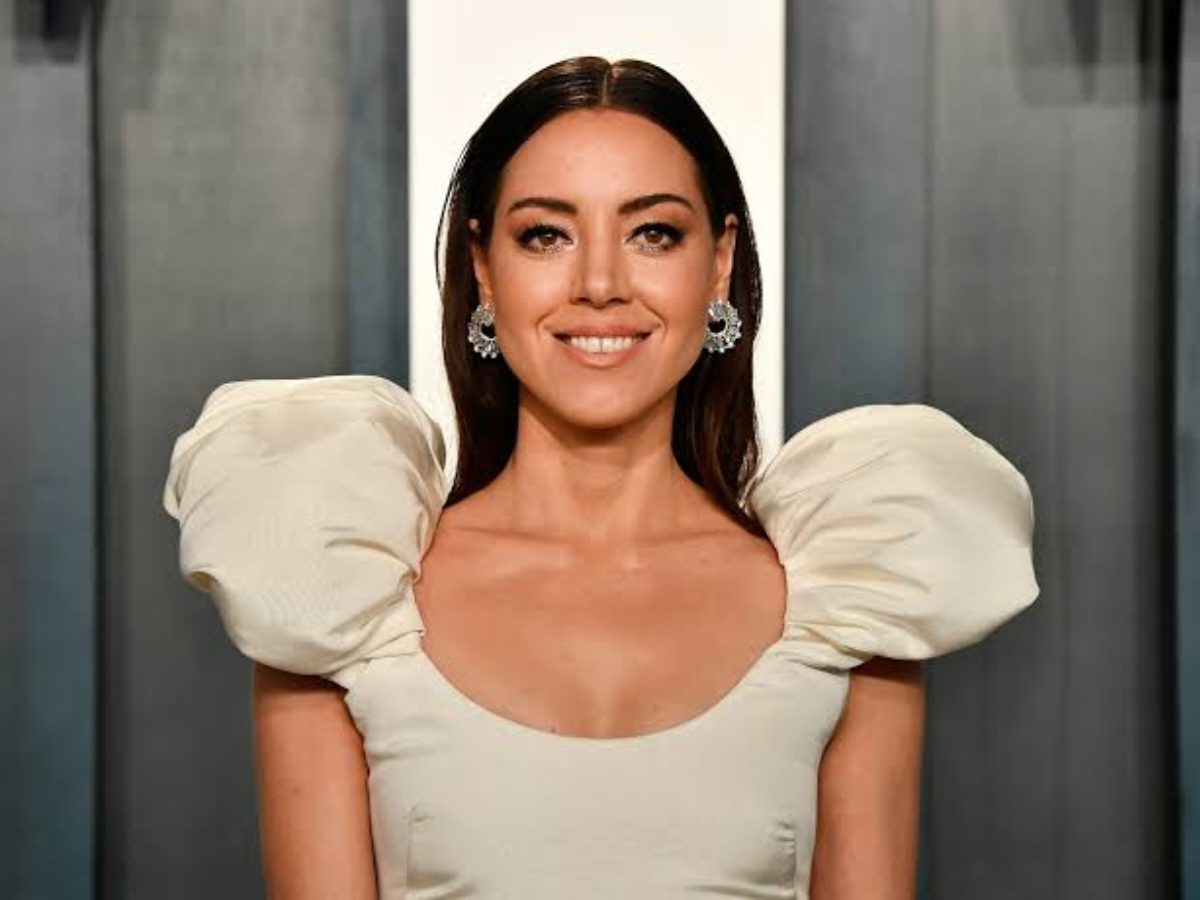
Aubrey Plaza possesses intermediate, conversational Spanish skills rather than native fluency. Born to a father of Puerto Rican descent, Plaza grew up with strong cultural ties to her extended family, though English was the primary language spoken in her Delaware household. She frequently demonstrates functional comprehension and basic conversational ability in interviews and media appearances.
Background and Heritage: The Puerto Rican Roots of Aubrey Plaza
Aubrey Plaza was born and raised in Wilmington, Delaware. Her father, David Plaza, a financial advisor, is of Puerto Rican heritage, while her mother, Bernadette, is of English and Irish descent. Plaza has often spoken proudly of her paternal extended family, describing a vibrant household dynamic influenced by her Puerto Rican relatives who regularly visited or lived nearby.
Although her father's side of the family spoke Spanish, English was the dominant language in her immediate upbringing. This reflects a common linguistic pattern among second- and third-generation Latinos in the United States, where heritage exposure creates high cultural awareness and varying levels of language comprehension without necessarily producing native-level speaking proficiency.
Plaza’s connection to her Puerto Rican roots has remained a consistent element of her public persona. Throughout her career, she has routinely referenced her extended family during media appearances, highlighting how her heritage informed her identity despite growing up in a predominantly English-speaking environment in the Mid-Atlantic region.
Evaluating Aubrey Plaza's Spanish Fluency Level
Public curiosity regarding Aubrey Plaza’s Spanish proficiency often stems from her surname and her identification as a Latina actor. However, evaluating her actual linguistic capability requires distinguishing between receptive bilingualism—understanding spoken language—and active conversational fluency.
Linguistic Profile Breakdown:
- Heritage: Puerto Rican (Paternal side)
- Primary Language: English (Native)
- Spanish Fluency: Conversational / Intermediate
- Listening Comprehension: Moderate to High
- Speaking Ability: Intermediate (Accented, basic to mid-level grammar)
- Literacy/Reading: Basic functional understanding
- Language Acquisition: Family exposure & formal coursework
Receptive Comprehension vs. Active Production
Plaza has demonstrated in various junkets and press events that her listening comprehension in Spanish is notably higher than her comfortable speaking output. She can follow conversational prompts, grasp the context of complex questions asked by Spanish-speaking journalists, and formulate immediate, albeit simplified, responses.
When speaking Spanish spontaneously, Plaza typically exhibits:
- Accented Pronunciation: Clear influence of standard American English phonetics, though with accurate stress placement on common words.
- Simplified Sentence Structures: A tendency to rely on present-tense conjugations and short phrases rather than complex subjunctive or compound grammatical forms.
- Self-Deprecating Humor: Using comedic timing to bridge gaps when reaching for specific vocabulary words.
Self-Assessment and Public Statements
Plaza has consistently maintained a realistic and candid perspective regarding her language capabilities. In multiple talk show appearances and red-carpet interviews, she has clarified that while she understands a substantial amount of Spanish, she does not consider herself fully fluent.
Rather than exaggerating her skills, Plaza frequently uses humor to address her linguistic limitations, acknowledging that while she can converse on a basic level, she is not equipped to deliver complex dramatic monologues or conduct extended, unscripted interviews entirely in Spanish without reverting to English.
Key Public Moments and Spanish-Language Interviews
Over the course of her promotional tours for film and television projects, Plaza has engaged in several notable moments that illustrate her practical Spanish skills.
International Press Junkets
During junkets for films such as Child's Play (2019), Emily the Criminal (2022), and Operation Fortune: Ruse de Guerre (2023), Plaza frequently sat for interviews with Latin American and Spanish media outlets. In these settings, junket interviewers often open with questions in Spanish.
Plaza routinely responds in conversational Spanish, answering basic questions about her characters, filming locations, and opinions on the projects before lightheartedly switching back to English for more detailed technical explanations. These exchanges demonstrate a practical ability to manage real-time translation and participate in bilingual media environments.
Saturday Night Live Monologue (2023)
When Aubrey Plaza hosted Saturday Night Live in January 2023, her heritage took center stage during her opening monologue. Plaza dedicated a portion of her routine to her large Puerto Rican family, pointing out her relatives in the audience and highlighting her proud connection to the island.
The appearance sparked renewed discussion across media platforms regarding Latina representation in late-night television, as detailed in coverage by NBC News, which highlighted how Plaza brought her family’s heritage into mainstream late-night television.
Late-Night Talk Show Discussions
On talk shows such as Late Night with Seth Meyers and Conan, Plaza has periodically shared anecdotes about visiting her family in Puerto Rico and attempting to communicate with relatives who speak minimal English. These anecdotes illustrate the classic dynamic of heritage language learning, where non-fluent family members use a combination of gestural communication, limited vocabulary, and shared humor to maintain family bonds across language barriers.
On-Screen Representation and Latina Roles
Plaza's career trajectory is notable for how her Latina background has interacted with Hollywood casting norms. Unlike many actors who are strictly pigeonholed into specific cultural archetypes, Plaza has navigated both general-audience roles and characters specifically tailored to reflect her heritage.
Career Trajectory & Cultural Representation:
- Parks and Recreation (2009–2015)
- Role: April Ludgate
- Heritage: Written as half-Puerto Rican for Plaza
- Role: April Ludgate
- Indie & Feature Films (2017–2022)
- Roles: Ingrid Goes West, Emily the Criminal
- Heritage: Ethically open / non-stereotypical
- Roles: Ingrid Goes West, Emily the Criminal
- Major Television & Film (2022–2024)
- Roles: The White Lotus, Agatha All Along
- Heritage: Mainstream lead casting
- Roles: The White Lotus, Agatha All Along
April Ludgate in Parks and Recreation
In the hit NBC comedy Parks and Recreation (2009–2015), Plaza played April Ludgate, a deadpan intern turned government employee. The show's creators initially wrote the character around Plaza’s real-life deadpan persona. Upon learning of her paternal Puerto Rican lineage, the writers incorporated that detail into the show, establishing that April’s mother was of Puerto Rican descent.
Throughout the series, April’s heritage is brought up in subtle comedic moments, including scenes where she occasionally uses Spanish phrases or interacts with her onscreen family. While language was not a primary focus of the character, incorporating her actual background provided visible, non-stereotypical Latina representation on network television.
Modern Roles and Avoidance of Typecasting
Throughout the late 2010s and into the 2020s, Plaza selected roles in projects like The White Lotus (Season 2) and Megalopolis that did not hinge entirely on ethnic stereotypes. Her performance in Emily the Criminal earned critical praise for depicting a working-class struggle without relying on conventional Hollywood tropes about Hispanic backgrounds.
Plaza’s approach has contributed to a broader shift in the entertainment industry, where actors of Hispanic and Latino heritage are increasingly cast in complex, lead roles defined by character motivation rather than cultural shorthand alone.
Language Proficiency across Media and Projects
The table below outlines key media appearances and projects where Aubrey Plaza's Spanish language capability or heritage was directly highlighted, evaluated, or demonstrated.
| Context / Media Event | Year | Language Application | Observed / Stated Proficiency Level |
|---|---|---|---|
| Parks and Recreation (NBC) | 2009–2015 | Minor scripted dialogue; character background | Basic / Scripted phrases |
| Press Tours for Film Releases (Child's Play, Emily the Criminal) | 2019–2022 | Short press junket Q&As with international journalists | Conversational / Intermediate listening and basic speaking |
| Saturday Night Live Monologue | 2023 | Mentioned heritage; brief comedic Spanish phrases | Public identification with heritage; basic spoken phrases |
| International Film Festivals | Various | Greeting international press and fans | Introductory conversational phrases |
| Talk Show Interviews (Seth Meyers, Conan) | Various | Unscripted discussions about her Puerto Rican extended family | Native English speaker describing heritage language experiences |
The Heritage Speaker Dynamic in Mainstream Media
Understanding Aubrey Plaza's Spanish abilities requires an examination of the "heritage speaker" dynamic prevalent in the United States. A heritage speaker is an individual who was raised in a home where a non-English language was spoken or culturally present, but who was educated primarily in English.
Language Continuum in Heritage Speakers:
| Receptive Language (Understands only) | Intermediate Speaker (Aubrey Plaza) | Fully Bilingual (Equal Fluency) |
|---|
Receptive Bilingualism and Identity
In the United States, millions of second- and third-generation Latinos experience varying degrees of language loss due to societal pressures toward English assimilation. This often results in receptive bilingualism, where individuals understand spoken Spanish perfectly when spoken by older relatives but feel hesitant or limited when speaking it themselves.
Plaza represents this widespread demographic reality. Rather than pretending to possess native fluency to satisfy industry expectations, Plaza’s transparent stance reflects the authentic experience of many U.S. Latinos who navigate dual cultural identities without total linguistic fluency.
Shifting Expectations for Latino Talent
Historically, Hollywood casting directors often expected actors with Hispanic surnames to speak fluent, unaccented Spanish or, conversely, to suppress their heritage entirely. Modern media dynamics have shifted toward acknowledging the wide spectrum of Latino experiences in America.
Actors like Plaza, Jenna Ortega, and America Ferrera have navigated public discussions surrounding their language skills, helping to normalize the idea that cultural identity and heritage are valid regardless of absolute linguistic perfection.
Frequently Asked Questions
Is Aubrey Plaza fluent in Spanish?
No, Aubrey Plaza is not fully fluent in Spanish. She possesses an intermediate, conversational level of understanding. She can follow spoken Spanish in interviews and communicate using basic to mid-level phrases, but English is her native and dominant language.
What is Aubrey Plaza's ethnic background?
Aubrey Plaza is of mixed heritage. Her father, David Plaza, is of Puerto Rican descent, and her mother, Bernadette Plaza, is of English and Irish ancestry. Plaza was born and raised in Wilmington, Delaware.
Does Aubrey Plaza speak Spanish in Parks and Recreation?
Yes, in a few episodes of Parks and Recreation, her character April Ludgate speaks brief lines of Spanish. The show’s writers intentionally made the character half-Puerto Rican after learning about Plaza’s real-life paternal heritage.
Has Aubrey Plaza ever performed a full acting role in Spanish?
No, Aubrey Plaza has not taken on a feature film or television role entirely in Spanish. Her acting work has primarily been in English-language productions, though she occasionally delivers short Spanish lines when required by a script.
Why didn't Aubrey Plaza grow up speaking fluent Spanish?
Although Plaza’s father is of Puerto Rican descent and her extended family spoke Spanish, English was the primary language spoken in her household in Delaware. This is a standard pattern among second- and third-generation immigrant families in the United States.
Summary and Key Takeaways
Aubrey Plaza's relationship with the Spanish language offers a clear window into the experiences of modern heritage speakers in the entertainment industry. While she is not natively fluent, her functional conversational skills, combined with her pride in her Puerto Rican background, allow her to engage authentically with global audiences.
For viewers and fans seeking to understand her background, Plaza remains an example of how cultural heritage in contemporary Hollywood is defined not by rigid language barriers, but by authentic self-expression, honest representation, and artistic talent.