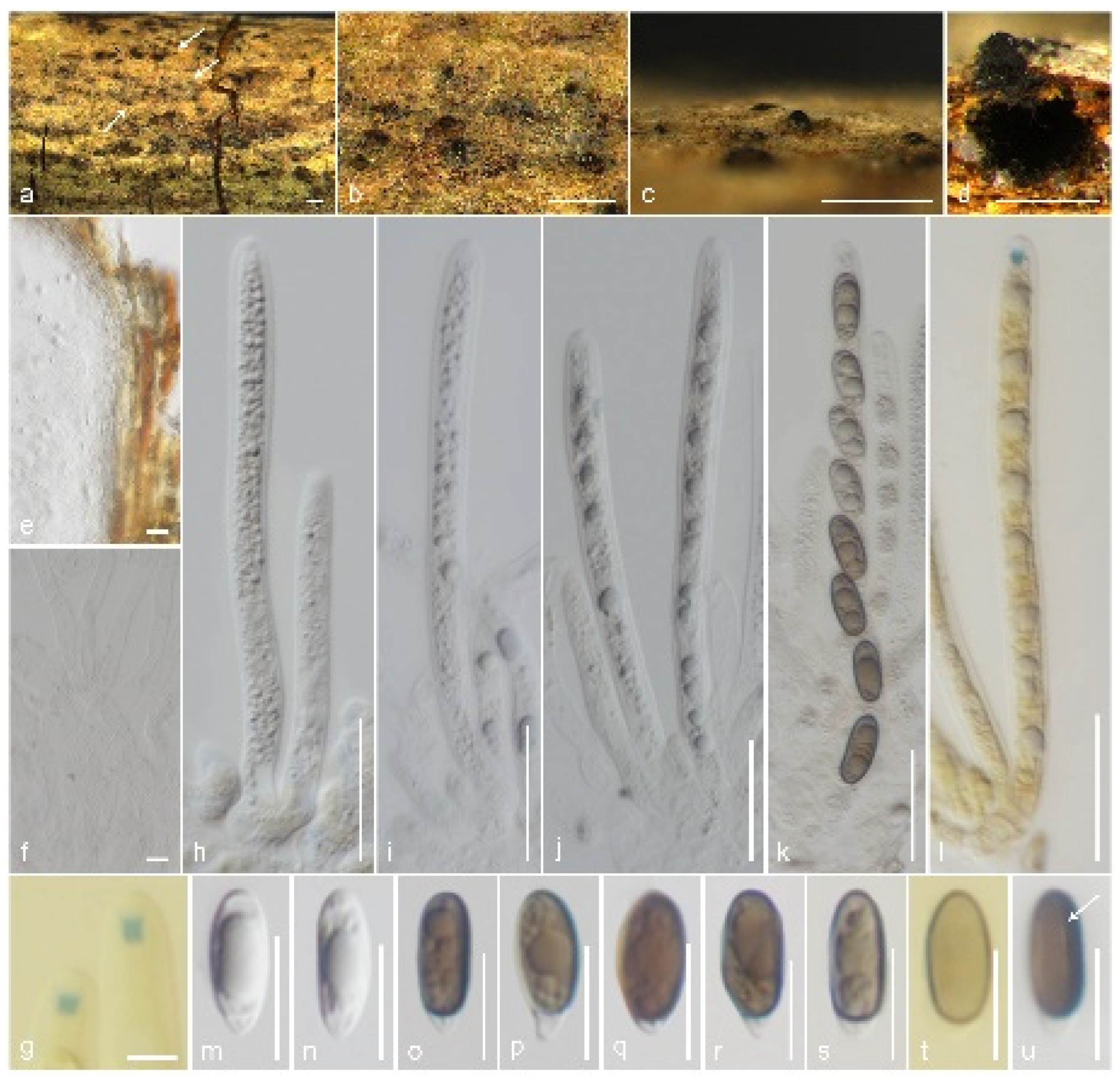
Ascomycota is a phylum of the kingdom Fungi characterized by the production of sexual spores within microscopic, sac-like structures called asci. Often referred to as "sac fungi," it represents the largest fungal division, containing over 64,000 described species including yeasts, molds, truffles, morels, and many significant plant pathogens.
The Taxonomic Context of Ascomycota
As of 2026, the classification of fungi has become increasingly precise due to advancements in phylogenomics. Ascomycota belongs to the subkingdom Dikarya, which it shares with the phylum Basidiomycota. These two groups are distinguished from other fungi by the presence of a dikaryotic phase in their life cycle—a stage where two genetically distinct nuclei inhabit the same hyphal compartments without immediate fusion.
The sheer scale of Ascomycota is what defines its importance in biological sciences. It accounts for approximately 75% of all described fungal species. This diversity is not merely numerical; it spans an incredible range of morphologies and ecological niches. From the single-celled Saccharomyces cerevisiae (brewer's yeast) to the complex, subterranean fruiting bodies of Tuber melanosporum (black truffle), the phylum demonstrates the evolutionary versatility of the fungal kingdom.
Historically, Ascomycota were classified primarily by the morphology of their fruiting bodies (ascomata). However, modern mycological standards prioritize DNA sequencing. This has revealed that many fungi previously thought to be unrelated—specifically those that were only known to reproduce asexually (formerly "Deuteromycota")—are actually members of Ascomycota.
Defining Morphological Characteristics
To understand why Ascomycota is classified as a distinct division, one must look at the cellular and structural level. While the phylum is diverse, several key morphological traits unify the majority of its members.
Septate Hyphae and Woronin Bodies
Most multicellular ascomycetes possess hyphae (filamentous strands) that are divided by internal cross-walls known as septa. Unlike the nearly solid walls found in some other organisms, these septa have pores that allow cytoplasm, and sometimes even nuclei, to flow between cells.
A defining feature of ascomycete septa is the presence of Woronin bodies. These are specialized, membrane-bound organelles located near the septal pores. Their primary function is to act as emergency plugs. If a hyphal segment is damaged, the Woronin bodies quickly move to block the pore, preventing the loss of cytoplasm from the rest of the mycelium. This physiological adaptation is a significant factor in the resilience and success of the Ascomycota division.
Cell Wall Composition
Like all fungi, ascomycetes have cell walls composed largely of chitin and glucans. Chitin provides structural rigidity, allowing the fungi to penetrate tough substrates like wood, insect cuticles, or plant cell walls. In 2026, research into the specific molecular arrangements of ascomycete glucans continues to inform the development of antifungal medications, as these structures are unique to fungi and absent in human biology.
The Mechanism of the Ascus: The Sac Fungi Identity
The defining feature of this division is the ascus (plural: asci). This is the specialized cell in which meiosis occurs and where sexual spores, known as ascospores, are formed.
The Process of Ascospore Formation
The formation of an ascus begins with the fusion of two nuclei (karyogamy) within a cell. This creates a diploid zygote, which is usually the only diploid stage in the entire ascomycete life cycle. This diploid nucleus then undergoes meiosis, resulting in four haploid nuclei. In most species, these four nuclei then undergo a single round of mitosis, resulting in eight haploid nuclei.
Each of these eight nuclei is then partitioned off into a spore. These spores are contained within the "sac" (the ascus) until they are ready for dispersal. The shape of the ascus can vary—some are cylindrical, others globose—and the method by which they release their spores is equally varied. Some asci have a "lid" called an operculum that pops open, while others burst under hydrostatic pressure, catapulting the spores into the air.
Complex Life Cycles: Sexual and Asexual Reproduction
Ascomycota are masters of reproductive flexibility. They utilize both sexual (teleomorph) and asexual (anamorph) stages, often depending on environmental conditions and nutrient availability.
Asexual Reproduction via Conidia
For many ascomycetes, asexual reproduction is the primary means of rapid expansion. This is achieved through the production of conidia—non-motile spores formed at the tips or sides of specialized hyphae called conidiophores. Unlike ascospores, conidia are produced through mitosis, meaning they are genetically identical to the parent.
This efficiency allows ascomycetes to colonize food sources or host plants with incredible speed. Common household molds, such as Penicillium and Aspergillus, are most frequently encountered in their asexual, conidia-producing states.
Sexual Reproduction and Plasmogamy
The sexual cycle is more energetically expensive but provides the genetic diversity necessary for long-term survival. It typically involves the fusion of specialized reproductive structures: the male antheridium and the female ascogonium.
When these structures meet, a process called plasmogamy occurs, where the cytoplasm fuses but the nuclei remain separate. This creates dikaryotic hyphae, which eventually grow into the fruiting body (ascoma). It is only within the developing asci at the tips of these hyphae that the nuclei finally fuse, completing the sexual cycle.
Ecological Diversity: From Decomposers to Symbionts
The ecological impact of Ascomycota is profound. Without this division, global nutrient cycling would likely collapse, and many plants would fail to thrive.
Decomposers and Nutrient Cycling
Ascomycetes are among the most effective decomposers on Earth. They produce a suite of extracellular enzymes—such as cellulases and proteases—that break down complex organic polymers. They are particularly adept at breaking down plant cellulose and lignin, returning carbon and nitrogen to the soil. This role is vital in forest ecosystems, where they process leaf litter and fallen timber.
Symbiotic Relationships: Lichens and Mycorrhizae
Ascomycota are the dominant fungal partners in lichens. In fact, approximately 98% of all lichenized fungi belong to this phylum. In this mutualistic relationship, the ascomycete provides a protective structure and absorbs minerals, while a photosynthetic partner (algae or cyanobacteria) provides carbohydrates.
Furthermore, many ascomycetes form ectomycorrhizal associations with tree roots. While Basidiomycota are more famously known for this, ascomycetes like truffles (Tuber spp.) are essential mycorrhizal partners for oaks and hazels. They assist the tree in water and phosphorus uptake in exchange for sugars produced via photosynthesis.
Entomopathogenic and Parasitic Roles
Not all interactions are benign. Ascomycota include notorious pathogens. Ophiocordyceps unilateralis, the "zombie ant fungus," is a well-known member that infects insects, manipulates their behavior, and eventually grows a fruiting body out of the host's head. On the botanical side, Claviceps purpurea (ergot) infects rye and other cereals, producing alkaloids that can cause severe illness in humans but also served as the historical precursor for several modern pharmaceuticals.
Economic and Industrial Significance
The human economy is deeply intertwined with the Ascomycota division. From the food we eat to the medicines that save lives, these fungi are indispensable.
The Fermentation Industry
Saccharomyces cerevisiae, a single-celled ascomycete, is perhaps the most economically important fungus in history. Through fermentation, it converts sugars into ethanol and carbon dioxide. This process is the foundation of the baking industry (causing bread to rise) and the brewing and winemaking industries. In 2026, bio-ethanol production using engineered strains of S. cerevisiae remains a cornerstone of renewable energy research.
Medicine and Antibiotics
The discovery of penicillin from the ascomycete Penicillium rubens (formerly P. notatum) revolutionized 20th-century medicine. Beyond penicillin, ascomycetes produce a vast array of secondary metabolites used as:
- Statins: Lovastatin, used to lower cholesterol, is derived from Aspergillus terreus.
- Cyclosporine: An immunosuppressant vital for organ transplants, derived from Tolypocladium inflatum.
- Antifungals: Many treatments for other fungal infections are synthesized from ascomycete compounds.
Culinary Value
While many ascomycetes are microscopic, some produce large, highly prized fruiting bodies. Morels (Morchella spp.) and Truffles (Tuber spp.) are gourmet delicacies. Due to the difficulty of cultivating these fungi (as many are mycorrhizal and require specific tree hosts), they remain some of the most expensive food items in the world.
Classification of Major Subphyla
To manage the diversity of Ascomycota, mycologists divide the phylum into three major subphyla, each representing a distinct evolutionary lineage.
| Subphylum | Characteristics | Key Examples |
|---|---|---|
| Pezizomycotina | The largest subphylum; includes most filamentous, fruit-body-producing ascomycetes. | Morels, Truffles, Aspergillus, Penicillium, Lichens. |
| Saccharomycotina | Includes the "true yeasts." They lack ascomata and generally reproduce by budding. | Saccharomyces cerevisiae, Candida albicans. |
| Taphrinomycotina | A basal, diverse group that includes both yeasts and filamentous forms. | Schizosaccharomyces (fission yeast), Pneumocystis, Taphrina (leaf curl). |
Comparison: Ascomycota vs. Basidiomycota
While both are "higher fungi," they differ in several fundamental ways:
| Feature | Ascomycota (Sac Fungi) | Basidiomycota (Club Fungi) |
|---|---|---|
| Sexual Spore Site | Inside an Ascus (sac) | Outside a Basidium (club) |
| Number of Spores | Typically 8 per ascus | Typically 4 per basidium |
| Hyphal Septa | Simple pores with Woronin bodies | Complex "dolipore" septa (usually) |
| Asexual Reproduction | Very common (Conidia) | Less common/frequent |
| Dikaryotic Phase | Short-lived (limited to ascoma) | Long-lived (primary mycelium) |
Frequently Asked Questions
What is the primary difference between Ascomycota and other fungi?
The primary difference lies in their sexual reproduction. Ascomycota produce spores internally within a sac-like cell called an ascus. Other groups, like Basidiomycota, produce spores externally on a club-shaped structure (basidium), while Zygomycota produce thick-walled zygospores through the fusion of specialized hyphae.
Are all ascomycetes multicellular?
No. While many ascomycetes form complex multicellular structures like mushrooms or molds, the division also includes single-celled organisms known as yeasts. Saccharomyces cerevisiae is the most famous single-celled ascomycete. Some species can even transition between single-celled and multicellular (filamentous) forms depending on environmental triggers.
Why are they called "Sac Fungi"?
The name "Sac Fungi" is the common English translation of the Greek-derived "Ascomycota." Askos means "sac" or "wineskin," referring to the microscopic sac that holds the sexual spores (ascospores).
How do Ascomycota impact human health?
Ascomycota have a dual impact. They are responsible for producing life-saving antibiotics (like penicillin) and are used in producing vitamins and organic acids. However, they also cause many human ailments, including skin infections (athlete's foot), respiratory issues (Aspergillosis), and yeast infections (Candida). Furthermore, some species produce mycotoxins, like aflatoxins in contaminated grain, which are potent carcinogens.
Can Ascomycota grow in extreme environments?
Yes, ascomycetes are highly adaptable. Many species are xerophilic (can grow in low-moisture environments) or halophilic (salt-tolerant). Some ascomycetes are found in Antarctica, while others thrive in the extreme heat of compost piles. Their ability to form symbiotic relationships, such as those in lichens, allows them to colonize bare rock and tundra where few other organisms can survive.
Advancing Your Knowledge of Mycology
Understanding Ascomycota is essential for anyone interested in biology, agriculture, or medicine. Because this division is so vast, specialized study often focuses on one of its many facets—such as plant pathology, industrial fermentation, or lichenology.
If you are a student or researcher, your next action should be to explore the genomic databases such as the NCBI Taxonomy Browser or MycoBank to see the current state of phylogenetic reclassification. For hobbyists, learning to identify common ascomycetes like cup fungi or morels in the wild provides a practical window into the ecological diversity of this fascinating fungal division.