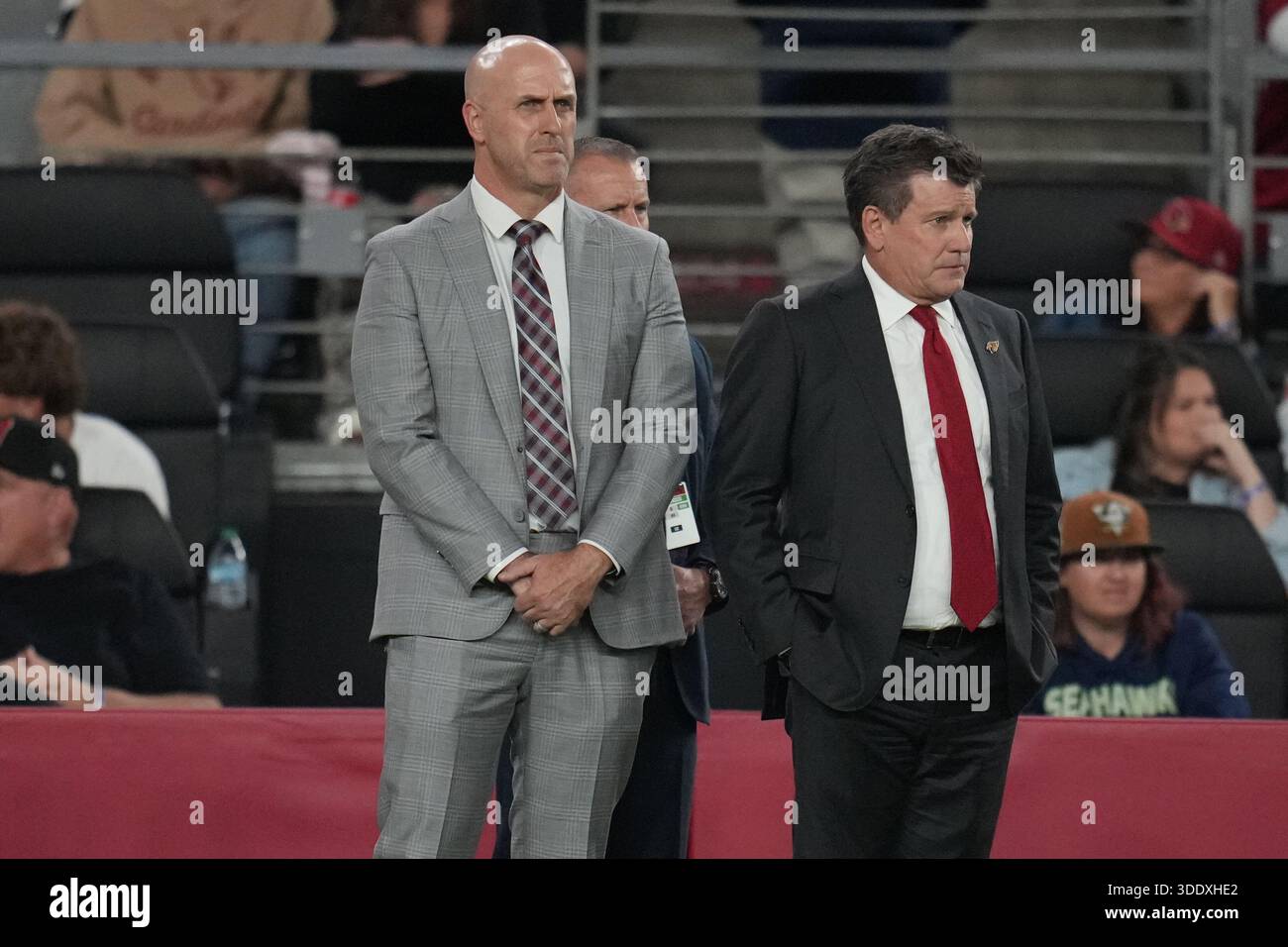
The Arizona Cardinals are owned by the Bidwill family, with Michael Bidwill serving as the principal owner and chairman. While exact net worth figures for private individuals are estimates, the franchise itself is valued at approximately $4.3 billion as of 2026. This valuation, anchored by the NFL’s media rights and team assets, represents the primary driver of the family’s total wealth.
The financial standing of the Arizona Cardinals’ ownership is a topic of significant interest to NFL fans, investors, and analysts. Understanding the value behind the organization requires looking beyond mere salary caps or player contracts. It involves evaluating the broader landscape of professional sports valuation, the history of the Bidwill family’s stewardship, and the mechanics of how NFL franchise ownership translates into personal net worth.
The History of the Bidwill Family Ownership
The Bidwill family’s involvement with the Cardinals is one of the longest-standing ownership tenures in American professional sports. Charles Bidwill purchased the Chicago Cardinals in 1933. After his passing in 1947, his wife, Violet Bidwill, took control of the team, eventually moving the franchise to St. Louis in 1960. Later, in 1988, Bill Bidwill moved the team to Arizona.
This transition from a family-run business in the mid-20th century to a modern, multi-billion-dollar sports enterprise reflects the broader evolution of the NFL. During Bill Bidwill’s tenure, the team transitioned from a small-market operation to a stable franchise in the Phoenix metropolitan area. Upon his passing in 2019, his son, Michael Bidwill, assumed full control. Understanding this lineage is essential to grasping the wealth of the ownership group, as it is not the result of a single venture, but the accumulation of decades of appreciation in professional sports assets.
How NFL Franchise Valuation Impacts Ownership Net Worth
When analysts discuss the "net worth" of an NFL owner, they are primarily discussing the valuation of the team they hold as an asset. Because NFL teams are private entities, they do not publish financial statements in the same way public corporations like Apple or Amazon do. Therefore, net worth figures provided by financial publications are estimates based on revenue, debt, market size, and stadium infrastructure.
The Arizona Cardinals’ valuation has surged alongside the rest of the NFL. Factors contributing to this valuation include:
- National Media Rights: The NFL’s collective media deals—broadcast across networks and streaming platforms—guarantee a massive, shared revenue stream for every team.
- State Farm Stadium: Owning or having a favorable long-term lease arrangement at a modern stadium is a massive wealth driver. State Farm Stadium, which opened in 2006, hosts major events like the Super Bowl and large-scale concerts, generating non-football revenue for the ownership.
- Local Revenue: The Phoenix market is one of the largest in the United States, providing a substantial base for corporate sponsorships, luxury suite sales, and local media partnerships.
The Role of Michael Bidwill as Principal Owner
Since taking over as principal owner, Michael Bidwill has focused on modernizing the organization. A former federal prosecutor, Bidwill has applied a corporate, legalistic approach to the team’s operations. His leadership is not merely about ownership; it is about maximizing the asset's performance.
Under his guidance, the team has emphasized the "Cardinals brand," investing in state-of-the-art training facilities and prioritizing customer experience within the stadium. This operational efficiency contributes to the franchise’s bottom line, which in turn influences the total valuation of the family's assets. When evaluating the "net worth" of an NFL owner, it is critical to recognize that while the owner might have hundreds of millions in liquid assets, the bulk of their wealth is tied to the enterprise value of the franchise itself.
Comparison of NFL Franchise Asset Values
To understand where the Cardinals sit in the financial hierarchy of the NFL, it is helpful to compare them to other clubs. While the Dallas Cowboys remain the most valuable franchise in the league, the Cardinals occupy a mid-tier position in terms of overall market valuation.
| Franchise | Approximate Valuation (2026 Estimate) | Market Context |
|---|---|---|
| Dallas Cowboys | $9.5B+ | Global Brand/High Revenue |
| New England Patriots | $7.5B+ | Sustained Performance |
| Arizona Cardinals | $4.3B | Large Metro Market/Stadium Asset |
| Cincinnati Bengals | $3.8B | Small Market |
Note: Valuations fluctuate based on league-wide economic shifts, new stadium construction, and media contract renewals.
Distinguishing Between Team Value and Personal Wealth
A common misconception is that an owner’s personal net worth is identical to the value of their team. In reality, the Bidwill family's total net worth includes the team, but also considers their other personal investments, real estate holdings, and private capital. However, because the family has kept the Cardinals as a private business, the exact breakdown of their personal portfolio remains undisclosed.
When financial outlets report on the wealth of NFL owners, they are often guessing at the total value of these private assets. Readers should treat "net worth" lists for sports owners with caution. They are estimates that rely heavily on the assumption that the owners could liquidate their teams at current market valuations—a process that is rarely straightforward given the complexities of league transfer rules, capital gains taxes, and the desire to maintain family legacy.
Financial Requirements for NFL Ownership
For those curious about how one becomes an NFL owner, the league has strict financial requirements. The NFL mandates that the principal owner must hold at least a 30% stake in the franchise. Furthermore, there are limits on how much debt an owner can take on to purchase a team. These rules ensure that owners have sufficient liquidity to support the team through losing seasons or periods of economic downturn.
The Bidwill family’s longevity means they are insulated from the massive capital requirements that a new buyer faces today. They have built their wealth through the long-term appreciation of the NFL as a product. The NFL’s "revenue-sharing" model is the primary mechanism that protects this wealth, ensuring that even teams in smaller markets (relative to the league's titans) remain profitable and increase in value.
Frequently Asked Questions
What is the estimated net worth of the Bidwill family? While exact figures are private, the family's primary source of wealth is their ownership of the Arizona Cardinals, a franchise valued at approximately $4.3 billion. Beyond the team, their personal assets are not public record.
Does Michael Bidwill own the Cardinals outright? Michael Bidwill is the principal owner and chairman. The franchise is owned by the Bidwill family. Per NFL rules, the principal owner must maintain a significant equity stake in the organization.
How does the stadium ownership affect the team's value? State Farm Stadium is a significant asset. Because the organization maximizes the use of the venue for events beyond NFL games, the stadium acts as a "cash cow" that boosts the overall valuation of the franchise.
Are there other owners of the Arizona Cardinals? The team is controlled by the Bidwill family. While there may be minority investors or legacy shareholders, control and decision-making power rest with the Bidwill family through their principal ownership structure.
How often does the NFL re-evaluate team values? Financial analysts and sports business publications update their valuations annually. These updates are based on revenue reports, league-wide media deals, and comparable sales of other NFL franchises.
Moving Forward: The Future of the Franchise
For fans and observers, the financial health of the Arizona Cardinals is ultimately a measure of the team's long-term stability. The Bidwill family’s commitment to the Phoenix area, combined with the consistent revenue growth of the NFL, suggests that the organization is well-positioned for the coming years.
When considering the net worth of the owners, it is more practical to focus on the stability of the franchise. The value of the Arizona Cardinals is tied to the team’s performance on the field, the success of the NFL as a broadcasting entity, and the continued utility of their stadium assets. For the average reader, the most important takeaway is that the team is a robust, multi-billion-dollar enterprise that acts as the anchor for the family’s total financial picture.
To stay informed on the financial state of the league, monitor official NFL league meetings and audited reports released periodically regarding league-wide revenue growth, as these are the primary indicators that drive the valuation of every NFL franchise, including the Cardinals.