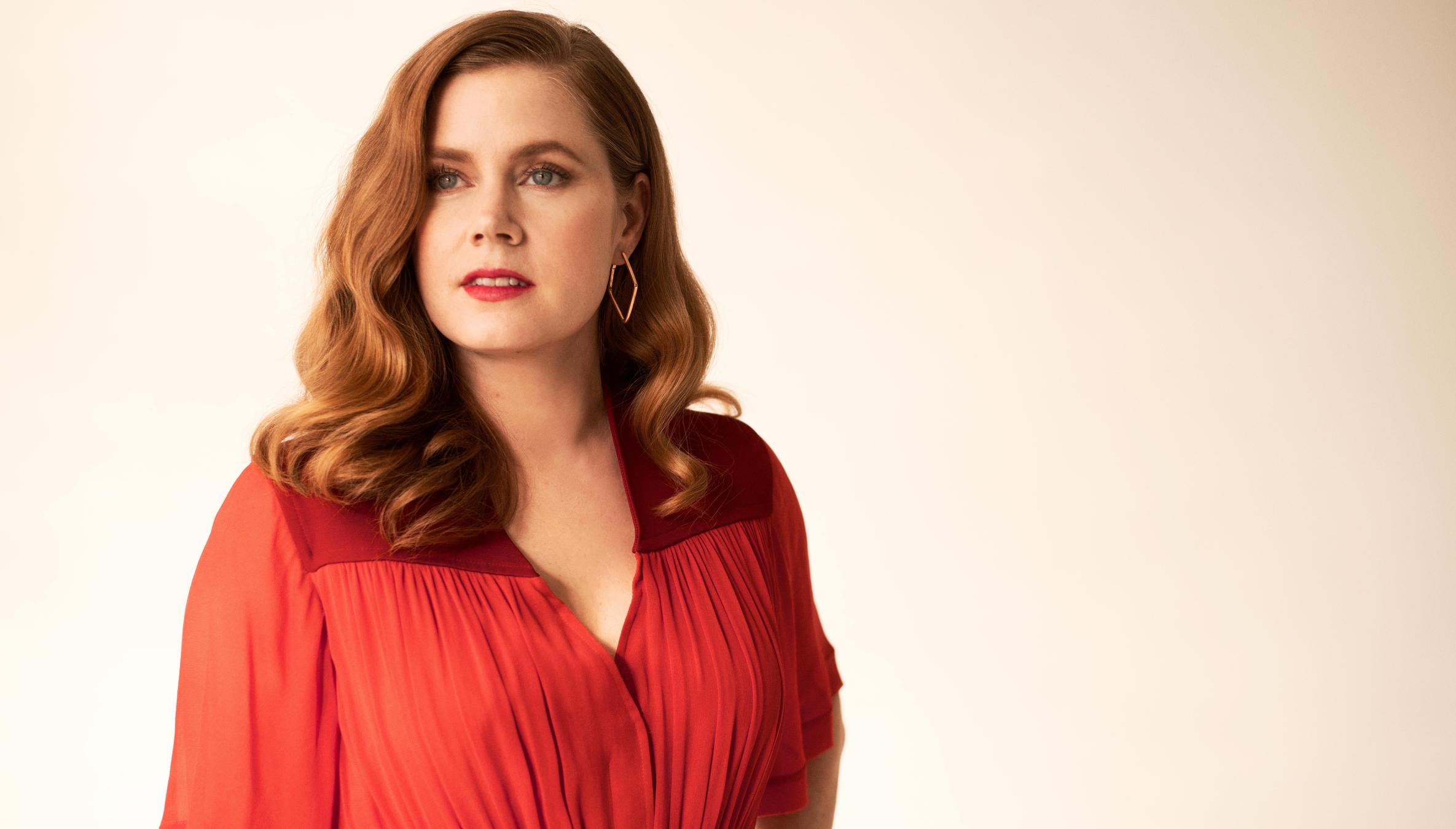
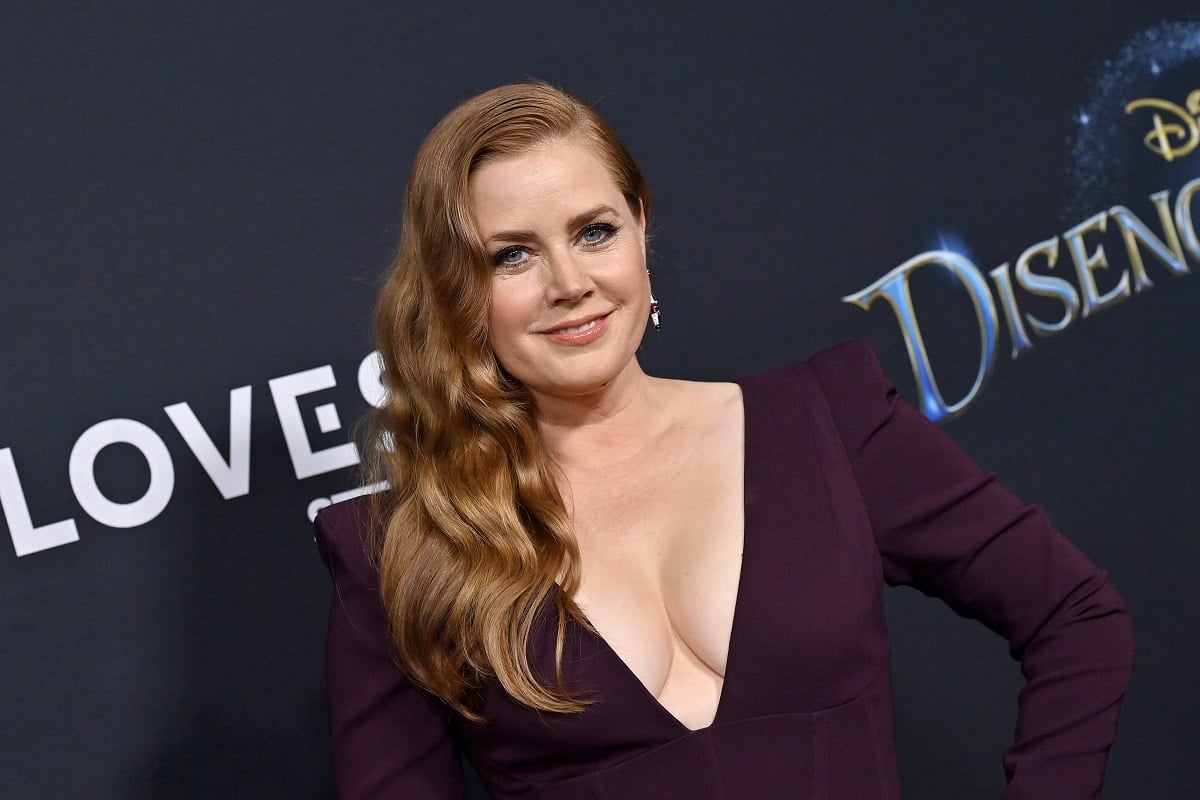
Before achieving critical acclaim, multiple Academy Award nominations, and global recognition as one of Hollywood's premier dramatic and comedic actors, Amy Adams navigated the early stages of her professional life like many aspiring performers. Among the various jobs she held to support herself during her youth and early dancing career was a brief stint working as a hostess at a Hooters restaurant in Georgia, a detail that often surfaces in celebrity biographies and retrospective interviews regarding her pre-fame hustle.
Understanding the Early Life and Career Beginnings of Amy Adams
Long before she graced the red carpet in high-end designer gowns, Amy Adams was growing up in a large family rooted in Castle Rock, Colorado, before eventually relocating to Atlanta, Georgia. Born to American parents while her father was stationed in the U.S. Military, Adams was one of seven children. Her upbringing was modest, and her initial artistic aspirations leaned heavily toward the performing arts, specifically musical theater and classical ballet, rather than traditional cinematic acting.
During her teenage years and early twenties, Adams performed in community theater and dinner theater productions. Dinner theater required long hours of rehearsal and performance, but it rarely provided a sustainable living wage for a young artist trying to establish independence. Like countless other aspiring actors, dancers, and singers living in metropolitan areas, Adams had to balance her creative pursuits with conventional employment to pay for basic living expenses, transportation, and training.
This financial reality led her into the service industry. Before securing her breakthrough roles in independent cinema and major studio films, Adams worked several customer-facing jobs. These positions served as a financial bridge, allowing her to sustain herself while auditioning for local theatrical and commercial gigs throughout the Atlanta area.
The Reality of the Hooters Employment Period
The narrative surrounding Amy Adams working at Hooters is often subject to exaggeration or misconception in popular culture, but the core facts remain straightforward. In various biographical interviews—most notably during press tours for her acclaimed film roles—Adams has openly discussed her time working in the restaurant industry.
When she was roughly eighteen years old, Adams took a job at a Hooters location in Georgia. Contrary to some sensationalized internet rumors that depict her working as a server wearing the company's trademark uniform for an extended period, Adams has clarified the nature and brief duration of her employment there. Because she was underage for serving alcohol and primarily focused on her transition out of high school and into professional regional theater, her role was largely administrative and customer-facing.
Specifically, Adams worked as a hostess. Hostess duties primarily involved greeting arriving guests, managing seating charts, and coordinating front-of-house flow rather than serving food and beverages on the floor. Her tenure at the restaurant was notably short-lived—lasting only a few weeks. Recognizing quickly that the environment and the specific requirements of the job did not align with her personal comfort levels or her long-term career trajectory, she sought alternative employment.
Employment Milestones Before Hollywood
| Pre-Fame Job Type | Primary Responsibilities | Duration / Context |
|---|---|---|
| Dinner Theater Performer | Singing, dancing, and acting in live stage productions. | Several years during high school and early twenties in Georgia. |
| Hooters Hostess | Greeting patrons, managing seating charts, front-of-house coordination. | Approximately three weeks during her late adolescence. |
| Department Store Retail | Managing inventory, assisting customers, cashier duties. | Various short-term stints to supplement theater income. |
Transitioning from Regional Theater to Cinematic Success
The period during which Adams worked at Hooters and other odd jobs immediately preceded her intensive focus on musical theater. Before moving to Los Angeles to pursue film and television actively, Adams spent years working in dinner theaters across the United States, including productions in Colorado and Georgia. Dinner theater required performers to act, sing, and dance while often interacting directly with patrons—an experience that honed her stage presence and resilience.
Her professional breakthrough did not happen overnight. After moving to Los Angeles in the late 1990s, she made her feature film debut in the satirical dark comedy Drop Dead Gorgeous (1999). This opportunity opened doors to guest-starring roles on various television series throughout the early 2000s, such as That '70s Show, Charmed, Buffy the Vampire Slayer, and The Office.
However, her career-defining moment arrived with her critically lauded performance in the 2005 independent drama Junebug. Her portrayal of a cheerful, pregnant young woman in North Carolina earned her widespread critical acclaim, her first Academy Award nomination for Best Supporting Actress, and instantaneous industry recognition. This role shattered any remaining obscurity and established her reputation as a versatile actress capable of deep emotional resonance.
The Cultural Fascination with Pre-Fame Celebrity Jobs
The public's enduring interest in the pre-fame employment history of actors like Amy Adams stems from a broader cultural fascination with the concept of the "Hollywood hustle." Fans and media outlets frequently look for humanizing details that bridge the gap between unattainable celebrity status and ordinary working-class experiences.
When prominent figures speak candidly about working in retail, fast food, or casual dining chains during their youth, it normalizes the financial struggles inherent in pursuing creative arts. For Adams, mentioning her brief time as a Hooters hostess has never been a source of embarrassment; rather, it reflects a pragmatic approach to self-reliance during a time when she was figuring out her path in life.
Furthermore, media coverage of these early jobs often highlights the contrast between humble beginnings and subsequent success. With multiple Academy Award nominations, Golden Globe wins, and critically acclaimed performances in films like Enchanted, Doubt, The Fighter, Arrival, and Sharp Objects, Adams's legacy is firmly cemented by her artistic output rather than the temporary jobs she held while paying her dues in her youth.
Frequently Asked Questions
Did Amy Adams actually work at Hooters?
Yes, Amy Adams worked as a hostess at a Hooters restaurant in Georgia when she was approximately eighteen years old.
How long did Amy Adams work at Hooters?
Her employment at Hooters was extremely brief, lasting only about three weeks before she moved on to other jobs and theatrical opportunities.
What was Amy Adams's specific role at Hooters?
She worked strictly as a hostess, greeting guests and managing the seating arrangements rather than working as a food server.
What did Amy Adams do for work before becoming a famous actress?
Before achieving mainstream success in Hollywood, Adams primarily worked in regional musical theater and dinner theaters, supplemented by various short-term retail and service industry jobs.
When did Amy Adams transition from theater to film?
Adams officially transitioned into film work after moving to Los Angeles in the late 1990s, making her feature film debut in Drop Dead Gorgeous in 1999 and achieving her major breakthrough in 2005 with Junebug.
Practical Next Steps and Further Exploration
For those interested in exploring the career trajectories of contemporary actors, examining comprehensive biographies or watching retrospective actor roundtable discussions provides valuable context regarding the realities of the entertainment industry. Understanding that acclaimed performers frequently navigate years of standard employment and rejection before achieving recognition offers a realistic perspective on artistic perseverance. To dive deeper into Amy Adams's filmography, reviewing her transition from musical theater to dramatic cinema showcases the versatility that defined her rise to prominence.