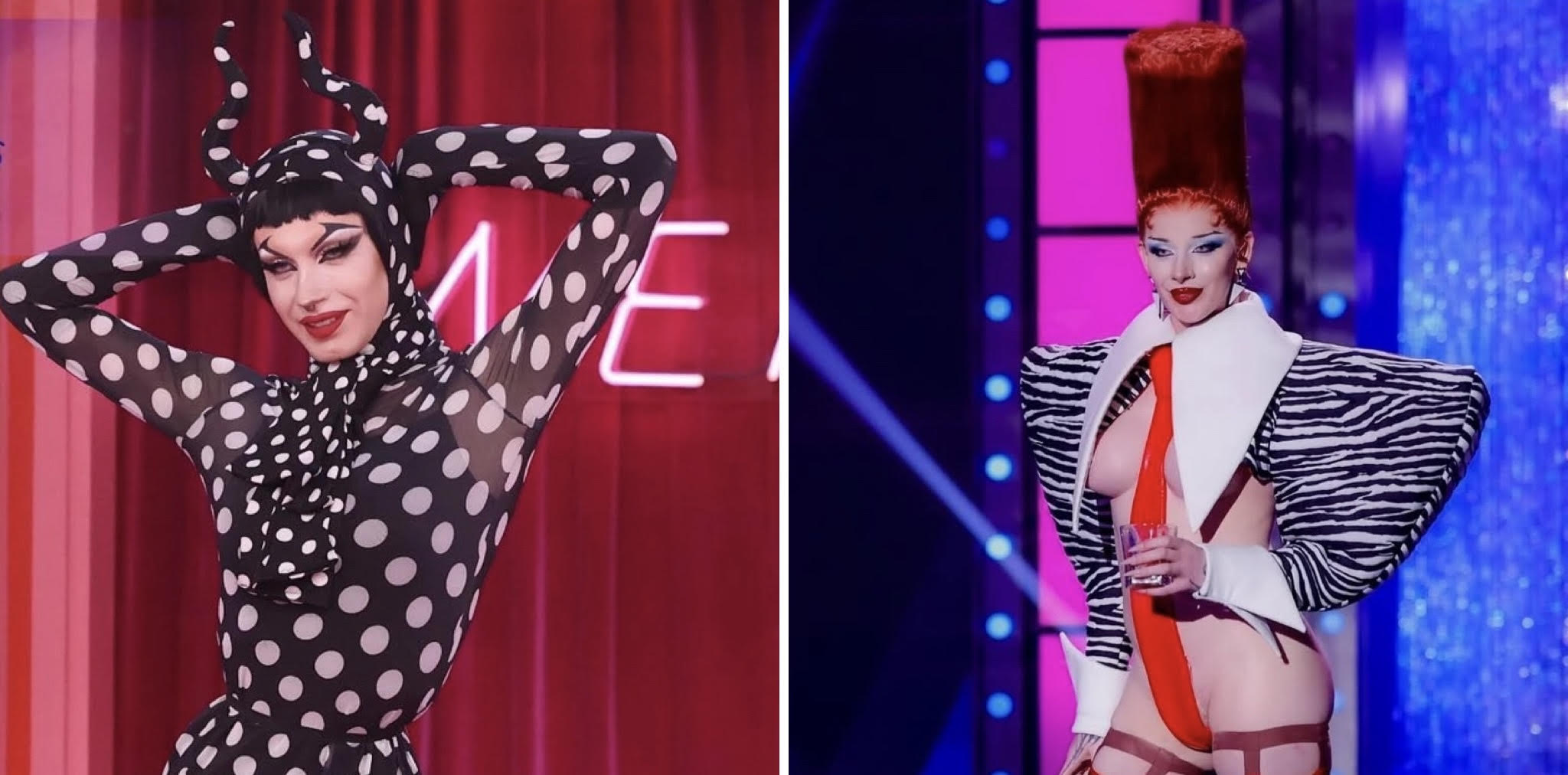
In the 2026 season of All Stars 10, the competition utilizes a revolutionary bracket-style format where contestants are divided into three distinct, color-coded lineups. These brackets—identified as the Red, Blue, and Yellow groups—compete in isolated preliminary rounds before the top performers from each color-coded tier converge in a final "super-bracket" to determine the ultimate winner.
The introduction of the bracket system in All Stars 10 represents the most significant structural shift in the franchise's history. Moving away from the traditional week-to-week elimination of a single large group, the 2026 season adopts a "tournament style" architecture. This design ensures that every contestant receives a guaranteed number of episodes to showcase their evolution, while the color-coded lineups provide a clear visual and narrative shorthand for the audience to track progress across multiple competitive "pods." By segmenting the cast into these specific brackets, the production has created a more focused, high-stakes environment that rewards consistency as much as individual challenge wins.
The Architecture of the All Stars 10 Bracket System
The bracket system was implemented to solve a long-standing logistical challenge: how to manage an increasingly large and talented "All Star" cast without resorting to "filler" episodes or premature eliminations of fan favorites. In this 2026 iteration, the competition is partitioned into three phases.
Phase 1: The Group Stages (Color-Coded Lineups)
During the initial phase, the cast is split into three groups of queens, each assigned a primary color for branding and identification. These are the Red, Blue, and Yellow lineups. Each lineup competes independently for a set number of episodes. This means that while the "Red Lineup" is filming their challenges, the "Blue" and "Yellow" lineups are either in sequester or preparing for their respective cycles.
This phase serves as a filtering mechanism. Points are awarded based on challenge performance (Win, High, Safe, Low, Bottom). At the end of the group stage, only the top-scoring queens from each color-coded bracket advance to the next level. This prevents the "social elimination" fatigue seen in previous seasons, as advancement is strictly tied to a cumulative scorecard within the bracket.
Phase 2: The Crossover Bracket
Once the top performers from the Red, Blue, and Yellow lineups are identified, they are merged into a single "Crossover Bracket." This is where the true "All Star" mettle is tested, as queens who have never interacted in the workroom are suddenly forced to compete against one another. The color-coding remains relevant here, as fans often rally behind their "original" bracket color, creating a sports-like atmosphere of team loyalty.
Phase 3: The Championship Finals
The final bracket consists of the top four queens regardless of their original color-coded lineup. This leads to the "Grand Finale," where the bracket culminates in a series of head-to-head performance battles to crown the winner of All Stars 10.
Understanding the Color-Coded Lineups
The decision to use color-coded lineups was not merely aesthetic; it was a technical solution for audience retention and clarity. With multiple groups competing simultaneously in the televised edit, viewers need an immediate visual cue to know which "sub-competition" they are watching.
The Red Lineup: The "Powerhouse" Bracket
The Red Lineup was curated to include high-energy performers and "look queens." Historically, the Red Bracket in All Stars 10 has been characterized by intense physical challenges and high-fashion runways. The color red symbolizes the urgency and competitive fire that these queens bring to the stage. Because the Red Lineup often kicks off the season, it sets the bar for the technical proficiency required to move into the Crossover Bracket.
The Blue Lineup: The "Comedy and Camp" Bracket
The Blue Lineup focuses heavily on the "acting and improv" pillars of the competition. By grouping the comedic heavyweights together, the bracket system creates a "blood bath" of wit. The color blue is used to signify the "coolness" and sharp intellect required for snatch games and scripted acting challenges. For many viewers, the Blue Bracket provides the most entertainment value, as the chemistry between the comedy queens is localized within a single lineup.
The Yellow Lineup: The "Wildcard" Bracket
The Yellow Lineup is often the most unpredictable. It typically features queens who were "robbed" in their original seasons or those who have undergone the most significant aesthetic transformations since they were last seen on television. Yellow represents optimism and new beginnings. This bracket is designed to highlight the "growth" arc, which is a core component of the All Stars brand.
Technical Specifications of the Bracket Scoring
To ensure fairness within the color-coded lineups, All Stars 10 uses a standardized point system. This eliminates the ambiguity of "producer-led" eliminations and provides a transparent path to the finals.
| Performance Rank | Points Awarded | Bracket Impact |
|---|---|---|
| Challenge Winner | 10 Points | Automatic safety for the next episode. |
| High Placement | 7 Points | Cumulative boost toward the Crossover Bracket. |
| Safe | 4 Points | Baseline points; no immediate risk. |
| Low Placement | 2 Points | Danger zone; requires a "Win" to recover. |
| Bottom / Lipsync | 0 Points | Loss of points; high risk of bracket elimination. |
This table illustrates how a queen in the Blue Lineup, for instance, can track her standing against her peers. If a queen accumulates 30 points across the first four episodes of her bracket, her entry into the Crossover Bracket is virtually guaranteed, regardless of a single "Low" performance.
The Strategic Shift: Alliances and "Bracket Sabotage"
One of the most fascinating developments in All Stars 10 is how the bracket system has changed the "social game." In traditional seasons, queens would form alliances to vote each other out. However, in the color-coded lineup format, queens are incentivized to help their bracket-mates perform well to ensure the overall quality of their "pod" is high.
Intra-Bracket Loyalty
Queens within the Yellow Bracket, for example, often realize that if their entire group delivers a stellar performance, the judges are more likely to award "High" placements across the board, increasing the cumulative points for the group. There is a sense of "Bracket Pride" where the Red, Blue, and Yellow lineups compete to be known as the "strongest group of the season."
The "Scouting" Phenomenon
As the episodes air, queens in the Blue Bracket can watch the filmed footage of the Red Bracket. This allows them to "scout" their eventual competition. In the 2026 season, we have seen queens take notes on their future opponents' weaknesses. If a queen in the Red Bracket struggles with sewing, the queens in the Blue and Yellow brackets may prepare more complex garments to exploit that weakness once the Crossover Bracket begins.
Logistics of Filming the Color-Coded Brackets
From a production standpoint, filming All Stars 10 required a massive overhaul of the World of Wonder studios. To accommodate the bracket system, the production utilized a staggered filming schedule.
- Block A (Red Lineup): Filmed over three weeks.
- Block B (Blue Lineup): Filmed immediately following Block A, using the same set but with refreshed "Blue-themed" decor.
- Block C (Yellow Lineup): Filmed concurrently with the post-production of Block A.
- The Convergence: All surviving queens from the three blocks return to the studio simultaneously for the Crossover and Final Brackets.
This logistical dance ensures that the workroom never feels overcrowded, allowing for more intimate "mirror moments" and deeper character development for every queen, regardless of which color-coded lineup they are in.
Common Misconceptions About the AS10 Brackets
As with any major format change, the 2026 bracket system has faced scrutiny and confusion from the fanbase. It is essential to clarify how the lineups actually function to avoid misinformation.
Misconception 1: "Colors mean teams."
Many viewers mistakenly believe that the color-coded lineups are "teams" that win or lose together. This is incorrect. While the queens are grouped by color for the preliminary phase, they are still competing individually. There is no "Team Red" victory; there is only the individual progression of queens within the Red Bracket.
Misconception 2: "The brackets are permanent."
The color-coded lineups are a Phase 1 mechanic. Once the competition reaches the Crossover Bracket (typically around Episode 8 or 9), the color designations become secondary to individual rankings. While queens may still wear their bracket colors for branding, the structural separation disappears.
Misconception 3: "Points don't matter in the finale."
While the finale is often decided by a "Lipsync for the Crown," the points accumulated during the bracket stages determine the seeding. A queen who dominated the Yellow Lineup with 50 points will have a "bye" or a choice of opponent in the first round of the finale, whereas a queen who barely squeaked through the Blue Lineup will have a more difficult path.
Expert Guidance for Following the Season
For fans looking to get the most out of the All Stars 10 experience, tracking the brackets is essential. Experts recommend maintaining a "Scorecard" for each color-coded lineup. Because the season is edited to jump between brackets in some streaming versions, keeping a manual tally of the points (based on the table provided above) helps clarify who is actually "winning" the season.
Additionally, pay close attention to the "Bracket Transitions." The episodes where the Red, Blue, and Yellow lineups first meet are historically the most volatile. The "culture shock" of different bracket dynamics clashing often leads to the most iconic drama of the season.
Frequently Asked Questions
How are queens assigned to their color-coded lineups?
The assignments are made by production based on a mix of drag styles and historical "stats" from their original seasons. The goal is to create three balanced "pods" so that one bracket isn't significantly weaker than the others. For example, if there are six "comedy queens" in the cast, they are usually split 2-2-2 across Red, Blue, and Yellow to ensure every bracket has a "Snatch Game" contender.
Can a queen switch brackets?
No. Once a queen is assigned to the Red, Blue, or Yellow lineup, she remains in that bracket until she is either eliminated or advances to the Crossover stage. There are no "trades" or "swaps," as this would disrupt the point-accumulation system that governs the preliminary rounds.
What happens if there is a point tie within a bracket?
In the event of a tie for the final advancement slot in a color-coded lineup, the queens enter a "Tie-Breaker Lipsync." This is a high-stakes, sudden-death performance where the winner moves to the Crossover Bracket and the loser is eliminated. This ensures that the bracket system remains meritocratic.
Why did the show move to a bracket system in 2026?
The shift was primarily driven by the "All Winners" (All Stars 7) and "Non-Elimination" (All Stars 9) experiments. Production found that fans loved seeing more of their favorite queens but missed the stakes of elimination. The bracket system provides a middle ground: queens get more screen time within their designated lineup, but the "Bottom" performers are still eventually sent home.
How does the "Golden Ticket" work within the brackets?
In All Stars 10, each color-coded lineup has one hidden "Golden Ticket" or "Save." If a queen is eliminated within her bracket but possesses the ticket, she can "force" her way into the Crossover Bracket. This adds a layer of scavenger-hunt tension to the workroom scenes in the early episodes.
Final Recommendation for Viewers
To fully appreciate the complexity of the All Stars 10 brackets, viewers should focus on the cumulative performance rather than weekly wins. The color-coded lineups are designed to reward the "marathon runners" of drag—those who can stay "High" or "Safe" consistently across their entire bracket cycle. If you are tracking the competition, keep an eye on the Yellow Lineup this year; historically, the "wildcard" nature of this bracket produces the most surprising finalists who eventually dominate the Crossover stage.