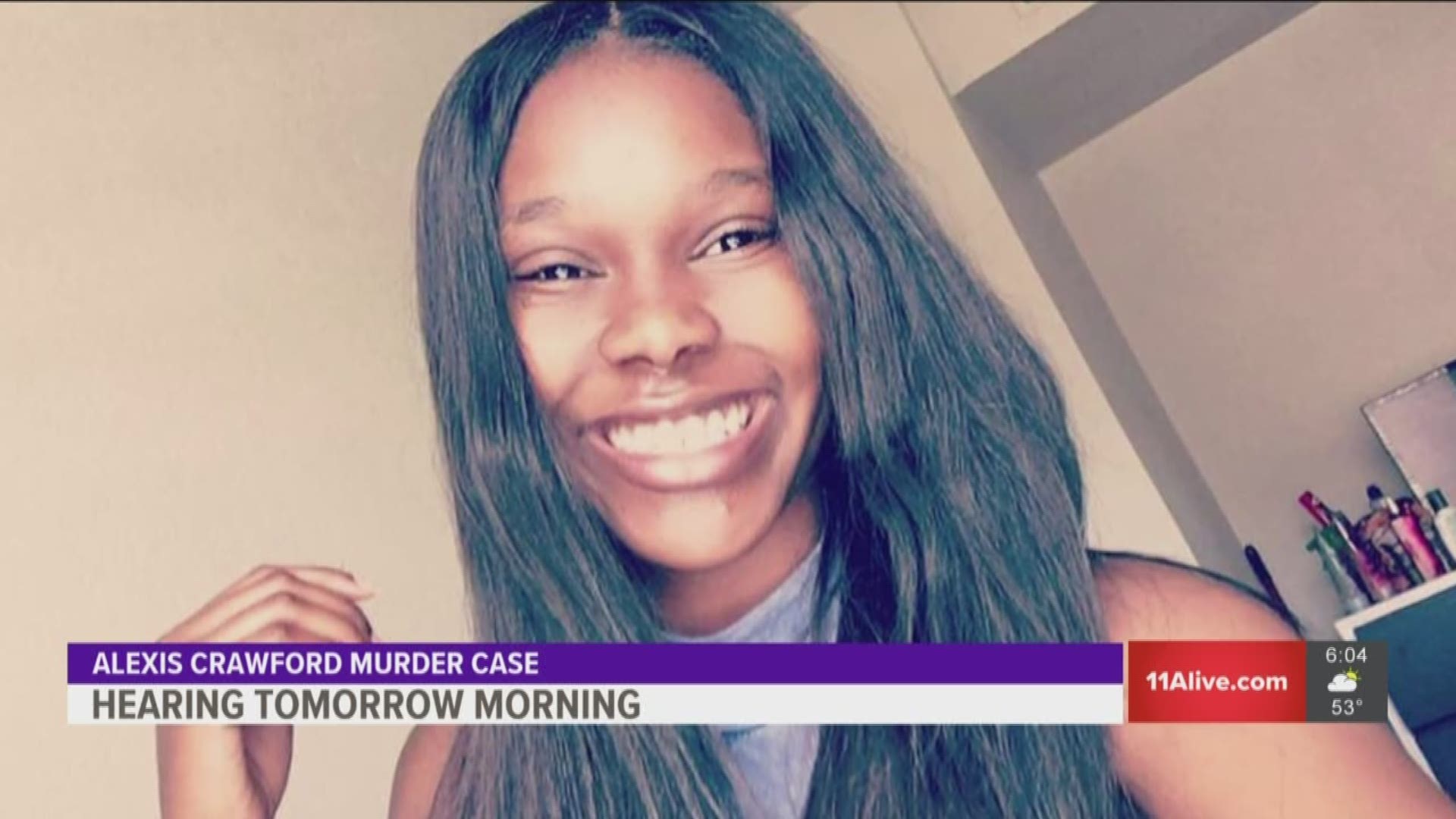
Alexis Crawford was a 21-year-old Clark Atlanta University senior whose tragic disappearance and murder in October 2019 sparked international news coverage, an intensive police investigation, and sweeping legal proceedings. Her case brought critical national attention to campus safety protocols, roommate security, crisis intervention for sexual assault survivors, and police response standards for missing Black women.
Case Overview and Background
Alexis Crawford was a native of Athens, Georgia, enrolled as a senior at Clark Atlanta University (CAU), a prominent Historically Black University (HBCU) located in Atlanta, Georgia. Majoring in sociology, Crawford lived in an off-campus apartment on Ralph David Abernathy Boulevard in Atlanta with her roommate, Jordyn Jones, who was also a senior at CAU.
In late October 2019, events transpired that significantly increased tensions within the shared apartment. On October 26, 2019, Crawford filed a formal incident report with the Atlanta Police Department alleging that she had been sexually assaulted by Barron Brantley, the boyfriend of her roommate, Jordyn Jones. Following the assault, Crawford sought medical examination at Grady Memorial Hospital, where a forensic rape kit was administered, and law enforcement initiated an open investigation into the allegations.
Despite filing the police report, Crawford continued residing at the off-campus apartment while seeking ways to navigate her academic commitments and safety concerns. The weeks following the report proved critical to the eventual criminal investigation, establishing a clear line of motive and contact between Crawford, Jones, and Brantley.
Detailed Chronology of the Disappearance
The timeline surrounding Crawford's disappearance moved rapidly between late October and early November 2019. Reconstructing this period was vital for local law enforcement agencies and homicide detectives in establishing the chain of events.
- October 26, 2019: Police report filed for sexual assault against Barron Brantley
- October 30, 2019: Crawford last seen at store & makes final phone communications
- October 31, 2019: Crawford fails to attend classes; phone turns off
- November 1, 2019: Missing person report filed with Atlanta Police Department
- November 8, 2019: Body located in Exchange Park; Brantley & Jones arrested
Final Known Activities: October 30, 2019
On the afternoon and evening of Wednesday, October 30, 2019, Crawford engaged in routine activities. Security footage and digital records indicated that she visited a local store to purchase household items and beverages. Later that evening, around 8:00 PM, she spoke via phone with her sister, describing her daily activities and plans for the upcoming weekend.
Surveillance footage and mobile phone ping data established that Crawford returned to her apartment later that night. According to police reports, Jordyn Jones and Barron Brantley were both present inside or near the residence during the late hours of October 30 and the early morning of October 31.
The Missing Person Investigation: October 31 – November 7, 2019
When Crawford did not arrive for scheduled classes or answer calls from her family on Thursday, October 31, her relatives grew concerned. Given her regular communication habits, missing an entire day of contact was atypical. On Friday, November 1, 2019, her family officially filed a missing person report with the Atlanta Police Department.
Over the following week, the Atlanta Police Department, assisted by Clark Atlanta University Campus Police and community volunteers, mounted an extensive search effort. Investigators audited Crawford's social media accounts, mobile location history, bank records, and local transit logs. Early searches yielded minimal physical evidence, but interviews conducted with Jones and Brantley revealed significant discrepancies in their statements regarding when Crawford was last seen and who was present at the apartment.
Forensic Investigation and Arrests
The breakthrough in the investigation occurred on Friday, November 8, 2019, after detectives conducted secondary interrogations with both Jordyn Jones and Barron Brantley.
| Event | Target Date / Period |
|---|---|
| Sexual Assault Reported | October 26, 2019 |
| Disappearance / Homicide | October 30–31, 2019 |
| Discovery of Body & Initial Arrests | November 8, 2019 |
| Indictment by Fulton County Grand Jury | January 2020 |
| Guilty Plea: Barron Brantley | November 2022 |
| Guilty Plea: Jordyn Jones | April 2024 |
Discovery of the Crime Scene and Recovery
During interrogation on November 8, 2019, Barron Brantley provided disclosures that led law enforcement officers directly to Exchange Park, a public park located in nearby DeKalb County, Georgia. Detectives recovered Crawford's body inside a secluded wooded area of the park, where it had been placed inside a heavy-duty plastic construction bag.
The Fulton County Medical Examiner's Office conducted an immediate post-mortem examination. The coroner determined that the cause of death was asphyxiation (suffocation). Physical evidence collected from the apartment and the recovery site substantiated that a violent physical struggle had occurred inside the residence before her body was transported to DeKalb County.
Criminal Charges Filed
Following the recovery of Crawford's body, the Atlanta Police Department secured arrest warrants for both Jordyn Jones and Barron Brantley. The Fulton County District Attorney's Office formally indicted both individuals on multiple felony charges:
- Malice Murder & Felony Murder: Charging both defendants with directly causing Crawford's death during the commission of a dangerous felony.
- Aggravated Assault: Pertaining to the physical attack inside the apartment.
- Concealing the Death of Another: Stemming from the transport and abandonment of the victim's body at Exchange Park.
Judicial Outcomes and Court Proceedings
The legal trajectory of the case spanned several years within the Fulton County Superior Court system, impacted by procedural filings, evidentiary motions, and court delays during the COVID-19 pandemic.
- Homicide Investigation
- Fulton County Grand Jury
- Felony Indictment
- Barron Brantley Case
- Plea Agreement (Nov 2022)
- Malice Murder
- Sentence: Life Imprisonment
- Plea Agreement (Nov 2022)
- Jordyn Jones Case
- Plea Agreement (Apr 2024)
- Malice Murder
- Sentence: Life with Parole
- Plea Agreement (Apr 2024)
- Barron Brantley Case
Barron Brantley's Plea and Sentencing
In November 2022, Barron Brantley entered a guilty plea in Fulton County Superior Court to charges of malice murder and aggravated assault in connection with Crawford's death. As part of the negotiated plea agreement, prosecutors recommended a sentence of life imprisonment. Brantley was formally sentenced to serve life in prison without immediate parole eligibility under Georgia state sentencing statutes.
Jordyn Jones's Plea and Sentencing
Jordyn Jones initially entered a plea of not guilty following her 2020 indictment. However, as the trial date approached in early 2024, Jones opted to enter a negotiated guilty plea. In April 2024, Jones pleaded guilty to malice murder in Fulton County Superior Court.
The presiding judge sentenced Jones to life imprisonment with the possibility of parole. Under Georgia law, individuals sentenced to life with parole eligibility must serve a mandatory statutory minimum—typically 30 years—before becoming eligible for consideration by the Georgia Board of Pardons and Paroles.
Institutional and Societal Impact
The death of Alexis Crawford sparked comprehensive discussions across higher education institutions, municipal police departments, and civil rights organizations regarding emergency housing policies, protection for crime victims, and media attention equity.
- Systemic Lessons & Reforms / Institutional Response:
- Campus Emergency Housing: Rapid temporary housing options for survivors of reported interpersonal violence or assault.
- Sexual Assault Reporting: Dedicated crisis advocates; Memorandum of understanding between campus police and municipal departments.
- Public Awareness Advocacy: Heightened focus on missing Black women and police response times in urban university areas.
- Off-Campus Housing Protocols: Expanded campus shuttle routes, emergency beacons, and off-campus security monitoring partnerships.
Re-evaluation of Off-Campus Safety & University Protocols
Following the event, the Atlanta University Center Consortium (AUCC)—which includes Clark Atlanta University, Morehouse College, and Spelman College—evaluated safety infrastructure for students residing off-campus. Higher education experts pointed to several systemic issues highlighted by the case:
- Emergency Housing Reassignment: When a student reports an assault involving a co-resident or frequent visitor to shared housing, universities must offer immediate, confidential emergency housing relocation, even for off-campus residents.
- Cross-Agency Communication: Enhanced integration between municipal law enforcement agencies (such as the Atlanta Police Department) and university public safety departments helps ensure that reports involving off-campus students receive immediate administrative and protective support.
- Survivor Support Infrastructure: Institutions elevated investments in Title IX coordination staff, crisis counseling, and legal assistance for students navigating criminal justice processes.
National Attention on Missing Black Women
Crawford’s disappearance brought renewed urgency to conversations about missing Black women and girls in the United States. Organizations such as the Black and Missing Foundation underscored how rapid social media advocacy from family members, students, and local activists was essential in compelling consistent law enforcement and media coverage during the initial missing-person window.
Comparative Overview of Milestones and Legal Outcomes
| Case Milestone / Parameter | Details and Verified Data | Legal / Administrative Result |
|---|---|---|
| Victim Identity | Alexis Crawford (Age 21, CAU Senior) | Senior Sociology Major at Clark Atlanta University |
| Initial Police Report | Filed Oct 26, 2019 (Atlanta Police Dept) | Opened investigation into alleged sexual assault |
| Date of Homicide | Night of Oct 30 – Morning of Oct 31, 2019 | Physical assault occurring in off-campus residence |
| Location of Recovery | Exchange Park, DeKalb County, GA | Body recovered on Nov 8, 2019; asphyxiation ruled cause |
| Defendant 1: Barron Brantley | Convicted via Guilty Plea (Nov 2022) | Sentenced to Life Imprisonment in Georgia State Prison |
| Defendant 2: Jordyn Jones | Convicted via Guilty Plea (Apr 2024) | Sentenced to Life Imprisonment with Parole Eligibility |
| Primary Institutional Outcome | AUCC & CAU Safety Policy Revisions | Expansion of emergency student housing and crisis resources |
Safety Resources and Reporting Guidelines for Students
Navigating interpersonal violence, sexual assault, or housing insecurity while enrolled in college requires rapid access to confidential resources. The following national and institutional mechanisms exist to assist students in crisis:
- National Sexual Assault Hotline (RAINN): Operates 24/7 confidential support via telephone (1-800-656-4673) and online chat services. Further guidelines and emergency assistance resources are available at the Rape, Abuse & Incest National Network (RAINN).
- National Domestic Violence Hotline: Provides 24/7 crisis intervention, safety planning, and local referral services (1-800-799-7233 or text "START" to 88788). Details can be accessed directly at The National Domestic Violence Hotline.
- Campus Title IX Offices: Every higher education institution receiving federal funding maintains a Title IX coordinator responsible for implementing supportive measures, including academic accommodations, housing adjustments, and mutual no-contact orders.
- Victim Witness Assistance Programs: Municipal District Attorneys' offices operate dedicated victim-witness units that help crime victims navigate court appearances, protective orders, and state compensation funds.
Frequently Asked Questions
What were the key findings in the Alexis Crawford autopsy?
The Fulton County Medical Examiner's Office concluded that Alexis Crawford died from asphyxiation (suffocation). Forensic evidence recovered from the apartment established that a physical struggle occurred prior to her death, supporting the malice murder charges filed against both defendants.
Where did the crime take place?
The physical assault and homicide occurred inside an off-campus apartment on Ralph David Abernathy Boulevard in Atlanta, Georgia. The victim's body was subsequently moved to Exchange Park in DeKalb County, where law enforcement officers recovered it on November 8, 2019.
What sentences did the defendants receive?
Barron Brantley pleaded guilty to malice murder in November 2022 and was sentenced to life in prison. Jordyn Jones pleaded guilty to malice murder in April 2024 and received a sentence of life imprisonment with the possibility of parole after fulfilling state statutory requirements.
How did Clark Atlanta University respond to the incident?
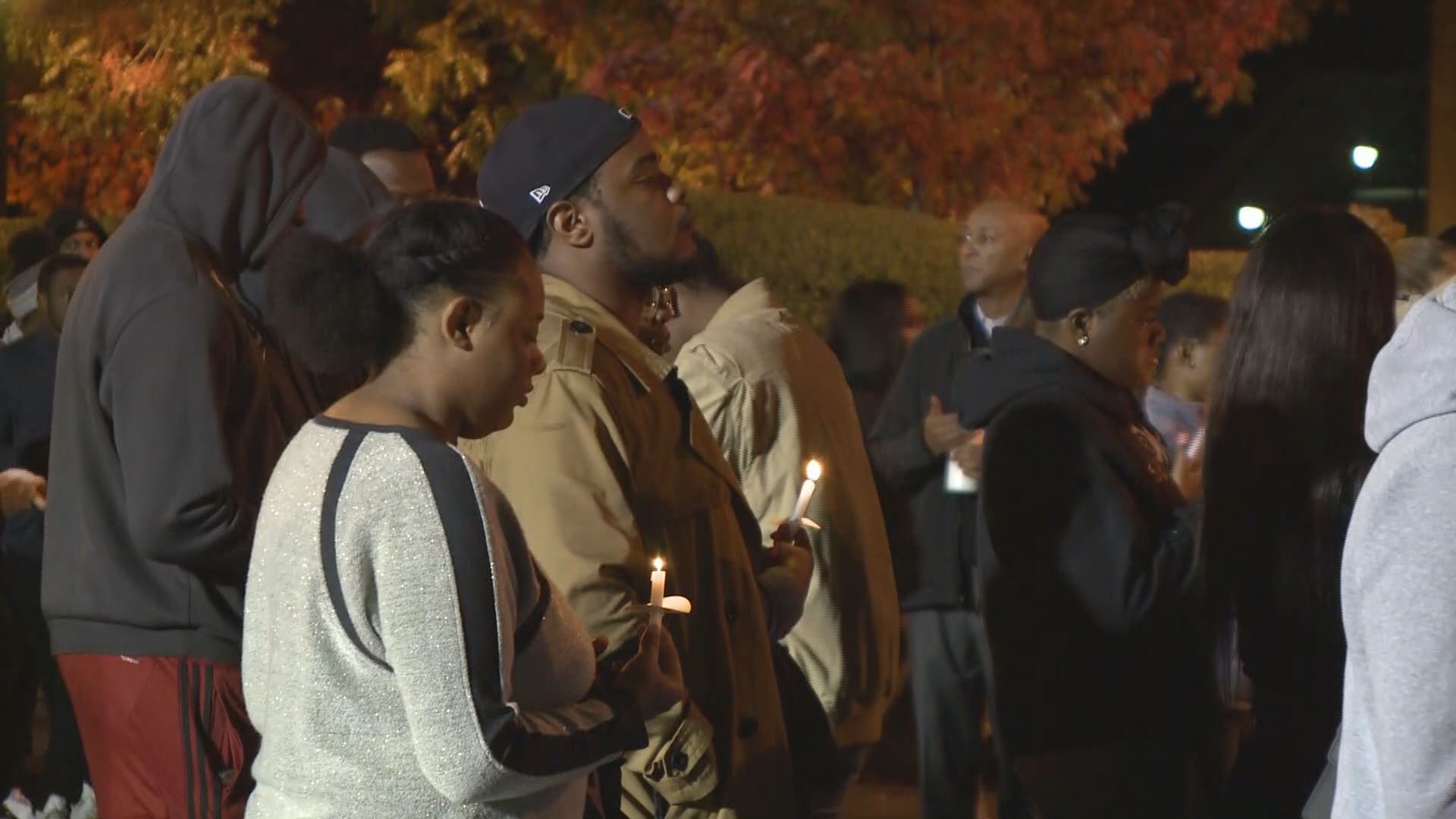
Clark Atlanta University established memorial services honoring Alexis Crawford, provided grief counseling for the student body, and worked alongside the Atlanta University Center Consortium to refine student crisis intervention procedures, safety shuttles, and emergency response channels for off-campus residents.
What legal protections exist for students who report domestic or sexual violence?
Under federal Title IX regulations and state criminal law, students reporting sexual assault or domestic violence are entitled to supportive measures from their academic institutions. These measures include emergency housing relocations, modifications to class schedules, administrative protection orders, and referrals to local law enforcement for criminal protective orders.
Summary and Key Takeaways
The Alexis Crawford case serves as a critical historical reference point for higher education administrators, law enforcement personnel, and student safety advocates. The tragic loss of Crawford’s life underscored the vital necessity of early crisis intervention, swift relocation protocols for victims reporting interpersonal violence, and robust communication between campus security and municipal police departments. For students, access to non-emergency reporting tools, emergency housing options, and immediate crisis support services remains paramount to ensuring off-campus safety and personal security.