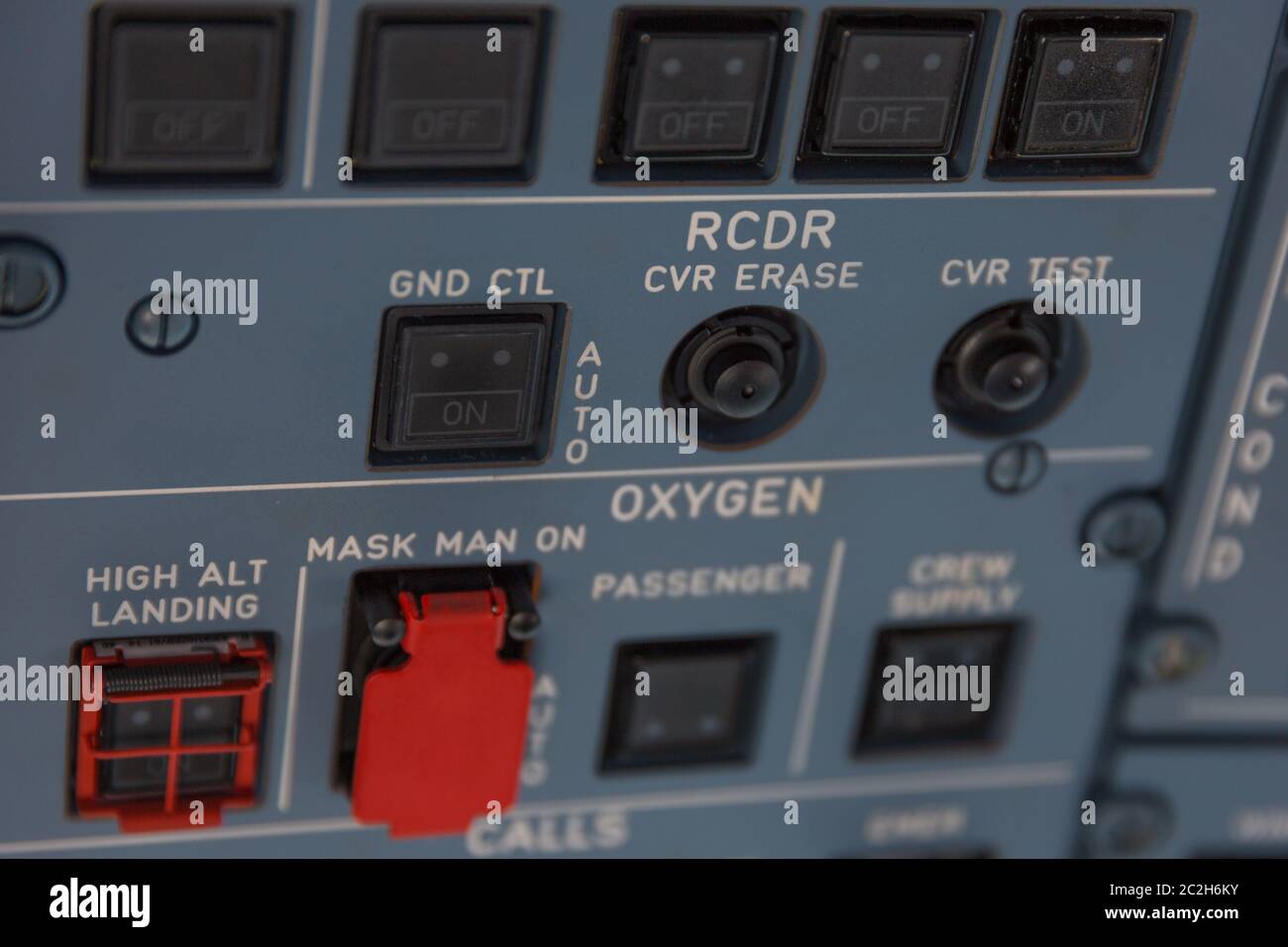
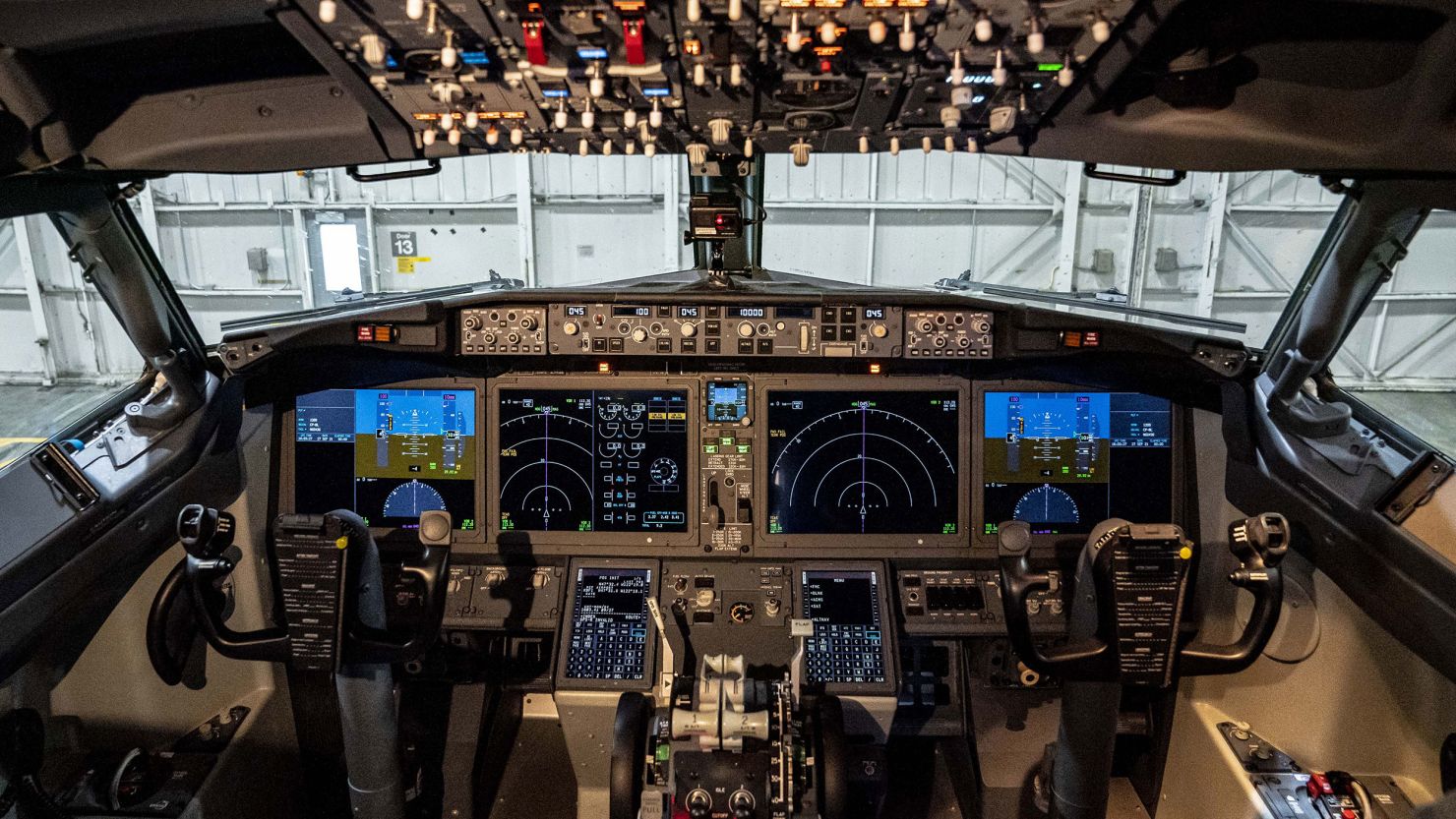
The preservation of the Alaska Airlines Flight 261 Cockpit Voice Recorder (CVR) audio is essential for aviation safety because it provides irreplaceable acoustic evidence of mechanical failure and a high-fidelity record of Crew Resource Management (CRM) under extreme stress. Unlike transcripts, the raw audio allows investigators to analyze background frequencies, mechanical vibrations, and the nuances of human communication that are vital for preventing future catastrophic jackscrew failures.
On January 31, 2000, Alaska Airlines Flight 261, a McDonnell Douglas MD-83, plunged into the Pacific Ocean near Anacapa Island, California. All 88 people on board perished. The cause was a catastrophic failure of the horizontal stabilizer’s longitudinal trim control system, specifically the stripping of the Acme nut threads within the jackscrew assembly. As we look back from 2026, the lessons derived from this tragedy remain foundational to aviation maintenance and pilot training. The debate over why the audio should be preserved—rather than just the written transcript—touches on technical, psychological, and historical imperatives.
Technical Analysis Through Acoustic Signatures
The primary technical reason to preserve the Alaska 261 CVR audio lies in "acoustic signatures." A Cockpit Voice Recorder does far more than record speech; it captures every ambient sound within the flight deck environment. For Alaska 261, these sounds were the only "eyewitness" accounts of what was happening inside the tail of the aircraft.
Deciphering Mechanical Failures
In the investigation of Flight 261, the National Transportation Safety Board (NTSB) relied heavily on the specific sounds recorded by the CVR. The jackscrew assembly, which controls the pitch of the aircraft by moving the horizontal stabilizer, was failing intermittently long before the final dive. The audio captured specific "clunks," "thumps," and the straining of electric motors as they attempted to move a jammed mechanism.
By preserving the audio, forensic sound engineers can apply modern digital signal processing (DSP) to isolate frequencies. In 2026, our ability to filter noise and enhance specific mechanical vibrations is significantly more advanced than it was in 2000. Preservation allows new generations of investigators to re-examine the data to determine:
- Motor Strain: The pitch of the trim motor can indicate how much resistance the jackscrew was encountering.
- Structural Stress: Sounds of metal fatigue or the "ratcheting" of stripped threads provide a timeline of the mechanical degradation.
- Aerodynamic Noise: Changes in wind noise can correlate with the aircraft’s pitch and speed, helping to reconstruct the flight path when FDR (Flight Data Recorder) data might be intermittent.
Beyond the Written Word
A transcript might say "[Sound of loud bang]." However, the audio contains the frequency, duration, and resonance of that bang. To an expert, a "bang" caused by an uncontained engine failure sounds different from a "bang" caused by a structural failure in the tail. Preserving the audio ensures that the raw data is available for future comparative analysis should similar mechanical issues arise in newer airframes.
Human Factors and Crew Resource Management (CRM)
Alaska 261 is often cited as one of the most harrowing examples of pilots fighting to save an aircraft. Captain Ted Thompson and First Officer William Tansky faced a situation for which there was no checklist: the complete loss of pitch control and, eventually, an aircraft flying inverted.
Vocal Inflection and Stress Response
The preservation of audio is critical for the study of human factors. A transcript cannot convey the urgency, the tone of voice, or the cognitive load being experienced by the crew. By listening to the audio, psychologists and CRM instructors can analyze:
- Command Authority: How Captain Thompson maintained a professional and focused cockpit despite the unfolding disaster.
- Collaborative Problem Solving: The way the pilots brainstormed solutions, including the decision to fly the aircraft upside down to maintain lift—a move that showed incredible ingenuity under pressure.
- Communication Under G-Load: The physical strain in their voices provides data on the physiological impact of the maneuvers they were attempting.
Training the Next Generation
In 2026, pilot training curricula still utilize the Alaska 261 case study. While listening to the final moments is distressing, it serves a profound educational purpose. It demonstrates the "startle factor" and how seasoned pilots attempt to regain situational awareness when the aircraft ceases to respond to standard inputs. Preservation ensures that this human element is not lost to the clinical coldness of a printed page.
Comparing CVR and FDR Capabilities
To understand why the CVR audio is specifically worth preserving, it is helpful to compare it to the Flight Data Recorder (FDR). While both are "Black Boxes," they serve different investigative functions.
| Feature | Cockpit Voice Recorder (CVR) | Flight Data Recorder (FDR) |
|---|---|---|
| Data Type | Audio (Voices, Alarms, Ambient Noise) | Digital Parameters (Alt, Speed, Heading) |
| Subjective Context | High (Captures mood, intent, and stress) | Low (Purely physical measurements) |
| Mechanical Insight | Indirect (Acoustic signatures of failures) | Direct (Sensor-based position data) |
| Human Element | Primary source for CRM analysis | Secondary (Inferred from control inputs) |
| Alaska 261 Role | Captured the sound of the jackscrew failure | Recorded the runaway trim and final dive |
The Ethics of Preservation vs. Privacy
The preservation of CVR audio is a contentious issue in aviation. Organizations like the Air Line Pilots Association (ALPA) have historically argued for the destruction of audio after a transcript is produced to protect the privacy and dignity of the deceased. However, the Alaska 261 case highlights the "Public Interest" argument.
The Argument for Destruction
Opponents of audio preservation argue that the public release of such recordings—often found on the internet against the wishes of families—serves only a morbid curiosity. They contend that the transcript provides all the necessary factual information for safety improvements without violating the sanctity of the cockpit.
The Argument for Preservation
Proponents of preservation, including many safety investigators, argue that the audio is a government record of a public safety event. In the case of Alaska 261, the specific failure was linked to systemic maintenance shortcuts at Alaska Airlines (the "Oakland maintenance facility" issues). The audio serves as a permanent, unalterable record of the consequences of those shortcuts. To destroy the audio is to destroy a part of the evidence that holds corporations and regulators accountable.
Evolution of CVR Technology: 2000 to 2026
When Flight 261 crashed, the MD-83 was equipped with a CVR that recorded only 30 minutes of audio in a continuous loop. This meant that the crucial early moments of the jackscrew trouble were overwritten by the time the plane hit the water.
By 2026, international standards (mandated by ICAO and the FAA) have moved to a 25-hour recording requirement for all new aircraft. This shift was motivated by accidents like Alaska 261 and MH370, where the 30-minute or 2-hour window was insufficient to capture the full chain of events.
Preserving the Alaska 261 audio serves as a historical benchmark. It reminds the industry why the transition from 30-minute magnetic tape to 25-hour solid-state memory was necessary. It stands as a testament to the limitations of older technology and the necessity of capturing the "entire story" of a flight's demise.
Maintenance Oversight and the Jacksrew Legacy
The preservation of the Alaska 261 record is inextricably linked to the reform of aviation maintenance. The NTSB investigation revealed that the jackscrew failed because it was not greased properly, and the interval between greasing had been extended by the airline to save money and time.
The audio captures the crew's confusion as the trim system failed to respond. This confusion is a direct result of "invisible" maintenance failures. Preserving this record ensures that the link between "pencil-whipping" maintenance logs and the terrifying reality in the cockpit is never forgotten. It serves as a haunting reminder to maintenance technicians in 2026 of the weight of their signatures on a work order.
Frequently Asked Questions
Why isn't the Alaska 261 audio released to the public?
Under U.S. law (49 U.S.C. § 1114(c)), the NTSB is prohibited from releasing CDR audio to the public to protect the privacy of the victims and their families. Only transcripts are legally released. However, the audio is preserved in the NTSB archives for use by authorized investigators and for training purposes under strict confidentiality.
Did the CVR reveal what the "clunk" sound was?
Yes. Acoustic analysis of the CVR audio allowed investigators to identify a specific "thump" or "clunk" that occurred when the Acme nut on the jackscrew finally stripped completely, allowing the horizontal stabilizer to move beyond its designed limits. This sound was a key piece of evidence in determining the exact moment of structural failure.
How does the Alaska 261 audio help in 2026?
Even in 2026, the audio is used in advanced simulator training. Instructors use the recordings to teach pilots how to recognize the sounds of mechanical interference and how to manage the extreme emotional and physical demands of a control-surface failure. It remains a definitive study in "Upset Recovery."
Is the actual jackscrew also preserved?
Yes. The physical wreckage of the jackscrew and the Acme nut were recovered from the ocean floor. These physical artifacts, combined with the CVR audio and FDR data, provided the "tripod" of evidence needed to prove that the lack of lubrication caused the crash.
Could AI analyze the Alaska 261 audio today?
In 2026, AI-driven acoustic analysis is used to scan old recordings for patterns that human ears might miss. AI can isolate the specific "harmonics" of the MD-83's trim motor, potentially revealing even earlier signs of struggle in the moments before the 30-minute loop began, provided the data was captured.
Practical Recommendations for Aviation Professionals
For those in the aviation industry—whether pilots, mechanics, or safety officers—the Alaska 261 CVR audio serves as a permanent reference point for "The Price of Neglect."
- Maintenance Technicians: Always adhere to the manufacturer's specified lubrication intervals. Alaska 261 proved that "extending" intervals without engineering justification can be fatal.
- Pilots: Practice CRM in every flight, not just during check-rides. The ability of the Alaska 261 crew to work together is the only reason they had a chance at all.
- Regulators: Maintain strict oversight of airline maintenance programs. The preservation of the Alaska 261 records serves as a reminder that regulatory "capture" or leniency can lead to catastrophe.
- Investigators: Advocate for the preservation of raw audio data. In an era of digital twins and AI, the raw acoustic data of the past is more valuable than ever for training the safety algorithms of the future.
The audio of Alaska 261 is more than a recording of a tragedy; it is a vital organ of the aviation safety system. By preserving it, we honor the lives lost by ensuring their final struggle continues to protect every passenger who boards an aircraft today.