Heart palpitations experienced after consuming Alani Nu energy drinks are primarily caused by the beverage's high caffeine content (200mg per 12oz can) and its combination of stimulant ingredients. These sensations of a racing, fluttering, or skipping heart occur when the central nervous system is overstimulated, particularly in individuals with low caffeine tolerance or underlying sensitivities.
Understanding the Connection Between Alani Nu and Heart Palpitations
As we navigate the fitness and wellness landscape of 2026, Alani Nu remains a dominant force in the "better-for-you" energy drink category. However, the popularity of these drinks has brought increased attention to a common side effect: heart palpitations. A heart palpitation is the sensation that your heart is beating too hard, too fast, skipping a beat, or fluttering. While often harmless, these sensations can be distressing and are a direct physiological response to the stimulants found within the Alani Nu formula.
The primary driver is caffeine anhydrous, a highly concentrated form of caffeine that is absorbed rapidly by the body. For context, a standard 12-ounce can of Alani Nu contains 200mg of caffeine. To put this in perspective, a standard 8-ounce cup of brewed coffee typically contains about 95mg. Consuming an Alani Nu is roughly equivalent to drinking two cups of coffee in a very short window, often on an empty stomach before a workout, which accelerates absorption and heightens the cardiovascular response.
The Ingredient Profile: Why Alani Nu Triggers a Response
To understand why "Alani heart palpitations" is such a frequent search query, one must look beyond the caffeine total and examine the synergistic effects of the "Energy Blend."
Caffeine Anhydrous and the Central Nervous System
Caffeine works by blocking adenosine receptors in the brain. Adenosine is a neurotransmitter that promotes relaxation and sleep. When these receptors are blocked, the "gas pedal" of the nervous system is pressed, leading to an increase in firing neurons and the release of adrenaline (epinephrine) from the adrenal glands. This adrenaline surge increases heart rate and blood pressure, which manifests as palpitations in many users.
Guarana Seed Extract
Many Alani Nu varieties incorporate Guarana seed extract. Guarana contains additional caffeine molecules, often bound to tannins, which some claim leads to a slower release. However, when added to a base of 200mg of caffeine anhydrous, it contributes to the total stimulant load. For users sensitive to xanthines (the class of chemicals caffeine belongs to), this secondary source can push the body past its comfort threshold.
L-Theanine: The Counter-Balance
Alani Nu includes L-Theanine, an amino acid often found in green tea, intended to "smooth out" the caffeine jitters. While L-Theanine is known to promote relaxation without drowsiness, it does not physically stop the heart from responding to the 200mg of caffeine. Some users find that while they feel mentally "calm," their heart is still racing, creating a confusing physiological state that can actually heighten the focus on the palpitations.
Comparative Stimulant Levels in Popular Energy Drinks
Understanding where Alani Nu sits in the market helps contextualize the intensity of the physical response. As of 2026, the 200mg threshold is considered the "high-performance" standard, but it remains significantly higher than traditional soda or older energy drink formulations.
| Beverage Brand | Serving Size | Caffeine Content | Primary Stimulants |
|---|---|---|---|
| Alani Nu | 12 oz | 200 mg | Caffeine Anhydrous, Guarana |
| Celsius | 12 oz | 200 mg | Caffeine Anhydrous, Green Tea, Guarana |
| Red Bull | 8.4 oz | 80 mg | Caffeine, Taurine |
| Monster Energy | 16 oz | 160 mg | Caffeine, Glucose, Guarana |
| Ghost Energy | 16 oz | 200 mg | Natural Caffeine, Alpha-GPC |
| Brewed Coffee | 8 oz | 95 mg | Natural Caffeine |
Physiological Factors That Increase Sensitivity
Not everyone who drinks an Alani Nu will experience heart palpitations. Several biological and lifestyle factors dictate how your cardiovascular system reacts to the 200mg dose.
Body Mass and Metabolism
Caffeine dosage is relative to body weight. Alani Nu has historically marketed heavily toward women. Statistically, if a 120lb woman consumes 200mg of caffeine, the concentration in her bloodstream is significantly higher than a 200lb man consuming the same amount. This "milligram per kilogram" ratio is a critical factor in why some users experience intense palpitations while others feel nothing.
Genetic Variability (CYP1A2 Enzyme)
The liver enzyme CYP1A2 is responsible for breaking down 95% of caffeine in the human body. Genetic variations determine whether you are a "fast metabolizer" or a "slow metabolizer" of caffeine. Slow metabolizers retain caffeine in their system much longer, meaning the 200mg in an Alani Nu can keep the heart rate elevated for several hours, increasing the likelihood of sustained palpitations.
Dehydration and Electrolyte Imbalance
Energy drinks are diuretics. If you consume Alani Nu as a pre-workout without adequate water intake, you risk mild dehydration. Dehydration leads to a decrease in blood volume, which forces the heart to beat faster to maintain blood pressure—a perfect storm for palpitations when combined with high-dose stimulants.
Distinguishing Between Palpitations and Serious Cardiac Events
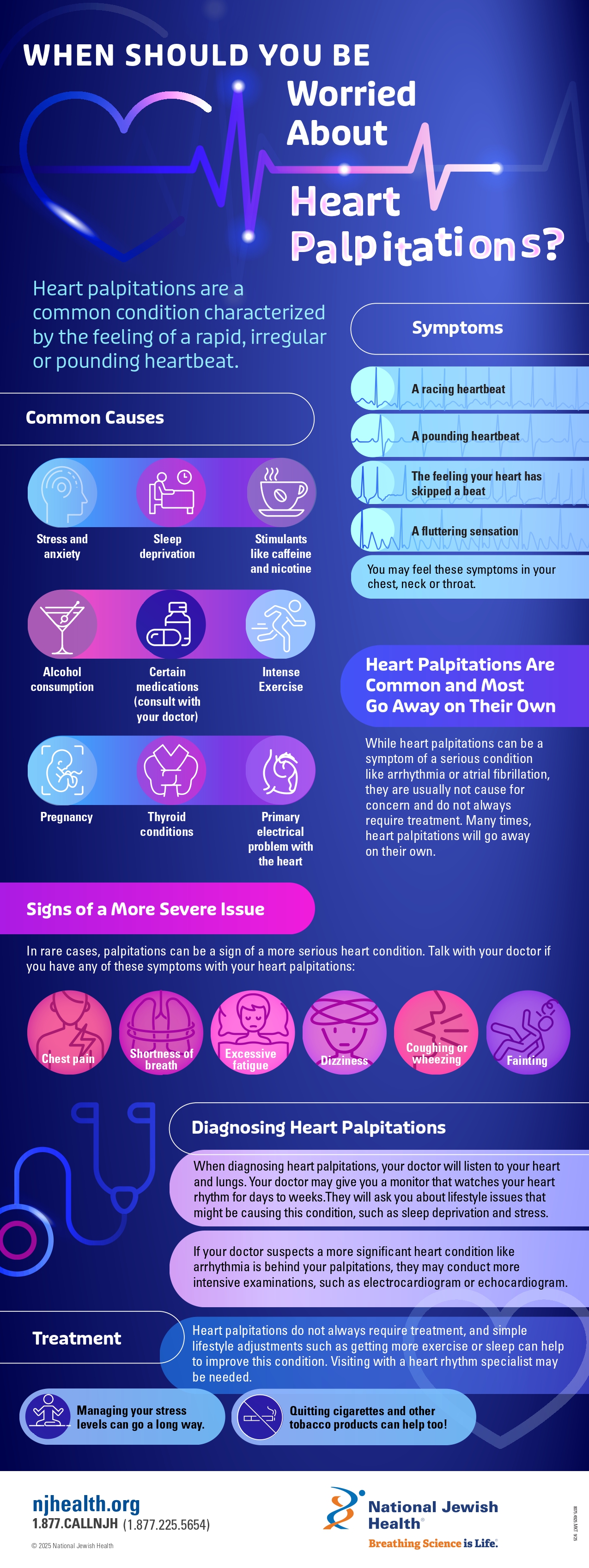
While the "Alani heart palpitations" sensation is usually a temporary side effect of caffeine, it is vital to know when the symptom indicates a more serious issue. According to the Mayo Clinic, palpitations are generally not harmful unless they are accompanied by specific "red flag" symptoms.
Common Caffeine-Induced Palpitations:
- A "skipping" sensation in the chest.
- A brief fluttering (like a butterfly in the chest).
- A rapid but regular heartbeat that subsides as the drink wears off.
Serious Symptoms Requiring Medical Attention:
- Chest Pain or Pressure: This could indicate myocardial ischemia or other cardiac distress.
- Fainting (Syncope) or Severe Dizziness: Suggests that the heart's rhythm is so disrupted that it isn't pumping blood effectively to the brain.
- Shortness of Breath: Feeling unable to catch your breath while resting.
- Duration: Palpitations that last for several hours or occur even when caffeine is not consumed.
How to Manage and Prevent Palpitations
If you enjoy the flavors and performance benefits of Alani Nu but want to avoid the cardiovascular discomfort, consider these strategic adjustments.
1. Never Drink on an Empty Stomach
Food slows the gastric emptying process. By consuming a meal containing fats or complex carbohydrates before your energy drink, you slow the rate at which caffeine enters your bloodstream, leading to a more gradual rise in heart rate rather than a "spike."
2. The "Half-Can" Rule
There is no rule stating you must finish a 12oz can in one sitting. Many users find that sipping half a can (100mg of caffeine) provides the desired energy boost without triggering the 200mg threshold for palpitations.
3. Monitor Your Cumulative Daily Intake
The FDA guidelines suggest that for healthy adults, 400mg of caffeine a day is the maximum amount generally not associated with dangerous effects. If you drink an Alani Nu (200mg) plus two cups of coffee later in the day, you have reached that limit. Palpitations are often the body's warning sign that the daily cumulative limit has been exceeded.
4. Hydration and Potassium
Caffeine can cause a slight shift in electrolytes. Ensuring you are well-hydrated and have adequate potassium and magnesium levels can help stabilize the electrical impulses in the heart, making it less prone to the "misfires" that cause palpitations.
Expert Guidance: When to See a Doctor
If you experience recurrent palpitations from Alani Nu, it is worth discussing with a healthcare provider to rule out underlying conditions. Conditions like Mitral Valve Prolapse (MVP) or Postural Orthostatic Tachycardia Syndrome (POTS) can be significantly exacerbated by high-stimulant energy drinks. A doctor may perform an EKG (Electrocardiogram) or suggest a Holter monitor to ensure that the palpitations are indeed "benign premature ventricular contractions" (PVCs) caused by caffeine and not a more complex arrhythmia.
Disclaimer: This information is for educational purposes and does not constitute medical advice. Consult a medical professional regarding heart health or before starting high-stimulant supplements.
Frequently Asked Questions
Why does Alani Nu give me heart palpitations but coffee doesn't?
This is usually due to the concentration and speed of delivery. You might sip a hot cup of coffee over 30 minutes, whereas an Alani Nu is often consumed quickly as a cold beverage. Additionally, Alani Nu contains 200mg of caffeine anhydrous, which is absorbed faster than the natural caffeine found in coffee beans.
How long do caffeine-induced palpitations last?
Caffeine has a half-life of approximately 5 to 6 hours. This means if you consume 200mg at noon, 100mg is still in your system at 6:00 PM. Palpitations usually peak within 30 to 60 minutes of consumption and should subside as the caffeine blood concentration drops, but sensitive individuals may feel "fluttery" for several hours.
Is Alani Nu safe for teenagers?
The American Academy of Pediatrics generally advises against energy drink consumption for children and adolescents. Because teenagers typically have lower body weights and developing cardiovascular systems, the 200mg dose in an Alani Nu can be much more taxing on their hearts than on an adult's, significantly increasing the risk of palpitations and tachycardia.
Can L-Theanine in Alani Nu actually cause palpitations?
No, L-Theanine is a non-stimulatory amino acid that generally reduces heart rate and promotes relaxation. If you are experiencing palpitations, it is the caffeine anhydrous and guarana, not the L-Theanine.
Does Alani Nu contain more caffeine than Monster or Red Bull?
Yes, per ounce, Alani Nu is significantly more potent. A 12oz Alani Nu contains 200mg of caffeine (approx. 16.6mg/oz), while a standard 16oz Monster contains 160mg (10mg/oz) and an 8.4oz Red Bull contains 80mg (approx. 9.5mg/oz).
Summary Recommendation
If you are experiencing "Alani heart palpitations," the most effective action is to reduce your dosage. Start by consuming only half a can to see if your cardiovascular system tolerates 100mg better than 200mg. Always pair energy drink consumption with adequate water intake and a meal. If palpitations persist even at lower doses, or if they are accompanied by dizziness and chest pain, discontinue use immediately and consult a cardiologist to ensure your heart is fit for high-stimulant intake.