Mastering airline hacks that change your travel requires a shift from passive booking to strategic navigation of airline systems, loyalty structures, and operational realities. By understanding how to leverage fare alerts, optimizing seat selection through data-driven tools, and navigating international consumer protection laws, travelers can consistently improve their flight experiences, reduce costs, and minimize the friction inherent in modern air transport.
Understanding Dynamic Pricing and Booking Mechanics
The foundation of "hacking" air travel lies in understanding that airline pricing is rarely static. It is governed by sophisticated revenue management systems that adjust costs based on demand, velocity of bookings, and historical data. To effectively change your travel experience, you must first control how and when you book.
The Myth of the "Magic Day"
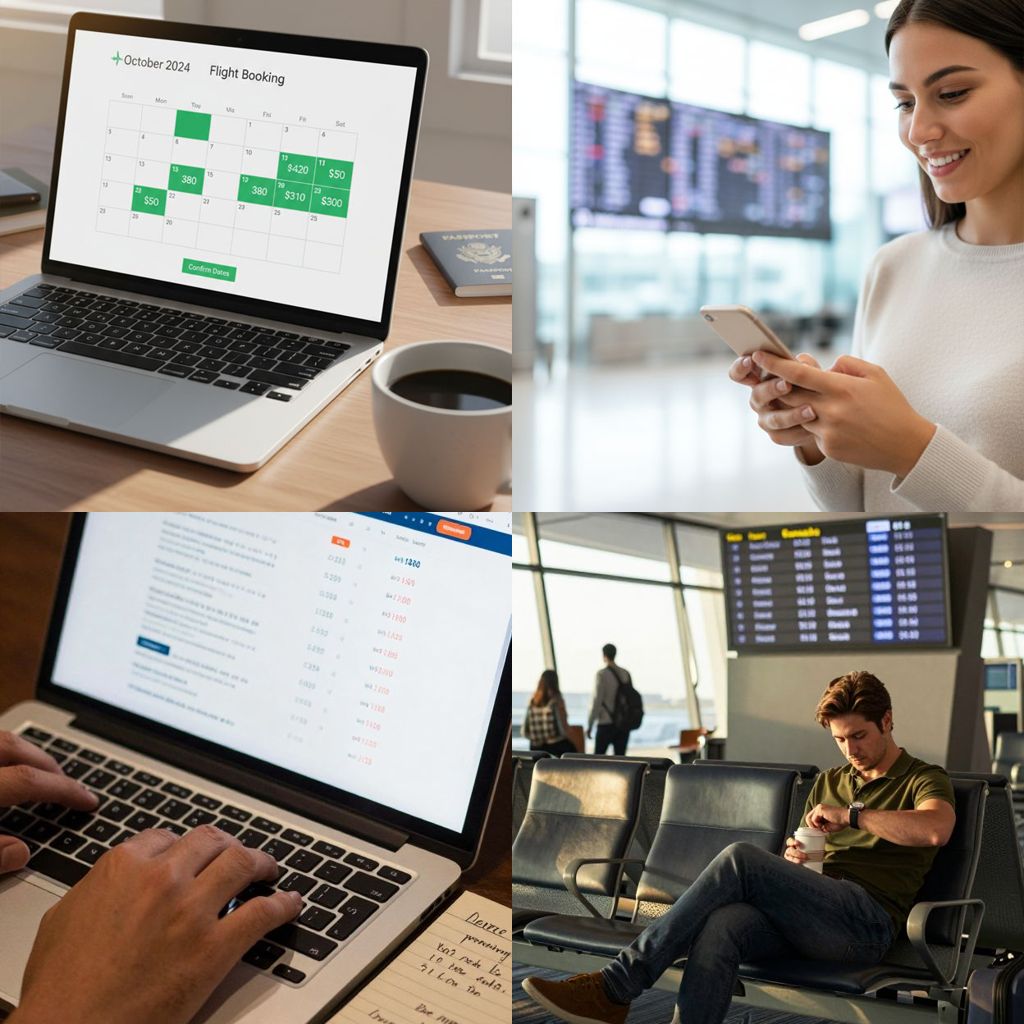
Many travelers search for a single, perfect day to book tickets, often citing midweek departures or specific days of the week for purchasing. In 2026, airline pricing has become increasingly granular. While booking on a Tuesday is a persistent piece of folklore, true efficiency comes from utilizing flexible date calendars. Most airline search engines allow you to view a month-long grid of prices. Prioritizing flexibility—shifting your departure by 24 to 48 hours—is the single most effective "hack" for reducing costs, often saving travelers hundreds of dollars on long-haul routes.
Fare Alerts and Price Tracking
Instead of manually checking prices, rely on programmatic tracking. Services like Google Flights allow you to set specific trackers for your preferred routes. By turning on email notifications, you receive immediate updates when fares drop. The key to this hack is acting when the notification arrives. Airline pricing algorithms often trigger price increases based on the number of searches for a specific route; thus, setting trackers and searching in "Incognito" or private browsing modes—while not a guaranteed way to lower prices—prevents cookies from potentially skewing results based on your past search history.
Optimizing Seat Selection and Cabin Comfort
Once a ticket is secured, the secondary goal is maximizing comfort. Airline cabins are not created equal, and where you sit significantly impacts your ability to rest, your access to amenities, and your speed of disembarkation.
Data-Driven Seat Selection
Before selecting your seat, utilize specialized databases like SeatGuru or AeroLOPA. These platforms provide detailed layouts for specific aircraft configurations. Not all "Economy" seats are the same; some have limited recline, are located near noisy lavatories, or suffer from misaligned windows. Identifying these technical limitations before you finalize your booking—or before you pay for an upgrade—can prevent a substandard experience.
The "Empty Middle Seat" Strategy
On flights that are not fully booked, there is a legitimate strategy to increase personal space. If you are traveling with a companion, book the aisle and the window seats in a three-seat row. Most travelers prefer to avoid the middle seat, leaving it as the last to be occupied. If the flight does not sell out completely, you are statistically more likely to end up with an empty seat between you, significantly increasing your legroom and overall comfort.
Leveraging Loyalty Programs and Status
Airline loyalty is often misunderstood as merely "collecting points for free flights." In reality, the most valuable "hack" for frequent travelers is the acquisition of elite status, which provides tangible, operational benefits regardless of the fare class paid.
Elite Benefits and Priority Services
Elite status provides more than just extra miles; it grants access to priority check-in, expedited security lines (such as TSA PreCheck or international equivalents), and priority boarding. These benefits effectively "hack" the time spent navigating the airport. Even entry-level status often includes a free checked bag, which can save a traveler $30–$50 per flight. When selecting an airline loyalty program, prioritize the carrier with the largest presence at your home airport to ensure you can utilize these benefits consistently.
Credit Card Synergy
In 2026, the intersection of credit card rewards and airline status remains the most potent tool for the savvy traveler. Many premium travel credit cards offer "transfer partners," allowing you to move points into frequent flyer programs. This provides a hedge against inflation in ticket prices. By transferring points to airline partners during promotional windows—often offering 20% to 30% bonus miles—you can effectively reduce the cost of premium cabin redemptions.
Understanding Consumer Protection and Recourse
A major component of changing your travel is knowing your rights when things go wrong. Travel disruptions are inevitable, and how you respond determines the difference between a ruined trip and a managed delay.
EU Regulation 261/2004 and Similar Frameworks
If you travel to, from, or within the European Union, you are protected by Regulation 261/2004. This mandate requires airlines to compensate passengers for significant delays or cancellations within their control. Many travelers fail to claim this compensation because they are unaware of the specific eligibility criteria. If your flight is delayed by more than three hours, or if you are bumped due to an overbooked flight, you may be entitled to cash compensation, not just travel vouchers.
Documenting Disruptions
Keep a digital log of all communications with the airline. If you are forced to incur out-of-pocket expenses due to a carrier-caused delay—such as meals, hotel stays, or ground transportation—ensure you retain itemized receipts. Airlines are often legally obligated to reimburse these costs under their Conditions of Carriage, but you must be prepared to submit a formal, documented request.
Strategic Comparison of Travel Hacks
| Strategy | Primary Benefit | Effort Required | Potential ROI |
|---|---|---|---|
| Flexible Date Searches | Reduced base fare | Low | High |
| Seat Map Databases | Improved comfort | Medium | Medium |
| Elite Status Pursuit | Priority/Time Savings | High | High |
| Regulatory Compensation | Financial Recourse | Medium | Very High |
| Point Transfer Bonuses | Lower Redemption Costs | Medium | High |
Frequently Asked Questions
Does clearing my browser cookies really help me get cheaper flights?
The theory that airlines track your searches to inflate prices specifically for you is widely debated. While airline pricing is dynamic, it is usually driven by aggregate demand rather than individual user data. However, using a clean browser or Private mode ensures you aren't seeing cached, outdated prices, which is a practical way to ensure you are seeing the latest inventory.
Is it better to book directly with the airline or through an OTA?
For the average traveler, booking directly with the airline is superior. If a flight is canceled or changed, the airline has full authority to rebook you immediately. If you book through an Online Travel Agency (OTA), you become the agent's customer, and the airline cannot always assist you directly, which creates a significant barrier when troubleshooting disruptions.
How can I reliably get an exit row seat?
Exit rows are highly coveted for their legroom. Some airlines charge a premium for these seats at booking, while others reserve them for elite status members until check-in. If you do not have status, set an alert for your check-in window. Accessing the airline app exactly 24 hours before departure often allows you to secure these seats before they are released to the general public or airport staff.
Do hidden-city ticketing hacks work?
"Hidden-city" ticketing involves booking a flight that connects through your actual destination and simply getting off at the layover. While this can sometimes be cheaper, it is fraught with risks. If you skip any leg of your ticket, the airline will automatically cancel all subsequent segments. Furthermore, you cannot check bags, as they will be routed to the final destination. It is a high-risk strategy that is not recommended for most travelers.
What should I do if my flight is canceled last minute?
Do not wait in the physical line at the gate. While everyone else is standing in line to speak with an agent, call the airline’s international customer service line or use their mobile app’s chat function. Support representatives on the phone or via chat have the same capabilities as gate agents but are often significantly easier to reach during mass disruptions.
Final Recommendation: Proactive Management
The most impactful "hack" is to transition from being a passenger who lets the airline dictate the experience to a traveler who manages the itinerary. Before your next trip, confirm your seat selection using an independent database, ensure your frequent flyer number is attached to your reservation, and keep a digital copy of your passenger rights handy. By combining these technical steps with a proactive communication strategy during disruptions, you will significantly change the quality and reliability of your future travel.