Professional air duct mold remediation in Bay St. Louis, MS, involves a systematic process of inspection, containment, mechanical cleaning, and antimicrobial treatment to eliminate fungal growth within HVAC systems. Due to the high humidity of the Mississippi Gulf Coast, specialized HEPA-filtered vacuuming and moisture control are required to ensure long-term indoor air quality and system efficiency.
For homeowners and property managers in Bay St. Louis, the combination of coastal humidity and seasonal temperature fluctuations creates an ideal breeding ground for mold within air distribution systems. Mold in air ducts is more than a maintenance nuisance; it is a significant indoor air quality (IAQ) concern that can lead to respiratory issues, persistent odors, and mechanical failure of expensive HVAC components. In 2026, the standards for remediation have evolved to integrate more advanced filtration and real-time air quality monitoring, ensuring that Mississippi residents can breathe easier in their homes and businesses.
Understanding the Mold Risk in Bay St. Louis, Mississippi
The geography of Bay St. Louis presents unique challenges for HVAC systems. Located directly on the Gulf of Mexico, the city experiences average relative humidity levels that frequently exceed 70%, even during the cooler months. When this humid air enters an air conditioning system, it encounters cold surfaces—primarily the evaporator coils and the interior of the ductwork. This temperature differential leads to condensation.
If a system is not sized correctly, or if the ductwork is poorly insulated, this standing moisture provides the necessary hydration for dormant mold spores to activate. In the "Bay City," common mold species found in ductwork include Cladosporium, Aspergillus, and Penicillium. While these are common in the environment, their proliferation inside a confined, dark, and damp space like a duct system allows them to release mycotoxins and allergens directly into the living space every time the blower motor engages.
Furthermore, the salt-laden air characteristic of Hancock County can lead to premature corrosion of metal ductwork and coil fins. This pitting and oxidation create microscopic crevices where dust and organic matter accumulate, providing a food source for mold colonies. Remediation in this region must account for these environmental variables to be effective.
Signs Your Air Ducts Need Mold Remediation
Identifying a mold problem early can prevent the need for a full system replacement. In the Bay St. Louis area, homeowners should be vigilant for several key indicators:
- Musty or Earthy Odors: A distinct "dirty sock" smell that intensifies when the AC or heater is running is often the first sign of microbial growth on the coils or within the duct lining.
- Visible Growth on Vents: Dark spots or fuzzy patches around the supply registers (the vents in your ceiling or walls) indicate that spores are likely present throughout the trunk lines.
- Unexplained Health Symptoms: If residents experience increased allergy symptoms, asthma flare-ups, or persistent coughing that improves when leaving the home, the HVAC system may be the culprit.
- Excessive Dust Accumulation: While not always mold, heavy dust provides the organic "fuel" mold needs. If you see "cobwebs" of dust hanging from vents, moisture may be binding that dust together, facilitating mold growth.
It is important to distinguish between "surface dust" and "active fungal growth." A professional inspection using moisture meters and boroscopes is the only definitive way to confirm the presence of mold within the internal components of the system.
The Professional Remediation Process (2026 Standards)
In 2026, air duct mold remediation follows strict protocols established by the National Air Duct Cleaners Association (NADCA) and the EPA. The process is significantly more involved than standard duct cleaning.
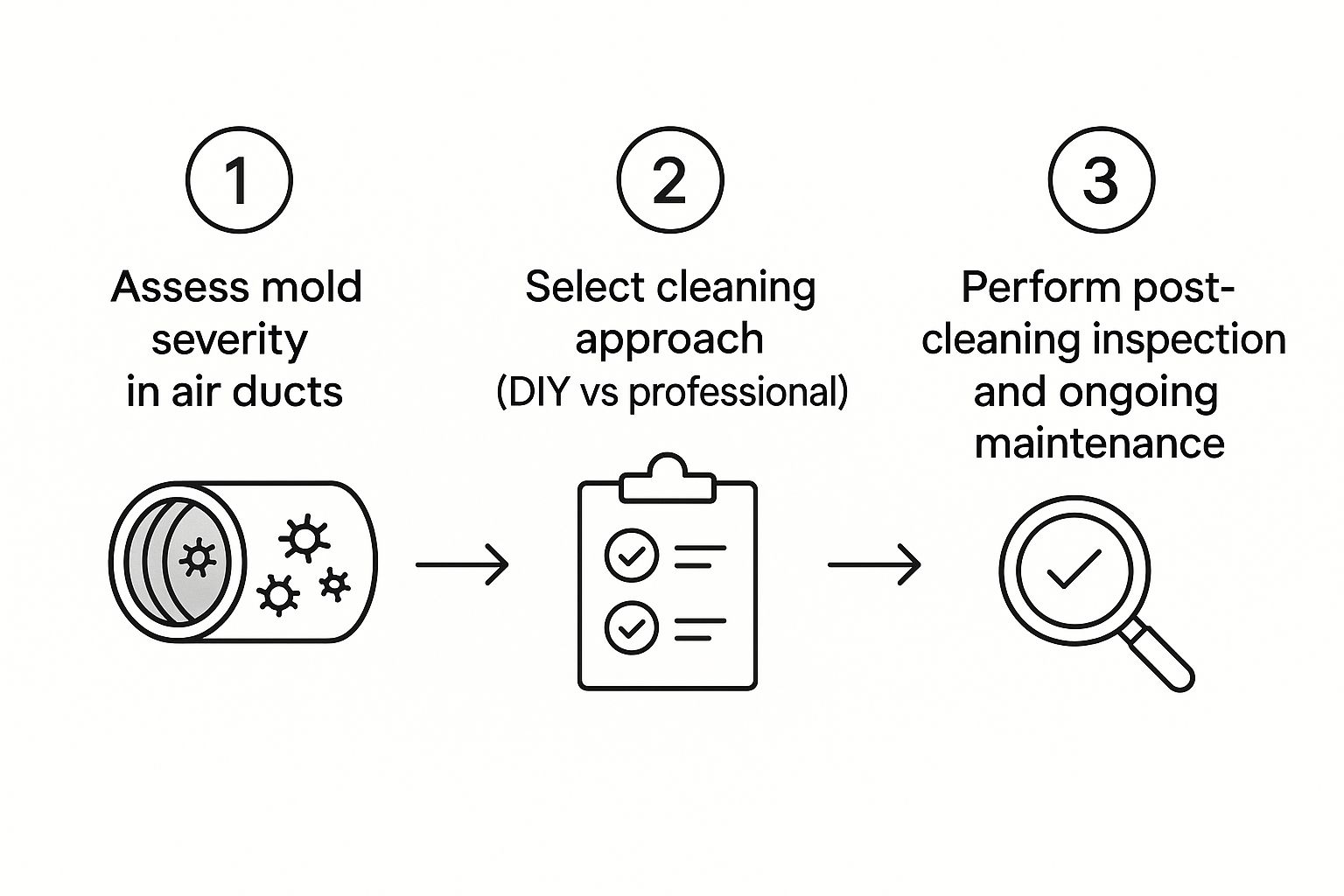
1. Comprehensive Inspection and Assessment
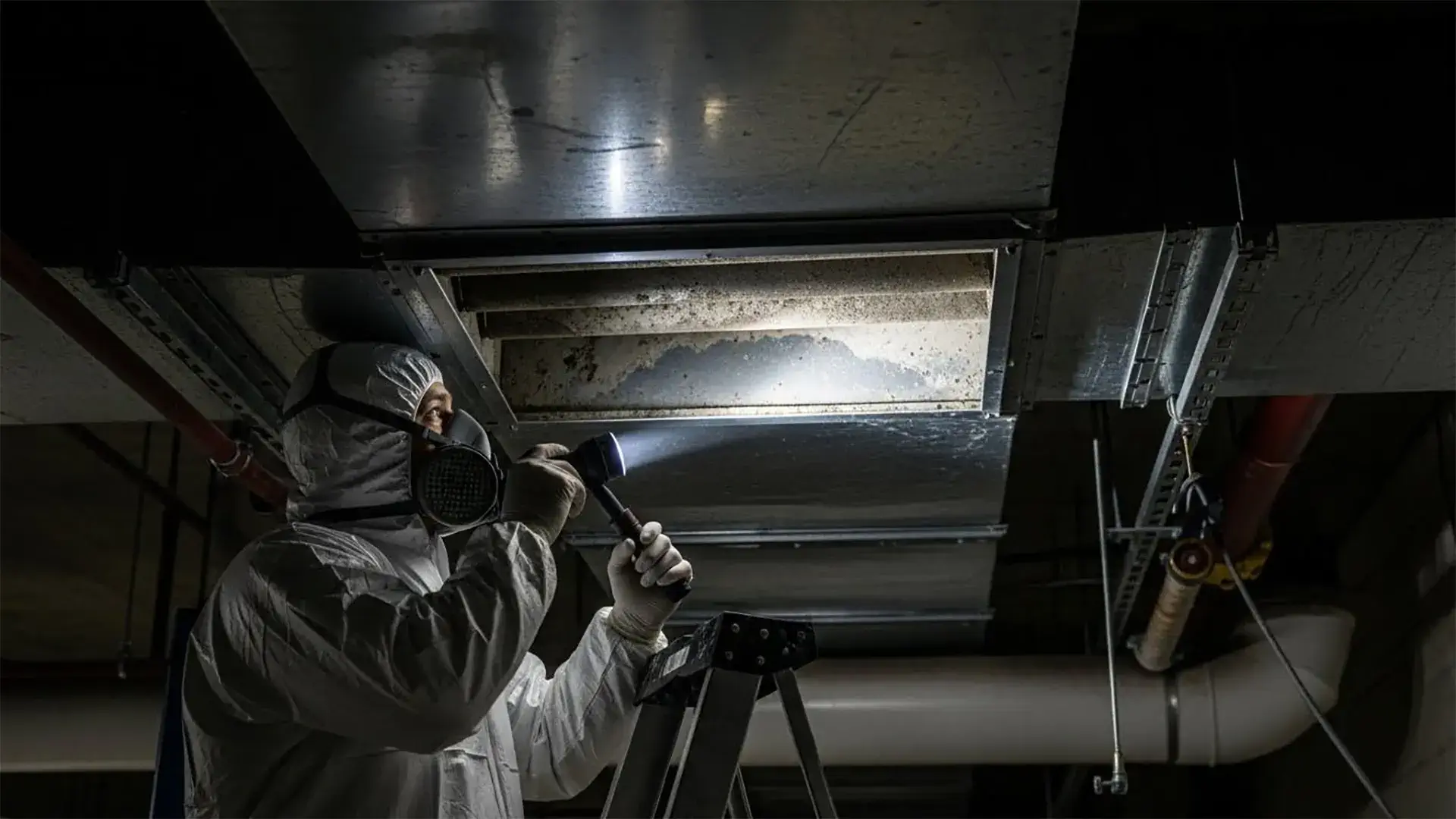
Before any cleaning begins, technicians use robotic cameras or fiber-optic boroscopes to inspect the entirety of the duct runs. They also check the air handling unit (AHU), the plenum, and the evaporator coils. In Bay St. Louis, professionals also assess the integrity of the vapor barrier on the exterior of the ducts, as breaches here are a common cause of localized condensation.
2. Containment and Negative Air Pressure
To prevent the cross-contamination of the home during the cleaning process, the work area must be contained. Technicians seal off all supply and return registers with adhesive plastic. A high-efficiency particulate air (HEPA) vacuum system is then attached to the main trunk line. This creates negative pressure, ensuring that any mold spores or debris loosened during the cleaning are pulled directly into the vacuum's filtration system rather than being blown into the living rooms or bedrooms.
3. Mechanical Agitation and Cleaning
The "remediation" part of the process involves the physical removal of the mold. This is achieved using various tools:
- Rotating Brushes: Motorized brushes that scrub the interior walls of the ducts.
- Air Whips and Skippers: High-pressure compressed air tools that dislodge stubborn colonies from corners and joints.
- Contact Vacuuming: For accessible areas, technicians use HEPA vacuums directly on the surfaces.
4. Sanitization and Antimicrobial Treatment
Once the ducts are physically clean, an EPA-registered antimicrobial solution is often applied. This treatment is designed to kill any remaining microscopic spores and inhibit future growth. In 2026, many Bay St. Louis contractors use botanical-based solutions, such as those derived from thyme oil, which provide high efficacy without the harsh chemical odors of traditional biocides.
5. System Restoration and Sealing
If the mold has compromised the fiberglass insulation (duct board) or the flex duct liners, these sections may need to be replaced. Mold cannot be fully removed from porous materials once it has deeply penetrated the fibers. Finally, the system is tested for proper airflow to ensure that the cleaning has restored the design specifications of the HVAC unit.
Comparing Remediation Tiers and Costs in Bay St. Louis
The cost of remediation in Hancock County varies based on the size of the home, the type of ductwork (metal vs. flex), and the severity of the infestation.
| Service Level | Description | Estimated Cost (2026) | Typical Duration |
|---|---|---|---|
| Level 1: Minor Remediation | Localized growth at vents or in the plenum; includes basic cleaning and sanitization. | $600 – $1,200 | 3 – 5 Hours |
| Level 2: Standard Whole-Home | Mold present throughout main trunk lines; full negative air setup and mechanical scrubbing. | $1,500 – $3,500 | 1 Full Day |
| Level 3: Advanced Remediation | Heavy infestation involving porous material removal and HVAC component deep-cleaning. | $4,000 – $7,500+ | 2 – 3 Days |
Note: These prices are estimates for 2026 and may vary based on specific labor rates and material costs at the time of service.
Coastal Considerations: Why DIY is Discouraged
Many homeowners in Bay St. Louis attempt to clean mold themselves using bleach and a shop vacuum. This is often counterproductive and potentially dangerous for several reasons:
- Inadequate Filtration: Standard shop vacuums do not have the HEPA filtration necessary to trap mold spores. Instead, they often suck up the mold and exhaust the spores back into the air in a more concentrated form.
- The Bleach Myth: Bleach is mostly water. While it may kill mold on non-porous surfaces like metal, the water content can actually soak into porous materials like drywall or duct board, feeding the mold roots (hyphae) that remain behind.
- Spread of Contamination: Without professional containment and negative pressure, the act of "scrubbing" the ducts releases millions of spores into the home's air, where they can settle on furniture, carpets, and bedding.
- Health Risks: Professional remediators use personal protective equipment (PPE), including N95 or P100 respirators and Tyvek suits, to prevent the inhalation of concentrated spores during the process.
Selecting a Certified Contractor in Hancock County
When searching for "air duct mold remediation in bay st louis ms," it is essential to vet providers based on their certifications and local reputation. Residents should look for:
- NADCA Certification: The Air Systems Cleaning Specialist (ASCS) certification is the gold standard for duct cleaning and remediation.
- Mississippi Mold Remediation License: Ensure the contractor is compliant with state regulations regarding mold assessment and removal.
- Insurance Coverage: The contractor should carry both general liability and specific environmental/pollution insurance.
- Local Knowledge: A contractor familiar with the Bay St. Louis climate will understand the necessity of checking for coastal-specific issues like salt-spray corrosion and high-velocity wind damage to attic ductwork.
For more information on national standards, homeowners can visit the Environmental Protection Agency (EPA) guide on mold or the National Air Duct Cleaners Association (NADCA).
Long-Term Prevention Strategies for Gulf Coast Homes
Remediation is only a temporary fix if the underlying cause—moisture—is not addressed. In the humid environment of Bay St. Louis, the following steps are vital to preventing a recurrence:
Maintain Humidity Levels
The indoor relative humidity should be kept between 30% and 50%. In 2026, many residents utilize whole-home dehumidifiers integrated into their HVAC systems. These units operate independently of the air conditioner to pull moisture from the air even when the cooling is not needed.
Regular Filter Changes
High-efficiency MERV 11 or MERV 13 filters should be used and changed every 60 to 90 days. These filters are capable of trapping mold spores before they ever enter the ductwork. However, ensure your HVAC system is rated for higher MERV filters, as they can sometimes restrict airflow if the blower motor is underpowered.
Annual HVAC Maintenance
Bi-annual "tune-ups" are essential in Mississippi. A technician should clean the condensate drain line and the evaporator coils every spring. A clogged drain line will cause water to back up into the ductwork, leading to rapid mold growth in the plenum.
UV-C Light Installation
Installing Ultraviolet (UV-C) germicidal lights inside the air handler can prevent mold from growing on the coils. These lights break down the DNA of mold spores, rendering them unable to reproduce. In the humid Bay St. Louis climate, this is a highly recommended upgrade during the remediation process.
Frequently Asked Questions
Does homeowner's insurance cover mold remediation in air ducts?
In Mississippi, insurance coverage for mold usually depends on the cause. If the mold resulted from a "sudden and accidental" event, such as a pipe bursting or a storm damaging the roof, it might be covered. However, mold resulting from high humidity, poor maintenance, or "wear and tear" is typically excluded from standard policies. Homeowners should check their specific policy for a "Mold Limitation" or "Fungi" endorsement.
How long does the remediation process take for a typical Bay St. Louis home?
For a standard three-bedroom, two-bathroom home, a professional remediation team can usually complete the process in 6 to 8 hours. If the system requires extensive component cleaning or if there is significant mold in the attic insulation, the process can extend to two days.
Can I stay in my home during the air duct remediation?
Yes, in most cases, you can remain in the home. Because professional contractors use negative air pressure and sealed containment, the spores are not released into the living areas. However, the equipment can be noisy, and there will be multiple hoses running through the house. People with severe respiratory sensitivities may choose to leave the premises during the active cleaning phase.
How often should air ducts be cleaned in a coastal environment?
While NADCA generally recommends cleaning every 3 to 5 years, the coastal environment of Bay St. Louis may require more frequent inspections. If you live near the beach or in an area with high foliage, an inspection every 2 years is advisable to ensure that salt and organic debris are not accumulating.
Is the sanitizing chemical used in the ducts safe for pets and children?
Most reputable contractors in 2026 use EPA-registered antimicrobials that are rated for indoor use. Many of these are "low-VOC" or botanical. However, it is always recommended to keep pets and children out of the immediate work area until the product has dried and the system has been cycled.
Practical Recommendation for Residents
If you suspect mold in your HVAC system, do not wait for the symptoms to worsen. Start by performing a visual inspection of your vents and the area around your indoor air handler. If you see discoloration or smell a persistent musty odor, contact a certified professional for a moisture assessment. In the unique climate of Bay St. Louis, MS, proactive remediation is the most cost-effective way to protect both your health and your property's value. Ensure any quote you receive includes a detailed scope of work that follows NADCA ACR standards to ensure the job is done right the first time.