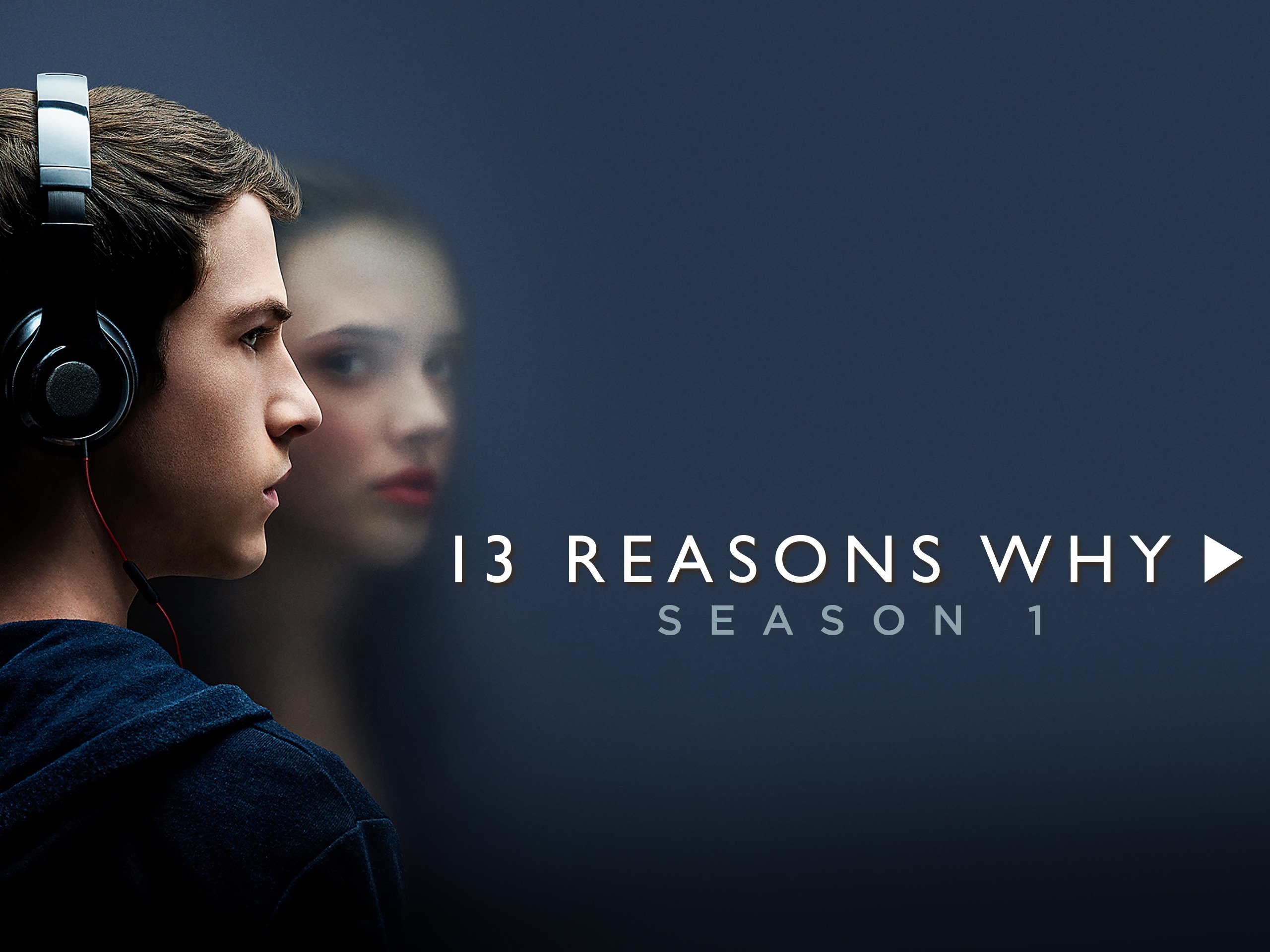
Ainsley Bailey portrays Casey Ford in the third season of the Netflix original series 13 Reasons Why. As a member of the student-led activist group "Hands Off" (HO), Casey is a vocal and often radical advocate for survivors of sexual assault, challenging the school’s administration and student body to address systemic toxic masculinity.
The introduction of Casey Ford in Season 3 marked a significant shift in the narrative trajectory of 13 Reasons Why. While the earlier seasons focused heavily on the aftermath of Hannah Baker’s death, the third season pivoted toward a murder mystery involving Bryce Walker, while simultaneously diving deeper into the sociopolitical climate of Liberty High. Ainsley Bailey’s character became the face of a specific type of student activism—one that was uncompromising, intense, and frequently at odds with the more moderate approaches of her peers.
The Character of Casey Ford: An Overview
Casey Ford is introduced as an intellectual and fiercely principled student at Liberty High. Her primary association is with the "Hands Off" organization, a group of female students dedicated to dismantling the "jock culture" that they believe protected predators like Bryce Walker and Marcus Cole. Unlike some of the other characters who found themselves accidentally entangled in the school's drama, Casey was a deliberate participant in the social upheaval of the school.
Ainsley Bailey brought a specific gravity to the role. Casey is often depicted as the moral compass that has been calibrated to "extreme." She is not interested in incremental change or making friends with the administration; she wants a complete overhaul of how the school handles sexual misconduct. This puts her in direct contact—and often conflict—with Jessica Davis, who is also a survivor and an activist but who struggles with the weight of leadership and the complexities of her own personal life.
The Role of "Hands Off" (HO) at Liberty High
The "Hands Off" group was a crucial plot device in Season 3. It represented the real-world rise of youth-led activism seen in the late 2010s. Within the show, HO served several functions:
- A Support System: It provided a space for survivors to speak their truths.
- A Political Force: It organized protests, such as the demonstration during the homecoming game.
- A Source of Conflict: It highlighted the internal divisions within activist circles, particularly between those who favor radical disruption (Casey) and those who seek reform through existing channels (Jessica).
Casey Ford was often the one pushing for the most aggressive actions. Her character was designed to ask the audience: "How far is too far when fighting for what is right?" Through Bailey’s performance, we see a young woman who is exhausted by the status quo and willing to burn bridges to force a change.
Ainsley Bailey’s Performance and Career Context
Before landing the role of Casey Ford in 13 Reasons Why, Ainsley Bailey was perhaps best known for her work on the Disney Channel. She played the recurring role of Dina Garcia on Shake It Up, starring alongside Zendaya and Bella Thorne. The transition from a bubbly, comedic Disney role to the gritty, intense environment of a Netflix teen drama is a testament to Bailey’s range as an actress.
In 13 Reasons Why, Bailey had to navigate a character that was not always "likable" in the traditional sense. Casey could be abrasive and judgmental, even toward her allies. Bailey managed to ground these traits in a palpable sense of justice. She didn't play Casey as a villain, but as someone who felt the urgency of the moment more acutely than anyone else. This nuance was essential for the show’s exploration of how trauma can manifest as anger and a demand for immediate accountability.
Comparison of Student Activism Styles in 13 Reasons Why
To understand Casey Ford’s impact, it is helpful to compare her approach with other key figures in the Liberty High social landscape during Season 3.
| Character | Primary Affiliation | Activism Style | Key Conflict |
|---|---|---|---|
| Casey Ford | Hands Off (HO) | Radical/Disruptive | Clashed with Jessica over "moderate" tactics and inclusivity. |
| Jessica Davis | Student Body President / HO | Reformist/Leadership | Balanced personal healing with public leadership. |
| Ani Achola | New Student / Investigator | Observational/Pragmatic | Focused on uncovering the truth of Bryce's death rather than systemic change. |
| Tyler Down | Survivor / Student | Personal/Rehabilitative | Focused on individual recovery and documenting life through photography. |
Key Narrative Moments for Casey Ford
Casey’s most significant contributions to the plot occurred during the protests against the football team and the school’s general apathy toward sexual assault. One of the most memorable sequences involves the HO group’s disruption of a school assembly and the subsequent fallout.
The Homecoming Protest
The climax of Casey’s arc in Season 3 is the protest at the homecoming game. This was a moment where the tension between the athletes (the "Hillcrest" and "Liberty" players) and the activists reached a breaking point. Casey was a primary organizer of the demonstration that led to a full-scale riot on the field. This moment was pivotal because it showed the physical consequences of the ideological war happening at the school. While Casey viewed the riot as a necessary disruption of a toxic celebration, other characters viewed it as a dangerous escalation that put people in harm's way.
Internal Friction with Jessica Davis
Throughout Season 3, Casey often serves as a foil to Jessica Davis. While Jessica is the "face" of the movement, Casey is often the "engine" behind the scenes, pushing Jessica to be bolder. However, Casey’s lack of empathy for Jessica’s personal struggles—specifically Jessica’s complicated feelings regarding Bryce Walker and her relationship with Justin Foley—creates a rift. This dynamic explored the difficulty of maintaining a unified front in political movements when individual members have differing personal boundaries.
The Thematic Importance of Casey Ford in Season 3
By 2026, looking back at the series, the introduction of characters like Casey Ford is seen as an attempt by the writers to ground the show’s increasingly dramatic plot in real-world social movements. Season 3 was criticized by some for its pivot to a murder mystery, but the sub-plot involving Ainsley Bailey’s character provided a tether to the show’s original mission: discussing the culture that allows sexual violence to persist.
Casey Ford represents the "angry survivor"—a trope that is often dismissed in media but was given a platform in 13 Reasons Why. She refuses to be "pleasant" or "forgiving." In the context of the show, where so much emphasis was placed on the "redemption" of Bryce Walker, Casey’s refusal to engage in that narrative was vital. She was the voice saying that some things are unforgivable and that the system itself is the problem, not just one "bad apple."
Ainsley Bailey Beyond 13 Reasons Why
Following her stint on the show, Ainsley Bailey has continued to work in various capacities within the entertainment industry. While 13 Reasons Why remains one of her most high-profile roles due to the show's global reach and controversial nature, her career has spanned voice work, independent film, and television guest spots.
Her performance as Casey Ford remains a highlight for fans of the series who appreciated the show's move toward exploring collective action. Bailey’s ability to hold her own in a large ensemble cast—many of whom had been on the show since the pilot—spoke to her professionalism and skill.
Filmography and Notable Roles (Contextualized to 2026)
- Shake It Up (2011–2013): Her breakout role as Dina Garcia.
- 13 Reasons Why (Season 3, 2019): Her role as Casey Ford, providing a radical voice for student activism.
- Various Voice Acting Roles: Bailey has utilized her distinct voice for several animated projects and commercials, a common path for versatile actors in the 2020s.
- Independent Cinema: Post-2020, Bailey has been involved in smaller, character-driven projects that allow for the same level of intensity she brought to 13 Reasons Why.
Why Casey Ford Was a Polarizing Character
It is important to note that Casey Ford was not universally loved by the fanbase. Some viewers found her character to be "too much" or felt that her radicalism was portrayed in a way that made her unsympathetic. However, this was largely the point. In a story about systemic failure, a character who is "too loud" or "too angry" serves to highlight how uncomfortable society becomes when confronted with the reality of trauma.
Critics of the character often pointed to her interactions with Ani Achola or her dismissal of Jessica’s nuances. Yet, from a storytelling perspective, Casey was necessary to represent the diversity of thought within activist communities. Not every activist is a diplomat, and Bailey’s portrayal captured that friction perfectly.
Summary of Ainsley Bailey's Contribution to the Series
Ainsley Bailey's time on 13 Reasons Why may have been concentrated in Season 3, but the impact of Casey Ford resonated through the remainder of the series' exploration of school culture. She provided a face for the "Hands Off" movement and challenged the protagonists to look beyond their own personal dramas toward a broader social responsibility.
For fans revisiting the series in 2026, Casey Ford stands out as a reminder of the era's focus on grassroots organizing and the complexities of the #MeToo movement in secondary education. Bailey’s performance remains a grounded, intense contribution to a show known for its high-stakes emotional storytelling.
Frequently Asked Questions
Who did Ainsley Bailey play in 13 Reasons Why?
Ainsley Bailey played Casey Ford in the third season of the series. Casey was a student at Liberty High and a prominent member of the "Hands Off" activist group.
Is Casey Ford in Season 4 of 13 Reasons Why?
No, Ainsley Bailey's character, Casey Ford, does not return as a primary character in Season 4. The final season focused more on the core group of students (Clay, Jessica, Justin, etc.) and their graduation, moving away from the "Hands Off" sub-plot that dominated Season 3.
What was the "Hands Off" group in the show?
"Hands Off" (often abbreviated as HO) was a student organization at Liberty High dedicated to supporting survivors of sexual assault and protesting the culture of toxic masculinity, particularly within the athletics department. Casey Ford was one of its most radical and vocal members.
What other shows has Ainsley Bailey been in?
Before 13 Reasons Why, Ainsley Bailey was well known for her role as Dina Garcia on the Disney Channel series Shake It Up. She has also appeared in various other television projects and has a background in theater and voice acting.
Why was Casey Ford's character controversial?
Casey was controversial because of her radical approach to activism. She often pushed for aggressive protests and had little patience for those who didn't share her uncompromising views, leading to friction with other popular characters like Jessica Davis.
Final Recommendation for Viewers
If you are interested in the evolution of social activism in modern media, pay close attention to Ainsley Bailey’s scenes in Season 3 of 13 Reasons Why. While the "who-killed-Bryce-Walker" mystery is the primary engine of the season, the ideological battles led by Casey Ford offer a more profound look at how young people navigate justice and trauma in the modern age. For those looking to see more of Bailey's work, exploring her transition from Disney’s Shake It Up to the more mature themes of Netflix provides a fascinating look at her development as an actress.