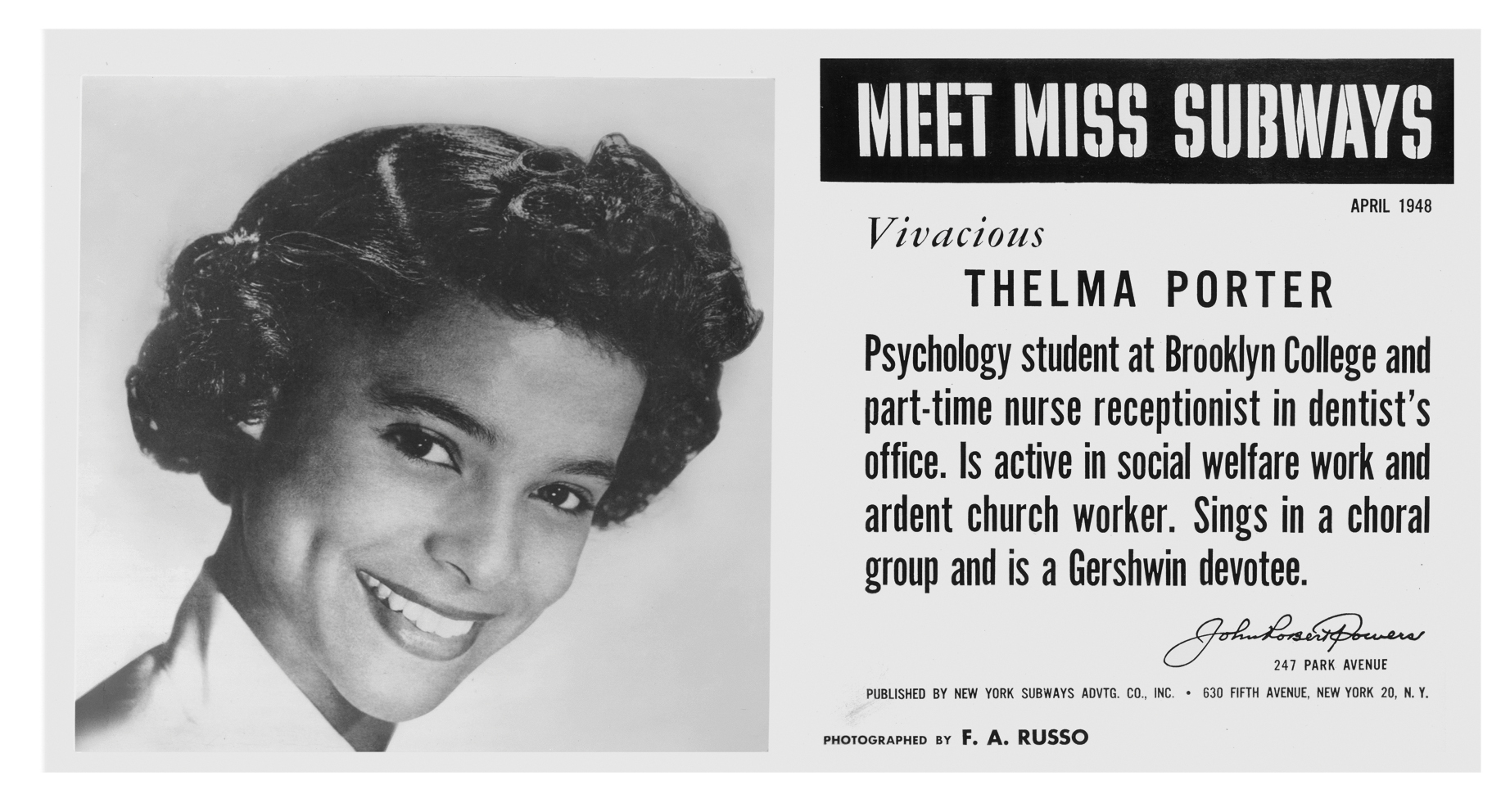
African American women have transformed the Miss America Organization from a symbol of racial exclusion into a platform for diverse representation and social advocacy. Beginning with Cheryl Browne’s historic entry in 1970 and Vanessa Williams’ groundbreaking win in 1983, these milestones have fundamentally redefined American beauty standards while providing essential scholarship and professional opportunities for Black women.
The history of the Miss America pageant is inextricably linked to the broader American struggle for civil rights and gender equality. For decades, the organization functioned as a mirror of a segregated society, explicitly excluding women of color through formal and informal barriers. However, the persistence of African American contestants and the subsequent success of Black titleholders have not only changed the face of the pageant but have also influenced national conversations regarding race, intelligence, and the definition of the "ideal" American woman. As of 2026, the legacy of these pioneers continues to shape the organization’s mission toward inclusivity and professional development.
The Era of Exclusion and Rule Number Seven
To understand the weight of African American milestones in Miss America, one must first acknowledge the formal barriers that existed for nearly half a century. From the pageant's inception in 1921 in Atlantic City, the event was designed to celebrate a specific, Eurocentric vision of femininity. This exclusionary practice was codified in the 1930s with the adoption of "Rule Number Seven."
Rule Number Seven explicitly stated that contestants must be "of the white race" and in good health. This rule remained an official part of the pageant's bylaws until the 1950s. Even after the formal removal of this language, the "whites-only" culture persisted through state-level qualifying pageants, which served as the gatekeepers for the national stage. During this era, women of color were relegated to menial roles within the pageant production or excluded entirely.
The social impact of this exclusion led to the creation of the Miss Black America pageant in 1968, founded by J. Morris Anderson. This alternative pageant was established as a direct protest against the Miss America Organization’s lack of diversity. It provided a necessary space for Black women to showcase their talent, intelligence, and beauty during a time when the mainstream stage was denied to them. The existence of Miss Black America put significant pressure on the Miss America Organization to integrate, signaling that the Black community would no longer accept being invisible in national celebrations of womanhood.
Breaking the Color Barrier: Cheryl Browne (1970)
The first major milestone occurred in 1970 when Cheryl Browne, representing Iowa, became the first African American woman to compete on the Miss America stage. Her participation was a watershed moment, coming nearly fifty years after the pageant’s founding. Browne, a talented dancer, did not place in the top ten, but her presence alone challenged the status quo.
Browne’s entry was not without controversy. She faced significant scrutiny and racist backlash, yet her poise and performance paved the way for future contestants. The significance of her milestone was not merely in her participation, but in the message it sent to young Black women across the country: the Miss America stage was no longer an exclusive enclave. Browne’s journey through the Miss Iowa system demonstrated that the path to the national title required navigating localized prejudices, a hurdle that many Black women would continue to face in the decades to follow.
Following Browne’s breakthrough, other Black women began to appear more frequently as state representatives. In 1971, Lencola Sullivan of Arkansas became the first African American woman to win a preliminary talent award and place in the top five, ultimately finishing as the fourth runner-up. These incremental steps were crucial in building the momentum necessary for a Black woman to finally claim the crown.
The Historic Crowning of Vanessa Williams (1983/1984)
The most significant milestone in the pageant’s history occurred on September 17, 1983, when Vanessa Williams, representing New York, was crowned Miss America 1984. Williams was the first African American woman to win the title, a moment that was viewed globally as a triumph for racial progress in the United States. She was a gifted vocalist and a student at Syracuse University, embodying the "beauty and brains" mantra that the organization sought to project.
Williams' reign was a dual-edged sword. While her win was celebrated, she also faced intense racial vitriol and death threats. Furthermore, her tenure ended in controversy when unauthorized nude photographs, taken prior to her pageant involvement, were published in Penthouse magazine. Under pressure from the organization, Williams resigned in July 1984, just weeks before her reign was set to conclude.
The impact of Vanessa Williams, however, transcended the controversy. She successfully transitioned into a highly decorated career in music, film, and theater, proving that the Miss America platform could serve as a legitimate springboard for professional success. In 2015, the Miss America Organization issued a formal apology to Williams on live television, acknowledging the unfair treatment she received during the 1984 crisis. This reconciliation marked a final, symbolic closure to a milestone that had both empowered and pained the Black community.
The Ascension of Suzette Charles
Upon Williams’ resignation, the first runner-up, Suzette Charles of New Jersey, took over the title. Charles, also an African American woman, became the second Black Miss America. This meant that for the final weeks of the 1984 term, the crown remained with a woman of color. Charles’ short but graceful tenure reinforced the idea that Williams’ win was not a fluke, but the beginning of a new era of diversity.
The 1990s: Consistency and "Back-to-Back" Wins
If the 1980s were about breaking the ceiling, the 1990s were about establishing a consistent presence. In 1990, Debbye Turner, representing Missouri, became the third African American Miss America. Turner, who was a veterinary student at the time, focused her platform on "The Power of Motivation." Her win was significant because it highlighted the academic and professional aspirations of Black contestants, moving the narrative away from strictly entertainment-based talents.
Just one year later, in 1991, Marjorie Judith Vincent of Illinois was crowned Miss America. This was the first time in history that two African American women won the title in consecutive years. Vincent, a law student, used her platform to advocate against domestic violence. The back-to-back wins of Turner and Vincent served as a definitive statement that the organization had moved past its exclusionary history and was judging contestants based on a modernized set of criteria.
The 1990s also saw the crowning of Kimberly Clarice Aiken (1994), who focused on homelessness. Aiken was only 18 at the time of her crowning, one of the youngest winners in the pageant’s history. Her win emphasized that young Black women were not only participating but were leading the conversation on complex socio-economic issues.
Milestones of the 21st Century and Miss America 2.0
As the pageant moved into the 2000s, African American winners continued to use the platform for high-level advocacy. Erika Harold (Miss America 2003) became one of the most politically active titleholders. A Harvard Law School graduate, Harold used her platform to discuss anti-bullying and sexual abstinence, later parlaying her visibility into a career in law and a run for public office. Her success demonstrated that the Miss America title could be a strategic asset for women pursuing careers in public policy and governance.
The evolution of the pageant reached a new phase in 2018 with the launch of "Miss America 2.0." This rebranding involved the removal of the swimsuit competition and a greater emphasis on the "social impact initiative" and the talent portion. The first winner of this new era was Nia Franklin (Miss America 2019), an African American opera singer and composer from New York.
Franklin’s win was particularly symbolic because it occurred exactly 35 years after Vanessa Williams’ win. Franklin emphasized the importance of arts education and used her year to advocate for the cultural contributions of Black musicians. Her reign coincided with a historic moment in 2019 when, for the first time, the winners of all five major pageants—Miss America, Miss USA, Miss Teen USA, Miss Universe, and Miss World—were all Black women. This "sweep" was a global milestone that signaled a profound shift in the perception of Black beauty and leadership.
Summary of African American Miss America Winners
The following table outlines the historic wins of African American women in the Miss America pageant, highlighting their state representation and primary platforms or impacts.
| Year | Name | State | Key Fact / Impact |
|---|---|---|---|
| 1970 | Cheryl Browne | Iowa | First African American contestant to compete at the national level. |
| 1984 | Vanessa Williams | New York | First African American woman crowned Miss America. |
| 1984 | Suzette Charles | New Jersey | First runner-up who assumed the title after Williams' resignation. |
| 1990 | Debbye Turner | Missouri | First winner to emphasize veterinary medicine and academic excellence. |
| 1991 | Marjorie Vincent | Illinois | Part of the first back-to-back win for Black women in pageant history. |
| 1994 | Kimberly Aiken | South Carolina | Focused national attention on the crisis of homelessness. |
| 2003 | Erika Harold | Illinois | Used the platform for political advocacy and anti-bullying legislation. |
| 2010 | Caressa Cameron | Virginia | Focused on HIV/AIDS prevention and awareness. |
| 2019 | Nia Franklin | New York | First winner of the "Miss America 2.0" era (no swimsuit competition). |
Societal Impact and Professional Development
The milestones achieved by African American women in Miss America have had a ripple effect far beyond the ballroom of Atlantic City or the television screen. The primary impacts can be categorized into three areas: cultural representation, scholarship access, and professional trajectory.
Redefining Beauty and Identity
For much of the 20th century, the "all-American girl" was synonymous with a specific Caucasian aesthetic. The success of Black women like Vanessa Williams and Nia Franklin challenged these Eurocentric norms. By showcasing a variety of hair textures, skin tones, and physical features, these women expanded the definition of American beauty. This shift has been vital for the self-esteem of young girls of color, who for the first time could see themselves reflected in one of the nation's most enduring cultural institutions.
Scholarship and Educational Advancement
The Miss America Organization is one of the largest providers of scholarship assistance for women in the world. For African American women, who historically faced greater barriers to financing higher education, these scholarships have been transformative. Winners like Marjorie Vincent and Erika Harold used their scholarship earnings to fund law degrees, while others pursued medical or master's degrees. This emphasis on education has helped dismantle the "pageant queen" stereotype, replacing it with the image of the Black female scholar-leader.
A Platform for Advocacy
The "Social Impact Initiative" (formerly the "Platform") has allowed Black Miss Americas to bring national attention to issues that disproportionately affect their communities. From Caressa Cameron’s work on HIV/AIDS to Kimberly Aiken’s focus on homelessness, these women have used the national spotlight to advocate for social justice and public health. This has positioned Miss America titleholders as credible spokeswomen and activists, rather than just ceremonial figures.
Frequently Asked Questions
Who was the first African American woman to compete in Miss America?
Cheryl Browne was the first African American woman to compete in the Miss America pageant. She represented the state of Iowa in 1970. Her participation was a historic break from the decades-long exclusion of Black women from the national stage.
Why was Rule Number Seven significant in Miss America history?
Rule Number Seven was a specific bylaw in the Miss America Organization that required contestants to be "of the white race." It was established in the 1930s and served as a formal tool for racial segregation. Although it was removed in the 1950s, its legacy of exclusion persisted for several years afterward.
How many African American women have won Miss America?
As of 2026, several African American women have held the title of Miss America. The list includes Vanessa Williams, Suzette Charles, Debbye Turner, Marjorie Judith Vincent, Kimberly Clarice Aiken, Erika Harold, Caressa Cameron, and Nia Franklin. Their wins represent roughly 10% of the total winners since the pageant's inception.
What happened to Vanessa Williams during her reign?
Vanessa Williams was the first Black Miss America, crowned in 1983. However, she resigned in July 1984 after unauthorized nude photos were published in Penthouse magazine. Despite this setback, she went on to have a legendary career in entertainment, and the Miss America Organization officially apologized to her in 2015.
What is the "Year of Black Beauty"?
The "Year of Black Beauty" refers to 2019, a historic moment when the titleholders of the five major beauty pageants—Miss America (Nia Franklin), Miss USA (Cheslie Kryst), Miss Teen USA (Kaliegh Garris), Miss Universe (Zozibini Tunzi), and Miss World (Toni-Ann Singh)—were all Black women simultaneously.
Practical Recommendations for Researchers and Enthusiasts
For those interested in the ongoing impact of African American milestones in the pageant world, the following actions are recommended:
- Consult Official Archives: The Miss America Organization and the Smithsonian Institution maintain records and artifacts related to the pageant's history, including the "Rule Number Seven" era and the gowns of historic winners.
- Support Local Scholarship Programs: Most Miss America titleholders begin at the local and state levels. Supporting these programs ensures that diverse candidates continue to have access to the scholarships and professional training the organization provides.
- Explore the Miss Black America Legacy: To get a full picture of the milestones, one should study the Miss Black America pageant, which continues to celebrate Black femininity and serves as a vital part of the broader narrative of African American excellence.
- Monitor "Miss America 2.0" Developments: As the organization continues to evolve in 2026, stay informed on how the removal of traditional phases (like the swimsuit competition) affects the recruitment and success of diverse candidates from various professional backgrounds.