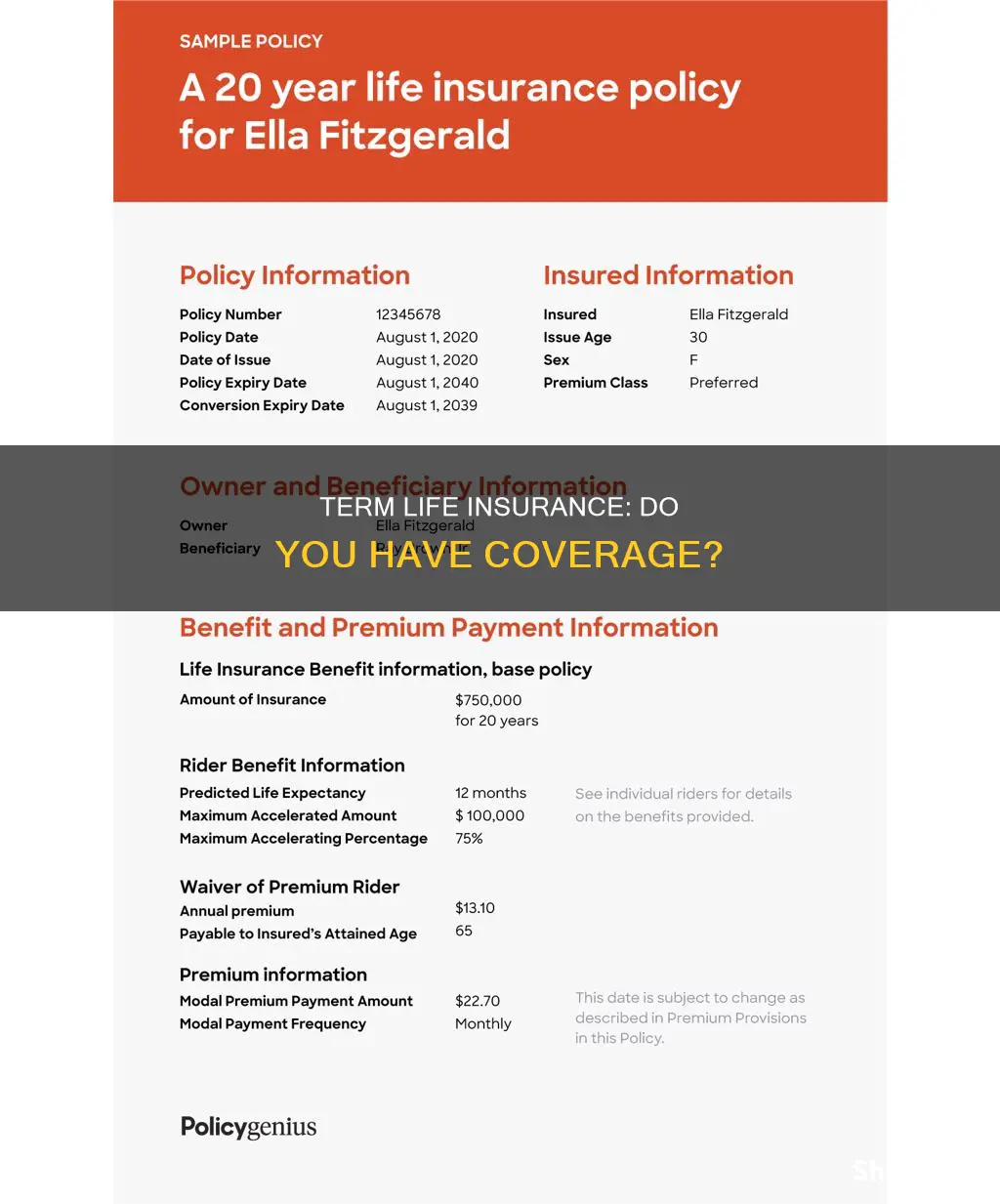
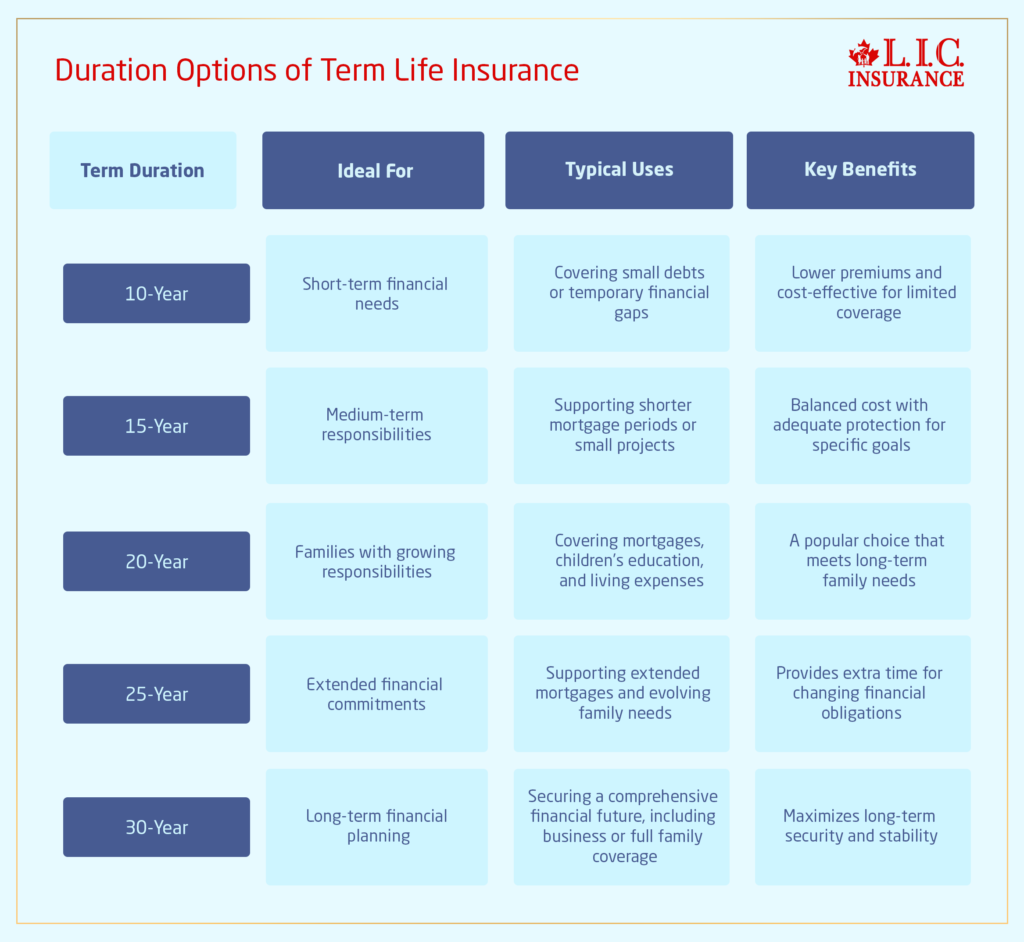
Affordable term life insurance provides a death benefit to beneficiaries if the policyholder passes away during a specified timeframe, typically ranging from 10 to 30 years. It offers a cost-effective way to secure financial protection for dependents, settle debts, or cover funeral expenses, provided the policy is active and premiums are paid throughout the chosen term.
The Mechanism of Term Life Insurance
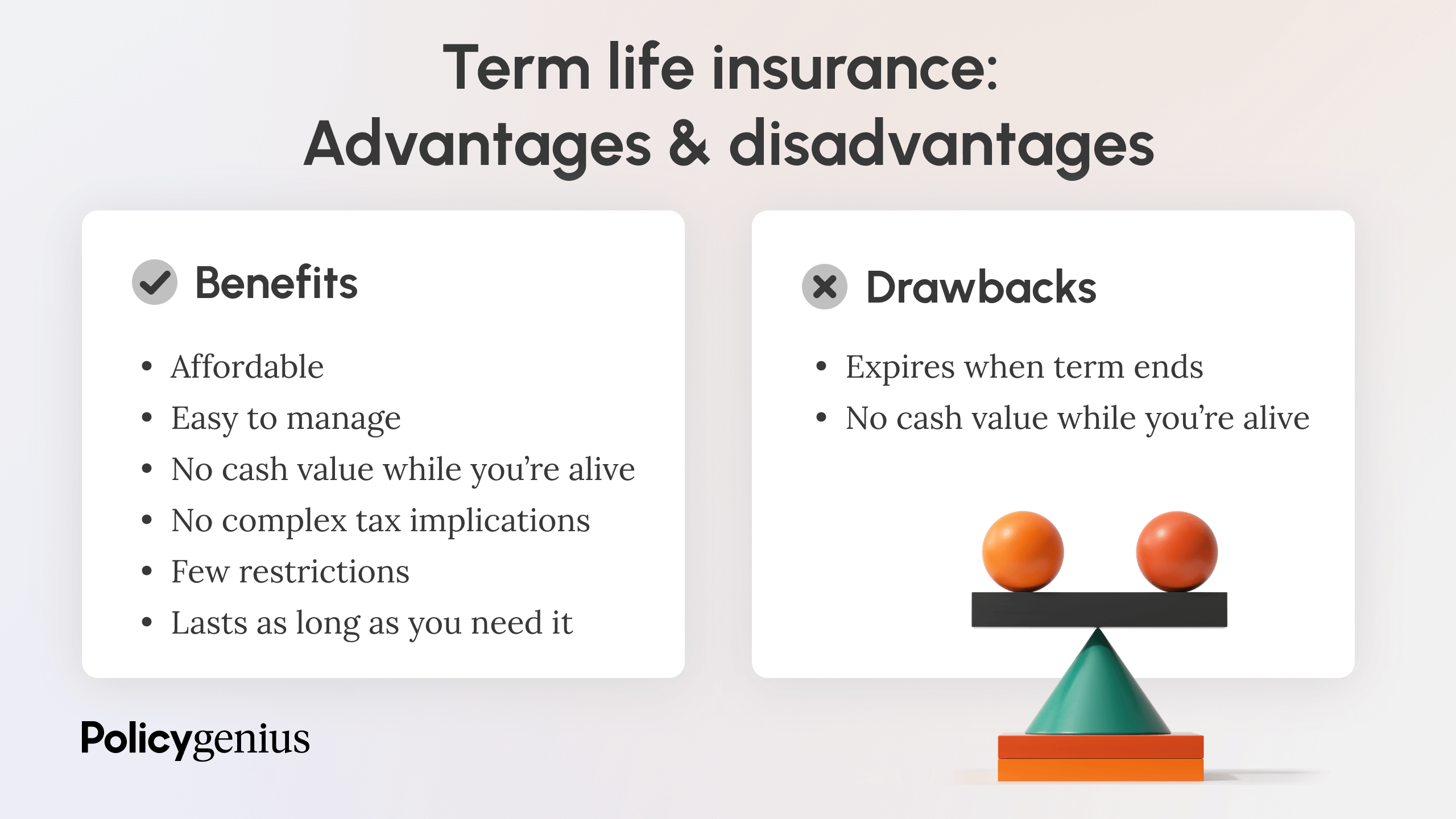
Term life insurance is frequently described as the most straightforward form of life insurance. Unlike permanent or whole life insurance, it does not accumulate a cash value or serve as an investment vehicle. Instead, it functions as a pure risk-transfer mechanism: you pay a premium in exchange for the insurer’s promise to pay a defined lump-sum benefit to your chosen beneficiaries if you die within the contract’s term.
Because these policies are temporary and do not include savings components, they are significantly more affordable than permanent policies. In 2026, the marketplace continues to favor term life for individuals seeking high coverage amounts at a low entry price, particularly for parents with young children, homeowners with mortgages, or professionals with significant debt who require coverage only until their financial liabilities decrease or disappear.
Determining the Cost of Coverage
The cost of an affordable term life insurance policy is determined by an actuary—a professional who assesses risk based on statistical data. While every insurer uses slightly different proprietary models, the fundamental variables remain consistent.
Age and Life Expectancy
Age is the primary driver of cost. As you grow older, the statistical likelihood of mortality increases, prompting insurers to raise premiums. Purchasing a policy in your 20s or 30s is objectively more affordable than securing the same level of coverage in your 50s. Once you lock in a rate for a "level term" policy, that premium remains constant for the entire duration of the term, regardless of changes in your health or age later on.
Health Status and Underwriting
Insurers categorize applicants based on risk classes. These classes are determined through medical underwriting, which often involves a review of your medical records and, in some cases, a paramedical exam that checks your height, weight, blood pressure, and blood glucose levels.
- Preferred Plus/Elite: Best health, lowest premiums.
- Standard: Average health, moderate premiums.
- Substandard: Health issues (such as diabetes or high blood pressure), which result in higher "rated" premiums.
Lifestyle and Occupational Risks
Insurers look for "hazardous" activities. If you are a professional skydiver, race car driver, or have a high-risk occupation, you may face higher premiums or specific exclusions. Conversely, non-smokers almost always qualify for significantly lower premiums than smokers, as tobacco use is highly correlated with long-term health complications.
Understanding Coverage Tiers
"Coverage" refers to the death benefit, which is the amount the insurance company pays to your beneficiaries. Choosing the right amount requires a realistic assessment of your financial obligations.
- Income Replacement: A common rule of thumb is to purchase 5 to 10 times your annual salary. This ensures your family can maintain their current standard of living if your income disappears.
- Debt Obligation: If you have a mortgage, student loans, or personal debts, your coverage should ideally account for the total balance of these liabilities.
- Future Obligations: Consider upcoming costs such as children's college tuition or long-term care for family members.
Comparison Table: Factors Influencing Term Insurance Premiums
| Factor | Impact on Premium | Rationale |
|---|---|---|
| Age | Significant Increase | Mortality risk increases with age. |
| Tobacco Use | High Increase | Higher correlation with chronic health issues. |
| Health Profile | Moderate to High | Underlying conditions affect life expectancy. |
| Term Length | Moderate Increase | Longer terms carry higher risk for the insurer. |
| Coverage Amount | Direct Increase | Higher payouts represent higher liability for the insurer. |
The Role of Riders and Customization
While the base policy provides a death benefit, many policyholders choose to add "riders"—optional provisions that customize the coverage. These may add small costs to your monthly premium but can be essential for comprehensive protection.
- Accelerated Death Benefit Rider: Allows you to receive a portion of the death benefit while you are still living if you are diagnosed with a terminal illness.
- Waiver of Premium Rider: Exempts you from paying premiums if you become totally disabled and cannot work.
- Children’s Term Rider: Provides a modest amount of coverage for your children under your existing policy.
- Conversion Rider: This is particularly valuable. It allows you to convert your term policy into a permanent (whole) life policy without having to undergo a new medical exam, regardless of your health status at the time of conversion.
Practical Steps to Securing a Policy
Securing affordable term life insurance in 2026 requires a structured approach to ensure you receive a fair price and adequate coverage.
- Calculate Your Need: Total your outstanding debts, estimated future expenses for dependents, and your income replacement goals.
- Shop Multiple Carriers: Use independent brokers or comparison tools. Different companies specialize in different risk profiles (e.g., some are more lenient with pre-existing conditions).
- Review the Financial Strength of the Insurer: Use ratings from agencies like A.M. Best or S&P Global to ensure the company has a strong reputation for paying claims.
- Complete the Application Truthfully: Misrepresenting your health or habits can result in the insurer denying a claim when your beneficiaries need it most.
- Set Up Automatic Payments: Lapsing on a payment can lead to the cancellation of your policy. Consistent, automated payments ensure you remain covered.
Common Pitfalls to Avoid
Many consumers make the mistake of opting for a "Return of Premium" (ROP) term policy without fully understanding the cost. While ROP policies refund your premiums if you outlive the term, they are significantly more expensive—sometimes 2 to 3 times the cost of a standard term policy. Unless you are disciplined about investing the premium difference elsewhere, you may be overpaying for a feature that functions more like a forced savings account than pure insurance.
Another mistake is "under-insuring." If you choose a death benefit that barely covers your funeral expenses, you have failed to solve the core problem of financial protection for your survivors. Always prioritize the benefit amount that aligns with your family’s actual financial needs over the absolute cheapest monthly premium.
Frequently Asked Questions
What happens at the end of my term? At the end of the term, your coverage ceases, and your premiums stop. You have the option to renew the policy annually, but the cost will likely increase significantly because it will be based on your age at that time. Many people choose to convert to a permanent policy or simply let the policy expire if their financial obligations have been met.
Can I change my coverage amount later? Generally, you cannot increase your coverage without applying for a new policy and undergoing new underwriting. You can, however, reduce your coverage amount to lower your premiums, depending on the specific terms of your contract.
Does term life insurance cover suicide? Most term life insurance policies include a "suicide clause," which typically lasts for the first two years of the policy. If the policyholder dies by suicide during this period, the insurer generally will not pay the death benefit, though they may return the premiums paid. After this period, death by suicide is usually covered.
Is the death benefit taxable? In the United States, life insurance death benefits are generally received by beneficiaries tax-free. However, if the policy is transferred for valuable consideration or if the estate is subject to specific federal or state tax laws, there may be exceptions. Consult a tax professional regarding your specific estate planning needs.
Do I need a medical exam? Many insurers now offer "no-exam" or "accelerated underwriting" term policies, especially for healthy individuals and smaller coverage amounts. These rely on digital databases, prescription history, and public records to assess risk. Whether you need a full exam depends on your age, the coverage amount, and your health history.
Recommendation for Next Actions
If you are currently evaluating your life insurance needs, begin by creating a simple "financial gap" spreadsheet. List your total assets (savings, investments) against your total liabilities (mortgage, loans, projected living expenses for dependents). The difference between these two figures is your insurance need. Once you have this number, reach out to an independent, licensed insurance broker who can compare quotes from multiple highly-rated carriers to ensure you get the best combination of price and stability.