AFFAT auto insurance is a specialized category of commercial coverage designed specifically for the Automotive Fleet and Freight Auto Transport industry. It protects vehicle haulers, logistics companies, and fleet owners against cargo damage, liability, and physical loss during the transit of motor vehicles. In 2026, this insurance is a regulatory and financial necessity for any entity involved in vehicle relocation and transport services.
Understanding the Scope of AFFAT Auto Insurance
The term AFFAT (Automotive Fleet and Freight Auto Transport) insurance encompasses a suite of protections that differ significantly from standard personal or even basic commercial auto policies. While a standard policy covers a vehicle while it is being driven for business or pleasure, AFFAT insurance is built around the unique risk profile of vehicles acting as cargo.
In the current 2026 landscape, the complexity of vehicle transport has increased due to the prevalence of high-value Electric Vehicles (EVs) and autonomous transport technologies. AFFAT policies have evolved to address these specific risks, such as battery thermal runaway during transit and software-related liability. The primary goal of an AFFAT policy is to ensure that the "custody, care, and control" of the vehicles being moved are financially backed by a robust indemnity structure.
The Distinction Between Carriers and Owners
It is important to distinguish who the policy serves. AFFAT insurance is typically held by the carrier (the company moving the cars) rather than the individual owner of the car. However, for high-end collectors or manufacturers moving large volumes of inventory, "Owner’s Interest" endorsements within an AFFAT framework provide an additional layer of security, ensuring that the gap between the carrier’s liability limits and the actual cash value of the fleet is bridged.
Core Coverage Pillars in 2026
Modern AFFAT policies are modular, allowing businesses to scale their coverage based on the size of their operations and the types of vehicles they transport. As of 2026, the following pillars constitute a comprehensive AFFAT insurance package:
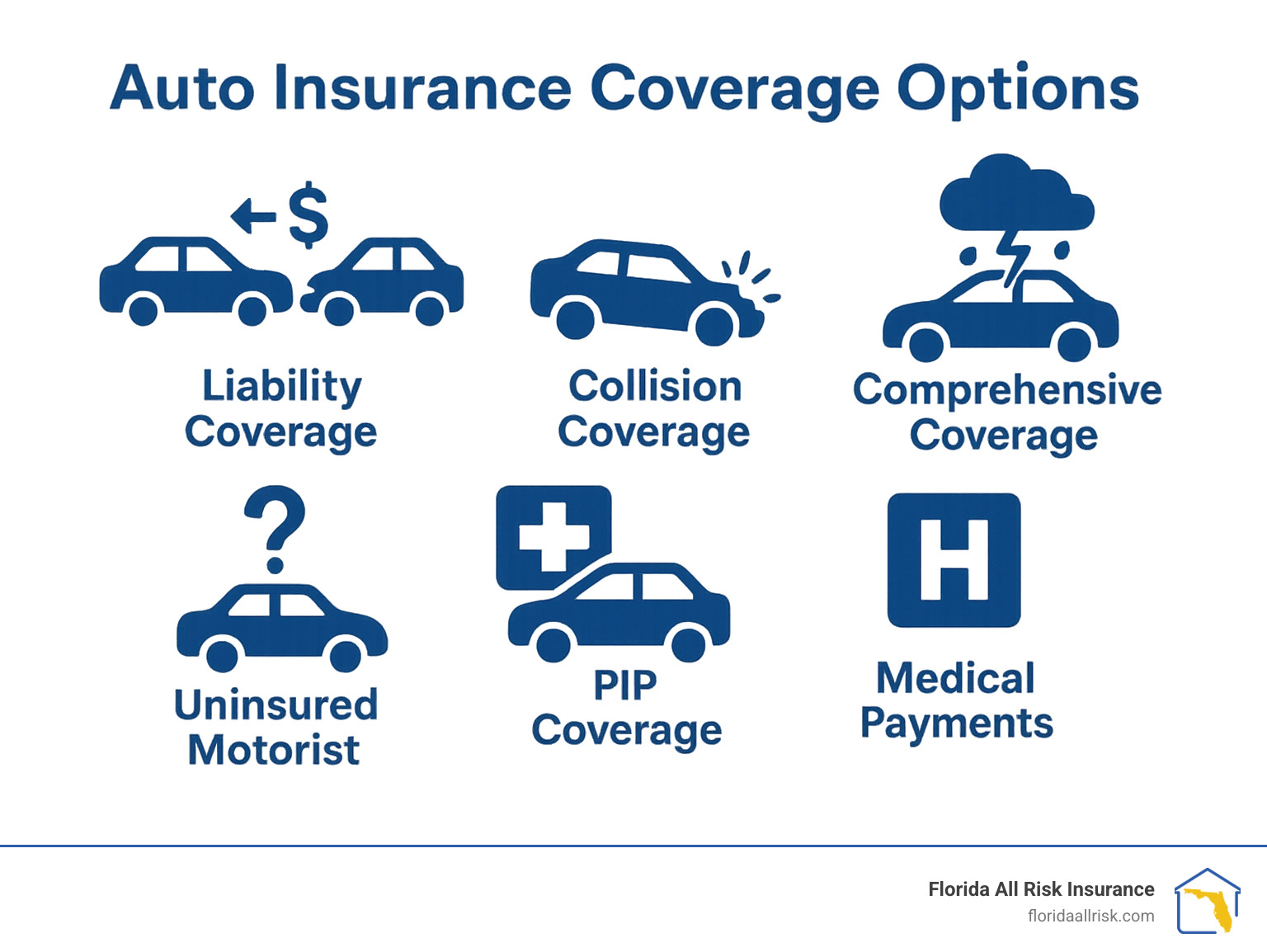
1. Motor Truck Cargo Insurance
This is the heart of an AFFAT policy. It covers the vehicles being transported (the cargo) if they are damaged or lost due to fire, collision, or even theft. In 2026, cargo insurance often includes specific clauses for debris removal and pollution clean-up, which are critical if a transporter carrying multiple EVs is involved in an accident that compromises lithium-ion battery packs.
2. Auto Liability (Primary and Excess)
Primary liability is mandated by federal and state regulations, such as those overseen by the Federal Motor Carrier Safety Administration (FMCSA). It covers bodily injury and property damage caused to third parties by the transport truck itself. Because a single accident involving a multi-car hauler can result in multi-million dollar claims, many AFFAT providers now require Excess Liability or Umbrella policies to reach 2026 industry-standard limits of $5 million to $10 million for interstate carriers.
3. General Liability for Transport Operations
Often confused with auto liability, General Liability (GL) covers risks not directly related to the operation of the truck. This includes "slip and fall" incidents at loading docks, errors in delivery paperwork leading to financial loss, and "advertising injury." For AFFAT entities, GL is essential for protecting the business's physical premises and administrative operations.
4. On-Hook and Garagekeepers Coverage
For AFFAT operators who also provide towing or temporary storage, these two coverages are vital:
- On-Hook Coverage: Protects the vehicle being towed while it is attached to the transport device.
- Garagekeepers Legal Liability: Covers damage to vehicles while they are parked at a transit hub, terminal, or storage lot during the transport process.
Who Requires AFFAT Coverage?
The requirement for AFFAT auto insurance extends across several sectors of the automotive and logistics industries. Understanding whether your business falls into these categories is the first step in compliance and risk management.
- Commercial Auto Haulers: From independent "hotshot" drivers with two-car trailers to massive logistics firms operating fleets of multi-car carriers, AFFAT insurance provides the primary indemnity for their operations.
- Vehicle Dealerships: Modern dealerships frequently move inventory between locations or deliver vehicles directly to consumers' homes. An AFFAT-aligned policy ensures these vehicles are covered from the moment they leave the lot until they are handed over to the buyer.
- Fleet Management Companies: Firms that manage corporate vehicle fleets use AFFAT structures to insure the bulk movement of employee vehicles during corporate relocations or fleet refreshes.
- Auction Houses: Entities like Manheim or Adesa require transport partners to carry specific AFFAT limits to ensure that the thousands of vehicles moving through their facilities daily are protected against "yard damage" and transit loss.
Comparative Analysis: Standard Commercial vs. AFFAT Insurance
It is a common mistake for new transport entrepreneurs to assume a standard commercial auto policy is sufficient. The table below highlights the critical differences that define the AFFAT niche in 2026.
| Feature | Standard Commercial Auto | AFFAT Auto Insurance |
|---|---|---|
| Primary Focus | The truck and driver liability. | The cargo (vehicles) and transit liability. |
| Cargo Protection | Usually excluded or capped at low limits. | Specialized limits based on "Bill of Lading" value. |
| Custody & Control | Coverage ends when the driver exits. | Covers the vehicle during loading/unloading. |
| EV Battery Clause | Rarely included. | Standardized coverage for thermal events. |
| Diminished Value | Often excluded in claims. | Can be added to protect high-end vehicle value. |
| Regulatory Compliance | Meets basic state requirements. | Meets FMCSA and BMC-32 filing requirements. |
How Pricing is Determined for Transport Risks
In 2026, AFFAT insurance premiums are no longer calculated solely on historical data. Insurance carriers now utilize real-time telematics and predictive modeling to set rates. Several factors influence the cost of an AFFAT policy:
Telematics and Driver Behavior
Most AFFAT underwriters in 2026 require the installation of Electronic Logging Devices (ELDs) and inward/outward-facing cameras. Carriers with high "safety scores"—determined by monitoring hard braking, rapid acceleration, and adherence to speed limits—can see premium reductions of up to 20%.
Route Complexity and Geography
Transporting vehicles through high-density urban areas or across mountain passes with frequent inclement weather carries a higher premium. Furthermore, interstate transport requires higher liability filings (like the Form BMC-91X) than intrastate transport, which directly impacts the base rate.
Vehicle Type and Value
A carrier moving ten standard sedans faces a different risk profile than one moving ten luxury EVs or vintage collectibles. Because the replacement cost of EVs is significantly higher due to battery prices, AFFAT premiums for specialized EV haulers have seen a marked increase in the 2025–2026 period.
The Claims Process: Navigating Transit Damage
The complexity of an AFFAT insurance claim lies in determining exactly when damage occurred. This is why the Bill of Lading (BOL) is the most critical document in any transport-related insurance matter.
- Pre-Trip Inspection: The driver must document every existing scratch, dent, or mechanical issue on the BOL before loading the vehicle. Digital photos with timestamps are the 2026 industry standard.
- Incident Reporting: If an accident or damage occurs during transit, the driver must notify the AFFAT provider immediately. Delaying notice can lead to claim denials, especially if the "chain of custody" is broken.
- Delivery and Exceptions: Upon delivery, the receiving party must inspect the vehicle. If new damage is found, it must be noted as an "exception" on the BOL.
- Subrogation: If the damage was caused by a third party (e.g., another driver hitting the transport truck), the AFFAT insurer will pay the claim and then pursue subrogation against the at-fault party's insurance to recover the costs.
Common Pitfalls and Troubleshooting
Even with a robust AFFAT policy, many businesses face coverage gaps. One of the most frequent issues is the "Unattended Vehicle" exclusion. Some policies will not cover theft or damage if the transport truck is left unattended in a non-secured area for a certain period. In 2026, insurers often require GPS-verified "safe parking" zones for overnight stops.
Another common mistake is failing to update the "Maximum Limit per Load." If a hauler typically moves $300,000 worth of cars but takes a one-time load of exotic vehicles worth $1.5 million without an oversight endorsement, they may be drastically underinsured in the event of a total loss.
Frequently Asked Questions
Does AFFAT insurance cover personal items left inside the transported vehicles?
Generally, no. AFFAT policies are designed to cover the vehicle as a piece of freight. Most transporters have strict policies against customers leaving personal belongings in the car, and the insurance carrier will almost always exclude these items from a cargo claim. Owners should rely on their homeowners or renters insurance for personal property inside a vehicle during transport.
What is a BMC-32 filing, and do I need it?
A BMC-32 filing is an endorsement required by the FMCSA for certain interstate motor carriers. It serves as a guarantee to the public that the carrier has at least a minimum amount of cargo insurance (typically $5,000 per vehicle and $10,000 per incident) to cover loss or damage. While these limits are low, they are a mandatory regulatory threshold for many AFFAT operators.
How do I verify if a carrier has valid AFFAT insurance?
You should never take a carrier's word for it. Request a Certificate of Insurance (COI) that lists the insurance agency’s contact information. In 2026, most legitimate carriers provide a digital COI with a QR code that allows you to verify the policy’s status in real-time through the insurer’s database or the FMCSA’s SAFER System.
Can I get AFFAT insurance for a single trip?
While most AFFAT policies are annual commercial contracts, some specialized brokers offer "Single-Trip Transit Insurance." This is common for individuals moving a high-value car who want more protection than the carrier’s standard policy provides, or for small businesses making an occasional vehicle delivery.
Does AFFAT insurance cover "Acts of God"?
This depends on the specific policy language. Most comprehensive AFFAT policies include coverage for hail, floods, and earthquakes, but some "Named Peril" policies might exclude them. In 2026, as climate-related risks increase, it is essential to ensure your policy is an "All-Risk" form rather than a "Named Peril" form to ensure coverage for unpredictable weather events.
Is the driver covered if they are injured while loading the cars?
No, that is not the function of AFFAT auto insurance. Driver injuries are covered under Workers' Compensation insurance, which is a separate but mandatory requirement for any transport business with employees. AFFAT insurance focuses on the property (vehicles) and the liability arising from the transport operation.
Next Steps for Securing Coverage
For those looking to secure or renew an AFFAT auto insurance policy in 2026, the first step is to conduct a thorough risk audit of your fleet. Ensure that all drivers have clean Motor Vehicle Records (MVRs) and that your trucks are equipped with the latest telematics hardware.
Consult with a specialized commercial insurance broker who understands the nuances of the automotive transport industry. A generalist agent may miss critical endorsements like diminished value or battery fire liability that are specific to the 2026 automotive market. Always review the "Exclusions" section of your policy document more carefully than the "Coverages" section—knowing what is not covered is the key to preventing financial catastrophe in the high-stakes world of vehicle logistics.