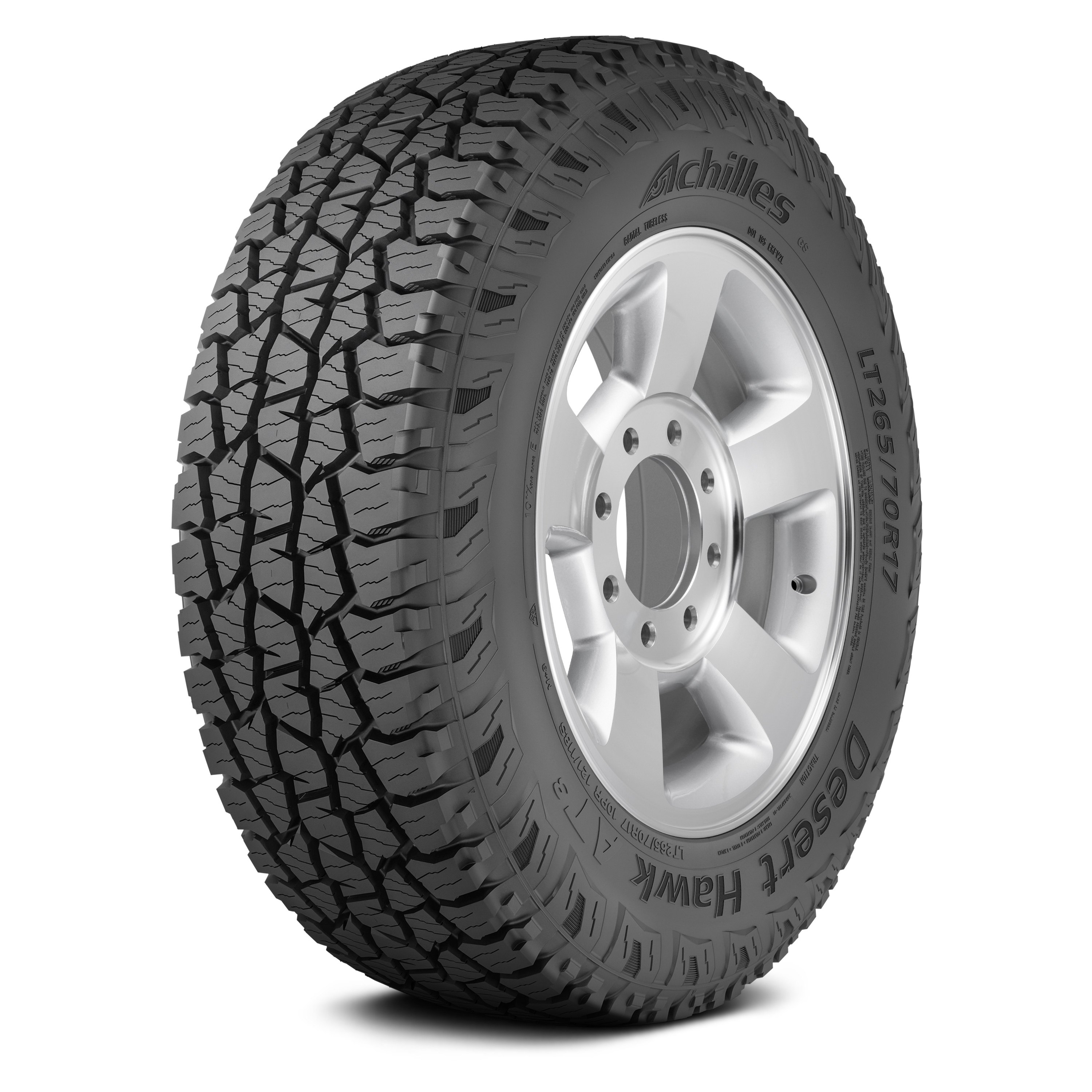
Achilles tires are a solid choice for budget-conscious drivers who prioritize a balance between affordability and reliable daily performance. Manufactured by PT Multistrada Arah Sarana (now part of the Michelin Group), these tires cater to a variety of vehicle segments, offering dependable handling, acceptable tread life for urban commutes, and a competitive entry price point compared to premium tier-one brands.
Understanding the Market Position of Achilles Tires
To determine whether Achilles tires are the right fit for your vehicle, it is essential to understand their origin and market segment. Achilles is a brand with roots in Indonesia, which gained international traction by offering tires that bridge the gap between "economy" tires and mid-range performance options.
Since the acquisition of PT Multistrada Arah Sarana by Michelin in 2019, the brand has benefited from integration into one of the world's largest manufacturing frameworks. While Achilles remains a distinct brand with its own product philosophy, the quality control processes and material sourcing have been influenced by higher-tier operational standards. For the average consumer in 2026, this means you are purchasing a tire that adheres to global safety certifications while maintaining the accessible pricing that originally defined the brand.
Key Performance Characteristics
The term "solid choice" is subjective and must be evaluated against how you intend to use your vehicle. Achilles tires generally perform well under standard road conditions.
Handling and Traction
Achilles offers several lines, including the ATR Sport and the Desert Hawk series, each designed for specific vehicle dynamics. The ATR Sport, for example, is engineered with a directional tread pattern that assists in water evacuation, reducing the risk of hydroplaning during wet weather. While they may not provide the same ultra-high-performance grip as dedicated racing slicks or premium sports tires, they provide more than sufficient traction for highway speeds and suburban maneuvering.
Noise Levels and Comfort
One of the common critiques of entry-level tires is excessive road noise. Achilles tires generally utilize variable pitch tread designs to minimize harmonic noise resonance. While they may produce more noise than a high-end luxury touring tire, the difference is often negligible for the average driver who is not piloting a sound-deadened luxury sedan.
Tread Life and Durability
For daily commuters, tread life is a primary financial factor. Achilles tires typically feature rubber compounds that prioritize longevity. When properly maintained—through regular tire rotations and consistent air pressure checks—users can expect a lifespan that aligns with the industry standard for budget-tier performance tires.
Comparative Overview: How Achilles Measures Up
To make an informed decision, it is helpful to place Achilles in the context of the broader tire market. The following table compares general attributes often associated with different tiers of tire manufacturers.
| Feature | Budget Tier | Achilles (Mid-Range) | Premium Tier |
|---|---|---|---|
| Price | Very Low | Competitive | High |
| Wet Traction | Variable | Reliable | Superior |
| Technology | Basic | Advanced/Michelin-Informed | Cutting-Edge |
| Warranty | Minimal | Standard | Extensive |
| Best For | Casual Commuting | Daily Driving & Budget Value | Performance & Luxury |
Essential Maintenance for Longevity
Regardless of the brand you purchase, a tire is only as good as the maintenance it receives. Choosing a "solid" tire like Achilles is a wasted investment if the tire is not managed correctly.
Proper Inflation
Under-inflation is the leading cause of premature tire failure and poor fuel economy. Always adhere to the vehicle manufacturer’s recommended tire pressure, which is typically found on the sticker located inside the driver's side door jamb. Do not use the "maximum pressure" number listed on the tire sidewall, as this is the maximum capacity of the tire itself, not the optimal setting for your vehicle’s weight and geometry.
Regular Rotation
Achilles tires, especially those with directional tread patterns, should be rotated every 5,000 to 8,000 miles. Rotating tires ensures even tread wear, preventing uneven "cupping" or "feathering" that can lead to vibration and premature replacement.
Alignment and Suspension Health
Even the most expensive tire will wear out rapidly if the vehicle's alignment is off. If your car pulls to one side or the steering wheel is off-center, have a professional perform a four-wheel alignment. Worn suspension components, such as shocks or struts, can also cause localized "bald spots" on your tires, regardless of the brand quality.
Who Should Choose Achilles Tires?
Achilles is an excellent choice for a specific demographic of drivers. If you fall into one of the following categories, these tires likely offer the value you are looking for:
- The Daily Commuter: Drivers who put high mileage on their vehicles and want to avoid the high recurring cost of premium tires without sacrificing safety or basic performance.
- The Budget-Conscious Owner: Individuals looking for a cost-effective solution for a secondary vehicle or an older car where the value of the tire should be proportional to the value of the vehicle.
- The Practical Enthusiast: Drivers who enjoy a spirited driving experience but do not engage in competitive track events where top-tier compound heat cycling is required.
Addressing Common Concerns and Myths
"Are cheaper tires unsafe?"
This is a persistent myth. All tires sold in major markets must meet stringent safety and regulatory standards, such as the Department of Transportation (DOT) requirements in the United States. While premium tires may offer shorter stopping distances in extreme conditions, a standard tire like Achilles is built to handle the rigors of everyday driving safely.
"Does the Michelin ownership change the tire?"
While PT Multistrada Arah Sarana is part of the Michelin Group, Achilles maintains its own brand identity. Michelin has invested in upgrading the manufacturing facilities to meet global efficiency and quality standards. This integration serves to stabilize production quality rather than turn Achilles into a premium-tier product.
Frequently Asked Questions
1. How often should Achilles tires be replaced?
Tires should generally be replaced when the tread depth reaches 2/32 of an inch. However, even if the tread is deep, tires older than six years from the date of manufacture (found on the DOT code) should be inspected annually by a professional for signs of rubber dry rot or sidewall cracking.
2. Are Achilles tires suitable for all-weather driving?
Achilles manufactures various models, including all-season options. Check the specific tire designation for your climate. If you live in an area with heavy snow or ice, consider a dedicated winter tire, as no all-season tire—regardless of the brand—can match the compound flexibility of a dedicated winter tire in freezing temperatures.
3. Can I mix Achilles tires with other brands on my car?
It is strongly recommended to use the same brand, model, and tread pattern on all four wheels to ensure consistent handling characteristics. If you must mix, always ensure that tires of the same type are paired on the same axle.
4. Are these tires good for high-performance vehicles?
Achilles has a history of involvement in drifting and grassroots motorsports. Their performance lines, such as the ATR-K Economist or Sport variants, offer predictable behavior for hobbyist racing. However, for high-horsepower luxury sports cars, drivers often opt for ultra-high-performance tires specifically engineered for specialized suspension setups.
5. Where can I find the correct tire size for my vehicle?
The correct tire size is printed on the aforementioned door jamb sticker and in your owner's manual. Do not rely solely on the tires currently on the car, as a previous owner may have installed the incorrect size.
Final Recommendation
When considering the statement that "Achilles tires are a solid choice," the evidence supports this for the vast majority of motorists. They provide a transparent value proposition: reliable, safety-tested tires produced under modern manufacturing standards, offered at a price that respects your budget.
If your primary goal is to maintain your vehicle's safety and functionality without paying the "brand premium" associated with top-tier marketing budgets, Achilles is a highly practical solution. Before making your purchase, confirm the specific model's suitability for your local climate and driving style, and ensure you have a plan for professional installation and regular maintenance. By keeping up with rotations and pressure checks, you will maximize the utility of your purchase and ensure a safe, smooth ride for thousands of miles.