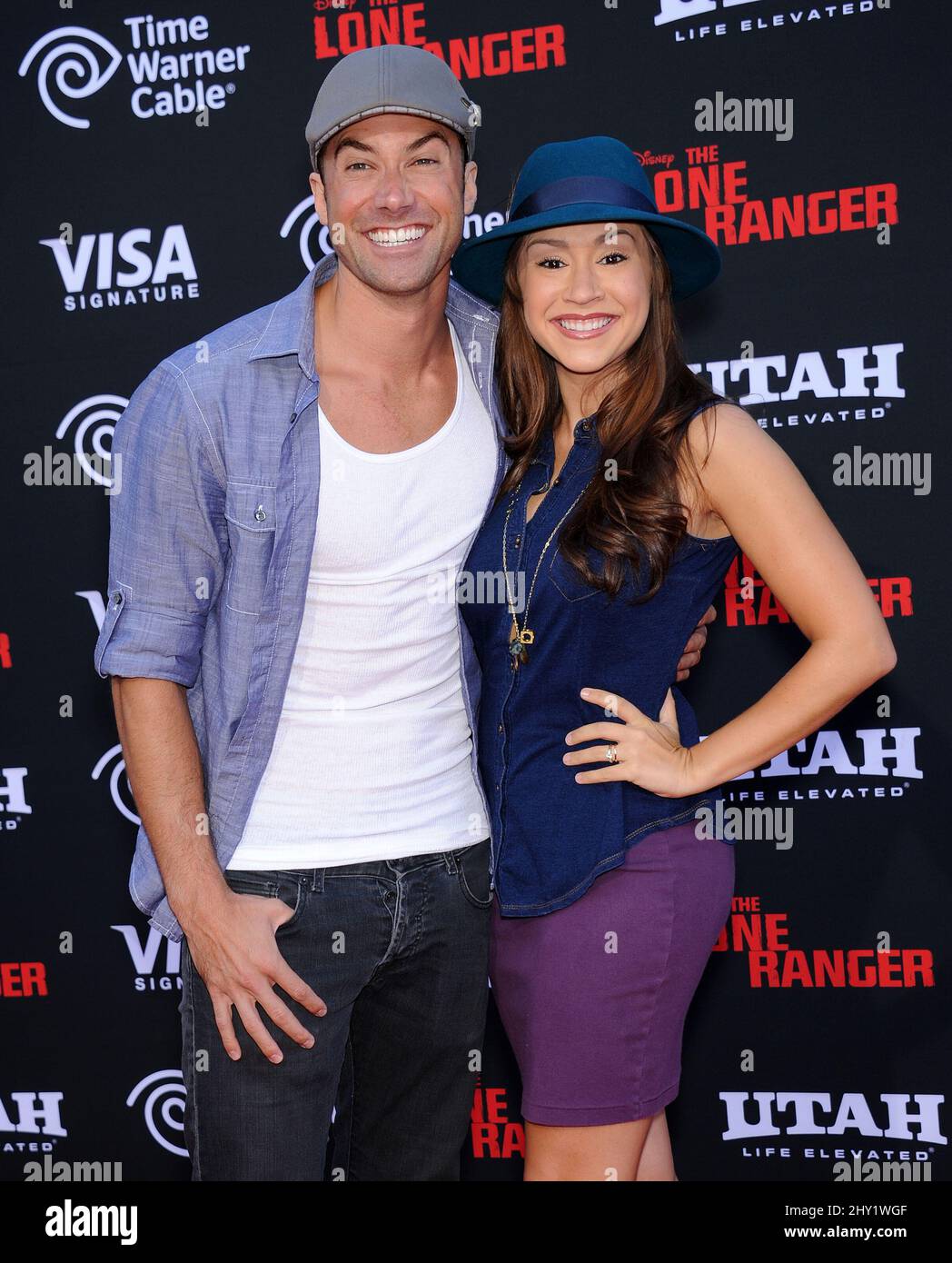
Ace Young, the singer-songwriter and stage actor who rose to national prominence as a finalist on the fifth season of American Idol in 2006, has maintained a multi-faceted career that balances commercial pop sensibilities with the technical demands of Broadway and regional theater. As of 2026, Young is recognized not only for his vocal performances but also for his contributions to songwriting and his collaborations within the musical theater landscape. His professional trajectory serves as a case study in the transition from reality television fame to sustained work in live performance arts.
The Foundation of a Musical Career
Long before his appearance on American Idol, Ace Young was deeply entrenched in the entertainment industry. Born in Denver, Colorado, in 1980, Young pursued performance opportunities throughout his youth. This early exposure to the mechanics of the industry provided him with a technical baseline that allowed him to navigate the high-pressure environment of the American Idol stage.
During his time on the show, Young was noted for his polished delivery and his choice of contemporary pop material. His seventh-place finish, while not resulting in a win, offered him a platform that traditional independent music circuits rarely provide. Following the show, he signed with major label management, transitioning from a contestant to a recording artist. His self-titled debut album featured songwriting contributions that demonstrated his desire to be viewed as a creator, not just a performer.
Bridging the Gap: From Pop to Broadway
The most significant pivot in Young’s career occurred when he moved from studio recording to the stage. This transition is often difficult for pop singers, as the requirements of theater demand sustained vocal stamina, character development, and the ability to perform consistently eight shows a week—a stark contrast to the sporadic nature of concert touring.
Young made his Broadway debut in Grease (2008) as Kenickie. This role was pivotal, as it required him to integrate singing with acting and movement. The production was a success, and it validated his ability to sustain a performance within a rigid, live-ensemble structure. This success led to further casting opportunities in high-profile productions, including the rock musical Hair. His experience in Hair was particularly relevant, as the show's vocal demands aligned closely with the rock-pop style he had refined during his early career.
Professional Collaboration and Domestic Life
A defining element of Ace Young’s public presence in recent years has been his professional and personal partnership with Diana DeGarmo. DeGarmo, also an American Idol alumnus, has frequently collaborated with Young on stage productions, concert series, and independent recording projects.
Their professional synthesis creates a specific niche in the market: the "power couple" of live musical theater. By touring together, they leverage their shared fanbase and their individual expertise in pop vocal arrangements. This partnership has allowed them to produce and perform in regional theater tours where they serve as both headliners and, occasionally, creative participants in the production process. As of 2026, their joint work continues to focus on intimate, cabaret-style performances that emphasize vocal clarity and emotional connection over the large-scale production values of a Broadway house.
The Technical Requirements of Live Vocal Performance
For performers like Young, the transition to theatrical singing requires a shift in vocal technique. Unlike a studio recording, where compression and EQ can mask inconsistencies, stage performance requires:
- Projection: The ability to be heard over a live orchestra without a microphone compensating for weak diaphragm support.
- Stamina: Managing the vocal load to ensure consistency from the first note of the show to the final curtain call, often requiring a reduction in "vocal fry" or overly stylized pop inflections.
- Articulation: Maintaining clear diction in larger venues where acoustic reflections can muffle consonants.
Young has frequently discussed the necessity of vocal rest and physical conditioning, emphasizing that the "spotlight" is sustained by rigorous discipline behind the scenes rather than the natural talent that first brought him notoriety.
Comparison of Career Segments
The following table categorizes the distinct phases of Young’s career and the technical requirements associated with each.
| Phase | Primary Environment | Core Skill Set | Key Demand |
|---|---|---|---|
| Early Reality TV | Soundstage / Broadcast | Pop interpretation | Camera presence & fan engagement |
| Studio Recording | Recording Studio | Vocal layering / Songwriting | Micro-precision & audio engineering |
| Broadway | Theater Stage | Acting / Movement / Singing | Vocal stamina & ensemble synergy |
| Cabaret/Touring | Intimate Venue | Storytelling / Vocal range | Direct audience connection |
Challenges in the Post-Idol Landscape
Maintaining a career in the public eye after the initial wave of reality television fame poses unique challenges. The "spotlight" can be fickle, and artists often struggle to redefine their identity once the immediate media cycle concludes. Young navigated this by pursuing formal theatrical training and embracing the rigorous schedule of regional theater.
One common mistake for former reality stars is attempting to replicate the specific sound that made them famous indefinitely. Young successfully avoided this by broadening his repertoire. By incorporating standards, contemporary musical theater, and original compositions into his live sets, he has insulated his career from the volatility of pop radio trends.
The Role of Songwriting
Beyond his performance work, Ace Young has maintained a secondary career as a songwriter. His credits include co-writing "It's Not Over," a significant hit for Chris Daughtry in 2006. This work behind the scenes has provided him with a layer of professional stability. Understanding the business of music—including royalties, publishing rights, and the collaborative nature of co-writing—has allowed him to sustain a living in the industry even when he is not the primary performer on stage.
Contemporary Status and Future Outlook
As of 2026, Ace Young remains active in the performing arts. His work is characterized by a focus on "story-driven" concerts, where he uses his experience as both a pop singer and a stage actor to frame his setlists. Readers interested in following his current performance schedule should look to professional theatrical databases or the official booking channels of his current management.
For aspiring performers, Young’s career offers a lesson in diversification. The reliance on a single platform or a single type of performance is high-risk. By contrast, building a foundation in vocal technique and expanding into theater allows an artist to pivot when their primary niche shifts or becomes less commercially viable.
Frequently Asked Questions
How does Ace Young balance his career between pop music and theater? Young utilizes a hybrid approach. He views his theater roles as the "structural" component of his career and his independent music and cabaret performances as the "creative" component. This balance prevents vocal burnout and allows for artistic growth.
Did Ace Young win American Idol? No, Young finished in seventh place during the fifth season in 2006. However, he successfully utilized the exposure to transition into a long-term career as a professional actor and singer.
Are Ace Young and Diana DeGarmo still performing together? Yes, they continue to perform in joint concert engagements. Their collaboration is a staple of their professional activities, often focusing on touring productions and live shows.
What is the most important skill for a singer transitioning to Broadway? The most critical skill is vocal pacing. While a pop set might last 60 to 90 minutes with breaks for audience interaction, a musical theater performance requires disciplined delivery of dialogue and song for several hours, necessitating a shift in breath support and resonance.
Does Ace Young still write music for other artists? While he is primarily focused on his own performance work and his collaborations with DeGarmo, he remains active as a songwriter. His background in songwriting continues to inform his musical arrangements during live shows.
What should fans look for in his 2026 performances? Audiences can expect a mix of classic Broadway showstoppers and original pop material. His recent performances emphasize intimacy and narrative, reflecting his maturation as an artist over the last two decades.
Recommended Next Steps
For those interested in the craft of musical theater or the evolution of the modern pop performer, the best way to understand Ace Young’s trajectory is to compare his early studio recordings with his recent live concert footage. Observe the differences in vocal placement, the use of vibrato, and the level of engagement with the lyrics. Following his official social channels and theatrical listings will provide the most accurate information regarding upcoming performances or new musical projects scheduled for the remainder of 2026.