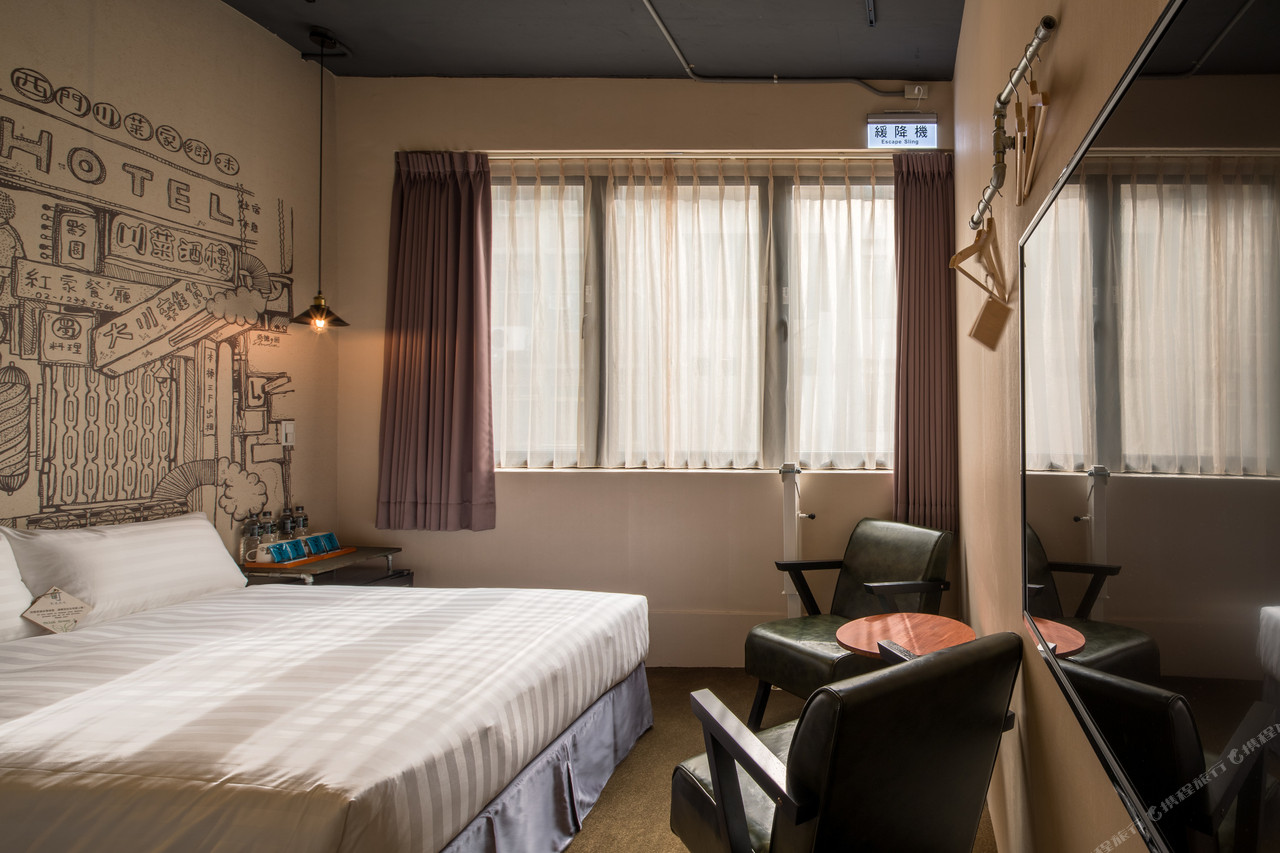
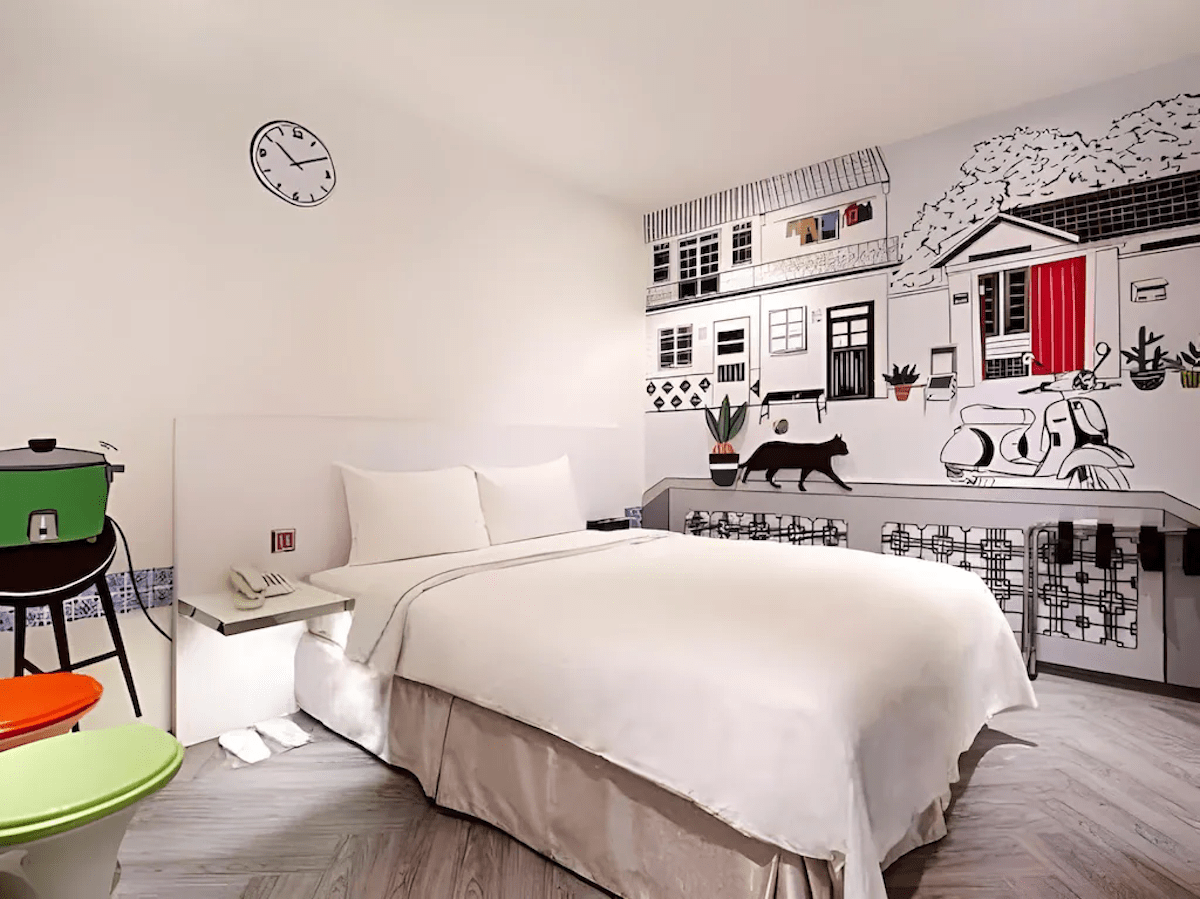
Taipei offers a diverse lodging landscape ranging from high-end international luxury hotels and boutique design spaces to highly efficient, cost-effective youth hostels. Navigating this market requires understanding the city's district-based pricing, transit connectivity via the MRT, and the specific amenities that define value in Taiwan’s capital.
Understanding Taipei’s Accommodation Landscape
Taipei is a city defined by its efficient public transportation network, specifically the Taipei Metro (MRT). When evaluating accommodation, the "best" location is almost always defined by proximity to an MRT station rather than a specific neighborhood name. The city is divided into several administrative districts, each offering a distinct atmosphere.
For travelers prioritizing nightlife and modern shopping, the Xinyi District is the primary choice, though it commands the highest nightly rates. For those interested in heritage, traditional markets, and a more eclectic street vibe, the Wanhua District (home to Ximending) offers a density of mid-range and budget-friendly options. Zhongzheng and Da’an provide a central balance, sitting near major transit hubs like Taipei Main Station, which serves as the gateway to the rest of Taiwan.
Defining Budget Segments in 2026
Pricing in Taipei is influenced by seasonal demand—particularly around the Lunar New Year and major international exhibitions—as well as the proximity to major business hubs. While inflation and operational costs continue to shape the market, the following tiers represent the standard price expectations for a single night in 2026:
- Budget (Under 2,000 TWD): Primarily consists of hostel dorm beds, "capsule" style hotels, and guesthouses in older buildings. These properties often feature shared bathroom facilities and minimalist aesthetics.
- Mid-Range (2,500 TWD – 5,500 TWD): Focuses on business hotels and independent boutique properties. These rooms typically include private bathrooms, modern climate control, and standard amenities such as Wi-Fi and complimentary breakfast.
- Luxury (6,000 TWD and above): Comprises international five-star chains and high-end boutique hotels. Expect premium service, extensive spa facilities, fine dining on-site, and prime views of landmarks like Taipei 101.
Budget Strategy: The Hostel and Capsule Experience
For travelers looking to minimize costs, Taipei boasts an exceptional standard of hostels. Unlike some global cities where budget accommodation may sacrifice safety or cleanliness, Taipei’s hostel sector is highly regulated and generally maintains high hygiene standards.
When booking budget accommodation, prioritize properties located within a 5-minute walking distance of an MRT station. This effectively eliminates the need for expensive taxis and allows for seamless movement across the city. Look for hostels that offer "pod" style beds, which provide curtains and individual power outlets, significantly increasing privacy compared to traditional open-style dorms. Many budget facilities in areas like Datong District also offer long-term stay discounts, which can be advantageous for digital nomads or those visiting for an extended period.
Navigating the Mid-Range Market
The mid-range sector is where Taipei truly shines. By 2026, many older commercial buildings have been repurposed into efficient, tech-forward "smart hotels." These properties utilize automated check-in kiosks and mobile app room access to reduce overhead costs, passing those savings to the guest.
When searching for mid-range options, verify the room size. In dense districts like Wanhua or Zhongzheng, "efficient" rooms may be quite compact, sometimes lacking windows. Always check the property listing for the specific phrase "windowless room" if natural light is a priority for your stay. Additionally, mid-range hotels in Taipei frequently offer luggage storage services—a vital feature if your flight arrival or departure does not align with standard 3:00 PM check-in and 11:00 AM check-out times.
Luxury and Boutique Excellence
Luxury accommodation in Taipei is largely concentrated in the Xinyi and Zhongshan districts. These hotels serve as the primary venues for international business travelers and luxury tourists. The focus here is on "omotenashi" style service, large room footprints, and integration with high-end retail malls or transit hubs.
If you are looking for luxury, prioritize proximity to the Taipei 101/World Trade Center station or the Zhongshan area, known for its concentration of high-end department stores and refined culinary offerings. When booking, check for inclusive packages that provide lounge access, as these often include evening cocktails and breakfast, providing significant value even at higher price points.
Comparative Analysis of Taipei Districts
| District | Primary Vibe | Typical Price Range | Best For |
|---|---|---|---|
| Xinyi | Modern, Upscale | High | Luxury travelers, business |
| Ximending | Energetic, Youthful | Budget / Mid | Solo travelers, shopping |
| Zhongshan | Historic, Refined | Mid / High | Culture seekers, fine dining |
| Datong | Traditional, Local | Budget / Mid | Budget travelers, history |
| Da’an | Residential, Green | Mid | Long-term stays, families |
Critical Considerations Before Booking
Regardless of your budget, there are several localized factors to consider to ensure your stay remains smooth:
- Laundry Facilities: Many mid-range and budget hotels in Taipei do not have in-room washing machines but provide guest laundry rooms with coin-operated machines. Check this if you are traveling light for more than three days.
- Breakfast Culture: While many hotels include breakfast, it is often a hybrid of Western and Taiwanese styles (porridge, buns, soy milk). If you have specific dietary requirements, confirm the menu options beforehand.
- Climate Control: Taipei has high humidity, particularly in the summer months (June–September). Ensure your selected accommodation features a robust, individually controlled air conditioning system, as some older "budget" buildings may rely on centralized units that offer limited flexibility.
- Fire Safety Certification: In Taiwan, legal lodging facilities are required to display a government-issued license. Verify that your booking site or the hotel website confirms they are a "legal hotel" (合法旅館). This is a crucial safety verification.
Frequently Asked Questions
Is it necessary to stay near Taipei Main Station? While Taipei Main Station is a major transit hub, it is not the only option. Taipei’s MRT system is incredibly reliable. As long as you are within a short walk of any MRT station, you can reach the city center within 15–20 minutes. Staying slightly further out can often net you more modern amenities for a lower price.
Do hotels in Taipei charge a service fee? Most mid-range and luxury hotels include a 10% service charge and a 5% value-added tax (VAT) in their published rates, but it is important to check the "total price" breakdown on booking platforms. If you are booking directly, confirm if the quoted price is inclusive of all taxes and fees to avoid surprises at checkout.
Are capsule hotels suitable for business travelers? Yes. In 2026, the distinction between a "hostel" and a "capsule hotel" is significant in Taipei. Capsule hotels often cater specifically to solo travelers who require a quiet, professional environment, offering excellent Wi-Fi and designated workspaces.
What is the best way to get from the airport to my hotel? The Taoyuan Airport MRT is the most efficient link between the airport and the city center. It terminates at Taipei Main Station. From there, you can connect to the local MRT lines to reach your accommodation.
Should I tip at my hotel? Tipping is not a standard practice in Taiwan. While a small gratuity for exceptional luggage assistance is appreciated, it is neither expected nor required.
Recommendation for Your Stay
For most travelers, the best value is found by booking a modern mid-range "smart hotel" in the Zhongshan district. This area offers a perfect balance of heritage, modern infrastructure, and easy access to both the Tamsui-Xinyi (Red) and Songshan-Xindian (Green) MRT lines. Before finalizing, always cross-reference your chosen hotel against a secondary review platform to ensure the property’s current operational status and recent guest sentiment regarding cleanliness and service levels.