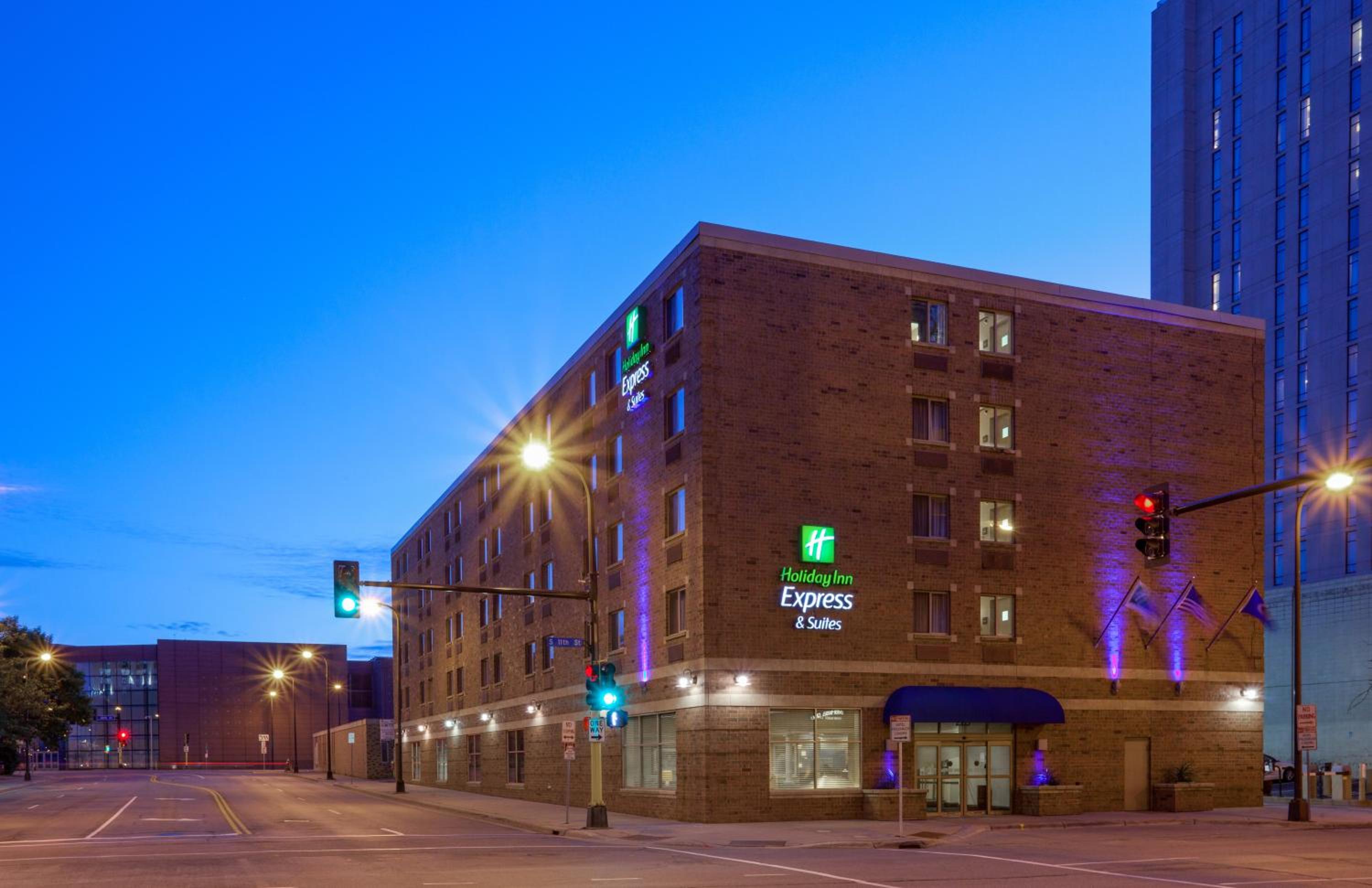
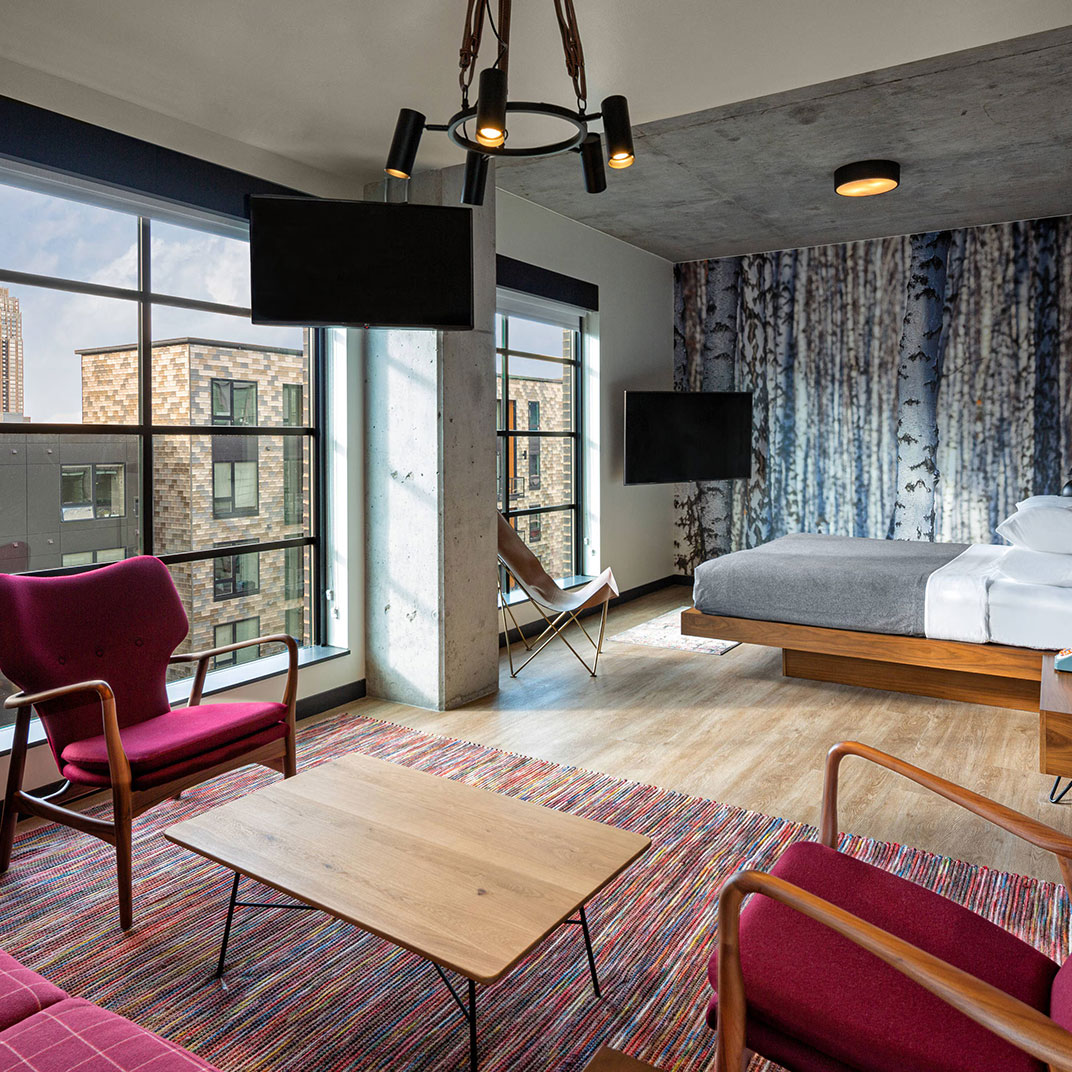
Finding suitable accommodation in Minneapolis requires balancing the city’s distinct neighborhood character, seasonal climate considerations, and the specific needs of your stay. Whether you are relocating for professional opportunities, attending an academic program at the University of Minnesota, or visiting for an extended duration, the Minneapolis housing landscape offers a diverse range of options from high-density luxury apartments in the North Loop to historic residential pockets in South Minneapolis.
Minneapolis provides a robust infrastructure for both short-term rentals and long-term residential leasing. When selecting accommodation, prospective residents and visitors must weigh proximity to the METRO light rail system, seasonal parking requirements—particularly regarding snow emergency regulations—and the varying cost structures between the downtown core and peripheral neighborhoods. This guide outlines the essential steps, logistical requirements, and market realities of securing housing in the city.
Understanding the Minneapolis Housing Market
The Minneapolis residential market is defined by its distinct administrative and cultural districts. Unlike cities with a singular commercial center, Minneapolis functions as a collection of varied neighborhoods, each with different housing stock.
Central Business District and North Loop
The downtown core and the North Loop are primarily dominated by high-rise luxury apartments and repurposed industrial lofts. This area is ideal for those prioritizing walkability and proximity to Target Field, the Skyway system, and major corporate headquarters. Accommodation here is generally the most expensive in the city, with a focus on building amenities such as concierge services, fitness centers, and underground heated parking—a vital feature during Minnesota winters.
The University and Surrounding Areas
Proximity to the University of Minnesota (UMN) drives a unique demand for high-density student-oriented housing in Dinkytown and Stadium Village. These accommodations often operate on rigid academic cycles (August to July). For professionals, these areas offer modern amenities but may be subject to high noise levels and seasonal traffic surges.
South and Southwest Minneapolis
Neighborhoods such as Whittier, Lyn-Lake, and Linden Hills offer a mix of historic single-family homes, duplexes, and smaller walk-up apartment buildings. These areas generally provide a more traditional residential feel with easier access to the Chain of Lakes. Accommodation here often requires navigating the secondary rental market—private landlords rather than large-scale management companies—which can offer more character but fewer automated services.
Prerequisites for Leasing and Residency
Securing a long-term lease in Minneapolis involves standardized procedures. In 2026, landlords and property management firms typically require a comprehensive application package to verify eligibility.
- Rental Application and Fees: Applicants should be prepared to pay a non-refundable application fee. Per city ordinance, landlords must provide a written policy regarding rental criteria before accepting an application fee.
- Proof of Income: Standard industry practice in Minneapolis requires a gross monthly income of at least 2.5 to 3 times the monthly rent.
- Rental History: References from previous landlords are standard. In some cases, a professional background check covering criminal history and credit performance is required. Minneapolis has specific ordinances regulating how criminal history can be used in housing decisions, aimed at ensuring fair access.
- Security Deposits: By local statute, security deposits are generally held in a separate account. Landlords must provide a move-in inspection checklist, which is a critical document for protecting your deposit upon move-out.
Comparative Overview of Housing Types
When choosing where to stay, consider the trade-offs between managed apartment communities and private housing.
| Feature | Large Managed Apartment | Private Rental (Duplex/House) |
|---|---|---|
| Maintenance | On-site 24/7 staff | Usually dependent on landlord availability |
| Amenities | High (Pool, Gym, Concierge) | Minimal (Yard, Garage, Storage) |
| Lease Flexibility | Often strict, fixed-term | Negotiable with individual owner |
| Parking | Managed garage (extra fee) | Street or private driveway |
| Utilities | Often bundled/automated | Typically paid individually by tenant |
Navigating Seasonal Challenges
Accommodation choices in Minneapolis are heavily influenced by the climate. The "winter factor" is not merely a preference but a functional necessity when selecting a property.
The Importance of Heated Parking
From November through March, the city experiences significant snowfall and plummeting temperatures. If you own a vehicle, prioritize accommodation that includes heated underground parking. Street parking becomes complicated due to "Snow Emergency" declarations, which mandate specific parking restrictions to allow for city-wide plowing operations. Failing to follow these regulations results in immediate ticketing and towing.
Heating and Insulation
Older buildings, particularly those constructed before 1950, may have less efficient insulation. While these units often possess architectural charm, they can result in significantly higher utility costs during the peak of winter. When touring a property, inquire about the heating system type—forced air, radiator, or baseboard—and request historical average utility costs if possible.
The Skyway System
For those residing or working in the downtown area, the Minneapolis Skyway system—a network of climate-controlled pedestrian bridges connecting over 80 city blocks—is a crucial consideration. Choosing accommodation with direct skyway access allows for significant movement throughout the core without the need to go outside during extreme cold weather.
Short-Term vs. Long-Term Stays
If your need for accommodation is temporary, the strategy shifts toward serviced apartments and corporate housing.
- Corporate Housing: These units come fully furnished with all utilities, including high-speed internet, bundled into the rent. They are ideal for relocation periods or short-term work assignments.
- Extended Stay Hotels: Available throughout the I-394 corridor and the airport (MSP) vicinity, these provide the most flexibility but often lack the residential atmosphere of a home.
- Subletting: In the university and central districts, summer subletting is common. This can be a cost-effective way to secure housing for 3-4 months, though it requires verifying that the primary leaseholder has permission from the landlord to sublet.
Common Pitfalls and Troubleshooting
- Ignoring the Move-in Inspection: Never skip the walkthrough. Document every scratch, stain, or broken fixture with date-stamped photos. This is your primary defense against unfair withholding of security deposits.
- Underestimating Commute Logistics: Do not rely solely on distance in miles. Evaluate your commute based on METRO light rail proximity (Blue and Green lines) or specific bus rapid transit routes. Minneapolis traffic patterns can be erratic, especially during construction season (typically May through October).
- Incomplete Disclosure of Pets: Minneapolis pet policies are often strict. If you have pets, ensure you have documentation regarding breed, weight, and vaccination status, as many properties require a separate pet deposit or monthly "pet rent."
Frequently Asked Questions
1. What is a "Snow Emergency" and how does it affect me? A Snow Emergency is declared by the city after significant snowfall to clear streets. Residents must follow strict parking rules based on the side of the street and the specific day. Failure to comply leads to your vehicle being towed to an impound lot, which incurs significant costs.
2. Are utilities typically included in Minneapolis rent? In large apartment complexes, water, sewer, and trash are often included, while electricity and gas are paid separately. In private rentals, the tenant is usually responsible for all utilities unless otherwise specified in the lease. Always confirm which services are billed directly by the city versus the property management company.
3. What is the standard process for moving in during winter? Moving during winter requires coordination. If you are using a moving company, ensure they are familiar with Minneapolis winter parking regulations, as they may need to secure a temporary "no-parking" permit from the city to reserve space for their truck.
4. How do I verify a landlord or property management company? Use the City of Minneapolis's public search tools to verify if a rental property is licensed. All rental units in the city must have a valid rental license to be legally occupied. You can verify this status through the Minneapolis Property Info online portal.
5. How far in advance should I look for housing? For standard market-rate apartments, 60 days is the ideal window. Most landlords require 30 to 60 days' notice from current tenants before they vacate, meaning availability cycles usually align with that timeframe.
Final Recommendation
For those moving to Minneapolis, the most effective approach is to define your "non-negotiables" first—specifically parking requirements and proximity to transit—before touring units. If you are new to the city, consider securing a short-term, 3-month furnished rental in the area you think you prefer. This "trial residency" allows you to experience the neighborhood's noise levels, parking constraints, and commute times firsthand before signing a 12-month lease. Always prioritize units that are clearly licensed and perform a rigorous move-in inspection to ensure your security deposit is protected from day one.