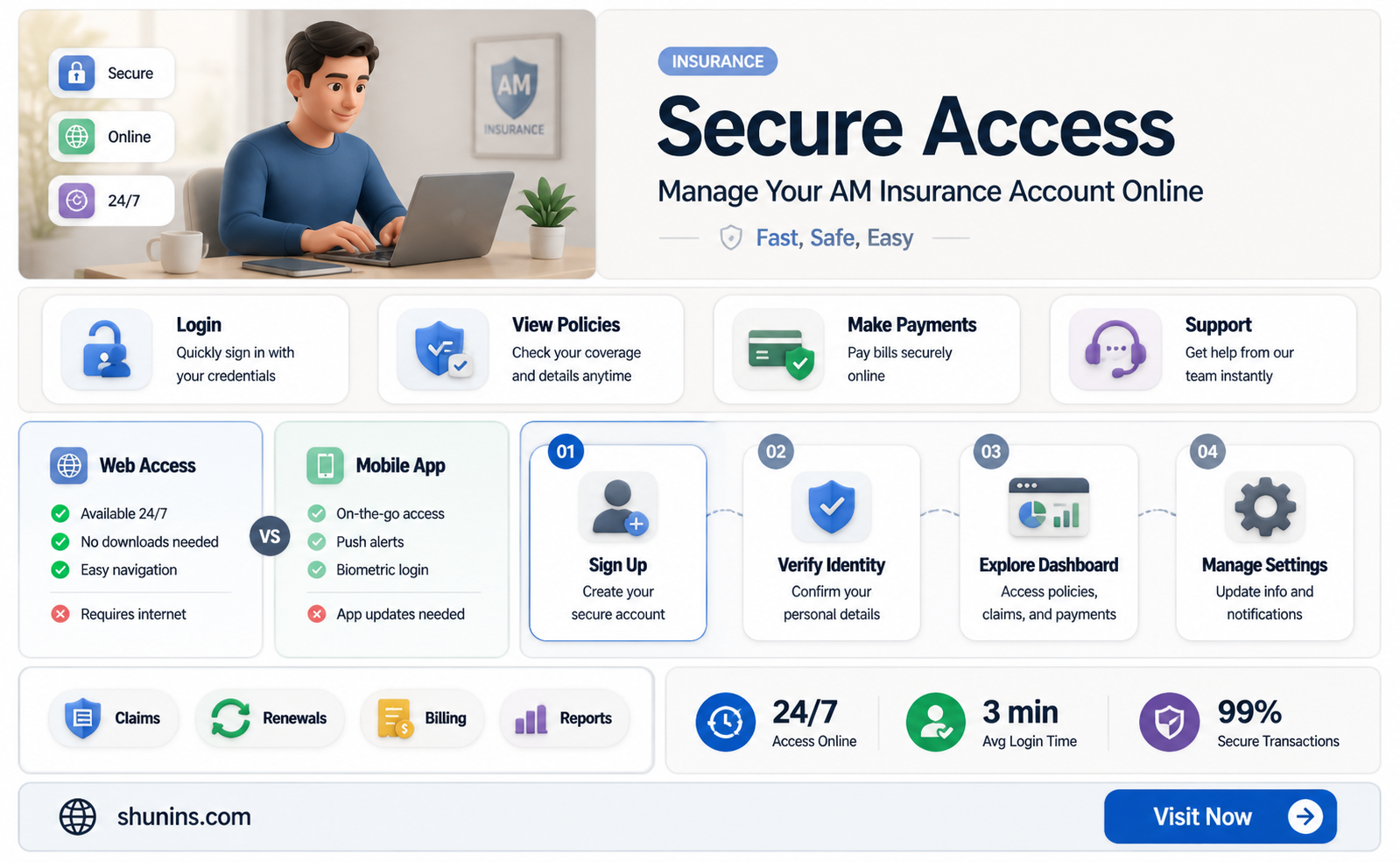
Navigating the logistics of an auto insurance policy after a divorce requires carefully untangling shared financial assets, household management systems, and digital account access. An ex-spouse generally has no automatic legal right to access, manage, or view an auto insurance account once a divorce is finalized and they are removed from the policy. Maintaining independent coverage requires deliberate communication with insurance carriers, updates to policyholder designations, and the immediate revocation of shared portal credentials to ensure privacy and regulatory compliance.
Understanding the Legal and Operational Framework of Post-Divorce Auto Insurance
When two individuals are married, shared auto insurance policies are common. Households typically manage vehicles under a single primary policyholder, with both spouses listed as insured drivers and account managers. However, the legal dissolution of a marriage alters the insurable interest required by insurance companies. An insurance provider evaluates risk based on legal ownership, household residency, and driving habits. Once a divorce is finalized and former spouses maintain separate households, continuing a joint policy or sharing account access introduces significant operational and legal complications.
Insurers require that individuals listed on a policy share a household or have a direct financial or legal relationship tied to the insured vehicles. If an ex-spouse moves out, leaving them on the original policy without proper disclosure can constitute misrepresentation, potentially leading to claim denials or policy cancellation. Consequently, the operational framework of auto insurance demands structural separation. This separation extends from the physical vehicles and financial payment methods down to the digital architecture of online insurance portals, mobile applications, and customer service account profiles.
Managing this transition effectively requires an understanding of how insurance carriers verify identity, authorize third-party access, and handle data privacy. Insurance companies are bound by strict privacy regulations, such as state insurance codes and federal consumer privacy standards, which prohibit them from disclosing policy details, claims history, or billing information to unauthorized individuals—including former spouses.
Digital Account Access and Portal Permissions
The transition of digital account access is one of the most critical steps in untangling post-divorce auto insurance. Modern insurance providers utilize sophisticated online portals and mobile apps that allow policyholders to view ID cards, file claims, adjust coverage limits, and manage payment methods. When a couple shares a household, it is standard practice to share login credentials or grant secondary user access to an account.
Post-divorce, maintaining shared portal access creates severe security and privacy vulnerabilities. An ex-spouse with access to an online auto insurance account can view sensitive personal data, including:
- Current residential addresses and phone numbers
- Driver's license numbers and historical driving records
- Payment card details and bank account routing numbers associated with auto-pay
- Detailed claims history, which may include accidents or traffic violations
- Policy declarations pages outlining coverage limits and deductibles
To mitigate these risks, insurance companies provide mechanisms to revoke user access, update login credentials, and split accounts.
Revoking Secondary User Profiles
Most major insurers allow a primary policyholder to manage user permissions through the account settings dashboard or by contacting customer support. If the ex-spouse was listed as a secondary account manager or authorized user, their specific profile must be deleted. Simply changing the password of the primary account is often insufficient if secondary profiles maintain independent login credentials tied to the policy number.
Establishing Separate Online Portals
Once the ex-spouse is removed from the policy—either by being taken off the existing policy or by establishing an entirely new, independent policy—they must create their own standalone online account. Insurers will not permit two distinct households or unlinked individuals to manage vehicles under the same digital dashboard unless specific commercial or multi-car umbrella agreements are in place, which rarely apply to divorced couples.
Steps to Separate an Auto Insurance Account
Executing a clean break regarding auto insurance requires a methodical sequence of operational steps. Attempting to navigate this process haphazardly can leave vehicles uninsured or expose both parties to liability risks.
- Step 1: Review Divorce Decree and Vehicle Titles
- Step 2: Contact the Insurance Provider
- Step 3: Split Policies or Remove the Ex-Spouse
- Step 4: Update Digital Credentials and Payment Sources
1. Review the Divorce Decree and Vehicle Titles
Before contacting an insurance agent, review the legal separation agreement or divorce decree. The documents typically dictate which party is responsible for maintaining and paying for specific vehicles. Furthermore, verify the names listed on the vehicle titles and vehicle loan documents. An insurer will generally not permit someone to insure a vehicle solely in their name if the title or loan still lists the ex-spouse as the primary owner without explicit documentation or joint consent, though rules vary by jurisdiction.
2. Secure Independent Coverage
If the ex-spouse is being removed from the primary policy and retains possession of a vehicle, they must secure their own auto insurance policy before the existing policy is modified. Driving an uninsured vehicle—even for a single day during a transition period—violates state financial responsibility laws and exposes the driver to severe legal and financial penalties.
3. Contact the Insurance Carrier
The primary policyholder or both parties should contact the insurance provider's customer service department or a licensed insurance agent. Inform the representative of the life event (divorce) and request the formal removal of the ex-spouse as a driver, policyholder, or authorized user. Be prepared to provide updated documentation, such as proof of a new address or a copy of the divorce decree if required by state guidelines.
4. Audit Payment Methods and Billing Profiles
Shared credit cards, linked bank accounts, and automatic payment schedules are frequent oversight points during a divorce. Ensure that the primary policyholder removes any financial instruments belonging to the ex-spouse from the account. Conversely, the ex-spouse must ensure that no lingering auto-pay profiles draw from joint accounts.
Comparison of Shared vs. Independent Auto Insurance Post-Divorce
Maintaining a joint auto insurance policy after a divorce carries distinct structural, financial, and legal implications compared to establishing independent coverage.
| Feature | Shared Policy (Post-Divorce) | Independent Policies |
|---|---|---|
| Legal Compliance | Often violates insurable interest rules if living apart. | Fully complies with state residency and ownership standards. |
| Portal Access | Ex-spouse may retain visibility over sensitive financial data. | Complete digital isolation; separate login credentials. |
| Liability Risk | Primary policyholder remains liable for accidents caused by the ex-spouse. | Liability is contained strictly to the named policyholder and listed drivers. |
| Claims Impact | An accident by the ex-spouse raises rates for the primary policyholder. | Driving record impacts only the individual responsible. |
| Billing & Payments | Potential disputes over premium divisions and shared payment methods. | Clear, isolated financial responsibility. |
Common Mistakes and Troubleshooting Access Issues
Policyholders frequently encounter specific administrative hurdles when attempting to adjust account permissions or separate auto insurance policies following a divorce. Recognizing these pitfalls helps streamline the process and prevents security gaps.
Assuming Name Removal Automatically Revokes Portal Access
A common misconception is that calling an insurance agent to remove an ex-spouse as a driver automatically terminates their ability to log into the online portal. Insurers maintain distinct databases for policy underwriting and digital identity management. A user profile associated with an online portal must be manually deactivated by the system administrator or customer support representative to cut off digital access.
Ignoring Lienholder and Loss Payee Requirements
If a vehicle is financed or leased, the financial institution holding the loan must be listed as a loss payee on the insurance policy. When splitting policies or transferring vehicle ownership between ex-spouses, failing to update the loss payee information can result in a breach of the loan agreement. Insurance carriers will not issue a standalone policy without correctly reflecting the lienholder, which can delay the issuance of digital ID cards and portal activation.
Delays in Submitting Proof of Garaging Address
Insurers calculate premiums based heavily on the ZIP code where the vehicle is primarily parked (garaged). When an ex-spouse moves to a new residence, the insurance company must be notified immediately to update the garaging address. Failure to update this information can lead to claim adjustments or accusations of insurance fraud if an incident occurs at an unlisted location.
Frequently Asked Questions
Can an ex-spouse view my auto insurance claims history online?
An ex-spouse can only view claims history if they retain active login credentials to the online account or policy portal. Once they are removed from the policy and their user profile is deactivated, they lose all digital access to your claims data, billing statements, and policy documents.
What should I do if my ex-spouse refuses to remove their name from our shared auto insurance account?
If a former spouse refuses to cooperate or delays the transition, the primary policyholder can contact the insurance carrier directly to request a policy split or cancellation of the ex-spouse's driver status. Insurance companies routinely handle mid-term policy adjustments resulting from life events like divorce, provided proper legal documentation of the separation or address change is supplied.
Do I need a copy of my divorce decree to change my auto insurance policy?
Requirements vary by insurance carrier and state regulations. While some insurers only require a verbal or written request to remove a driver or split a policy, others may request documentation such as a signed separation agreement, a finalized divorce decree, or proof of a new primary residence to process the administrative change without penalty.
How are multi-car discounts affected when an ex-spouse leaves the policy?
Removing a vehicle and a driver from a policy often results in the loss of multi-car or multi-driver discounts. The remaining policyholder's premium will be recalculated based solely on the remaining vehicles, drivers, and risk profiles, which may cause an increase or decrease in the overall rate depending on individual driving records.
Can an insurance company share policy details with an ex-spouse without my permission?
Under standard privacy laws and insurance industry regulations, carriers are legally prohibited from disclosing non-public personal information—including policy details, coverage limits, and billing records—to unauthorized individuals, even if they were previously married to the policyholder.
Next Actions and Recommendations
To secure your auto insurance account and ensure proper access management post-divorce, immediately contact your insurance provider to formally separate your policies and update your garaging addresses. Audit your online account dashboard to ensure all secondary user profiles, authorized representatives, and linked payment methods belonging to your ex-spouse are permanently deleted. If you require further assistance regarding vehicle titles or loan modifications, consult your state's department of motor vehicles or legal counsel to ensure complete alignment between your insurance coverage and property ownership records.