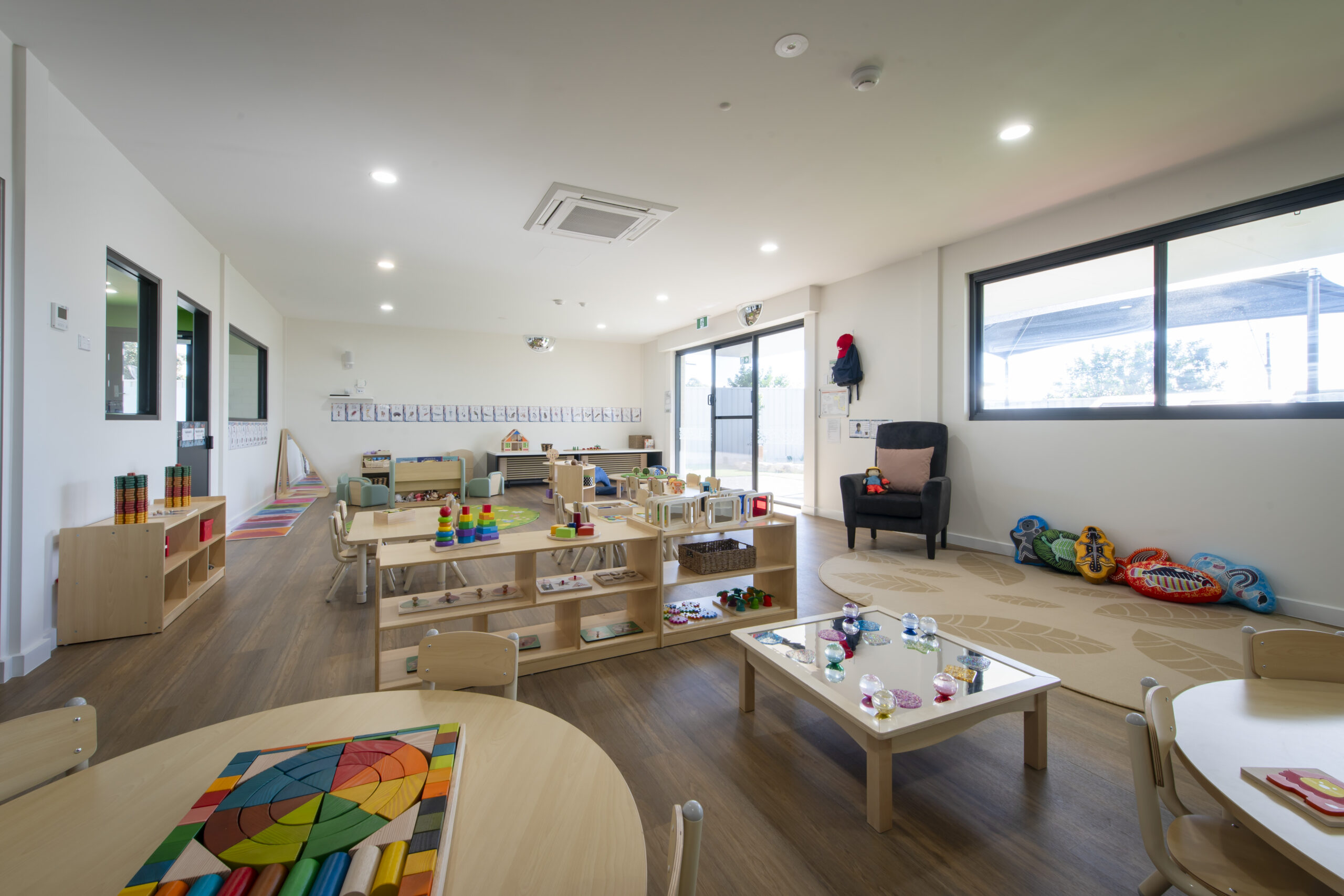
An accelerator preschool represents a high-intensity, high-quality early childhood education model designed to fast-track school readiness and cognitive development. These programs, often supported by advocacy from organizations like Early Edge California, focus on evidence-based curricula, professional teacher development, and inclusive environments to ensure children enter kindergarten with a significant academic and social advantage.
Understanding the Accelerator Preschool Model
The term "accelerator" in early childhood education does not imply a high-pressure academic environment that mirrors a secondary school. Instead, it refers to the strategic "acceleration" of a child's natural development through high-dosage learning experiences, specialized curricula, and an emphasis on closing the achievement gap before it widens in later grades.
In the 2026 educational landscape, accelerator preschools have become a cornerstone of the "Early Edge" philosophy. This philosophy posits that the first five years of a child's life are the most critical window for brain development. By providing a structured, data-driven environment, these programs aim to optimize neural pathways during their most plastic stage.
Unlike traditional daycare or play-based centers that may lack a formal instructional framework, accelerator preschools integrate rigorous literacy, numeracy, and social-emotional learning (SEL) into everyday play. The goal is to ensure that every child, regardless of socioeconomic background, has access to the tools necessary for long-term academic success.
The Role of Early Edge California in Shaping Preschool Standards
Early Edge California is a non-profit advocacy organization that has been instrumental in the policy shifts leading to the 2026 preschool environment. Their mission centers on ensuring that all children in the state have access to high-quality early childhood education. This advocacy has directly influenced the "Early Edge" that many accelerator programs now promise.
Universal Pre-Kindergarten (UPK) and Transitional Kindergarten (TK)
By 2026, California has reached a significant milestone in its Universal Pre-Kindergarten rollout. Every four-year-old in the state now has access to a year of Transitional Kindergarten (TK) before entering traditional kindergarten. Accelerator preschools often work in tandem with these state-funded programs or serve as private-sector models that exceed state minimums.
Workforce Development and Teacher Quality
A primary pillar of the Early Edge mission is the professionalization of the early childhood workforce. For a preschool to function as an "accelerator," the educators must be more than caregivers; they must be specialists in child development. This involves:
- Credentialing: Transitioning toward requirements for bachelor’s degrees and specialized ECE credentials for all lead teachers.
- Dual Language Learning (DLL): Implementing strategies that support children who speak languages other than English at home, recognizing bilingualism as a cognitive asset.
- Trauma-Informed Care: Training teachers to recognize and mitigate the effects of adverse childhood experiences (ACEs) on learning.
Key Components of a High-Performance Accelerator Curriculum
To provide the "early edge," accelerator preschools utilize specific pedagogical strategies that differ from standard early childhood settings. These components are designed to be developmentally appropriate while remaining intellectually stimulating.
Specialized Literacy and Numeracy Tracks
Instead of passive storytime, accelerator programs use interactive read-alouds and phonological awareness exercises. In numeracy, the focus shifts from simple rote counting to "number sense"—understanding what numbers represent and how they interact. 2026 standards emphasize "Math Talk," where teachers incorporate mathematical concepts into daily routines like snack time or playground transitions.
Social-Emotional Learning (SEL)
The "Early Edge" is not just about IQ; it is about EQ (Emotional Quotient). Accelerator programs prioritize self-regulation, empathy, and collaborative problem-solving. Research consistently shows that children who can manage their emotions and work well with others are more likely to succeed in the structured environment of elementary school.
Science and Inquiry-Based Learning
Modern accelerator preschools treat children as "little scientists." This involves dedicated STEM (Science, Technology, Engineering, and Math) centers where children engage in hands-on experimentation. In 2026, this often includes basic computational thinking—learning the logic behind coding through physical games and puzzles rather than screen time.
Comparison: Accelerator Preschool vs. Traditional Early Education
When evaluating options for a child, it is essential to understand how these models differ in practice. The following table outlines the key distinctions based on 2026 educational standards.
| Feature | Standard Preschool/Daycare | Accelerator Preschool Model |
|---|---|---|
| Curriculum Type | General play-based or thematic | Evidence-based, data-driven framework |
| Teacher Qualifications | ECE units or Associate Degree | Bachelor’s Degree with ECE specialization |
| Student-Teacher Ratio | Meets state minimums (e.g., 1:12) | Optimized for individualization (e.g., 1:8) |
| Assessment Frequency | Occasional or observation-only | Frequent, diagnostic-led observations |
| Bilingual Support | Varies; often incidental | Integrated Dual Language Learner (DLL) support |
| Parental Involvement | Occasional events/newsletters | Structured coaching and home-learning alignment |
| Focus on SEL | Reactive (conflict resolution) | Proactive (explicit skills instruction) |
Eligibility and Accessing Accelerator Programs in 2026
Accessing an accelerator preschool involves understanding both public mandates and private opportunities. In California, the landscape is shaped by the final stages of the UPK expansion.
Public Options: TK and Head Start
For many families, the "Early Edge" is accessed through the public school system. Transitional Kindergarten (TK) has become the gold standard for public "acceleration." Eligibility in 2026 is universal for all children who turn four by September 1st. These programs are free and follow state-mandated quality standards that align with the accelerator philosophy.
Private Accelerator Programs
Private schools often market themselves specifically as "accelerators." Eligibility for these programs may involve:
- Application Timelines: Often requiring enrollment 6–12 months in advance.
- Tuition and Financial Aid: While costs can be high, many 2026 private accelerators offer "equity seats" or sliding-scale tuition to maintain a diverse student body.
- Developmental Screenings: Some programs use baseline assessments to ensure their specific curriculum is the right fit for the child’s current developmental stage.
Measuring the Long-Term Impact: Why the "Early Edge" Matters
The investment in an accelerator preschool is predicated on the "Return on Investment" (ROI) for the child’s future. Long-term studies, such as the Perry Preschool Project and more recent 2020s-era data, highlight several key benefits of high-quality early interventions.
- Reduced Remediation: Children from accelerator programs are significantly less likely to require special education or remedial reading services in the third grade, a critical benchmark for future academic success.
- Higher Graduation Rates: The foundations of "grit" and executive function established in preschool correlate with higher high school completion and college enrollment rates.
- Economic Benefits: Every dollar invested in high-quality early childhood education is estimated to yield a return of $7 to $13 to the community through increased productivity and decreased social service costs.
- Closing the Achievement Gap: For children from low-income households or those who are Dual Language Learners, the accelerator model is the most effective tool for ensuring they start kindergarten on equal footing with their more affluent peers.
Common Mistakes When Selecting an Accelerator Program
In the search for the "Early Edge," parents and guardians sometimes fall into traps that can undermine the child’s experience.
Over-Prioritizing "Academic" Rigor
An accelerator program should never look like a "drill-and-kill" center. If a preschool focuses on worksheets and silent sitting for three-year-olds, it is not an effective accelerator. True acceleration happens through "guided play," where a teacher intentionally structures play to meet learning objectives.
Ignoring the Social-Emotional Component
Some parents focus solely on reading levels. However, if a child cannot share, wait their turn, or handle frustration, their academic skills will be hindered once they reach a busy kindergarten classroom. Ensure the program treats SEL as a core subject.
Neglecting Teacher-Child Interactions
The most expensive facility or the newest technology cannot replace a high-quality teacher. When touring a school, observe the interactions. Are teachers getting down on the child’s level? Are they asking open-ended questions that encourage thinking, or are they merely giving directions?
Technical Specifications of an "Early Edge" Environment
A physical environment that supports acceleration must be intentionally designed. In 2026, these specifications often include:
- Acoustic Treatment: Reducing background noise to help children focus on language and phonemes.
- Flexible Seating: Encouraging movement and collaboration.
- Literacy-Rich Surroundings: Labels, books, and writing materials accessible in every corner of the room, not just a dedicated "library" area.
- Outdoor Learning Spaces: Moving beyond basic playground equipment to "nature classrooms" where science and physics are explored in the elements.
FAQs
What is the ideal age to start an accelerator preschool?
Most accelerator programs are designed for children aged 3 to 5. While early socialization is beneficial at younger ages, the specific "acceleration" curricula typically begin once a child has reached the developmental milestones associated with age three. Starting at this age allows for two full years of preparation before kindergarten.
Is an accelerator preschool too stressful for a young child?
No, provided it is a high-quality program. High-quality accelerators use "developmentally appropriate practice" (DAP). This means the "acceleration" is tailored to how children naturally learn—through movement, exploration, and social interaction. Stress only occurs when children are forced into age-inappropriate tasks, such as long periods of sitting or excessive testing.
How does Early Edge California support parents?
Early Edge California provides resources for parents to understand their rights and the options available under the 2026 Universal Pre-K guidelines. They advocate for transparency in school quality and provide toolkits for parents to identify high-quality programs in their local districts.
Do accelerator preschools use technology or screens?
In 2026, most reputable accelerator models follow the "low-to-no screen" rule for children under five. When technology is used, it is typically "transparent"—such as digital microscopes for science or audio recording devices for storytelling—rather than passive tablet-based games or videos.
How are Dual Language Learners supported in these programs?
Supported by the advocacy of Early Edge, modern accelerator programs use "asset-based" approaches to language. This means a child’s home language is encouraged and used as a bridge to learn English. Teachers may use visual cues, repetitive routines, and bilingual staff to ensure the child excels in both languages simultaneously.
Practical Recommendation: Your Next Steps
If you are seeking an "early edge" for your child through an accelerator preschool model, begin by evaluating your local public offerings. In 2026, California's Universal Transitional Kindergarten provides a high-quality, state-vetted option that aligns with many accelerator principles.
For those looking at private options, schedule a site visit and ask for the school’s "curriculum framework" and "teacher retention rates." A true accelerator will have a clear, research-backed plan and a stable, highly qualified staff. Prioritize programs that emphasize social-emotional development alongside literacy, as these provide the most robust foundation for the challenges of elementary school and beyond.