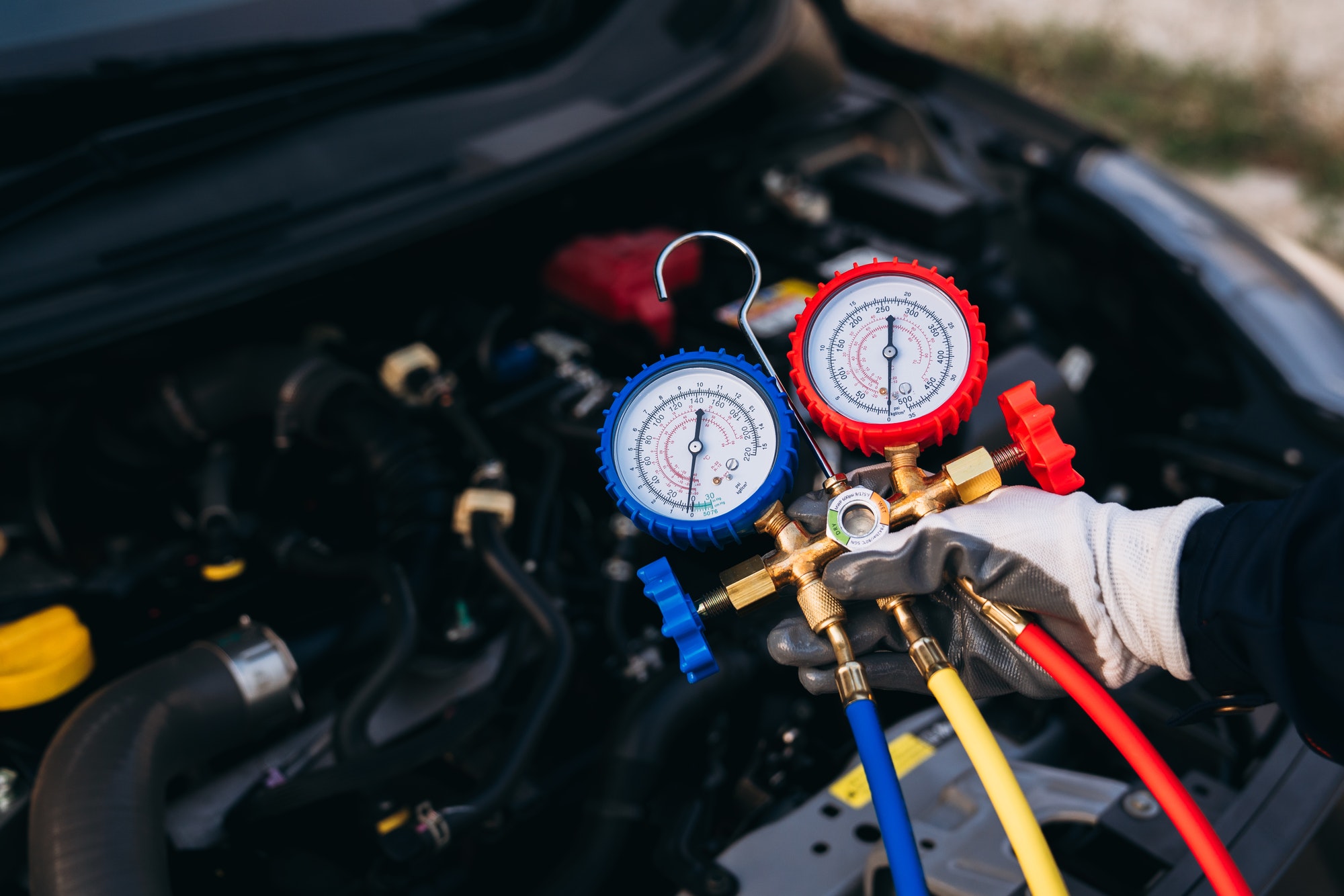
When your cooling system fails during peak weather, finding prompt and reliable air conditioning service repair near you requires knowing how to evaluate local contractors, verify technical credentials, and understand emergency service options before a breakdown occurs.
When looking for ac service repair near me, homeowners need an immediate strategy to identify licensed, reliable local technicians who can diagnose cooling system failures, evaluate warranty coverages, and provide transparent cost estimates without falling victim to predatory pricing or unqualified contractors.
Understanding Your Air Conditioning System and Common Failure Points
Air conditioning systems are complex closed-loop thermodynamic networks. They rely on the continuous circulation of refrigerant, controlled electrical currents, and mechanical air movement to extract heat and moisture from an indoor environment. When a system breaks down, the root cause typically traces back to one of several critical sub-systems. Understanding these components helps homeowners communicate more effectively with service technicians and spot potential misdiagnoses.
The most common failure point in residential cooling systems involves electrical components, specifically capacitors and contactors. Capacitors store and release electrical energy to jump-start the compressor and fan motors. Over time, heat exposure degrades these components, leading to a system that hums but fails to blow cold air or turn on entirely. Another frequent issue is refrigerant leakage. Contrary to popular belief, air conditioners do not consume refrigerant; they recirculate it. If levels are low, a physical leak must be located, repaired, and recharged by an EPA-certified technician holding a Section 608 technician certification, mandated by the United States Environmental Protection Agency.
Airflow restrictions also drive a significant percentage of service calls. A clogged air filter, a blocked duct run, or a frozen evaporator coil forces the system to work harder, reducing efficiency and eventually tripping internal safety switches. Recognizing whether a problem is mechanical, electrical, or airflow-related allows homeowners to perform basic preliminary troubleshooting before scheduling a professional service call, potentially saving diagnostic fees for simple user errors like a tripped circuit breaker or a misprogrammed thermostat.
The Importance of Local Proximity and Response Times
The geographical proximity of an HVAC service provider matters immensely when your indoor environment becomes dangerously hot or humid. Local contractors maintain distinct advantages over national dispatching services or out-of-area companies, primarily regarding response times, local building code familiarity, and community accountability.
When searching for local repair services, prioritize companies situated within your immediate municipality or county. Proximity ensures that dispatch times for emergency service calls remain manageable, minimizing the duration of your discomfort. Furthermore, local technicians understand regional climate specifics—such as high ambient humidity in coastal regions or extreme dry heat in desert environments—which influence how systems wear down and how repairs must be executed.
Local companies also build their reputations on word-of-mouth recommendations within the specific communities they serve. An established local contractor has a vested interest in maintaining positive standing with local consumer protection agencies, the Better Business Bureau, and neighborhood networks. Conversely, national lead-generation platforms often sell your contact information to the highest bidder, matching you with distant contractors who may charge steep travel fees or lack intimate familiarity with your specific local utility regulations and rebate programs.
Key Criteria for Evaluating and Verifying HVAC Contractors
Hiring an air conditioning repair technician requires rigorous vetting to protect your financial investment and ensure home safety. Because HVAC systems involve high-voltage electricity, pressurized gases, and structural modifications, incompetent workmanship can result in property damage, carbon monoxide leaks from gas furnaces tied to the system, or complete system failure.
| Verification Criteria | What to Look For | Why It Matters |
|---|---|---|
| Licensing | State or municipal contractor license | Confirms legal authorization and minimum competency |
| Insurance | General liability and worker's compensation | Protects homeowner from liability during accidents |
| Certifications | NATE (North American Technician Excellence) or EPA Section 608 | Validates advanced technical knowledge and refrigerant handling compliance |
| Warranties | Written guarantees on labor and replacement parts | Ensures accountability if the same issue recurs |
Before signing any service agreement, verify that the technician carries active general liability insurance and worker's compensation. If a technician is injured on your property or damages your roof or electrical panel while servicing the air conditioner, inadequate insurance leaves you financially exposed. You can cross-reference state licenses through your state’s department of labor or contractor licensing board online databases.
Additionally, inquire about technician certifications. Organizations like North American Technician Excellence (NATE) administer rigorous testing to verify a technician's real-world working knowledge of HVAC systems. Choosing a contractor employing NATE-certified personnel significantly increases the likelihood of an accurate first-time diagnosis.
Decoding Repair Costs, Diagnostic Fees, and Estimates
Navigating the financial aspects of air conditioning repair can be stressful, particularly during emergency situations. Understanding standard industry pricing structures helps homeowners distinguish between fair market rates and opportunistic overcharging.
Most HVAC service companies charge a flat-rate or hourly "diagnostic fee" or "service call fee" just to send a technician to your home and determine the source of the malfunction. This fee typically covers travel time and the first 30 to 60 minutes of troubleshooting. Legitimate contractors will disclose this fee upfront before dispatching a technician. Be cautious of companies advertising unusually low service call fees, as they frequently make up the difference by inflating repair parts or recommending unnecessary replacements.
Once diagnosed, reputable contractors provide written estimates detailing:
- The specific replacement part or repair procedure required.
- The cost of individual parts versus labor.
- Any applicable labor warranties (standard warranties range from 30 days to one year).
- Whether the diagnostic fee is waived if you proceed with the recommended repair.
If a repair estimate approaches 50% of the replacement cost of the entire unit—especially if the unit is more than 10 years old and uses older, phased-out refrigerants like R-22—investing in a new system is often more financially prudent than sinking money into recurring repairs.
Preparing Your Home and System for the Service Visit
To maximize the efficiency of a service call and minimize billable labor time, homeowners should take specific preparatory steps before the technician arrives. Proper preparation ensures safe access to the equipment and provides the technician with historical context regarding the failure.
- Clear Physical Access: Remove clutter, storage items, outdoor furniture, or overgrown vegetation blocking access to both the indoor air handler (located in an attic, closet, or basement) and the outdoor condenser unit. Technicians need room to maneuver tools, gauges, and replacement parts.
- Document Symptoms: Write down a timeline of the failure. Did the system stop abruptly, or did it gradually lose cooling capacity? Did you notice strange noises (grinding, squealing, clicking), foul odors (burning electrical smells, musty mildew), or ice accumulation on the copper lines?
- Check Basic Controls: Verify that the thermostat is set to "Cool," the temperature is set below current room temperature, and the circuit breaker in your electrical panel has not tripped. Mention these checks to the technician.
- Secure Pets: Keep dogs, cats, and small children away from the work area. HVAC repairs involve open panels, electrical testing equipment, and potentially hazardous materials.
Providing this baseline information accelerates the diagnostic phase, allowing the technician to focus directly on testing electrical components, checking refrigerant pressures, and evaluating mechanical wear.
Frequently Asked Questions About AC Service and Repair
What should I do if my AC stops working on the hottest day of the year?
First, check your electrical breaker panel to see if a switch has tripped. Next, inspect and replace your air filter if it is clogged. If the breaker trips repeatedly or the system remains unresponsive, turn the thermostat to the "Off" position to prevent compressor damage and immediately contact a local emergency repair service.
How often should I schedule preventative maintenance for my air conditioning system?
HVAC manufacturers recommend professional preventative maintenance at least once per year, ideally in the spring before the heavy cooling season begins. Regular tune-ups involve cleaning coils, checking refrigerant levels, clearing condensate drains, and lubricating moving parts, which extends equipment lifespan and maintains efficiency.
Is it better to repair an old air conditioner or replace it entirely?
The standard industry guideline is the "50% Rule." If your system is over 10 years old and the cost of the repair exceeds 50% of the cost of a brand-new system, replacement is generally more cost-effective. Furthermore, older systems utilizing R-22 refrigerant are expensive to recharge due to federal phase-out regulations, making replacement the more sustainable choice.
Why is my air conditioner freezing up and forming ice?
An AC evaporator coil freezes when there is restricted airflow (such as a dirty filter or blocked vents) or a low refrigerant charge. When airflow drops, the refrigerant inside the coil cannot absorb enough heat, causing its temperature to drop below freezing, which turns any moisture condensation on the coil into solid ice. Turn the system off immediately and run the fan to thaw the unit before calling a technician.
Are diagnostic fees refundable if I choose not to complete the repair?
Generally, no. Diagnostic fees cover the technician's time, travel, and expertise required to locate the problem. Reputable companies state their diagnostic fee policy upfront before dispatching a technician, and some will waive the fee if you approve the recommended repair work through their company.
Next Steps for Homeowners
When faced with an air conditioning malfunction, resist the urge to panic or call the first unverified listing you encounter online. Take five minutes to verify local licensing, check customer reviews on independent platforms, and confirm upfront pricing policies. By partnering with a qualified, local HVAC professional, you ensure your cooling system is restored safely, efficiently, and with long-term reliability.