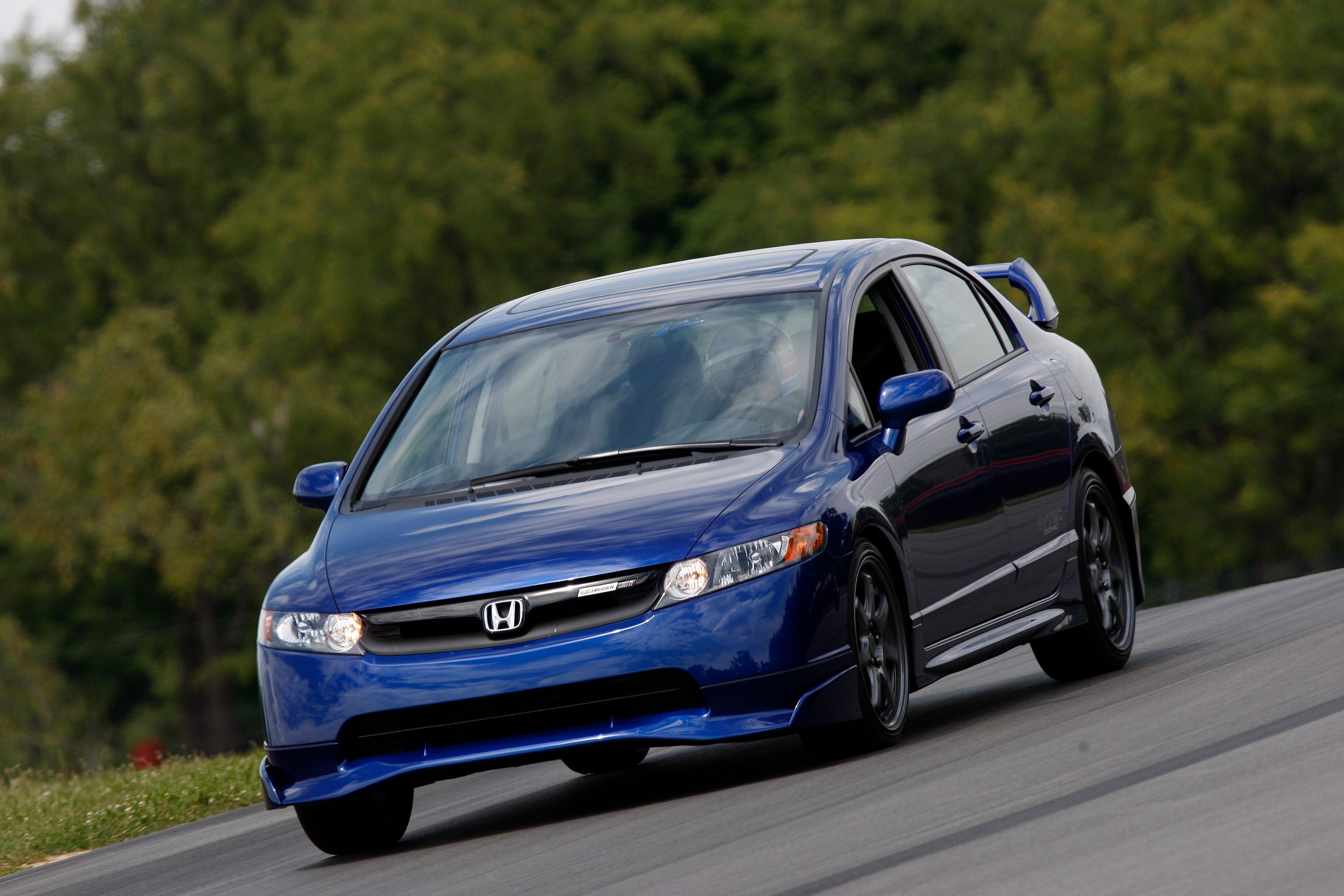
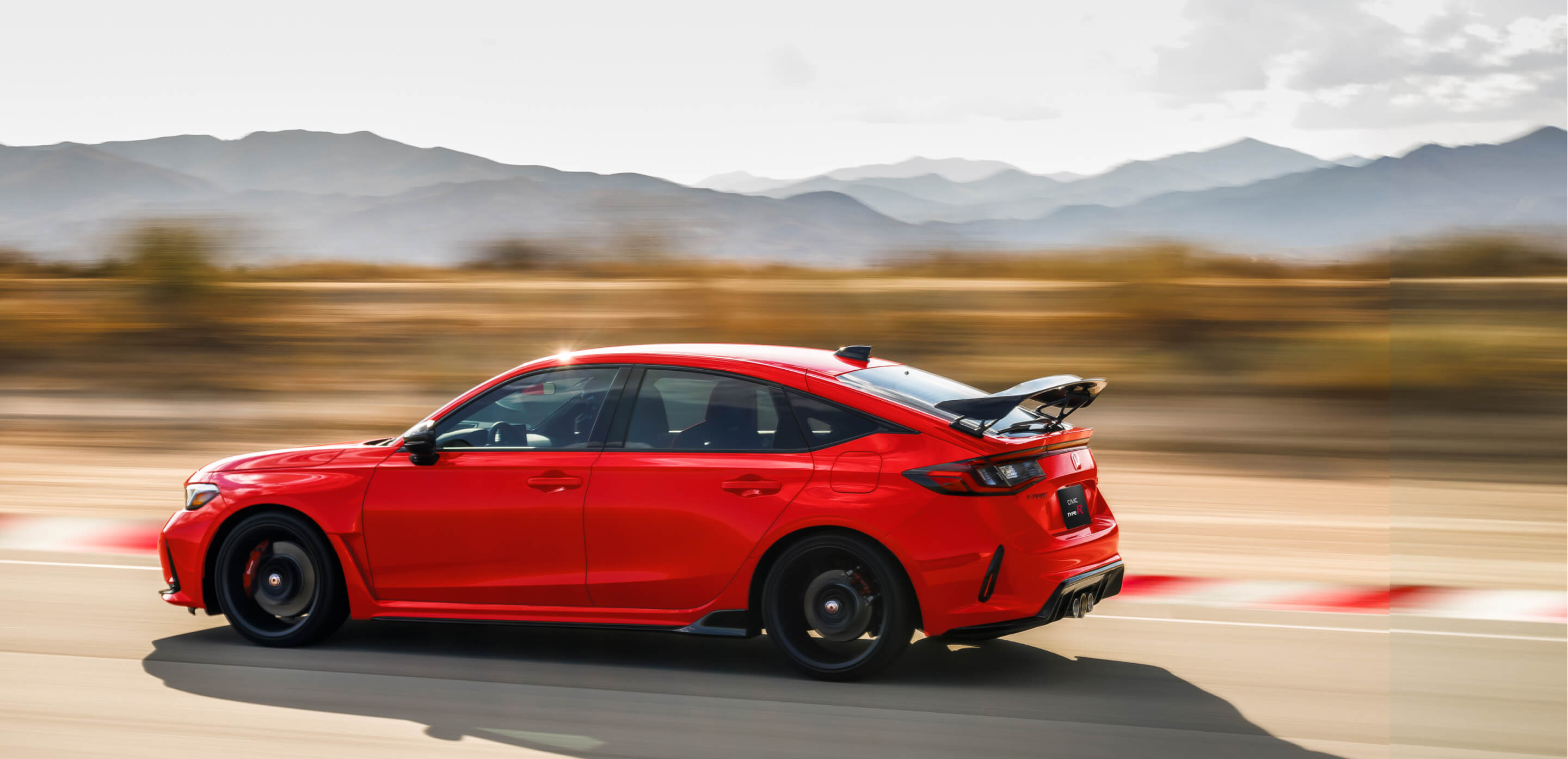
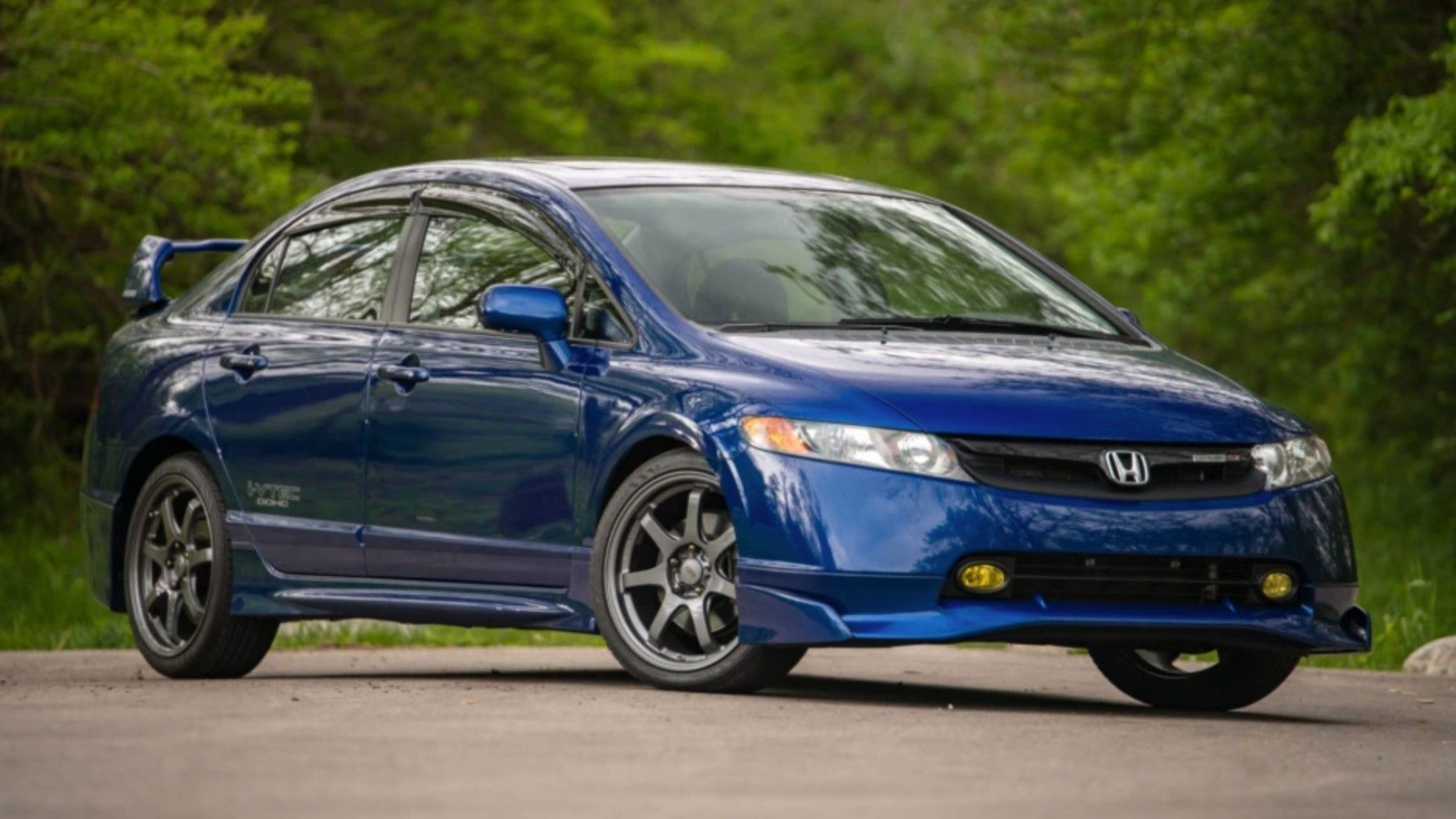
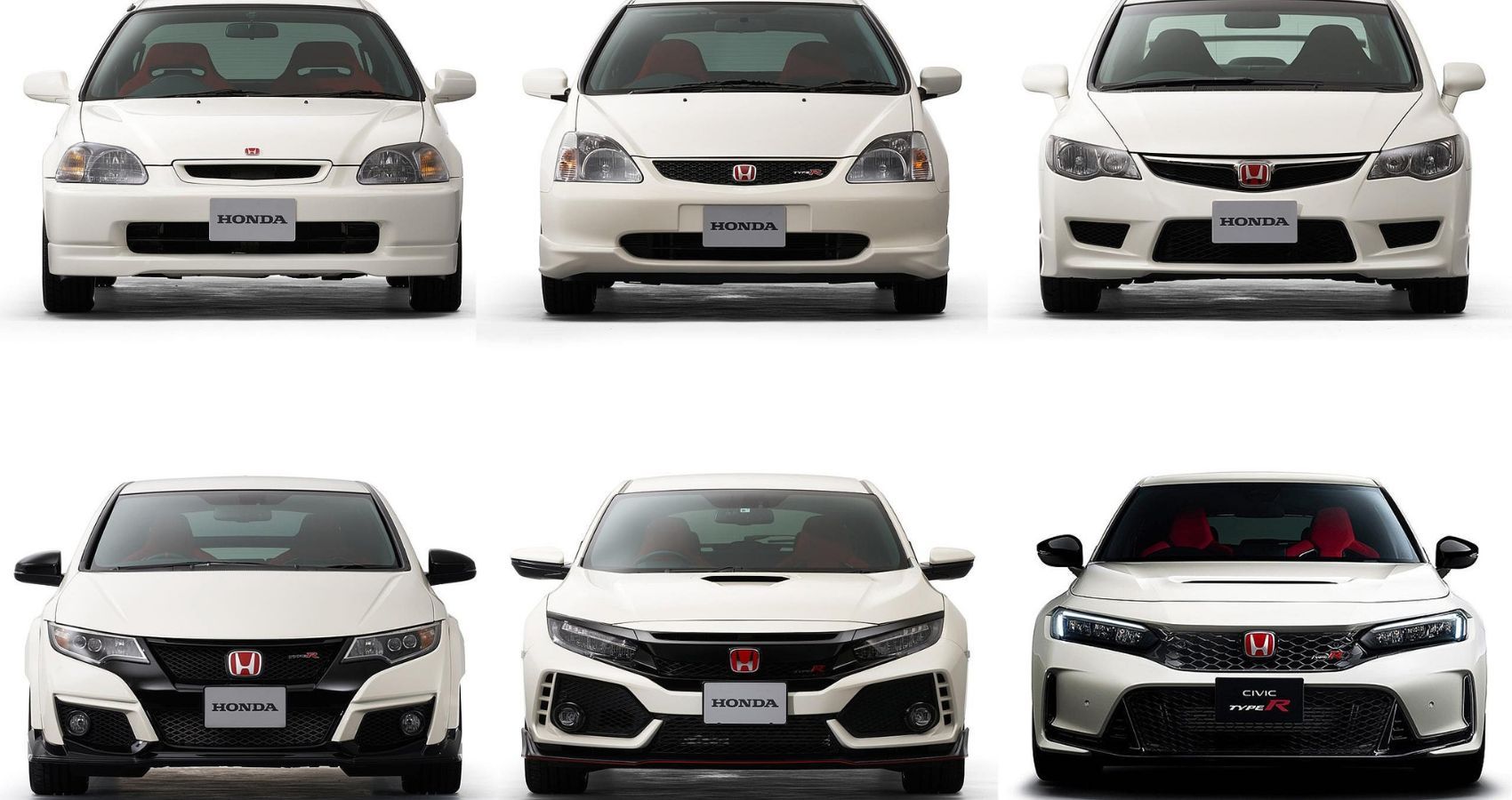
The 8th generation Honda Civic Type R (2007–2011) represents a unique era where Honda split the model into two distinct versions: the track-focused FD2 sedan for the Japanese market and the stylish, practical FN2 hatchback for Europe and international markets. Both feature the legendary high-revving K20 naturally aspirated engine and remain icons for driving enthusiasts in 2026.
The Dual Identity of the 8th Generation Type R
When Honda unveiled the 8th generation of its iconic "Red H" badge in 2007, it broke from tradition by developing two entirely different cars for different geographical needs. This decision remains one of the most discussed chapters in the history of the Civic Type R. Unlike the previous EP3 generation, which was relatively unified across markets, the 8th generation forced fans to choose between the uncompromising performance of the Japanese domestic market (JDM) FD2 and the futuristic, road-compliant European FN2.
In 2026, these vehicles have transitioned from used performance cars to bona fide modern classics. Collectors and enthusiasts value them for being among the last "pure" Type Rs—cars that relied on high RPMs and mechanical grip rather than the turbochargers and complex electronic damping found in later models like the FK2, FK8, and FL5. Understanding the 8th generation requires a deep dive into the engineering philosophies that separated the sedan from the hatchback.
The FD2: The Uncompromising JDM Legend
The FD2 Type R, sold exclusively in Japan (and officially imported in small numbers to Malaysia), is widely considered by purists to be the pinnacle of the naturally aspirated Civic line. Built on the four-door sedan chassis, it was designed with a singular focus: track performance.
Engineering and Chassis Rigidity
Honda engineers didn't just add a wing to a standard Civic sedan. The FD2 chassis underwent extensive structural reinforcement. It is significantly stiffer than the previous DC5 Integra Type R and the EP3 Civic. Extensive use of structural adhesives and reinforced mounting points resulted in a platform that could handle extreme cornering forces without flexing.
The suspension was equally hardcore. Unlike the FN2, the FD2 retained an independent multi-link rear suspension setup. While this provided superior mechanical grip and mid-corner stability, it also resulted in a ride quality that many reviewers at the time described as "punishingly stiff" for public roads. However, on a circuit like Suzuka or Tsukuba, the FD2 was peerless in its class.
The K20A Heartbeat
The FD2 is powered by the K20A 2.0-liter i-VTEC engine, producing approximately 222 hp (225 PS) and 159 lb-ft of torque. This version of the K20 features a drive-by-wire throttle and a specially tuned intake manifold. The power delivery is linear, with the famous VTEC "kick" occurring at 5,800 RPM and the redline stretching to a screaming 8,400 RPM. This engine was paired with a close-ratio 6-speed manual transmission and a helical Limited Slip Differential (LSD) as standard, ensuring power reached the tarmac effectively during aggressive corner exit.
The FN2: The Futuristic European Hatchback
While Japan received the sedan, Europe and other global markets were introduced to the FN2. This model was based on the 8th generation "European Civic" platform, famous for its "wedge" shape and "spaceship" interior design.
Design and Practicality
The FN2 is arguably one of the most visually striking Civics ever made. With its hidden rear door handles and triangular exhaust tips integrated into the rear bumper, it looked like a concept car brought to life. Inside, it featured the "Magic Seats" system, allowing the rear seat bases to flip up like cinema seats, providing unparalleled cargo flexibility for a performance car.
The dashboard featured a "Dual-Zone" layout, with a digital speedometer placed high in the driver's line of sight and an analog tachometer centered behind the steering wheel. This ergonomic focus made it a much better daily driver than its Japanese sibling.
The Compromise: Torsion Beam Suspension
The most controversial aspect of the FN2 was its rear suspension. To maximize interior space and the Magic Seat functionality, Honda switched from an independent multi-link setup to a simplified torsion beam (trailing arm) rear suspension.
Critics argued that this was a step backward in handling sophistication. On bumpy B-roads, the FN2 could feel unsettled compared to the older EP3 or the FD2. However, Honda’s engineers worked extensively on the damping to mitigate these effects. In 2010, Honda addressed one of the main criticisms by making a helical LSD standard on the "Championship White" edition and later regular models, significantly improving its front-end bite and ability to pull through corners.
Technical Specifications: FD2 vs. FN2
The following table highlights the primary technical differences between the two iterations of the 8th generation Type R.
| Feature | Civic Type R FD2 (Japan) | Civic Type R FN2 (Europe) |
|---|---|---|
| Body Style | 4-Door Sedan | 3-Door Hatchback |
| Engine Code | K20A | K20Z4 |
| Peak Power | 222 hp (225 PS) @ 8,000 RPM | 198 hp (201 PS) @ 7,800 RPM |
| Peak Torque | 215 Nm @ 6,100 RPM | 193 Nm @ 5,600 RPM |
| Rear Suspension | Independent Multi-link | Torsion Beam |
| Brakes (Front) | 4-piston Brembo Aluminum | Single-piston Cast Iron |
| Standard LSD | Yes (Helical) | Optional (Standard after 2010) |
| Weight | Approx. 1,270 kg | Approx. 1,320 kg |
| Wheel Size | 18-inch (Potenza RE070) | 18-inch or 19-inch (Potenza RE050) |
Driving Dynamics and VTEC Engagement
The defining characteristic of the 8th generation Type R is the i-VTEC system. Unlike modern turbocharged engines that provide a flat torque curve from low RPMs, the K20 series requires the driver to work for the performance.
Driving an 8th gen Type R is a rhythmic experience. You must keep the needle between 6,000 and 8,000 RPM to stay in the "power band." When the high-lift cam profile engages (VTEC), the engine note changes from a metallic hum to a high-pitched mechanical wail. In 2026, this visceral, analog sensation is increasingly rare, making the 8th gen a favorite for those who find modern paddle-shift cars too clinical.
The FD2 offers a more "point-and-shoot" experience thanks to its Brembo brakes and aggressive tire compound. It rotates beautifully under trail-braking. The FN2, conversely, requires more finesse. Because of the torsion beam, it can be more prone to lift-off oversteer if the driver is mid-corner and abruptly lets off the throttle—a trait that experienced drivers often use to their advantage to help the car turn.
Reliability and Common Maintenance Issues
By 2026, many 8th generation Civics have high mileage or have seen significant track use. Fortunately, the K-series engine is famously over-engineered, but there are specific areas to monitor.
- Third Gear Synchro: Early FN2 models were known for a "crunch" when shifting into third gear at high RPMs. This was often addressed under warranty, but buyers should check for smooth engagement.
- VTEC Solenoid Leaks: Over time, the gaskets on the VTEC solenoid can perish, leading to oil seeps. This is a relatively inexpensive fix but essential for maintaining oil pressure.
- Roof Rust (FN2): A common issue on European models is rust forming under the rubber seal at the top of the windscreen. If left unchecked, this can lead to expensive bodywork repairs.
- Suspension Bushings: Given the stiffness of these cars, rubber bushings often wear out by the 100,000-mile mark. Upgrading to polyurethane bushings is a popular 2026-era modification to restore handling precision.
- Valve Clearances: Unlike modern cars with hydraulic lifters, the K20 requires manual valve clearance adjustments every 25,000 to 40,000 miles to ensure optimal performance and engine longevity.
The 8th Generation in the 2026 Market
As we move further into the 2020s, the value of the 8th generation Civic Type R has begun to climb. The FD2, in particular, has seen a surge in value as it approaches the age where it can be more easily exported to North America and other restricted markets under "classic vehicle" exemptions.
The FN2 remains the more affordable entry point into Type R ownership. While it was once the "unloved" sibling, enthusiasts in 2026 have come to appreciate its unique styling and the fact that it was the last naturally aspirated Type R hatchback ever produced. Special editions like the Mugen RR (an ultra-limited FD2) or the FN2 Championship White Edition (with the factory LSD) command significant premiums and are considered blue-chip automotive investments.
Frequently Asked Questions
Is the FD2 significantly faster than the FN2?
Yes, in a track environment, the FD2 is notably faster. Testing at various circuits has shown the FD2 to be several seconds quicker per lap than the FN2. This is due to its more powerful engine tuning, lighter weight, superior rear suspension, and more aggressive factory aerodynamics. However, on a daily commute, the FN2 is often considered the better car due to its more compliant ride and interior versatility.
Can I install an LSD on an early FN2?
Yes. Many owners of pre-2010 FN2 models choose to retrofit the OEM Honda helical LSD or aftermarket options like those from Quaife or Wavetrac. This is one of the most effective modifications for the FN2, as it drastically reduces understeer and improves traction when powering out of tight corners.
What is the difference between the K20A and K20Z4?
The K20A (found in the FD2) is a JDM-spec engine with higher compression, more aggressive camshafts, and a balanced crankshaft. The K20Z4 (found in the FN2) was designed to meet stricter European emission standards. While the K20Z4 is still a fantastic engine, it produces slightly less power and has a slightly lower redline than the K20A.
Is the 8th Gen Civic Type R a good daily driver?
The FN2 is a great daily driver because of its "Magic Seats" and hatchback practicality, though the ride is firm. The FD2 is much harder to live with daily due to its extremely stiff suspension and lack of sound deadening, making it better suited as a weekend or track car.
Why is it called the "8th Generation" when the design looks so different from the 7th?
Honda completely redesigned the Civic platform for the 8th generation, moving away from the "mini-MPV" look of the 7th gen (EP3) toward a more aerodynamic and futuristic aesthetic. This generation also introduced the "Global Small Platform" for the hatchback, which moved the fuel tank under the front seats to allow for the Magic Seat system.
Practical Recommendation for Buyers
If you are looking for the ultimate front-wheel-drive driving experience and don't mind the logistics of importing a right-hand-drive vehicle, the Civic Type R FD2 is the definitive choice. Its engineering is uncompromising, and its status as a JDM icon is secure.
However, for those who want a usable, stylish, and thrilling performance car that can still handle a trip to the grocery store or a long road trip, the Civic Type R FN2 (specifically the 2010+ models with the LSD) offers incredible value. In 2026, both cars represent a high-water mark for naturally aspirated engineering that we are unlikely to see again from major manufacturers. Focus on finding a specimen with a documented service history, particularly regarding oil changes and valve adjustments, to ensure the K20 engine continues to scream all the way to 8,000 RPM.