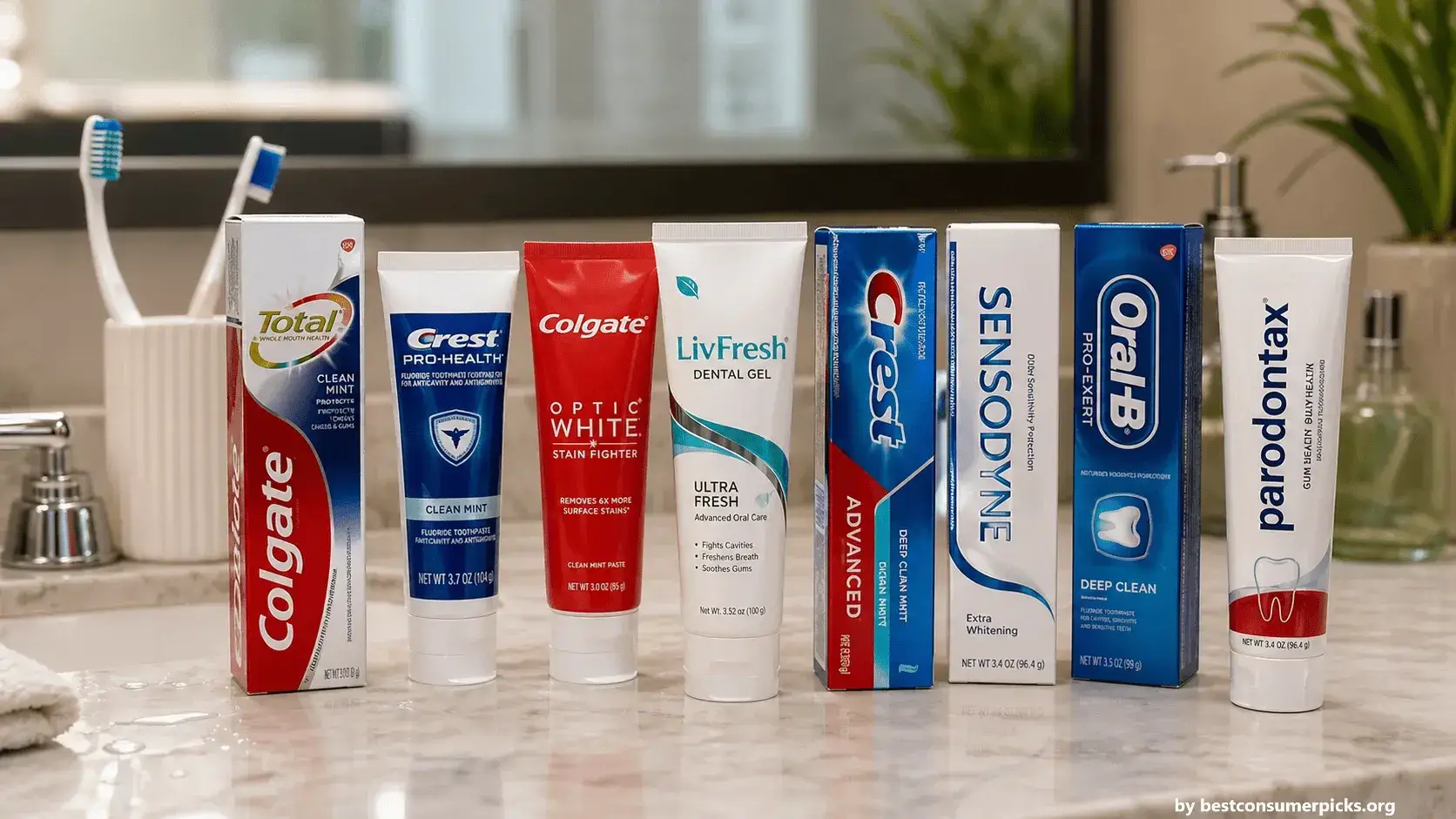
Selecting the right toothpaste requires balancing individual oral health needs—such as enamel sensitivity, gingivitis protection, or whitening—with active ingredients like fluoride or stannous fluoride. While "top ten" lists often shift based on marketing, the most effective choices remain those that consistently satisfy clinical standards for plaque removal, cavity prevention, and gum health in 2026.
Understanding Dental Benefit Categorization
When evaluating toothpaste, the primary differentiator is the intended clinical outcome. Most high-performing products are categorized by the specific dental concern they address. Fluoride-based pastes are the industry standard for remineralization and caries (cavity) prevention, while products containing stannous fluoride provide additional benefits for gum health and sensitivity. Other variants focus on physical abrasion or chemical agents to lift extrinsic stains for whitening.
To determine the "best" pick, you must first identify your primary objective: Are you looking to harden weakened enamel, reduce gingival bleeding, or minimize tooth sensitivity to cold? A toothpaste that ranks highly for whitening may not provide the necessary protection for someone with exposed root surfaces or active periodontal inflammation.
The Top 7 Toothpaste Picks Ranked by Clinical Utility
These selections are based on their active ingredient profiles, the presence of the American Dental Association (ADA) Seal of Acceptance where applicable, and their specific efficacy in clinical dental hygiene applications as of early 2026.
1. Colgate Total Plaque Pro-Release
This formula ranks highest for overall gum health. It utilizes a stabilized stannous fluoride complex that targets bacteria at the gum line. Unlike standard fluoride pastes, the stannous ion offers antimicrobial properties that reduce gingivitis significantly over consistent use. It is recommended for users who prioritize long-term periodontal stability.
2. Sensodyne Rapid Relief
For users suffering from dentinal hypersensitivity, this remains the gold standard. It uses stannous fluoride to create a protective barrier over exposed dentin tubules. By physically blocking the pathways to the nerve, it provides faster relief from thermal stimuli (cold/hot) compared to potassium nitrate formulas that work by numbing the nerve.
3. Crest Pro-Health Advanced Deep Clean
This is a versatile, all-in-one choice. It ranks highly due to its multi-functional approach, addressing cavities, gingivitis, plaque, and sensitivity in a single application. It is ideal for individuals who want a comprehensive preventative routine without switching between specialized products.
4. Burt’s Bees Fluoride Toothpaste (with Fluoride)
Targeting the growing demographic of consumers seeking natural-leaning products that do not compromise on dental science, this option includes essential fluoride for enamel protection. It avoids common synthetic dyes and artificial sweeteners, making it a preferred choice for those with oral tissue sensitivities to additives like SLS (sodium lauryl sulfate).
5. Colgate Optic White Pro Series
Ranked as the premier choice for cosmetic whitening, this product utilizes a higher concentration of hydrogen peroxide than standard whitening pastes. It is chemically designed to penetrate the enamel surface to remove deep-set intrinsic stains. Because of its abrasive profile, dentists typically advise using this in rotation with a gentler, hydrating paste to avoid enamel erosion.
6. Arm & Hammer Advance White Extreme Whitening
This is the most effective choice for users seeking mechanical stain removal. It uses high-grade baking soda (sodium bicarbonate), which is less abrasive than the silica used in many other brands. It helps neutralize oral acids, making it a dual-purpose tool for both whitening and maintaining a neutral oral pH, which inhibits decay.
7. Parodontax Active Gum Repair
Designed specifically for those who experience bleeding gums, this paste contains stannous fluoride and is formulated to kill plaque bacteria in the spaces between teeth and gums. It is technically specific to patients in the early stages of gum disease or those recommended by a periodontist to manage gingival irritation.
Comparison of Primary Dental Benefits
| Toothpaste | Primary Benefit | Key Active Ingredient | Best For |
|---|---|---|---|
| Colgate Total Pro-Release | Gum Health | Stannous Fluoride | Gingivitis/Plaque |
| Sensodyne Rapid Relief | Sensitivity | Stannous Fluoride | Thermal Sensitivity |
| Crest Pro-Health Advanced | All-in-One | Stannous Fluoride | General Prevention |
| Burt’s Bees (Fluoride) | Enamel Safety | Sodium Fluoride | Ingredient Sensitivity |
| Colgate Optic White Pro | Whitening | Hydrogen Peroxide | Cosmetic Stain Removal |
| Arm & Hammer Advance | pH Balance | Sodium Bicarbonate | Acidic Mouth/Stains |
| Parodontax Active Repair | Gum Disease | Stannous Fluoride | Bleeding Gums |
Essential Considerations for Long-Term Usage
The Role of Fluoride
Regardless of brand preference, the most critical factor in toothpaste efficacy is the presence of fluoride. Whether as sodium fluoride, sodium monofluorophosphate, or stannous fluoride, this mineral is essential for the remineralization process—the biological method by which your teeth repair early-stage structural damage caused by acidic food and bacteria. Without fluoride, the protective layer of your teeth (enamel) remains vulnerable to demineralization.
Managing Abrasion
Toothpaste contains abrasive agents (like hydrated silica or baking soda) that help scrub away biofilm and stains. However, these can be harmful if the concentration is too high or if the user brushes with excessive force. Individuals with receding gums or thin enamel should prioritize products marked as "low abrasion" to prevent further wear on the tooth structure.
Ingredient Sensitivities
Some users experience aphthous ulcers (canker sores) triggered by sodium lauryl sulfate (SLS), a common foaming agent. If you suffer from frequent mouth sores, look for SLS-free alternatives. Additionally, artificial sweeteners or flavors like mint can cause contact dermatitis for a small subset of the population; reviewing the ingredient list for potential allergens is a prudent step for those with chronic oral irritation.
Frequently Asked Questions
Does expensive toothpaste work better than generic brands? Not necessarily. The primary indicator of quality is whether the product contains active, proven ingredients like fluoride or stannous fluoride and if it has earned the ADA Seal of Acceptance. Many generic brands meet the same regulatory requirements as premium brands. Price differences are often driven by proprietary whitening agents or specialized sensitivity technology rather than basic cavity prevention.
How often should I change my toothpaste? You should change your toothpaste based on your current clinical needs, not a schedule. If your dentist notes early signs of gum inflammation, switching to a product like Colgate Total or Parodontax is appropriate. If you are preparing for a professional whitening treatment, your dentist may recommend a specific pre-treatment paste. Always consult your dental hygienist during your biannual checkup.
Is natural toothpaste as effective as traditional brands? Natural toothpaste is only as effective as its active ingredients. A "natural" product that lacks fluoride will not provide the same level of caries protection as a standard, fluoride-containing paste. If you choose a natural brand, ensure it contains fluoride or a scientifically validated alternative (such as hydroxyapatite) to ensure the longevity of your enamel.
Can I use a whitening toothpaste every day? While most whitening pastes are safe for daily use, those with high peroxide or high-abrasion silica can cause sensitivity if used exclusively. If you notice your teeth becoming sensitive to cold after starting a whitening regimen, transition to using the whitening paste once a day and a gentle, moisturizing fluoride paste at night to allow the enamel to recover.
Why does the ADA Seal of Acceptance matter? The ADA Seal of Acceptance is a voluntary program where companies provide scientific data to show that their product is both safe and effective. It confirms that the claims made on the packaging are supported by independent clinical research. Products without the seal are not necessarily "bad," but they have not undergone this additional layer of rigorous verification.
Recommendations for Daily Maintenance
To maximize the benefits of your chosen toothpaste, ensure you follow a consistent brushing protocol. Apply a pea-sized amount of paste to a soft-bristled brush. Brush for at least two minutes, ensuring you reach the back molars and the gum line at a 45-degree angle. Most importantly, do not rinse your mouth with water immediately after brushing. By spitting out the excess paste and not rinsing, you allow the active ingredients, particularly the fluoride, to remain in contact with your enamel for a longer period, significantly increasing its therapeutic effectiveness.
If you are currently experiencing active pain, persistent bleeding, or significant tooth sensitivity, these pastes should be viewed as support tools rather than cures. Schedule an appointment with your dental provider to rule out underlying issues such as cracked teeth, deep decay, or advanced periodontal disease, which toothpaste cannot resolve on its own.