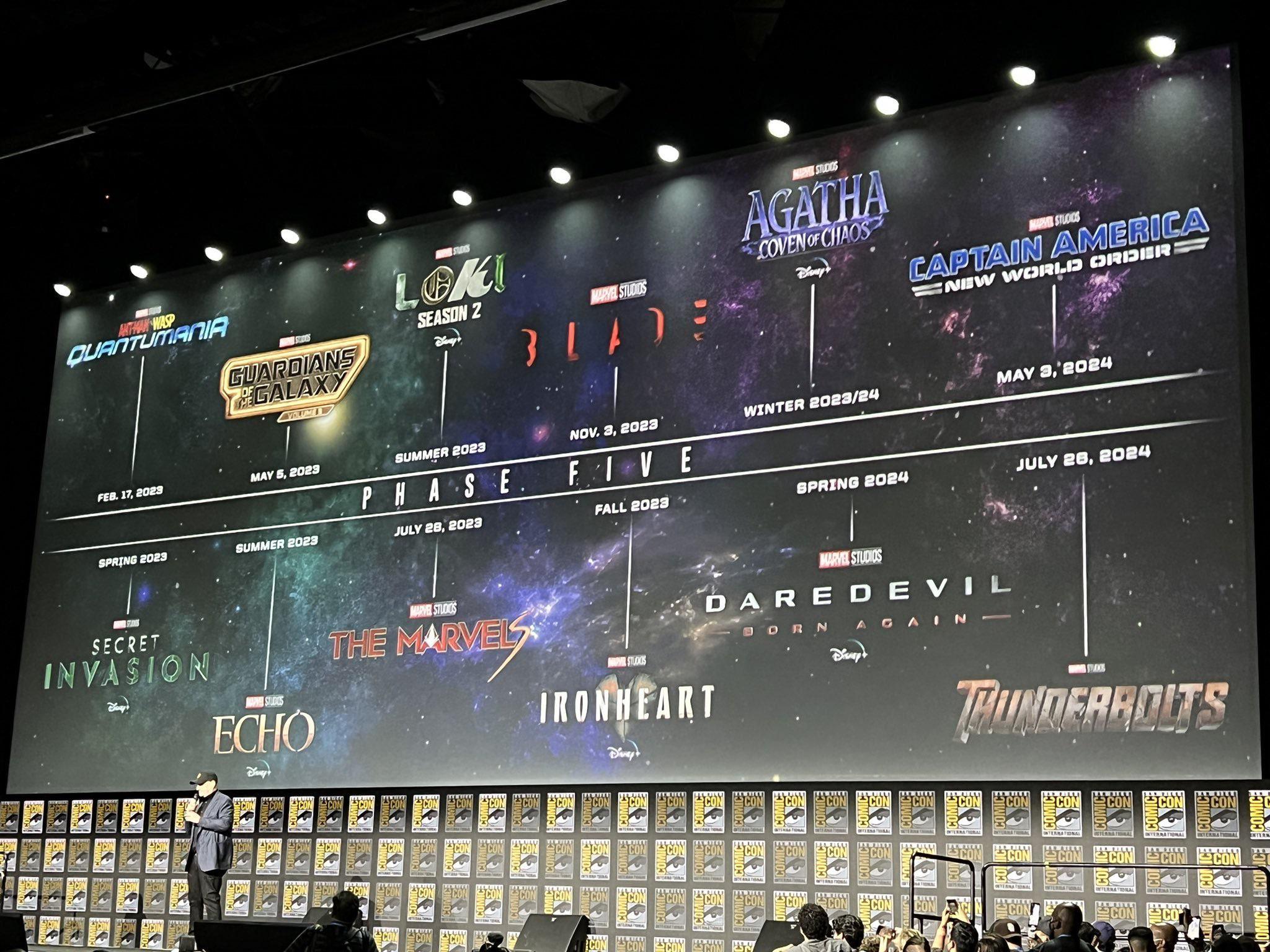
The Marvel Cinematic Universe (MCU) roadmap Phase Six represents the thrilling culmination of the Multiverse Saga, bringing together major theatrical releases and streaming narratives to build toward unprecedented cinematic crossover events. Phase Six is officially slated to begin following the conclusion of Phase Five, serving as the final bridge that resolves ongoing multiverse conflicts, introduces pivotal new and returning characters, and sets up a brand-new status quo for the franchise.
The Structural Evolution of the Multiverse Saga
To understand where Phase Six fits, one must examine how Marvel Studios structures its overarching narrative blocks. The Multiverse Saga—encompassing Phases Four, Five, and Six—focuses heavily on the fracturing of reality, alternate dimensions, and the existential threats posed by beings like Kang the Conqueror and other cosmic powerhouses. While Phase Four introduced the concept of branching timelines and Phase Five deepened the chaos, Phase Six is designed to bring these disparate narrative threads to a definitive, high-stakes head.
Unlike the Infinity Saga, which unfolded with relative linear clarity, the Multiverse Saga has incorporated both theatrical features and Disney+ television series into essential viewing paths. Phase Six continues this dual-format approach, though Marvel Studios has adjusted its production volume and quality-control measures to ensure each project retains maximum cultural and narrative impact. Understanding this structural intent helps fans contextualize why certain characters receive standalone features while others appear primarily in ensemble crossover films.
Confirmed Theatrical Releases and Production Milestones
Phase Six features a tightly curated slate of theatrical releases designed to maximize momentum leading into the saga's grand finales. While scheduling shifts are common in major Hollywood franchises due to production changes, writer strikes, and shifting studio priorities, the core components of Phase Six remain some of the most anticipated events in modern cinema.
The Fantastic Four: First Steps
Kicking off the theatrical heavy-hitters of Phase Six, The Fantastic Four: First Steps introduces Marvel’s First Family into the core MCU continuity. Set in a distinct retro-futuristic 1960s aesthetic that separates their origin from the modern-day Earth-616 timeline, this film establishes Reed Richards, Sue Storm, Johnny Storm, and Ben Grimm long before they inevitably intersect with the wider multiverse. The film carries the immense responsibility of finally integrating these iconic characters into a critically acclaimed cinematic universe after several previous attempts by 20th Century Fox.
Avengers: Doomsday and Avengers: Secret Wars
The absolute centerpieces of Phase Six are the back-to-back mega-crossover events: Avengers: Doomsday and Avengers: Secret Wars. Originally slated under different titles and creative directions, these films will serve as the Endgame-level culmination of the entire Multiverse Saga. Avengers: Doomsday pivots the overarching threat of the saga, bringing iconic elements of Marvel lore to the forefront—most notably featuring Robert Downey Jr. in his shocking return to the franchise, this time portraying the iconic antagonist Victor von Doom. Following this, Avengers: Secret Wars is expected to adapt the legendary comic book event where various fragments of destroyed realities collide to form Battleworld, paving the way for a potential soft reboot or streamlined continuity for future phases.
Phase Six Project Timeline and Status Overview
The following table summarizes the key theatrical milestones and developmental tracking associated with the core projects of Marvel Cinematic Universe Phase Six.
| Project Title | Primary Medium | Expected Window / Status | Narrative Focus & Significance |
|---|---|---|---|
| The Fantastic Four: First Steps | Theatrical Feature | Mid-2025 (Production/Post) | Introduces Marvel's First Family in an alternate 1960s setting prior to multiverse collision. |
| Untitled Marvel Project | Theatrical Feature | Late 2025 / Early 2026 | Fills a strategic narrative gap between major team-up events. |
| Avengers: Doomsday | Theatrical Feature | May 2026 (Scheduled) | Major crossover event shifting the central antagonist focus to Doctor Doom. |
| Untitled Marvel Project | Theatrical Feature | Late 2026 | Explores post-crisis fallout or secondary cosmic/mystical storylines. |
| Avengers: Secret Wars | Theatrical Feature | Scheduled (Post-Doomsday) | The massive saga finale bringing alternate realities together on Battleworld. |
Television Integration and Disney+ Streaming Strategy
Streaming series on Disney+ have become a foundational pillar of modern MCU storytelling, but Phase Six reflects a refined strategy compared to earlier phases. Marvel Studios has adopted a television production model closer to traditional network television, utilizing showrunners, dedicated writer rooms, and extended post-production windows to ensure tighter continuity.
While fewer Disney+ series are locked into the official Phase Six banner compared to Phase Five, the series that do make the cut are designed to function as direct narrative prequels or companion pieces to the theatrical films. Rather than telling isolated, self-contained stories, these shows focus on shifting the political, magical, or cosmic landscape of the MCU. For instance, series exploring cosmic entities, magic users, or street-level heroes caught in the crossfire of universal collapse provide vital context that enriches the theatrical viewing experience without requiring casual viewers to feel entirely lost.
Creative Shifts and Quality Control at Marvel Studios
The development of Phase Six has not occurred in a vacuum; it has been shaped directly by the industry-wide and fan-driven discourse surrounding superhero fatigue and uneven visual effects quality in Phases Four and Five. In response, Marvel Studios leadership implemented significant structural changes to its development pipeline.
Key adjustments affecting Phase Six include:
- Extended Development Cycles: Scripts are required to be fully polished and locked before principal photography begins, reducing the reliance on costly, chaotic reshoots during post-production.
- Reduced Output: The studio scaled back its annual volume of releases, transitioning from a relentless stream of four films and multiple series per year to a more sustainable two-to-three film model.
- Showrunner System for TV: Moving away from the "movie split into six episodes" model, Disney+ shows now utilize experienced showrunners to oversee long-term arcs and episodic pacing.
These behind-the-scenes adjustments directly impact Phase Six by ensuring that high-budget spectacles like Avengers: Doomsday and Avengers: Secret Wars receive the comprehensive visual effects time and narrative focus they require.
Frequently Asked Questions
What exact films make up Marvel Phase Six?
Phase Six centers heavily on The Fantastic Four: First Steps, Avengers: Doomsday, and Avengers: Secret Wars, alongside strategically placed mystery projects that bridge the gap between these massive crossover events.
Is Phase Six the end of the Marvel Cinematic Universe?
No, Phase Six is not the end of the MCU. It is specifically the conclusion of the Multiverse Saga. Following Avengers: Secret Wars, Marvel Studios is widely expected to transition into a new narrative era, often speculated to explore mutant-centric storylines or fresh cosmic frontiers.
Do I need to watch all of Phase Four and Five to understand Phase Six?
Yes, because Phase Six acts as the ultimate payoff for the Multiverse Saga. Understanding character motivations, the mechanics of incursions, and the threat of multiversal collapse requires context established across Phases Four and Five.
Why did Marvel change the direction of Phase Six?
Marvel Studios adjusted its roadmap to address fan feedback regarding franchise fatigue, shifting release schedules, and a desire to refocus on high-impact, character-driven storytelling anchored by major cinematic events rather than sheer volume.
How does the introduction of the Fantastic Four affect the broader MCU?
The Fantastic Four serve as foundational anchors for the future of the franchise. Their integration bridges classic comic book lore with modern cosmic threats, setting up key scientific and dimensional concepts necessary for the resolution of the Multiverse Saga.
Strategic Recommendations for Fans and Viewers
To get the most out of Marvel Phase Six, viewers should focus on thematic continuity rather than attempting to consume every piece of auxiliary media. Prioritize keeping track of multiversal rules introduced in projects like Loki, Doctor Strange in the Multiverse of Madness, and Spider-Man: No Way Home, as these concepts form the literal physics of the conflicts in Avengers: Doomsday and Avengers: Secret Wars. By following official studio announcements and maintaining awareness of production shifts, fans can appreciate how the MCU successfully navigates its most ambitious cinematic transition to date.