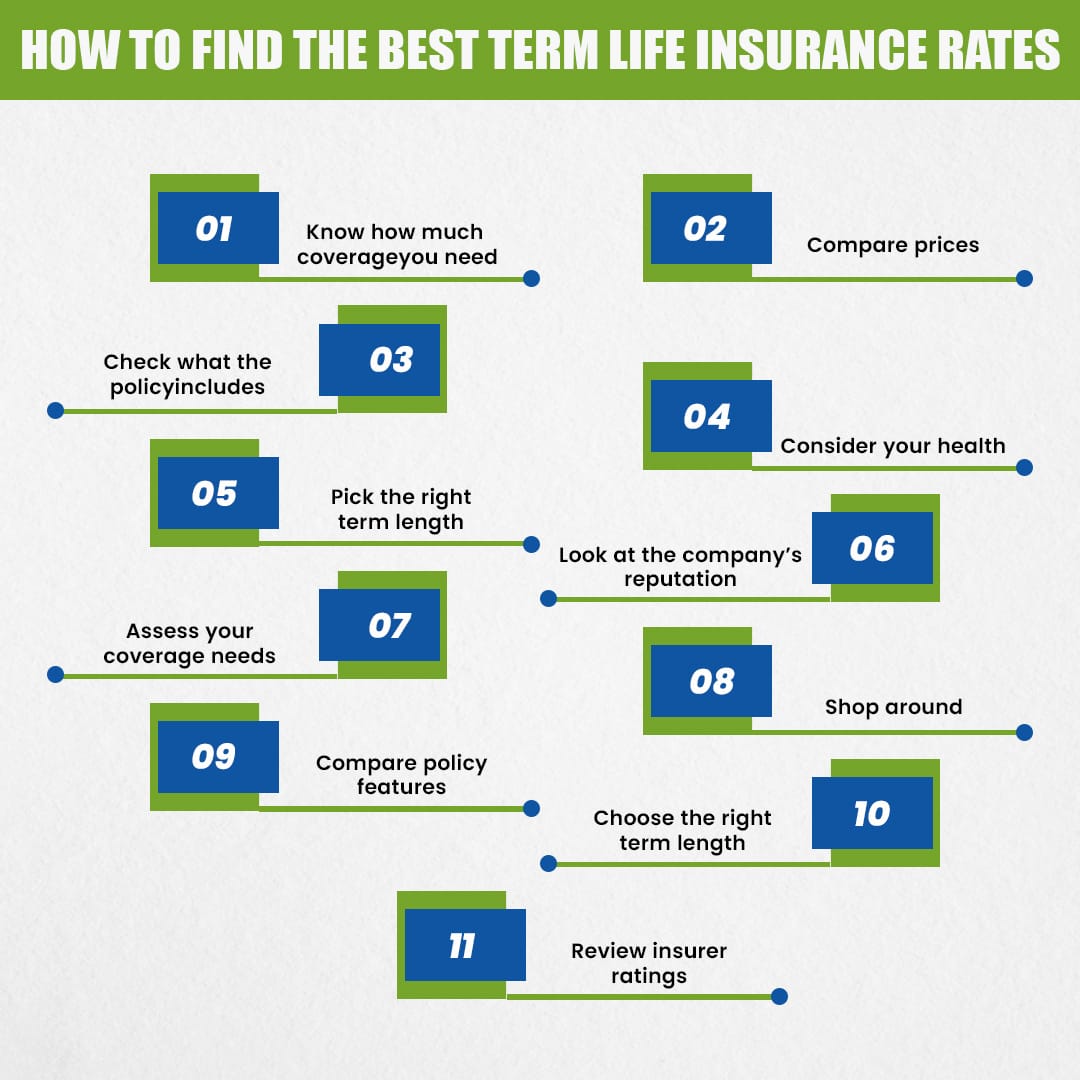
Selecting a life insurance policy requires aligning the duration of your coverage with specific financial obligations, such as a mortgage, income replacement needs, or the years until your children are financially independent. Term life insurance offers straightforward protection for a set period, and choosing the right term length determines whether your family remains protected when financial liabilities peak.
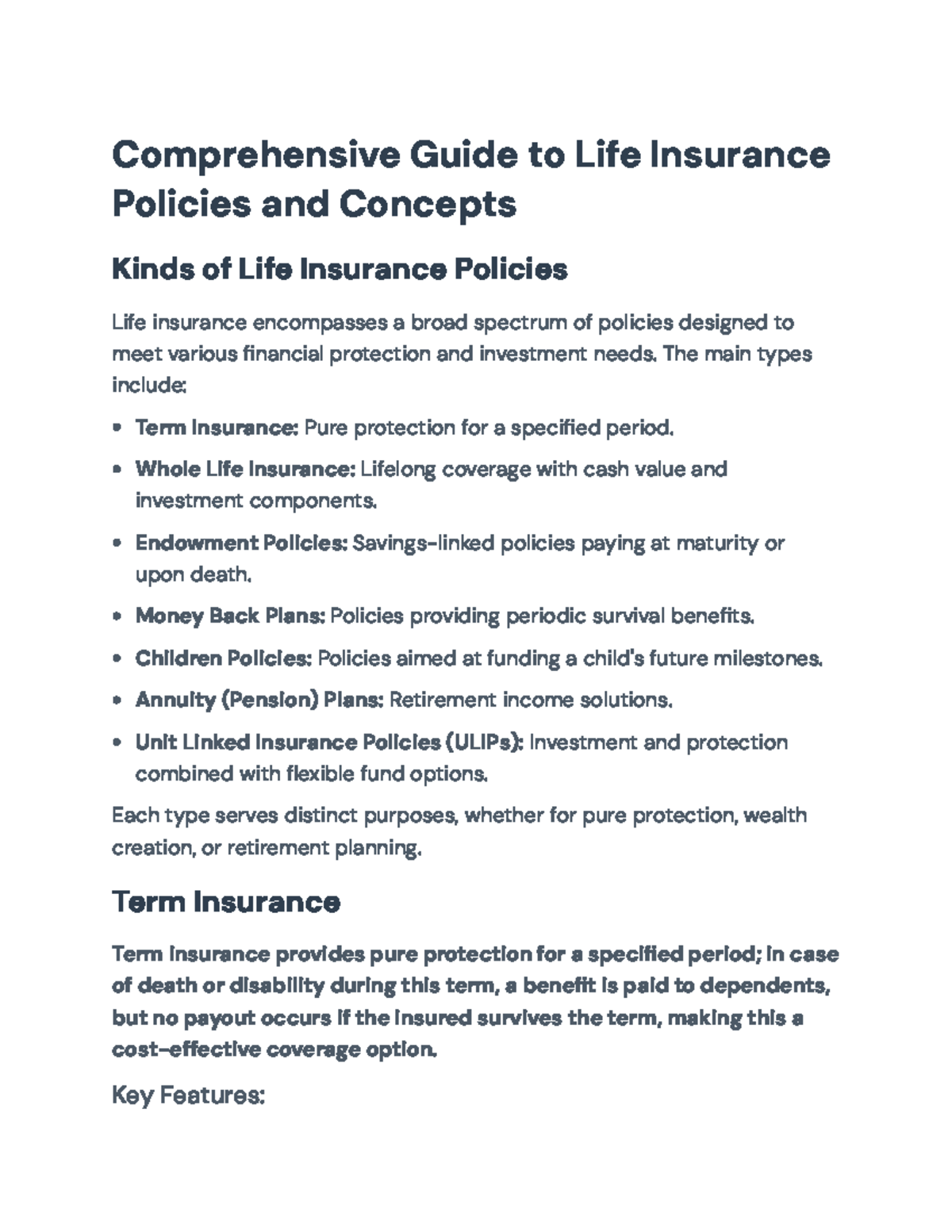
Navigating the term life insurance market involves understanding how different insurers structure their coverage durations and how those timelines match your life stage. Term policies are designed to provide maximum death benefit protection at a predictable, level cost for a specific number of years. When evaluating providers, policyholders look at the availability of flexible term lengths—such as 10, 15, 20, 25, or 30 years—as well as the ability to convert the policy into a permanent plan later in life. This guide examines options from top life insurance carriers known for offering versatile term lengths, competitive pricing, and robust structural features to help you secure the right financial safety net.
Understanding Term Life Insurance and Term Length Mechanics
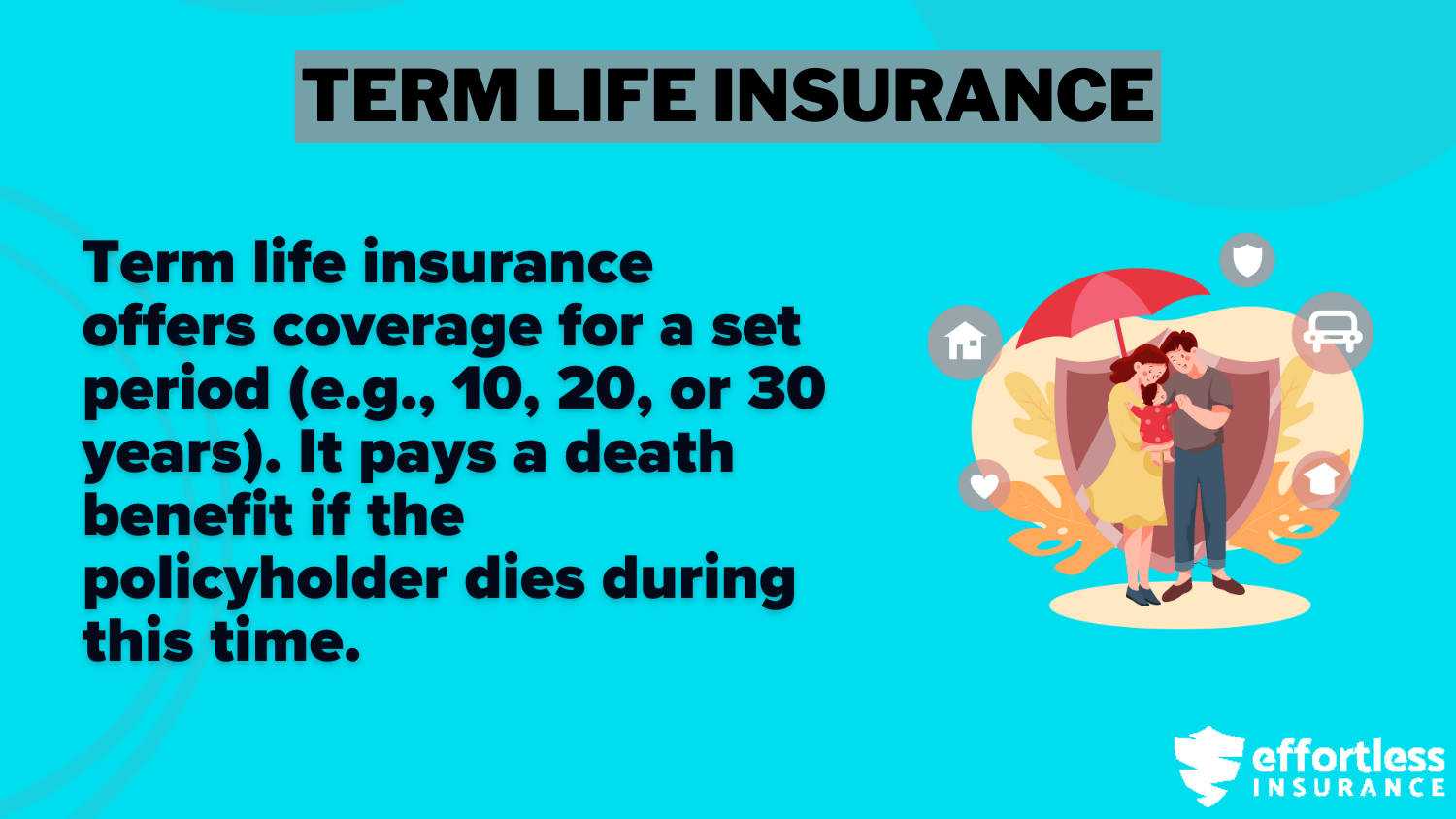
Term life insurance operates on a simple principle: you pay a fixed premium for a predetermined number of years, and if you pass away during that window, your beneficiaries receive a tax-free death benefit. Unlike permanent insurance, term policies do not accumulate cash value. Their primary advantage is affordability, allowing individuals to secure high coverage amounts—often ranging from $500,000 to several million dollars—during their peak earning and debt-accumulation years.
The term length you select acts as the operational backbone of your financial protection strategy. If your term expires, your coverage typically terminates or enters an expensive annually renewable phase unless you convert the policy. Therefore, matching the term length to your specific timeline is vital. Common term intervals include 10, 15, 20, 25, and 30 years, with some specialized carriers offering incremental adjustments or longer durations.
When choosing a term length, you must analyze your financial obligations. For example, a young parent with a newborn child and a 30-year mortgage generally benefits from a 30-year term to ensure protection until the mortgage is paid off and the child reaches adulthood. Conversely, a 50-year-old whose children are independent and whose home is nearly paid off might only require a 10-year or 15-year term to cover final expenses and bridge the gap to retirement.
1. Banner Life (Legal & General America) – Best for 30-Year and Extended Term Options
Banner Life, a subsidiary of Legal & General America, is widely recognized for offering some of the most flexible and competitively priced long-term policies in the industry. For buyers who require extended coverage horizons, Banner Life stands out by providing term lengths of 10, 15, 20, 25, and 30 years, catering to families with long-range financial commitments.
A primary strength of Banner Life’s term policies is their underwriting stability and favorable rates for healthy individuals. Their flagship term product, OPTerm, allows policyholders to lock in level premiums for up to 30 years. This makes it an ideal choice for younger applicants, newly married couples, or those purchasing a home with a 30-year fixed-rate mortgage. Furthermore, Banner Life provides a conversion privilege, allowing policyholders to transition their term coverage into a permanent life insurance policy without undergoing a new medical exam, subject to the age limits specified in the contract.
The table below provides a quick comparative overview of five prominent insurers, highlighting their term length availability and notable features:
| Insurer | Available Term Lengths | Key Advantage | Conversion Window |
|---|---|---|---|
| Banner Life | 10, 15, 20, 25, 30 years | Competitive pricing for 30-year terms | Up to age 70 or end of term |
| Protective Life | 10, 15, 20, 25, 30 years | Custom Calculator and customizable terms | Up to age 70 or 10th policy year |
| Pacific Life | 10, 15, 20, 25, 30 years | Strong living benefits and high coverage limits | Prior to age 70 |
| Mutual of Omaha | 10, 15, 20, 30 years | Simplified underwriting options for specific tiers | Varies by product |
| Lincoln Financial | 10, 15, 20, 25, 30 years | Comprehensive chronic and terminal illness riders | Up to end of level term period |
2. Protective Life – Best for Customizable Term Structures
Protective Life is frequently cited by financial advisors for its versatile term insurance offerings, specifically its Custom Choice UL product and traditional term portfolios. Protective offers standard term lengths of 10, 15, 20, 25, and 30 years, but it excels in allowing policyholders to tailor the duration of the death benefit to match complex financial obligations.
For instance, if you have a 30-year mortgage but anticipate your children will be through college in 20 years, Protective allows you to structure coverage so that the death benefit scales down over time, matching your decreasing liabilities while optimizing premium costs. This level of customization ensures you do not pay for excess coverage you no longer need as you age. Protective Life also maintains accessible underwriting guidelines for individuals with managed chronic conditions, making it a reliable option for a broad demographic of applicants seeking stable, long-term financial security.
3. Pacific Life – Best for High-Net-Worth Term Policies
Pacific Life caters effectively to individuals seeking substantial coverage amounts paired with robust living benefits. Their term life insurance policies are available in 10, 15, 20, 25, and 30-year increments, making them suitable for estate planning, business continuation, and family income replacement.
What sets Pacific Life apart is its focus on policy riders and financial strength. Policyholders can integrate accelerated death benefit riders that allow access to a portion of the policy’s face value if diagnosed with a qualifying terminal, chronic, or critical illness. This feature transforms a standard term policy into a dual-purpose financial tool that addresses both premature death and unexpected medical crises during the active term length. Their underwriting process is rigorous, but it rewards healthy applicants with competitive rate tiers.
4. Mutual of Omaha – Best for Streamlined Application Processes
Mutual of Omaha provides traditional term life insurance with dependable durations of 10, 15, 20, and 30 years. Known for its longevity and financial stability within the insurance sector, Mutual of Omaha is an excellent option for applicants who value brand heritage alongside straightforward product structures.
A notable feature of Mutual of Omaha’s term policies is the availability of accelerated underwriting pathways for qualified applicants. Depending on your age and the coverage amount requested, you may be able to secure a policy without undergoing a traditional paramedical exam, significantly shortening the approval timeline. Their term policies include a conversion option, ensuring that policyholders can adapt their coverage if their long-term financial strategy shifts from temporary income protection to permanent estate planning.
5. Lincoln Financial Group – Best for Integrated Living Benefits
Lincoln Financial Group rounds out this group with its comprehensive term products available in 10, 15, 20, 25, and 30-year durations. Lincoln is particularly noted for its robust suite of living benefit riders that come standard or as low-cost additions on many of its term policies.
When selecting a term length with Lincoln Financial, buyers gain access to protection that extends beyond a pure death benefit. Their policies often feature built-in or optional provisions for accelerated benefits in the event of chronic illness, meaning that if you lose the ability to perform basic activities of daily living, you can access policy funds while still alive to help cover care costs. This makes Lincoln’s mid-to-long term options—such as the 20-year and 30-year variants—particularly attractive for middle-aged adults planning for both family protection and potential long-term care needs.
Key Factors to Evaluate When Choosing Your Term Length
Selecting the optimal term length requires a methodical review of your current liabilities, future milestones, and budget constraints. Failing to align the term with your financial timeline can leave your family unprotected or result in paying for unnecessary coverage.
Matching Debt and Family Milestones
The primary driver of your term length decision should be your liabilities. Consider the following timelines:
- Mortgages: If you recently purchased a home with a 30-year fixed mortgage, a 30-year term policy ensures your family can pay off the remaining balance if you pass away prematurely.
- Childcare and Education: If you have young children, calculate the years until they graduate from college and enter the workforce independently. A 20-year or 25-year term often covers this vulnerable window.
- Retirement Horizon: Term insurance is designed to bridge the gap until you accumulate sufficient retirement savings and investments to self-insure. Determine the age at which you plan to retire and select a term length that bridges you to that milestone.
Premium Affordability vs. Coverage Duration
Longer term lengths, such as 30-year policies, carry higher premiums than 10-year or 15-year policies because the insurer assumes a longer risk period. You must balance the security of locking in a low rate for three decades against your monthly budget. Opting for a shorter term to save money can backfire if you outlive the policy and find yourself priced out of a new policy due to advanced age or declining health.
Conversion Privileges
Life circumstances change, and what starts as a need for temporary income replacement may evolve into a need for permanent estate planning. Always examine the conversion rider of any term policy you consider. A strong conversion provision allows you to swap your term policy for a whole or universal life policy without proving insurability, protecting you against future health developments.
Common Mistakes to Avoid When Buying Term Life Insurance
Navigating the life insurance market can be complex, and applicants frequently make avoidable errors that compromise their coverage or cost them money.
- Underestimating the Required Coverage Amount: Relying on arbitrary round numbers rather than calculating actual income replacement needs, debt obligations, and future educational expenses often leaves families underinsured.
- Waiting Too Long to Apply: Premium rates increase with every passing year of age and with any minor shift in health status. Delaying a purchase to save minor amounts of time often results in substantially higher long-term costs.
- Failing to Disclose Accurate Health Information: Omitted medical history or lifestyle habits on an application can lead to a denied claim during the contestability period. Complete transparency ensures policy validity.
- Ignoring the Financial Strength Rating of the Insurer: Always verify that the carrier you select maintains strong financial ratings from agencies like A.M. Best, ensuring they have the long-term solvency to pay claims decades into the future.
Frequently Asked Questions
What is the most popular term life insurance length?
The 20-year term is historically the most popular choice among buyers because it strikes a balance between affordable premium rates and a sufficiently long coverage window to protect young children and mid-career families. However, a 30-year term is increasingly favored by younger homebuyers locking in a 30-year mortgage.
Can I convert my term life insurance policy into permanent coverage?
Yes, most reputable insurance carriers offer a conversion privilege on their term policies. This allows you to transition your term coverage into a permanent life insurance plan, such as universal or whole life, without undergoing a new medical examination or health underwriting review.
What happens when my term life insurance policy expires?
When your level term period ends, your coverage typically expires or transitions into an annually renewable term format where premiums increase exponentially each year. Alternatively, you can let the policy lapse, convert it to permanent coverage if permitted, or apply for a new term policy based on your age and health at that time.
Is a medical exam always required to get a term policy?
No. Many insurance companies offer accelerated underwriting pathways that use prescription databases, motor vehicle records, and electronic health data to approve policies without requiring a physical paramedical exam, provided you meet specific age and health criteria.
How much term life insurance do I generally need?
A common guideline is to secure coverage equal to 10 to 15 times your annual income, adjusted upward to account for total outstanding debt, mortgage balances, and future college funding requirements for dependents.
Conclusion and Next Actions
Choosing the right life insurance policy with the optimal term length requires a clear assessment of your financial liabilities, family timelines, and long-term budget. Whether you opt for the extended 30-year security of Banner Life, the customizable structure of Protective Life, or the living benefits offered by Lincoln Financial and Pacific Life, locking in coverage early provides unmatched financial peace of mind. Your immediate next action should be to calculate your family's precise income replacement and debt obligations, request personalized quotes from multiple top-tier carriers, and complete an application while your current age and health status allow you to secure the most favorable rates.