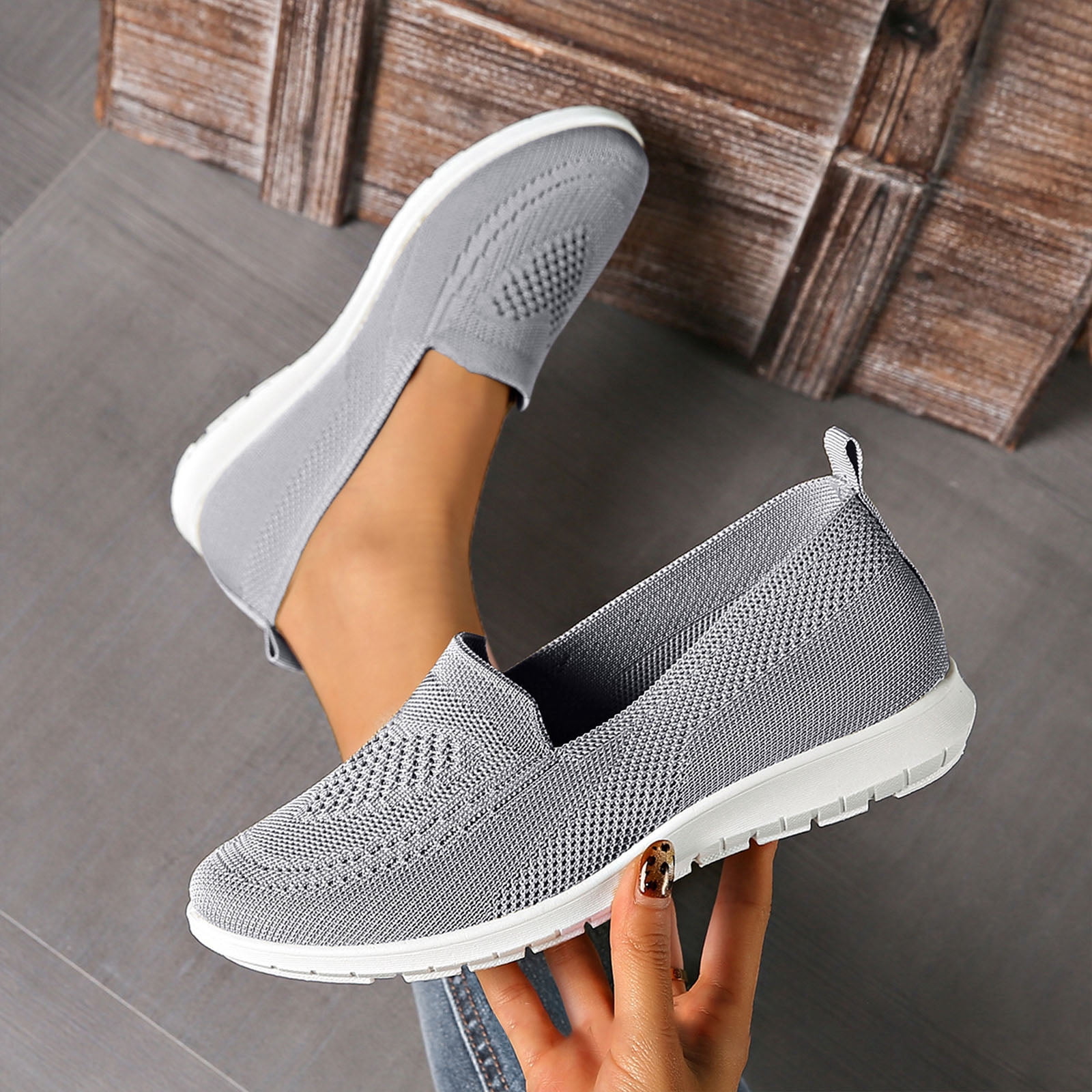
In 2026, the best walking shoes for wide feet focus on anatomical toe boxes, multiple width options (2E to 6E), and adaptive cushioning systems. Top-rated models include the New Balance Fresh Foam X 880 v14, Brooks Addiction Walker 2, Hoka Bondi 8, Altra Paradigm 7, and the Asics Gel-Kayano 31. These shoes are engineered to eliminate lateral pressure, accommodate bunions or edema, and provide the structural stability necessary for long-distance walking.
The Biomechanics of Wide Feet and Walking
Finding the right footwear for wide feet is more than a matter of comfort; it is a clinical necessity for long-term foot health. When a foot is compressed into a shoe that is too narrow, the metatarsal bones are squeezed together, which can lead to nerve compression (Morton’s neuroma), bunions (hallux valgus), and skin irritation. By 2026, footwear technology has moved beyond simply "scaling up" a standard shoe. Modern wide-width shoes are built on specific "lasts"—the 3D molds used to shape the shoe—that provide increased volume in the midfoot and forefoot without sacrificing a secure heel lock.
For walkers, the gait cycle differs significantly from runners. Walking involves a prolonged "double support" phase where both feet are on the ground, and the heel-to-toe transition is more deliberate. For those with wide feet, this transition requires a platform that is stable enough to prevent the foot from spilling over the edge of the midsole. If the midsole is too narrow for the foot’s actual width, the foam will compress unevenly, leading to premature shoe breakdown and potential joint misalignment in the ankles and knees.
1. New Balance Fresh Foam X 880 v14
New Balance has long been the industry leader in width accessibility, and in 2026, the Fresh Foam X 880 v14 remains the gold standard for neutral walkers with wide feet. Unlike many competitors that offer "wide" versions as an afterthought, New Balance builds the 880 specifically to accommodate various widths, ranging from Standard (D) to Extra-Wide (4E) for men, and B to 2E for women.
Midsole and Cushioning Technology
The v14 utilizes the latest iteration of Fresh Foam X, which is a precision-engineered EVA (Ethylene Vinyl Acetate) blend designed to provide high-energy return while maintaining a soft landing. For wide-footed walkers, the 880 v14 is particularly effective because the foam is laser-cut with hexagonal shapes that vary in size. On the lateral side, these shapes are larger to provide more compression and comfort, while the medial side features denser shapes to offer a touch of inherent stability.
Upper Construction and Fit
The upper is made of a dual-layer engineered mesh that offers strategic stretch. This is crucial for wide feet because the foot tends to swell during long walks. The mesh expands to accommodate this volume change without creating "hot spots" or friction points. Furthermore, the 880 v14 features a molded external heel counter, which is essential for wide-footed individuals who often struggle with heel slippage in wider shoes. By locking the rearfoot in place, the shoe allows the forefoot to splay naturally in the spacious toe box.
2. Brooks Addiction Walker 2
While many modern shoes prioritize lightweight foam, the Brooks Addiction Walker 2 is built for maximum durability and orthopedic support. It is widely considered the best choice in 2026 for individuals who require a more rigid structure or those who use custom orthotics.
Support and Stability
The Addiction Walker 2 features the Extended Progressive Diagonal Rollbar (PDRB). This is a tri-density medial post designed to guide the body back into its natural motion path. People with wide feet often have lower arches or flat feet, which can lead to overpronation (the foot rolling inward). The PDRB acts as a strategic wedge, providing support exactly where the arch typically collapses.
Material Durability
The upper of the Addiction Walker 2 is constructed from full-grain leather. While this makes the shoe heavier than mesh alternatives, it provides unparalleled support for the structure of the foot. Leather doesn't stretch out of shape as quickly as knit materials, meaning the "wide" fit stays consistent throughout the life of the shoe. Additionally, the outsole is certified slip-resistant (SATRA TM144:2011), making it a favorite for those who walk on varied urban surfaces or for workplace environments.
3. Hoka Bondi 8
The Hoka Bondi 8 is the premier "maximalist" shoe for wide feet. In 2026, it remains a favorite for walkers who suffer from plantar fasciitis or joint sensitivity. Hoka has refined its wide offerings, ensuring that the base of the shoe (the "footbed") is actually wider, rather than just adding more fabric to the upper.
Maximalist Cushioning and Geometry
The Bondi 8 features a massive stack height of lightweight foam, providing the most cushioned ride on this list. However, for wide feet, the standout feature is the "Early Stage Meta-Rocker." This curved sole geometry reduces the pressure on the forefoot by encouraging a smooth roll from heel-strike to toe-off. Because wide feet often experience more pressure across the metatarsal heads, this rocker motion significantly reduces the mechanical stress on those joints.
The Wide Base Platform
One common issue with high-stack shoes is instability. Hoka addresses this by creating a "bucket seat" internal geometry. The foot sits deep inside the midsole rather than on top of it. For wide-footed walkers, this provides a sense of security and prevents the foot from rolling over the side of the high foam stack. The Bondi 8 is available in Wide (2E) and Extra-Wide (4E) for men, providing ample volume for high-volume feet.
4. Altra Paradigm 7
Altra offers a fundamentally different approach to wide-foot comfort through its FootShape™ toe box and Balanced Cushioning™ (Zero Drop) platform. The Paradigm 7 is Altra’s maximum-support walking and running shoe, and it is uniquely suited for wide feet because of its anatomical design.
Anatomical Toe Box
Most traditional shoes taper at the toes, squeezing the big toe inward. Altra’s FootShape™ toe box allows the big toe to remain in a straight, natural position and allows the other toes to splay out. This is a game-changer for walkers with bunions or those who find that even "wide" versions of standard shoes still feel cramped in the toe area.
Guided Stability
The Paradigm 7 uses "GuideRails" technology. Unlike a traditional medial post that is always present, GuideRails act like the bumpers on a bowling alley—they only provide support when the foot begins to deviate from its natural path. This makes the shoe versatile for neutral walkers and those who occasionally overpronate. The 2026 model also features an updated Altra EGO™ MAX midsole, which provides a plush feel without the "mushiness" sometimes found in older EVA foams.
5. Asics Gel-Kayano 31
The Asics Gel-Kayano 31 represents the pinnacle of high-tech stability. For decades, the Kayano has been a staple for wide-footed overpronators, and the 2026 version continues this legacy with its 4D Guidance System™.
Adaptive Stability and Gel Technology
The 4D Guidance System™ is designed to provide stability not by being rigid, but by being adaptive. It uses a softer foam directly under the arch that returns to its original shape faster, helping the foot transition more quickly and reducing the time spent in a pronated state. For wide feet, this means less strain on the medial ligaments. The signature PureGEL technology in the heel provides 65% more softness than previous Gel iterations, ensuring that heel-strikers have a plush landing.
Fit and Finish
Asics offers the Gel-Kayano 31 in dedicated wide and extra-wide widths. The engineered stretch-knit upper is designed to hug the foot where necessary while providing "give" over the lateral side of the foot. This is particularly helpful for walkers who experience swelling in the outer midfoot area. The internal heel plug also ensures that the wide platform doesn't result in a loose heel, maintaining a 1:1 fit between the foot and the shoe.
Comparison of Top Wide-Width Walking Shoes
| Shoe Model | Available Widths (Men/Women) | Cushioning Level | Best For |
|---|---|---|---|
| NB Fresh Foam X 880 v14 | D, 2E, 4E / B, D, 2E | Balanced / Soft | Daily fitness walking & versatility |
| Brooks Addiction Walker 2 | D, 2E, 4E / B, D, 2E | Firm / Supportive | Orthopedic needs & long-term standing |
| Hoka Bondi 8 | D, 2E, 4E / B, D | Plush / Maximal | Joint pain & maximum impact protection |
| Altra Paradigm 7 | Standard (Wide Toe Box) | High / Responsive | Bunion relief & natural toe splay |
| Asics Gel-Kayano 31 | D, 2E, 4E / B, D | Balanced / Adaptive | Overpronation & structured stability |
How to Correctly Measure and Size Wide Feet
In 2026, many walkers still make the mistake of "sizing up" (buying a longer shoe) to get more width. This is detrimental to foot health. A shoe that is too long will have the flex point in the wrong place, meaning the shoe will bend where your foot doesn't, leading to arch pain and blisters.
The Brannock Device vs. 3D Scanning
While 3D foot scanning is common in high-end retail stores in 2026, the standard Brannock Device is still the most reliable tool for manual measurement. When measuring for wide feet, it is essential to look at the heel-to-ball measurement, not just the heel-to-toe length. If you have a wide foot, your "ball of foot" (the metatarsal heads) will likely require a larger size or a wider width than the overall length of your foot suggests.
Understanding Width Designations
- D Width: Standard for men; wide for women.
- 2E Width (Wide): Standard wide for men; extra-wide for women.
- 4E Width (Extra-Wide): Very wide for men; rarely available in standard women's lines but can be crossed over.
- 6E Width: Specialized extra-wide for men with significant edema or structural anomalies.
Common Pitfalls When Choosing Wide Walking Shoes
One of the most frequent mistakes is ignoring the volume of the foot. Width only measures the distance across the widest part of the foot, but volume accounts for the height of the instep. If you have a high instep and wide feet, you may find that even a 2E width feels tight across the top of the foot. In this case, shoes with a deeper "last" (like the Brooks Addiction or New Balance models) are superior to shallow, sleek designs.
Another pitfall is the assumption that all brands fit the same. A "Wide" from Nike often fits much narrower than a "Wide" from New Balance or Brooks. Always check the specific width measurements provided by the manufacturer. In 2026, most reputable brands provide the exact millimeter measurements for their wide lasts on their official websites.
Frequently Asked Questions
Can I use running shoes for walking if I have wide feet?
Yes, most of the shoes on this list (except the Addiction Walker) are technically classified as running shoes. Because running shoes are designed to handle higher impact forces than walking, they generally provide excellent cushioning and stability for walkers. The primary difference is the heel-to-toe drop and the flexibility of the sole, but for wide-footed individuals, the superior width options found in running lines often make them the better choice.
How often should I replace my wide walking shoes?
Even if the upper looks new, the midsole foam of a walking shoe typically loses its structural integrity between 300 and 500 miles. For wide-footed walkers, this breakdown can happen faster if the foot is not properly centered over the midsole, causing the foam to compress unevenly. If you notice "wrinkles" or horizontal creases in the midsole foam, or if you feel new aches in your knees or hips, it is time for a replacement.
Should I buy wide shoes if I have bunions?
Yes. Bunions require a wide toe box to prevent the hallux (big toe) from being pushed further toward the second toe. However, you should look for shoes with a "straight last" and a soft, mesh upper that can stretch over the bunion without causing friction. Altra’s FootShape™ design is specifically praised by podiatrists for accommodating bunion deformities.
Are wide shoes heavier than standard shoes?
Marginally. Because wide shoes require more outsole rubber and more midsole foam to create a larger platform, they are typically 0.5 to 1.0 ounce heavier than their standard-width counterparts. However, in 2026, advancements in supercritical foams (foams injected with nitrogen or CO2) have made this weight difference almost negligible.
Does wearing wide shoes make my feet wider over time?
No. Wearing wide shoes allows your feet to return to their natural, anatomical shape. Narrow shoes often compress the foot artificially. If your feet seem "wider" after switching to wide shoes, it is usually because the soft tissues are no longer being constricted, which is a positive development for your circulation and nerve health.
Expert Recommendation for 2026
If you are looking for the absolute best all-around walking shoe for wide feet in 2026, the New Balance Fresh Foam X 880 v14 is the most reliable choice due to its consistent sizing and range of width options. However, if you struggle with specific foot pain or bunions, the Altra Paradigm 7 offers a more natural, anatomical fit that is difficult to find in traditional brands. Always perform a "thumb test"—ensuring there is about a thumb's width of space between your longest toe and the end of the shoe—to guarantee the width doesn't compromise the overall fit.