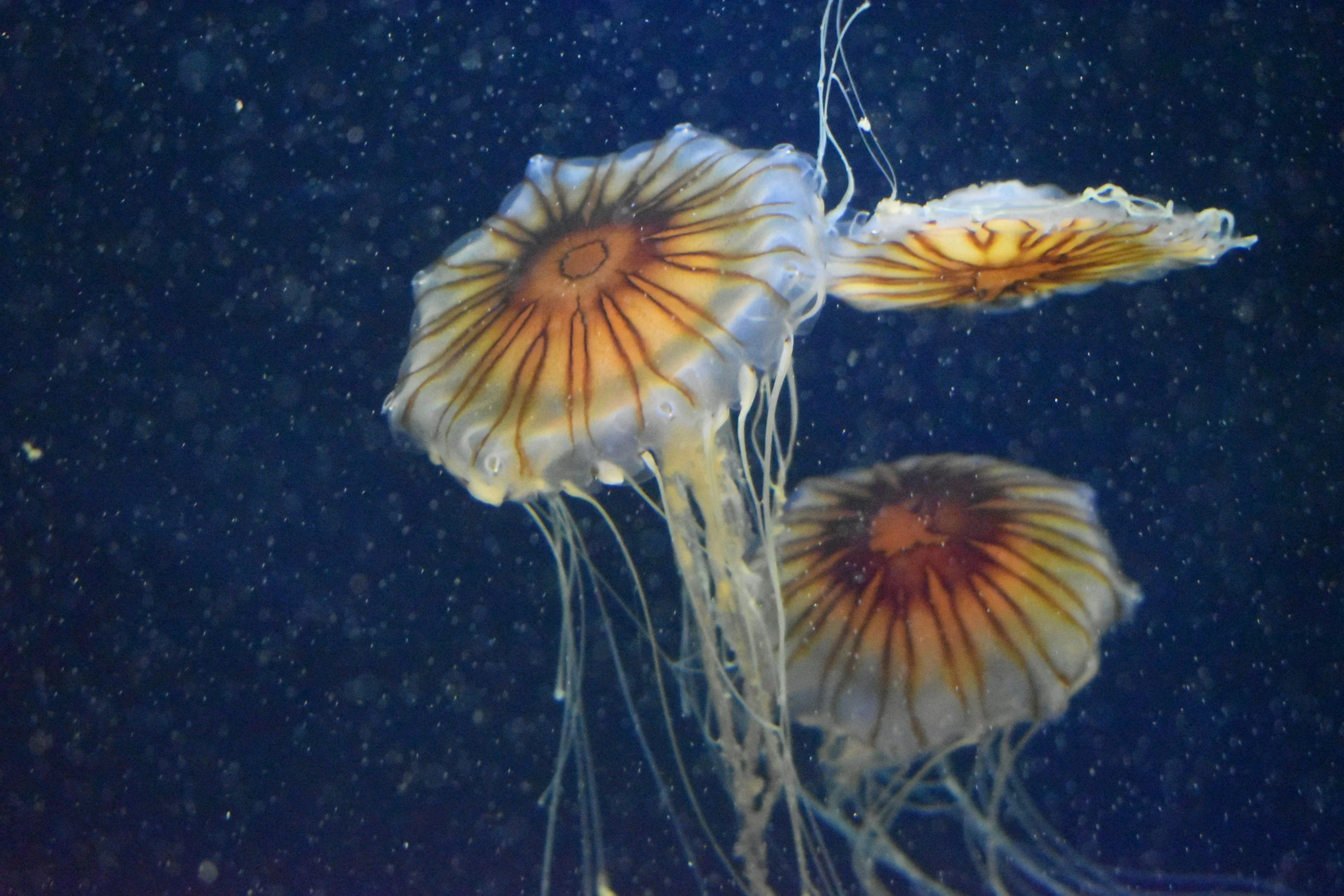
The most effective treatments for jellyfish stings involve a specific three-step sequence: rinsing the area with seawater to remove debris, applying household vinegar (acetic acid) to neutralize undischarged stinging cells, and immersing the affected limb in hot water (42–45°C) for 20 to 40 minutes to deactivate venom proteins and provide significant pain relief.
Jellyfish stings are among the most common marine injuries encountered by beachgoers and divers globally. While most stings result in localized pain and redness, certain species can cause systemic reactions or even life-threatening conditions. Understanding the physiological mechanism of a sting is crucial to selecting the correct treatment. Jellyfish tentacles are lined with microscopic organelles called nematocysts. These are essentially tiny, pressurized harpoons that fire upon contact, injecting venom into the victim's skin.
As of 2026, medical consensus from organizations like the American Red Cross and the Australian Resuscitation Council emphasizes a protocol that prioritizes the deactivation of remaining stinging cells before attempting to manage the pain. Choosing the wrong treatment—such as applying freshwater or certain home remedies—can actually trigger "dormant" nematocysts to fire, worsening the injury.
Below, we compare the five best, evidence-based treatments for jellyfish stings, examining their mechanisms, efficacy, and specific use cases.
1. Household Vinegar (Acetic Acid)
Vinegar remains the gold standard for treating stings from many jellyfish species, particularly the highly dangerous Box Jellyfish (Cuvieria and Chironex fleckeri). The primary active ingredient in vinegar is acetic acid, typically at a concentration of 4% to 6%.
How It Works
The primary function of vinegar is not to provide pain relief, but to prevent further envenomation. When vinegar is applied to the skin, the acetic acid creates a chemical environment that inhibits the firing mechanism of the nematocysts still attached to the skin. By "locking" these cells, the victim can safely remove the tentacles without increasing the amount of venom entering their system.
Clinical Application
For maximum efficacy, the sting site should be saturated with vinegar for at least 30 seconds. In regions known for Box jellyfish or Irukandji syndrome, vinegar is the mandatory first step. However, it is important to note that vinegar is species-dependent. While it is highly effective for most Cubozoa (Box jellies), some research suggests it may cause nematocyst discharge in certain species of Physalia (Portuguese Man o' War), though global guidelines still generally recommend it as a safe default when the species is unknown.
Pros and Cons
- Pros: Prevents further venom injection; inexpensive and widely available; essential for life-threatening species.
- Cons: Does not treat existing pain; may be contraindicated for specific, rare Atlantic species.
2. Hot Water Immersion (42–45°C)
Once the nematocysts have been deactivated or removed, the primary goal shifts to pain management. As of 2026, hot water immersion is recognized as the most effective non-pharmacological treatment for reducing jellyfish sting pain.
The Mechanism of Heat
Jellyfish venoms are composed of various proteins and enzymes that are thermolabile, meaning they break down or change structure when exposed to high temperatures. By immersing the affected area in water heated to between 42°C and 45°C (107°F to 113°F), the heat penetrates the skin and begins to denature the venom proteins. This process significantly reduces the intensity of the burning sensation and helps limit the spread of the toxin.
Procedure and Safety
The immersion should last for 20 to 45 minutes. It is vital to test the water temperature with an unaffected limb first to avoid thermal burns. If a thermometer is unavailable, the water should be as hot as can be comfortably tolerated. This treatment is vastly superior to cold packs or ice, which have been shown in clinical trials to be less effective at neutralizing the biochemical components of the venom.
Pros and Cons
- Pros: Highly effective for pain relief; accelerates venom breakdown; widely supported by clinical data.
- Cons: Requires access to a heat source; risk of burns if water is too hot; difficult to apply to the face or torso.
3. Mechanical Removal (Tweezers or Scraping)
Removing the physical tentacles is a critical step that must be performed with precision. If tentacles are left on the skin, they will continue to release venom even if the jellyfish is dead.
Tools and Technique
The safest way to remove tentacles is using tweezers or a gloved hand. This allows for the precise lifting of the tentacle away from the skin without applying pressure. If tweezers are unavailable, a plastic card (like a credit card) can be used to gently scrape the remaining stinging cells off the skin.
Why Precision Matters
Many people instinctively try to rub the sting with a towel or sand. This is a dangerous mistake. Rubbing creates mechanical pressure and friction that triggers any unfired nematocysts to discharge their venom instantly. Mechanical removal should always occur after a seawater rinse or vinegar application to ensure the cells are as stable as possible before they are disturbed.
Pros and Cons
- Pros: Removes the source of the venom; prevents long-term irritation from embedded cells.
- Cons: High risk of accidental discharge if done roughly; requires steady hands and visibility.
4. Topical Lidocaine and Hydrocortisone
After the acute phase of the sting—once the venom is neutralized and the pain is managed with heat—secondary symptoms such as itching, swelling, and persistent rash often emerge.
Lidocaine for Surface Anesthesia
Topical lidocaine (usually in 2% to 5% concentrations) acts as a local anesthetic. It works by blocking sodium channels in the nerve endings, effectively "numbing" the area. This is particularly useful for stings that result in a persistent burning sensation that does not fully resolve with hot water.
Hydrocortisone for Inflammation
Hydrocortisone cream (1%) is a mild corticosteroid that addresses the body’s immune response to the sting. Jellyfish stings often trigger an inflammatory cascade, resulting in redness and itching similar to an allergic reaction. Applying hydrocortisone twice daily can significantly reduce the duration and severity of the resulting dermatitis (skin inflammation).
Pros and Cons
- Pros: Long-term symptom management; reduces the urge to scratch (which prevents secondary infection).
- Cons: Not effective for the initial "fire" of the sting; potential for allergic reactions to the creams themselves.
5. Seawater Flushing
The simplest and most immediate treatment available at the scene of the injury is a thorough flush with seawater. This is often the foundational step before any other treatments are applied.
The Role of Osmolarity
The importance of using seawater rather than freshwater cannot be overstated. Nematocysts are sensitive to changes in osmotic pressure. Freshwater is "hypotonic" compared to the inside of the stinging cell. When freshwater touches a nematocyst, it causes the cell to swell and fire due to the imbalance in salt concentration. Seawater, being "isotonic," does not trigger this reaction, allowing for the mechanical washing away of debris and loose tentacles without worsening the envenomation.
Execution
The victim should stay in the ocean or have seawater poured over the wound continuously for several minutes. This helps clear the "slime" and mucous that often coats the skin after a jellyfish encounter, making subsequent vinegar application more effective.
Pros and Cons
- Pros: Immediately available at the beach; zero cost; essential for safe debris removal.
- Cons: Does not neutralize venom already in the skin; does not provide pain relief.
Comparison of Jellyfish Sting Treatments
The following table compares the five treatments based on their primary function, effectiveness for pain, and when they should be applied in the treatment sequence.
| Treatment | Primary Function | Effectiveness for Pain | Best Applied... | Species Suitability |
|---|---|---|---|---|
| Vinegar | Chemical Deactivation | Low | Immediately (Step 2) | All (Box Jelly Priority) |
| Hot Water | Venom Denaturation | Very High | Post-Removal (Step 4) | Most Species |
| Tweezers/Scraping | Physical Removal | Moderate | Post-Rinse (Step 3) | All Species |
| Topical Creams | Inflammatory Control | Moderate | Recovery Phase | Minor/Healing Stings |
| Seawater Rinse | Debris Removal | Low | Immediately (Step 1) | All Species |
Common Myths and Ineffective Treatments
Despite advancements in marine medicine, several dangerous myths persist regarding jellyfish sting first aid. It is important to avoid these "remedies" as they are either ineffective or actively harmful.
The Urine Myth
The idea that urinating on a jellyfish sting will help is a widespread misconception. While urine contains some urea, it does not have a consistent pH or chemical concentration to neutralize nematocysts. Furthermore, because urine is often more dilute than seawater, it can act like freshwater and trigger a massive discharge of venom, significantly increasing the victim's pain.
Alcohol and Ethanol
Applying spirits, rubbing alcohol, or hand sanitizer to a sting is contraindicated. Alcohol is a known trigger for nematocyst discharge. Using it on a fresh sting will likely result in the remaining stinging cells firing their venom into the skin simultaneously.
Pressure Immobilization
Unlike snake bites, where pressure bandages are used to slow venom spread through the lymphatic system, pressure bandages should not be used for most jellyfish stings (with the exception of specific Australian Box Jellyfish protocols where medical help is hours away). The physical pressure of a bandage causes nematocysts to fire, worsening the local injury.
When to Seek Emergency Medical Care
While the 5 treatments listed above are effective for most encounters, certain situations require immediate professional intervention. In 2026, healthcare providers use advanced antivenoms and systemic stabilizers that cannot be replicated on the beach.
- Anaphylaxis: If the victim experiences difficulty breathing, swelling of the lips or tongue, or a rapid drop in blood pressure, call emergency services immediately.
- Irukandji Syndrome: Some stings (from very small jellyfish) may initially feel minor but result in severe "Irukandji Syndrome" 20–40 minutes later. Symptoms include extreme lower back pain, nausea, sweating, and a feeling of "impending doom."
- Large Surface Area: If the sting covers more than half of a limb or involves the face or genitals, professional care is necessary to manage the systemic toxin load.
- Eye Involvement: Stings to the eye require specialized irrigation and ophthalmological evaluation to prevent permanent corneal damage.
FAQs
Does vinegar work on Portuguese Man o' War stings?
The use of vinegar on Portuguese Man o' War (Physalia) is a subject of ongoing debate. While it is highly effective for Box jellyfish, some studies suggest it may cause nematocyst discharge in Atlantic Physalia. However, most international first aid guidelines still recommend vinegar as a general first step if the species is unknown, as the risk of a Box jellyfish sting is far more life-threatening than the potential irritation from a Man o' War sting.
Why shouldn't I use ice for a jellyfish sting?
While ice is a standard treatment for most stings and bruises, jellyfish venom is unique. Research has consistently shown that heat (42–45°C) is significantly more effective at reducing pain than cold. Ice may provide a temporary numbing effect, but it does not denature the venom proteins, and the pain often returns with greater intensity once the ice is removed.
How long does the pain from a jellyfish sting usually last?
For common "nuisance" jellyfish, the intense burning sensation typically lasts between 1 and 2 hours, followed by several days of itching and minor inflammation. If treated correctly with hot water and vinegar, the acute pain phase can often be reduced to less than 30 minutes.
Can I use meat tenderizer on a sting?
Meat tenderizer was once a common recommendation because it contains papain, an enzyme that breaks down proteins. However, modern medical advice has moved away from this. The concentration of papain in commercial tenderizers is often too low to be effective, and the powders can cause significant skin irritation or allergic reactions in many people.
Is it safe to go back in the water after a sting?
Once the area has been treated and the pain has subsided, it is generally safe to return to the water, provided there are no signs of a systemic allergic reaction. However, you should avoid rubbing the area, as the skin will be sensitized and more prone to secondary infection or irritation from salt and sand.
Practical Recommendation
For the best outcome when dealing with a jellyfish sting in 2026, keep a small bottle of vinegar and a plastic scraper in your beach bag. If stung, immediately rinse the area with seawater to remove loose tentacles. Do not rub the skin. Pour vinegar over the site for 30 seconds, then use tweezers to lift away any remaining visible fragments. Finally, find a source of hot water (42–45°C) and soak the area for 20 minutes. This combination of chemical deactivation, mechanical removal, and thermal neutralization offers the most comprehensive defense against jellyfish venom.
Medical Disclaimer: This article is for informational purposes only and does not constitute professional medical advice. Always seek the advice of a qualified healthcare provider for any medical emergency or persistent symptoms following a marine sting.