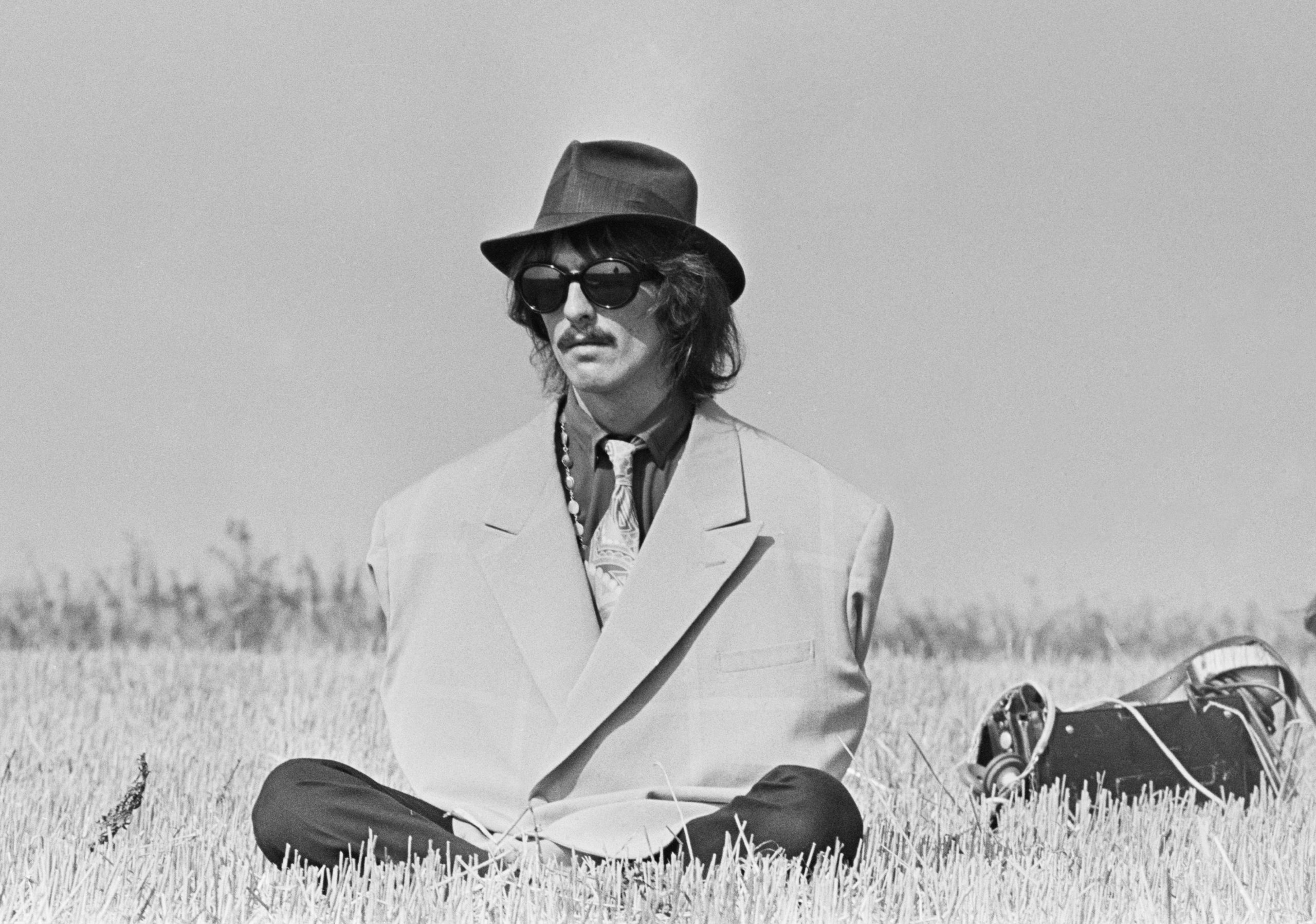
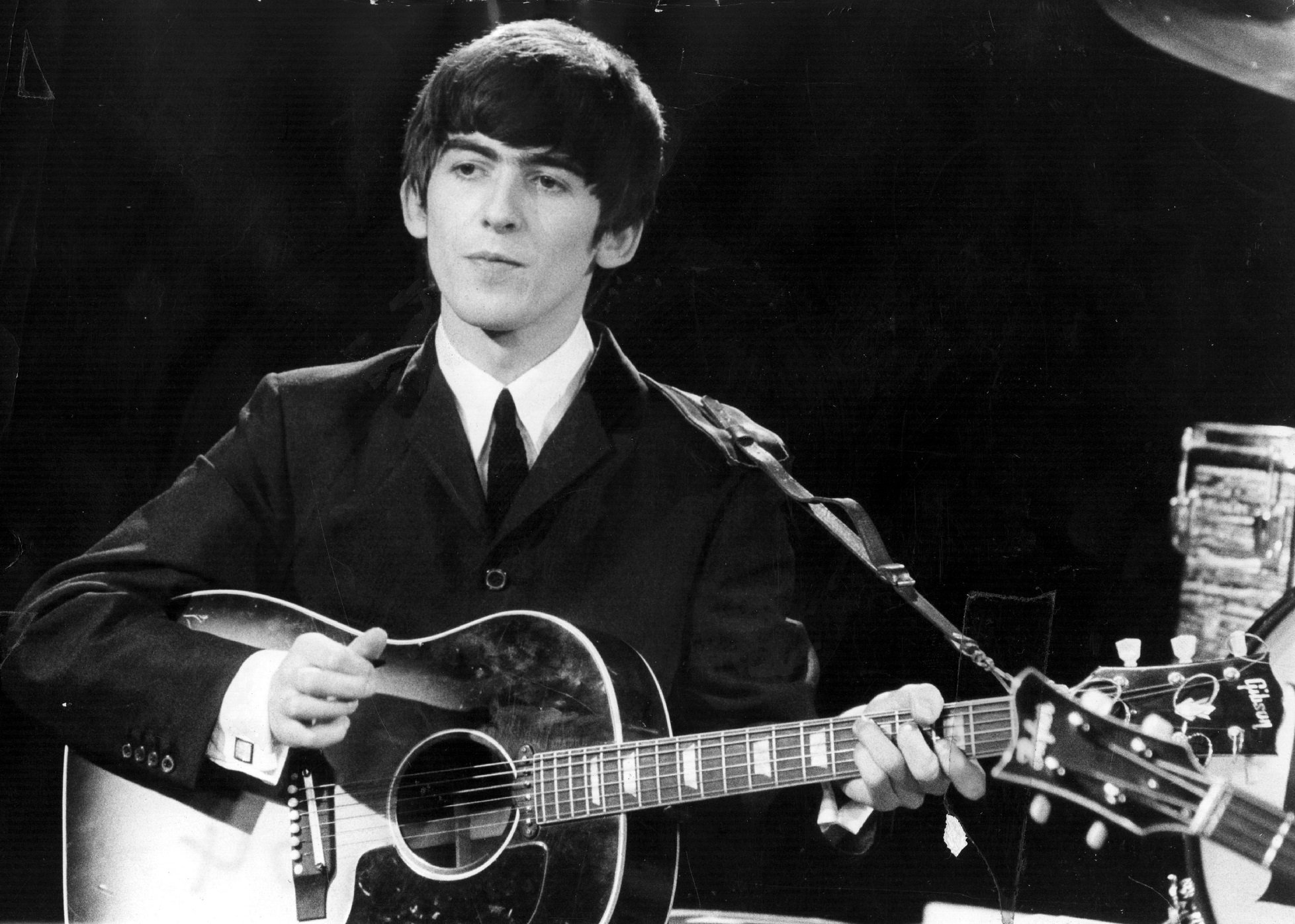
When exploring the financial legacy of the legendary Beatles guitarist, many reports and searches point to the figure of $30 million regarding George Harrison's net worth, a number that often sparks intense curiosity and confusion among fans and financial analysts alike. In reality, this $30 million figure vastly underestimates the true magnitude of his estate at the time of his passing in November 2001, as well as the ongoing, multi-million-dollar revenue streams generated by his catalog, film ventures, and merchandising rights in the decades since. Understanding the mechanics of his wealth requires a detailed examination of his post-Beatles career, his pioneering work in film production through Handmade Films, his vast real estate holdings, and the complex estate planning strategies implemented before his death.
The Foundations of George Harrison's Wealth Beyond The Beatles
While his time as the lead guitarist for The Beatles laid the groundwork for his global fame, George Harrison’s primary wealth accumulation occurred long after the band dissolved in 1970. During his tenure with the Fab Four, songwriters John Lennon and Paul McCartney received the lion's share of publishing royalties, while Harrison was limited to a smaller percentage for his own compositions, such as "While My Guitar Gently Weeps," "Something," and "Here Comes the Sun."
However, Harrison's post-Beatles solo career proved immensely lucrative. His 1970 triple album All Things Must Pass was a critical and commercial blockbuster, achieving multi-platinum status and anchoring his financial independence. Furthermore, his pioneering organization of the 1971 Concert for Bangladesh not only set a precedent for modern charity rock but also established his independent commercial viability.
Beyond music, Harrison possessed a sharp business acumen, particularly in the film industry. In 1979, he famously mortgaged his home, Friar Park, to finance Monty Python's Life of Brian just days before production was scheduled to begin, simply because he wanted to see the movie get made. This spontaneous financial rescue led to the creation of Handmade Films, an independent British production company that funded critically acclaimed and commercially successful movies such as The Long Good Friday, Time Bandits, and Withnail and I. Although Handmade Films faced financial turbulence in the late 1980s, its eventual asset sales and ongoing distribution rights contributed substantially to Harrison's portfolio.
Deconstructing the "$30 Million" Figure and Estate Valuations
The recurring rumor of a $30 million net worth often stems from conservative estimates reported in British probate records and early tabloid assessments following his death from lung cancer on November 29, 2001. In the United Kingdom, probate valuations often reflect the immediate, realizable value of estate assets reported for tax purposes at the time of death, rather than the long-term capitalization of intellectual property rights, future royalties, and unliquidated corporate assets.
When Harrison passed away, his estate underwent meticulous legal and financial structuring designed to provide for his wife, Olivia Harrison, and his son, Dhani Harrison, while mitigating inheritance tax liabilities. Probate documents filed in the UK initially pointed to a relatively modest declared personal estate in that jurisdiction, which various media outlets generalized into a blanket net worth figure of approximately £20 million to $30 million.
| Asset Category | Estimated Scope & Nature | Financial Impact on Estate |
|---|---|---|
| Solo Music Catalog | Post-Beatles recordings, Dark Horse Records catalog, and songwriting shares. | Generates steady, recurring global streaming and mechanical royalties. |
| Handmade Films Library | Holdings in British cinema classics and distribution rights. | Substantial residual value from licensing and physical media sales. |
| Friar Park Estate | 120-room Victorian Gothic mansion in Henley-on-Thames, Oxfordshire. | Multi-million-dollar real estate asset appreciating significantly over time. |
| The Beatles Partnerships | Apple Corps shares, merchandising rights, and multimedia ventures (e.g., The Beatles Anthology). | Ongoing dividend distributions from collective Beatles corporate entities. |
However, this restricted view ignores the international scope of his assets, particularly his shares in Apple Corps, his extensive publishing catalog, and the soaring valuation of prime real estate such as Friar Park, his sprawling Oxfordshire estate. Financial experts note that celebrity estates frequently appreciate exponentially post-mortem due to renewed interest, major biographical projects—such as Martin Scorsese's documentary George Harrison: Living in the Material World—and multi-platform catalog optimizations.
Intellectual Property, Publishing Rights, and Ongoing Royalties
A critical component of evaluating George Harrison's true financial standing involves analyzing his intellectual property holdings. Unlike many artists of his era who sold their publishing catalogs early for quick liquidity, Harrison maintained tight control over the vast majority of his catalog.
Through his record label, Dark Horse Records—founded in 1974—he retained the rights to much of his post-Apple material, eventually partnering with BMG in later years to manage and distribute his recorded music catalog globally. His songwriting catalog includes some of the most frequently played tracks in radio and streaming history. "Here Comes the Sun," for example, consistently ranks as the most-streamed Beatles song globally, generating substantial annual mechanical and performance royalties distributed via organizations like PRS for Music and ASCAP.
Additionally, Harrison’s involvement in the Traveling Wilburys—the supergroup he formed alongside Bob Dylan, Tom Petty, Roy Orbison, and Jeff Lynne—yielded two highly successful albums that further diversified his income streams outside of his traditional solo and Beatles output.
Real Estate Holdings: Friar Park and International Properties
Real estate formed a cornerstone of Harrison's wealth preservation strategy. His primary residence, Friar Park in Henley-on-Thames, was purchased in 1970 and became both his home and the location of his personal recording studio, FPSHOT (Friar Park Studio Henley On Thames).
Maintaining a 120-room Gothic Revival mansion surrounded by 35 acres of elaborate Victorian gardens required significant ongoing capital, but the property itself represented an appreciating anchor for his net worth. Over the decades, prime real estate in the Home Counties of England has escalated dramatically in value. Beyond Friar Park, Harrison owned properties in Hawaii, Los Angeles, and Switzerland, providing a geographically diversified asset base that protected his wealth from localized economic downturns and fluctuating tax regimes.
Estate Planning and Post-Mortem Wealth Management
Effective estate planning played a defining role in how George Harrison’s wealth was preserved and distributed. Before his death, Harrison reorganized his business affairs to ensure a seamless transition of power to Olivia and Dhani Harrison.
By utilizing trusts and corporate structures, the family avoided protracted probate battles and public liquidation of assets. Dhani Harrison, an accomplished musician and composer in his own right, actively manages his father's artistic legacy, collaborating on high-profile remastering projects, Atmos audio mixes of classic albums, and philanthropic endeavors through the Material World Foundation.
Frequently Asked Questions
Where did the $30 million net worth figure for George Harrison come from?
The $30 million figure largely derives from initial British probate filings and conservative media estimates reported immediately after his death in 2001. These filings often reflected restricted local asset declarations rather than the total global value of his intellectual property, corporate shares, and international real estate.
Did George Harrison own the rights to his Beatles songs?
No. Like John Lennon and Paul McCartney, Harrison did not own the underlying publishing rights to his primary Beatles compositions during his lifetime, as those were controlled by Northern Songs and later acquired by various publishing entities, including ATV Music and Sony/ATV. However, he did receive performance and mechanical royalties as a songwriter and performer through Apple Corps and standard royalty agreements.
What happened to Handmade Films after George Harrison's death?
Harrison and his business partner Denis O'Brien sold their stake in Handmade Films in 1994. While Harrison stepped away from day-to-day operations years before his passing, the film library remains a valuable asset that continues to generate licensing and distribution revenue.
How much does "Here Comes the Sun" earn annually?
While exact annual figures fluctuate based on streaming trends and synchronization licensing for films and commercials, "Here Comes the Sun" routinely generates hundreds of thousands of dollars annually, serving as one of the most reliable and lucrative assets in his publishing portfolio.
Who manages George Harrison's estate today?
His estate is managed primarily by his wife, Olivia Harrison, and his son, Dhani Harrison, who oversee his musical catalog, archival releases, and philanthropic initiatives such as the Material World Foundation.
Practical Next Actions and Research Recommendations
For readers seeking to deepen their understanding of music industry finance and celebrity estate management, examining primary source documents offers valuable clarity:
- Review official corporate filings for Apple Corps via Companies House in the United Kingdom to understand the corporate structure governing Beatles-related revenues.
- Examine the business history of Dark Horse Records and its modern distribution partnerships to see how legacy artists monetize catalog assets in the streaming era.
- Consult authorized biographies, such as Olivia Harrison's George Harrison: Living in the Material World, for firsthand accounts of his financial philosophies and business investments.