While social media headlines and viral videos often claim riders were stuck on a roller coaster for three days, no such event has ever occurred in the history of amusement park operations. The "3-day" narrative is a product of internet hyperbole and clickbait, typically conflating the 2023 Forest County Festival incident in Wisconsin—where riders were stuck upside down for approximately three to four hours—with exaggerated digital storytelling.
The fascination with the "3-day" claim highlights a significant gap between viral misinformation and the actual mechanical and physiological realities of amusement park safety. In reality, being suspended upside down for even a few hours poses severe medical risks, making a 72-hour ordeal physically impossible for human survival without immediate intervention. To understand why this myth persists and what actually happens during these rare mechanical failures, we must examine the specific incidents often cited, the mechanics of roller coaster stalls, and the rigorous safety protocols that prevent such extended durations from ever occurring.
Dissecting the Viral "3-Day" Myth
The term "3-day upside down roller coaster incident" gained traction primarily through short-form video platforms like TikTok and YouTube. These platforms often use sensationalist titles to drive engagement. In most cases, these videos use footage from actual ride malfunctions but stretch the timeline for dramatic effect.
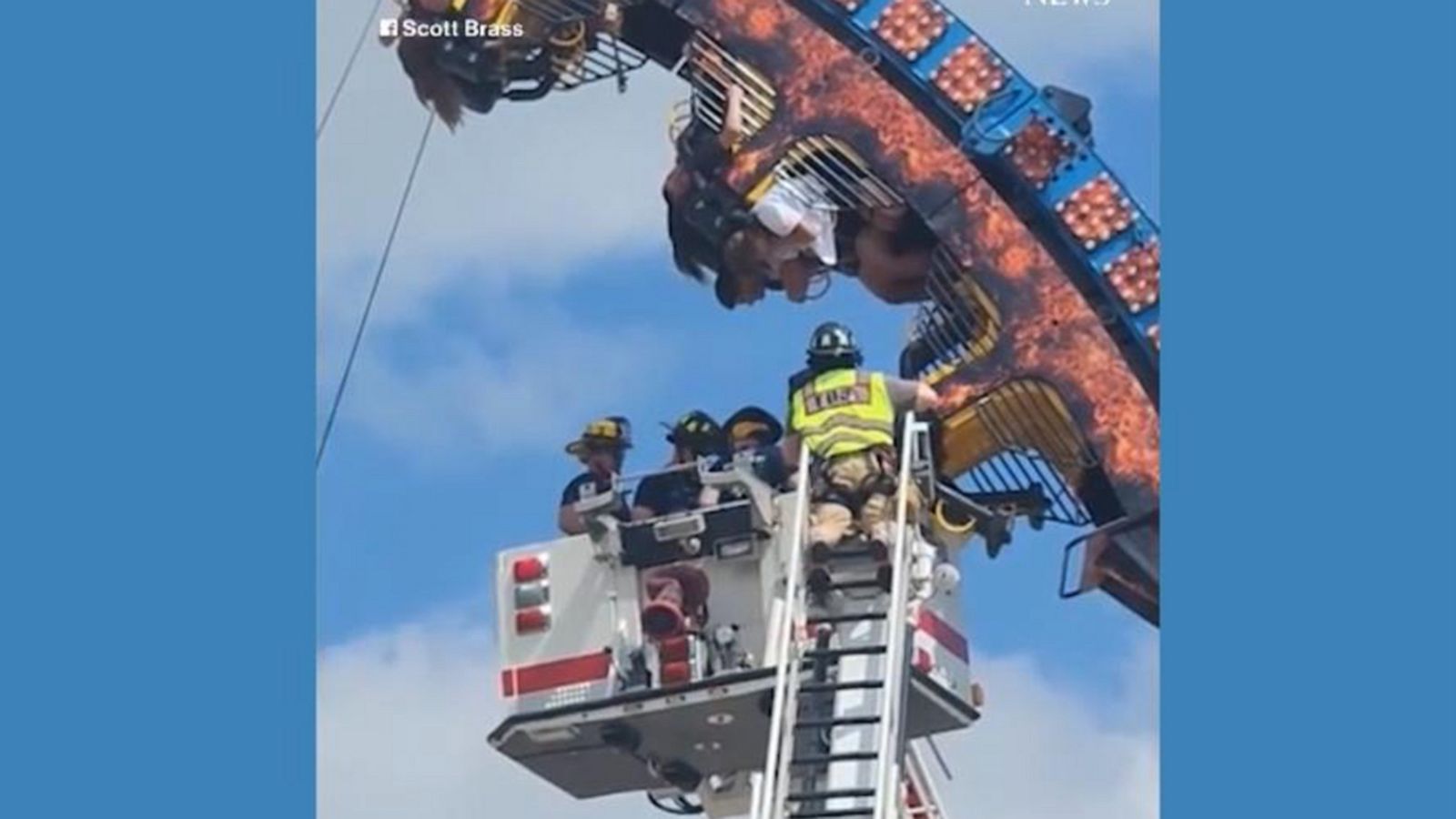
The most common source of this confusion is the July 2023 incident at the Forest County Festival in Crandon, Wisconsin. During this event, eight passengers were trapped upside down on a "Fireball" ride. While the rescue was harrowing and required specialized technical teams, the duration was roughly three to four hours, not three days. The visual of people hanging vertically for an extended period was so striking that it became a "telephoning" incident online, where the "3 hours" evolved into "3 days" as the story was shared and reshared across different social circles.
From a physiological standpoint, a three-day upside down suspension is a medical impossibility. The human body is not designed to remain inverted for more than a few hours. Blood pools in the head, increasing intracranial pressure, which can lead to brain hemorrhages, retinal detachment, and eventual heart failure as the heart struggles to pump blood against gravity to the lower extremities.
The Crandon, Wisconsin "Fireball" Incident
To explain the event most commonly associated with this search query, we must look at the technical failure of the Fireball ride in Crandon. This incident remains the primary reference point for modern discussions on inverted ride stalls.
The Mechanical Failure
The Fireball is a "super loop" style ride that uses a single circular track to send riders through 360-degree revolutions. On July 2, 2023, the ride experienced a mechanical failure at the apex of its loop. Unlike traditional roller coasters that rely on gravity to complete a circuit, the Fireball uses a drive system to push the train around the loop. When the mechanical failure occurred, the train lacked the momentum to finish the loop and the braking or drive system "seized," locking the cars at the highest point of the inversion.
The Complexity of the Rescue
The reason the rescue took several hours—and why it might have felt like "days" to those watching the livestream—was the height and the specific orientation of the ride.
- Specialized Equipment: Local fire departments often do not possess ladders that can reach the top of a 70-80 foot loop while maintaining a safe angle for extraction.
- Technical Rope Teams: Rescuers had to use specialized harnesses and rope systems to secure each rider before releasing the ride's safety restraints.
- Off-Duty Assistance: An off-duty firefighter with specialized rope rescue training happened to be at the festival and assisted in the climb, highlighting the "all hands on deck" nature of the emergency.
The Physics of Roller Coaster Stalls: Why Do They Get Stuck?
Roller coasters are designed with multiple redundant safety systems, but these systems are primarily intended to stop the ride in the event of an anomaly. This is known as a "fail-safe" state. When a ride "gets stuck," the safety system is often doing exactly what it was designed to do: preventing the ride from continuing under unsafe conditions.
Lift Hill and Mid-Course Brake Runs (MCBR)
Most modern coasters are divided into "blocks." Only one train is allowed in a block at a time. If a sensor detects a train is moving too slowly or that the next block is occupied, the computer will engage the brakes on a lift hill or a mid-course brake run. While this stops the ride, it usually happens in an upright position.
The "Valley" Effect
A coaster "valleys" when it lacks the kinetic energy to clear a hill or an inversion. This can be caused by:
- High Winds: Strong headwinds can slow a train down enough that it fails to crest a hill.
- Cold Temperatures: Cold weather thickens the grease in the wheel bearings, increasing friction and reducing speed.
- Low Passenger Weight: On some rides, a train that is not fully loaded may not have enough mass to maintain the necessary momentum.
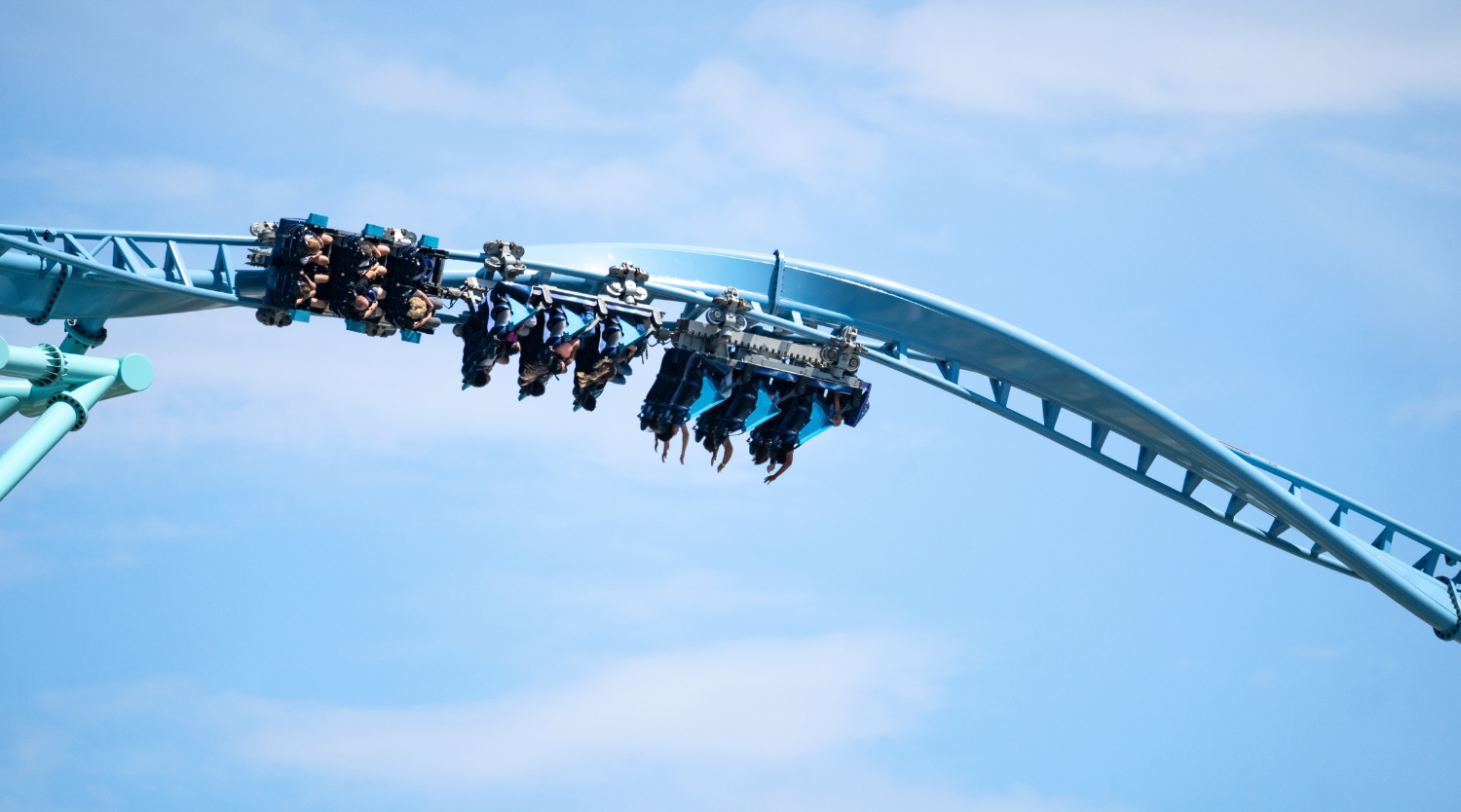
In most valleying scenarios, the train ends up at the bottom of a "U" shape in the track. However, in rare cases like the Fireball or rides with specific "hangtime" elements, a mechanical failure in the drive motor or a physical obstruction on the track can cause the train to stop mid-inversion.
Health Implications of Inverted Suspension
To further debunk the "3-day" claim, it is important to understand the medical timeline for someone trapped upside down. The human circulatory system is optimized for a vertical, head-up orientation.
| Time Elapsed | Physiological Effect |
|---|---|
| 0–30 Minutes | Initial discomfort, facial flushing, increased pressure in the eyes and sinuses. |
| 30–120 Minutes | Severe headache, "red out" (vision turning red due to blood flow), potential for fainting. |
| 2–6 Hours | Risk of pulmonary edema (fluid in lungs), dangerous increase in blood pressure, risk of stroke. |
| 6–24 Hours | High probability of irreversible neurological damage or death due to cerebral edema. |
| 24+ Hours | Survival is highly unlikely without advanced medical support and specialized positioning. |
Because the Crandon incident lasted approximately three to four hours, several riders were hospitalized for observation. Had the incident actually lasted three days, none of the eight passengers would have survived.
Other Notable Roller Coaster Incidents Often Confused
The "3-day" search term often serves as a catch-all for various high-profile amusement park incidents. Here are the most relevant real-world events that contribute to the public's anxiety and the viral nature of these stories:
The Oaks Park "AtmosFEAR" Stall (2024)
In June 2024, at Oaks Amusement Park in Portland, Oregon, 28 people were stuck upside down on the AtmosFEAR ride. Much like the Wisconsin incident, this was a "pendulum" style ride that stopped at the 180-degree mark. Riders were suspended for about 30 minutes. Though the duration was short, the sheer number of people involved made it a massive news story, further fueling the "stuck upside down" narrative online.
The Smiler (Alton Towers, 2015)
While not an upside-down stall, the Smiler incident involved a collision between a moving train and a stationary empty train. The complexity of the rescue, which took several hours and involved amputations for some victims, remains a landmark case in ride safety and emergency response.
Universal Studios Japan "Flying Dinosaur" (2023)
The Flying Dinosaur roller coaster in Osaka is a "flying" coaster where riders are positioned face-down. In December 2023, the ride stalled, leaving 32 people suspended 131 feet in the air for roughly 45 minutes. Because riders are in a horizontal "flying" position, the physical strain is different from a vertical inversion, but the visual of people "hanging" is often used in clickbait "3-day" videos.
Amusement Park Safety Regulations in 2026
As of 2026, the amusement park industry has implemented even more stringent monitoring technologies to prevent these types of stalls. Most modern attractions now use Industrial Internet of Things (IIoT) sensors that monitor motor torque and wheel friction in real-time.
- Predictive Maintenance: AI-driven systems analyze data from thousands of cycles to predict when a motor might fail, allowing parks to replace parts before an incident occurs.
- ASTM International Standards: The F24 Committee on Amusement Rides and Devices continues to update standards (like ASTM F2291) which dictate the design of restraints and evacuation procedures.
- Enhanced Evacuation Equipment: Many large-scale parks have invested in custom-built "evacuation platforms" that can reach inverted trains more quickly than standard fire department ladder trucks.
How to Verify Amusement Park News
Given the prevalence of misinformation, readers should use the following steps to verify claims of "multi-day" accidents:
- Check Official Sources: Look for statements from the park itself or local emergency services (Fire/Police departments).
- Search for Local News: A 3-day incident would be global breaking news covered by every major outlet (CNN, BBC, AP). If the only source is a TikTok video with robotic narration, it is likely false.
- Evaluate Physiological Reality: If the claim involves something physically impossible (like surviving 72 hours upside down), treat it as fiction.
- Consult Safety Databases: Organizations like Saferparks track ride-related injuries and incidents based on state regulatory reports.
Frequently Asked Questions
Has anyone ever actually died from being stuck upside down on a roller coaster?
While there have been fatalities on roller coasters due to collisions, falls, or pre-existing medical conditions, there are no modern recorded instances of a person dying solely from being stuck upside down. This is because emergency services prioritize these calls as "life-safety" events, often arriving within minutes to begin the extraction process.
Why can't they just "restart" the ride if it gets stuck?
Rides are programmed with "stop" commands that cannot be overridden manually if a safety sensor is tripped. If a ride stalls due to a mechanical failure or a "valley," simply restarting the motor could cause further damage to the track or the train, or potentially lead to a collision if another train is on the course. A manual evacuation is always the preferred, albeit slower, safety protocol.
How do riders stay in their seats when stuck upside down?
Modern roller coasters use redundant restraint systems. Most inverted coasters use over-the-shoulder restraints (OTSRs) that are locked by hydraulic cylinders. These cylinders require power to open, meaning if the ride loses power, the restraints remain "locked" in place. Many also feature a secondary "seatbelt" or a mechanical "ratchet" system as a backup.
What should you do if a ride you are on stops?
The most important action is to remain calm and follow the instructions of the ride operators via the PA system. Do not attempt to unbuckle your own restraints or "climb out," as the ride may be in a state where it could unexpectedly move. Modern rescues are highly coordinated; staying put is the safest way to ensure the rescue team can reach you.
Why do some people call the Wisconsin incident the "3-day" incident?
This is largely due to "social media drift." A user might post a video titled "Stuck for 3 Hours," and a subsequent reposter might change it to "3 Days" to get more views. Over time, the search algorithm begins to associate the "3 day" keyword with the original "3 hour" footage.
Moving Forward: Safety and Vigilance
While the "3-day upside down roller coaster incident" is a myth, the real-world incidents it draws from serve as critical case studies for the amusement industry. The 2023 Wisconsin event led to a nationwide re-evaluation of festival-grade "portable" rides and the training requirements for local fire departments in rural areas.
In 2026, amusement park safety remains at an all-time high, with the statistical probability of being injured on a fixed-site ride being approximately 1 in 15.5 million. When you see sensationalist claims of multi-day ordeals, remember that the engineering and medical realities of these machines are designed to prevent such scenarios. For those concerned about safety, the best course of action is to visit parks that are members of the International Association of Amusement Parks and Attractions (IAAPA), as these facilities adhere to the highest global safety and maintenance standards.