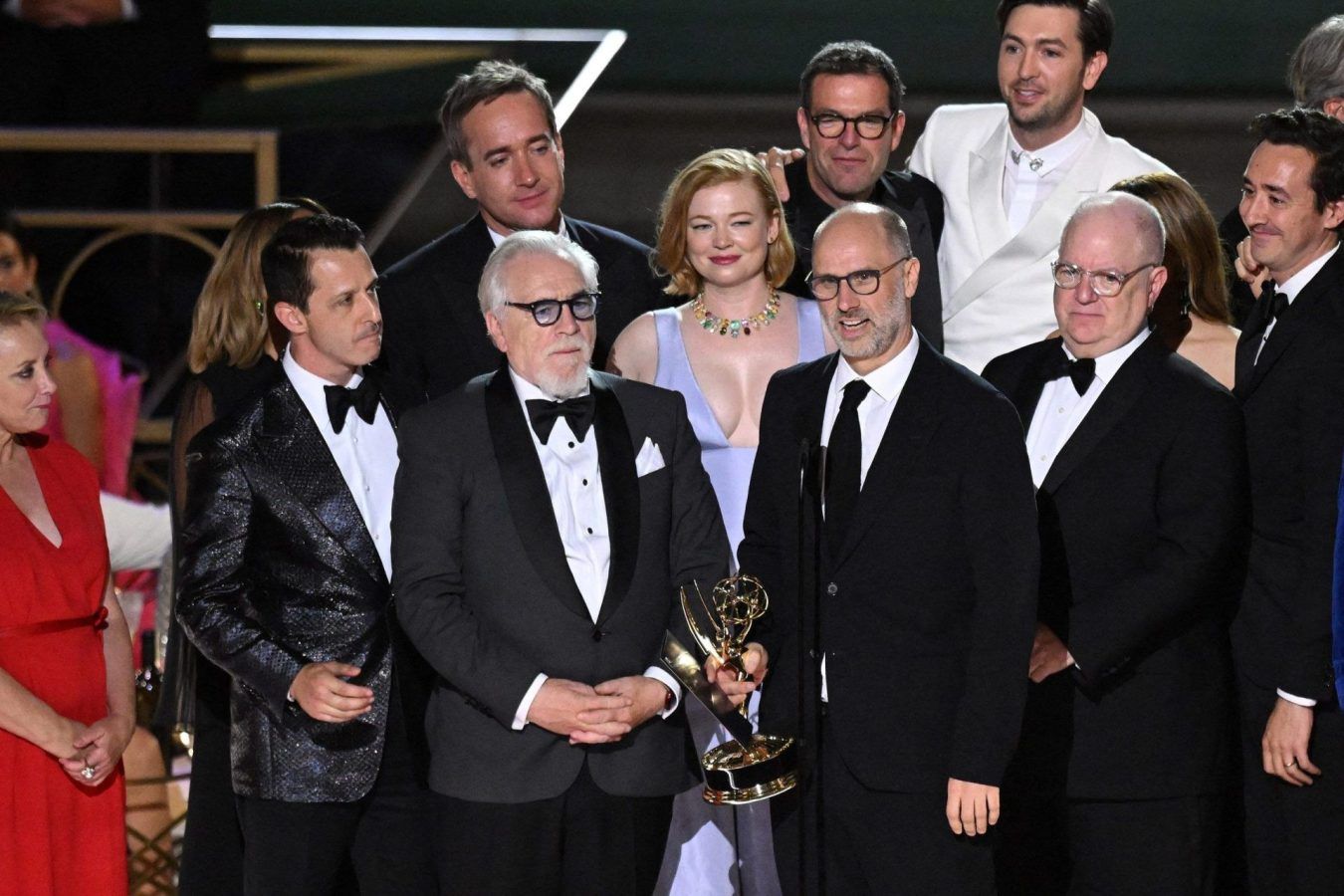
In 2025, a singular television drama series secured 27 nominations, setting the high-water mark for the year’s Primetime Emmy Awards. This achievement highlights the shifting landscape of prestige television, where singular powerhouse productions—often backed by massive streaming budgets and expansive creative teams—consistently dominate the primary categories while shaping the industry's discourse on quality, production scale, and narrative ambition.
The Emmy Awards, administered annually by the Television Academy, represent the pinnacle of recognition in the medium. When a single program secures 27 nominations, it does more than demonstrate popularity; it signals a holistic excellence across technical, craft, and performance categories. This specific count in 2025 serves as a definitive case study for how modern dramas capture the attention of the voting body, balancing complex narrative structures with high-fidelity production values.
The Mechanics of Emmy Recognition
To understand the significance of a 27-nomination haul, one must first recognize the structure of the Primetime Emmy Awards. The process involves two primary phases: the nomination round and the final voting round. In the nomination phase, members of the Television Academy cast ballots in their respective peer groups—such as writers, directors, editors, and actors—to determine the shortlist for each category.
A series that receives 27 nominations is typically one that excels in both the "Program" categories (such as Outstanding Drama Series) and the individual "Craft" categories. Craft categories include cinematography, production design, editing, sound mixing, music composition, and visual effects. When a production earns this volume of recognition, it indicates that the series is firing on all cylinders, ensuring that academy members across disparate specialties feel compelled to support the work.
Evaluating the Impact of Production Scale
In the contemporary television era, the "27 nominations" threshold is rarely crossed by low-budget or independent productions. It is almost exclusively the domain of high-budget dramas produced by major streamers and cable networks. These productions leverage massive resources to secure top-tier talent in every department.
For instance, the scale of a production nominated in nearly 30 categories requires an enormous crew. From the logistics of maintaining continuity across several months of principal photography to the intricate post-production requirements for digital effects or period-accurate set dressing, the effort is industrial in scale. This scale serves as a prerequisite for winning in technical categories. If a production does not look, sound, and feel like a "prestige" project, it rarely accumulates the sheer volume of nominations required to hit the mid-20s.
Comparative Landscape of Emmy Success
The following table illustrates how top-tier Emmy performances are typically distributed across key categories. While a production might dominate in one area, a 27-nomination count requires a balanced distribution between performance and technical achievement.
| Category Type | Examples of Sub-Categories | Contribution to Nomination Count |
|---|---|---|
| Program | Outstanding Drama Series | 1 |
| Performance | Lead, Supporting, and Guest Acting | 6–10 |
| Directing/Writing | Directing for a Drama, Writing for a Drama | 3–5 |
| Technical Craft | Cinematography, Editing, Production Design | 8–12 |
| Specialized | Costume, Stunt Coordination, Prosthetic Makeup | 2–5 |
This distribution shows that a series cannot rely solely on the strength of its lead actors to reach a 27-nomination milestone. It must be an exemplary product of collective labor. The inclusion of technical categories—often overlooked by general audiences—is what pushes a successful show from 15 or 18 nominations into the upper echelon of 25+.
Prerequisites for Academy Consideration
Earning 27 nominations is not merely a result of artistic merit; it is also a result of a highly structured "For Your Consideration" (FYC) campaign. Networks and streaming platforms invest millions of dollars annually to ensure that their strongest candidates are seen and remembered by the voting body.
- Eligibility Windows: A production must be broadcast or streamed within the designated eligibility window established by the Television Academy.
- Platform Visibility: The series must be hosted on a platform that is easily accessible to all academy members. In 2025, digital screeners became the standard, requiring seamless technical integration for voters.
- Strategic Submission: Studios must strategically choose which episodes to submit for specific categories. For an acting nomination, a specific episode might showcase an actor's range; for editing, the submission must demonstrate pacing and narrative clarity.
- Member Outreach: Campaigns involve hosting panels, Q&A sessions, and screenings that allow voters to engage with the talent and creators behind the show.
Common Misconceptions Regarding Emmy Nominations
One common error in analyzing Emmy success is the belief that nomination counts correlate directly to an "objective" quality ranking. In reality, the Emmy process is subjective, reflecting the collective tastes and biases of the industry professionals who hold membership in the Academy.
Furthermore, a high nomination count does not guarantee a victory. A production may be nominated in 27 categories but win in none. This phenomenon occurs when a series is widely respected across all crafts but faces stiff competition in every individual race. Conversely, a show might receive fewer nominations but secure wins in the most prestigious categories, such as Best Drama or Best Lead Actor, which often carry more weight in terms of industry legacy and future marketability.
The Evolution of Drama Categories
The 2025 Emmy landscape reflected the ongoing evolution of the "Drama" category. As genres blur, the distinction between a traditional drama and a limited series has become more fluid. However, for a show to maintain its standing in the drama category, it must demonstrate consistency over a season. This is particularly important for narrative-heavy shows that rely on long-form storytelling.
The 27 nominations for a single drama in 2025 highlight a trend toward "event television." These are shows designed to be watched, discussed, and analyzed in real-time, providing the social and cultural capital necessary to remain at the forefront of the voter's mind during the nomination period.
Navigating the Emmy Selection Process
For those interested in understanding how these nominations are validated, the Television Academy provides a transparent, though rigorous, process.
- Peer Group Identification: Voters only cast ballots in their professional peer group, plus the overall "Program" categories.
- The Scoring System: The Academy utilizes a weighted system where voters rank their top choices. This prevents obscure or niche favorites from being excluded entirely but creates a high barrier to entry for widespread consensus.
- Verification: Every nomination is subject to a review process to ensure that all participants meet the minimum eligibility requirements, such as professional credits and valid membership status.
Frequently Asked Questions
1. Does a high number of Emmy nominations guarantee a win? No. Nominations represent the consensus of a peer group that the work is among the best of the year, but winning requires a second round of voting where the entire Academy may participate in specific categories.
2. Why do technical categories carry so much weight in nomination totals? Technical categories—such as sound mixing, visual effects, and editing—are numerous. A high-budget drama that excels in these areas naturally accumulates more nominations than a character-focused drama that avoids heavy production effects.
3. How do streaming platforms influence nomination counts? Streaming platforms often possess larger marketing budgets than traditional broadcast networks. This allows for more aggressive FYC campaigns, ensuring that their highest-quality content remains visible to a large, global voting body throughout the eligibility window.
4. Can a series be nominated for 27 awards but not be considered the "best" show of the year? Yes. A series might earn 27 nominations for its technical proficiency and the broad appeal of its cast, but it might lose the "Outstanding Drama Series" award to a show that has a tighter, more focused narrative or stronger critical acclaim in the final voting round.
5. How has the definition of "Drama" changed for the 2025 Emmys? The 2025 landscape saw an increased emphasis on multi-genre narratives. While dramas remain focused on serious, character-driven storytelling, the lines between thriller, fantasy, and prestige drama continue to blur, making the 27-nomination threshold even more impressive as it requires broad appeal across diverse sub-genres.
Strategic Conclusion and Next Steps
For production studios and creators, the takeaway from the 2025 Emmy cycle is that excellence across the entire production pipeline is the only viable path to achieving the industry-leading nomination counts. If you are tracking the success of specific programs, prioritize analyzing the distribution of these nominations—specifically the balance between craft and performance.
To further your understanding of the industry, monitor the official Television Academy announcements following the awards ceremony. By comparing the nomination lists to the final winner's circle, you can determine which areas of production (performance vs. technical) were the true drivers of success in the 2025 calendar year. This analysis provides a blueprint for how high-budget, prestige-tier drama continues to define the modern standard of excellence in global television.