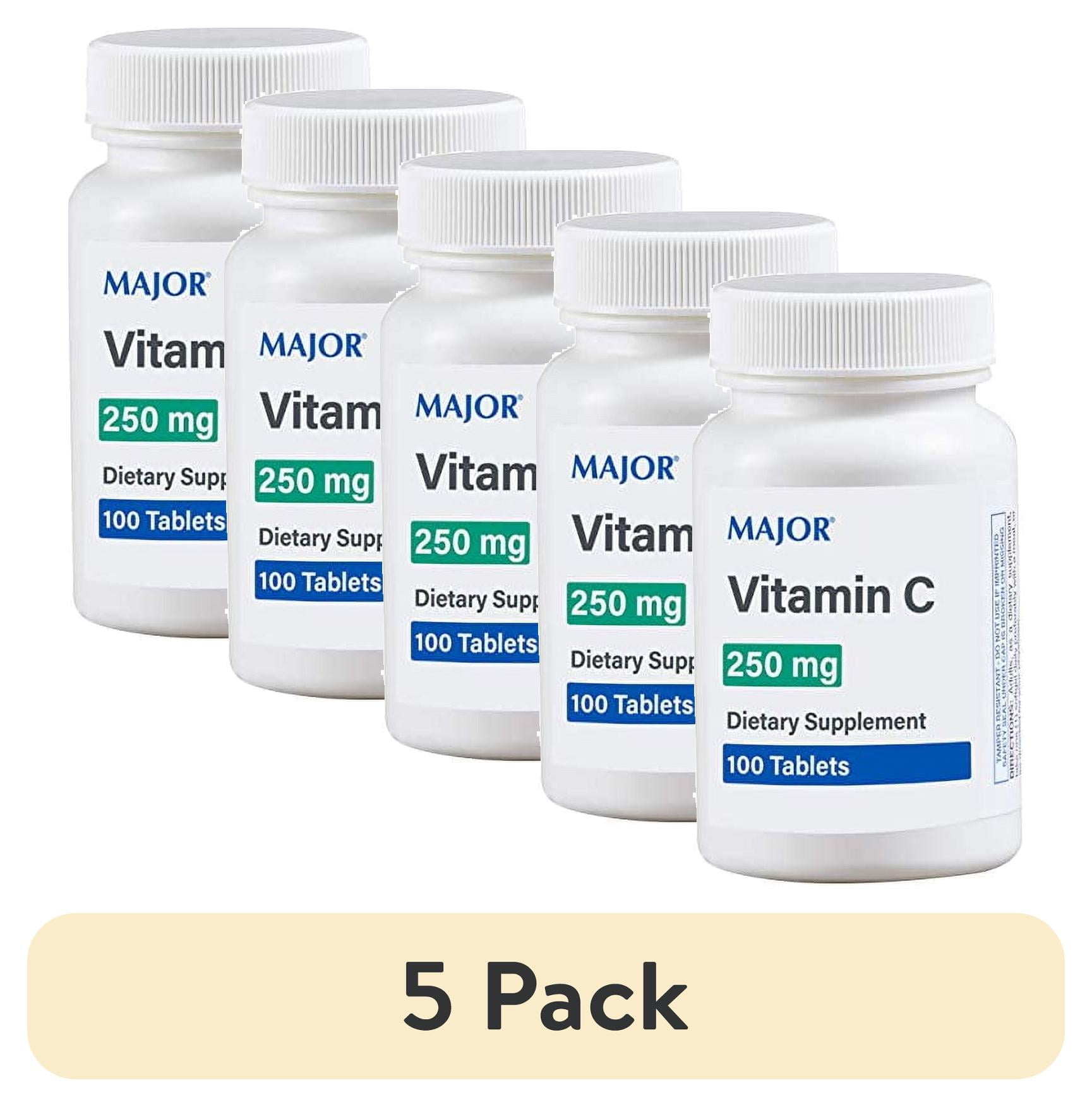
Consuming 250 mg of vitamin C is generally considered well within the safe and beneficial range for most healthy adults. This dosage is significantly lower than the established Tolerable Upper Intake Level (UL) of 2,000 mg per day and provides a modest boost to dietary intake, which is essential for immune function, collagen synthesis, and antioxidant protection.
Understanding Vitamin C Dosage and Requirements
Vitamin C, or ascorbic acid, is a water-soluble vitamin that the human body cannot synthesize on its own. It must be obtained through dietary sources such as citrus fruits, bell peppers, strawberries, and broccoli, or through supplementation. Because the body does not store significant amounts of vitamin C, maintaining consistent intake is necessary.
The Recommended Dietary Allowance (RDA) established by the National Institutes of Health (NIH) is 90 mg for adult men and 75 mg for adult women. These figures represent the amount needed to prevent deficiency, such as scurvy, and to maintain general health. A 250 mg dose sits comfortably above the RDA but far below the upper limit, making it a common choice for those looking to ensure they meet their nutritional needs without risking the side effects associated with high-dose supplementation.
The Science of "Too Much"
In nutritional science, the concept of "too much" is defined by the Tolerable Upper Intake Level (UL). The UL is the maximum daily intake unlikely to cause adverse health effects in the general population. For vitamin C, this limit is 2,000 mg per day for adults.
When you consume 250 mg, you are operating at roughly 12.5% of the established safety ceiling. Because vitamin C is water-soluble, any excess that the body does not immediately require for physiological processes is typically excreted through the kidneys and into the urine. This process acts as a natural safeguard against toxicity, though it does mean that taking massive doses does not necessarily result in a linear increase in systemic benefits.
Physiological Impacts of 250 mg
Taking 250 mg daily typically produces positive outcomes without the complications often seen with megadosing (intake exceeding 2,000 mg).
- Immune System Support: Vitamin C facilitates various cellular functions of both the innate and adaptive immune systems. Consistent moderate intake supports epithelial barrier function against pathogens and promotes the oxidant scavenging activity of the skin.
- Collagen Production: As a crucial cofactor for the enzymes prolyl hydroxylase and lysyl hydroxylase, vitamin C is essential for stabilizing collagen structures. This contributes to skin elasticity, wound healing, and the integrity of connective tissues throughout the body.
- Antioxidant Activity: Vitamin C acts as a potent reducing agent, neutralizing free radicals that cause oxidative stress. By donating electrons, it helps prevent cellular damage that contributes to chronic inflammation.
- Iron Absorption: One of the most documented benefits of moderate vitamin C intake is its ability to enhance the absorption of non-heme iron—the type of iron found in plant-based foods—from the digestive tract.
Comparing Dosage Ranges
To understand where 250 mg fits into the broader spectrum of supplementation, it is helpful to compare it against various intake levels.
| Dosage Category | Daily Amount | Context |
|---|---|---|
| Deficiency Baseline | < 10 mg | Risk of scurvy and severe systemic failure. |
| RDA (Target) | 75–90 mg | Minimum level recommended to maintain health. |
| Modest Supplementation | 250–500 mg | Common for nutritional insurance and antioxidant support. |
| Pharmacological Dosing | 1,000–2,000 mg | Often used for specific therapeutic goals or clinical trials. |
| Upper Limit (UL) | 2,000 mg | The threshold beyond which gastrointestinal issues often occur. |
Potential Side Effects of Excess Intake
While 250 mg is safe for the vast majority of individuals, it is important to understand why the 2,000 mg limit exists. When vitamin C intake consistently exceeds the body's absorptive capacity in the intestines, the unabsorbed substance exerts an osmotic effect in the gastrointestinal tract.
The most common side effects of exceeding the UL include:
- Gastrointestinal Distress: This typically manifests as diarrhea, abdominal cramps, and bloating.
- Kidney Stones: For individuals with a history of oxalate kidney stones, very high doses of vitamin C (often significantly exceeding 2,000 mg) may increase the excretion of oxalate in the urine, potentially contributing to stone formation.
- Iron Overload: In individuals with conditions like hemochromatosis (a disorder where the body stores too much iron), excessive vitamin C intake can increase iron absorption to dangerous levels, causing damage to the liver, heart, and pancreas.
Special Populations and Considerations
While 250 mg is safe for most, specific medical histories warrant a conversation with a healthcare provider before starting any supplementation.
- Individuals with Kidney Disease: Those with compromised renal function must be cautious, as the kidneys are responsible for filtering out the metabolites of vitamin C.
- Those with Iron Metabolism Disorders: As noted, anyone with conditions involving iron overload should consult a doctor regarding the effect of vitamin C on mineral absorption.
- Pregnancy and Lactation: While the body requires more vitamin C during pregnancy, the upper limits remain the same. The 250 mg range is generally considered safe, but nutritional needs should be coordinated with a prenatal healthcare provider.
Common Questions Regarding Vitamin C
Is it better to get 250 mg from food or supplements? It is almost always preferable to obtain vitamin C from whole foods. A single medium orange contains approximately 70 mg of vitamin C, and a cup of chopped red bell pepper contains nearly 190 mg. Food sources provide a matrix of other phytonutrients, fiber, and minerals that aid in the bioavailability of the vitamin. However, if dietary intake is consistently low, a 250 mg supplement can bridge the gap safely.
Does taking 250 mg of Vitamin C cause heartburn? For most people, no. However, because ascorbic acid is acidic, some individuals with sensitive stomachs or conditions like GERD (gastroesophageal reflux disease) may experience mild irritation. In these cases, opting for a "buffered" vitamin C supplement (such as calcium ascorbate) can often mitigate symptoms.
Can I take 250 mg of Vitamin C at the same time as other medications? Vitamin C can interact with certain medications. For example, it may alter the absorption of some cancer treatments (chemotherapy) or affect blood levels of certain protease inhibitors used in HIV treatment. Always disclose supplement use to a pharmacist or physician when beginning a new prescription.
Does the time of day matter? Since vitamin C has a relatively short half-life, some individuals prefer to split their intake or take it with a meal to enhance absorption and minimize the risk of stomach upset. However, for a dose as low as 250 mg, the timing is less critical than it would be for higher, therapeutic doses.
Will 250 mg help me avoid a cold? Research suggests that routine supplementation does not significantly reduce the incidence of the common cold in the general population. However, it may slightly reduce the duration and severity of cold symptoms if taken regularly before the onset of illness.
Next Steps for Nutritional Planning
If you are considering a 250 mg supplement to support your health, the best first step is to evaluate your current diet. Utilize a food tracking tool for three to five days to estimate your natural intake of vitamin-C-rich vegetables and fruits. If your average daily intake is significantly below the RDA, adding a 250 mg supplement is a low-risk, evidence-backed strategy for ensuring your body has the resources required for immune and structural support.
If you have underlying conditions—specifically related to kidney function or iron storage—consult your primary care provider before adding a concentrated supplement to your routine. For the vast majority of healthy adults, 250 mg is not too much; it is an effective, conservative, and safe method for optimizing nutritional intake.