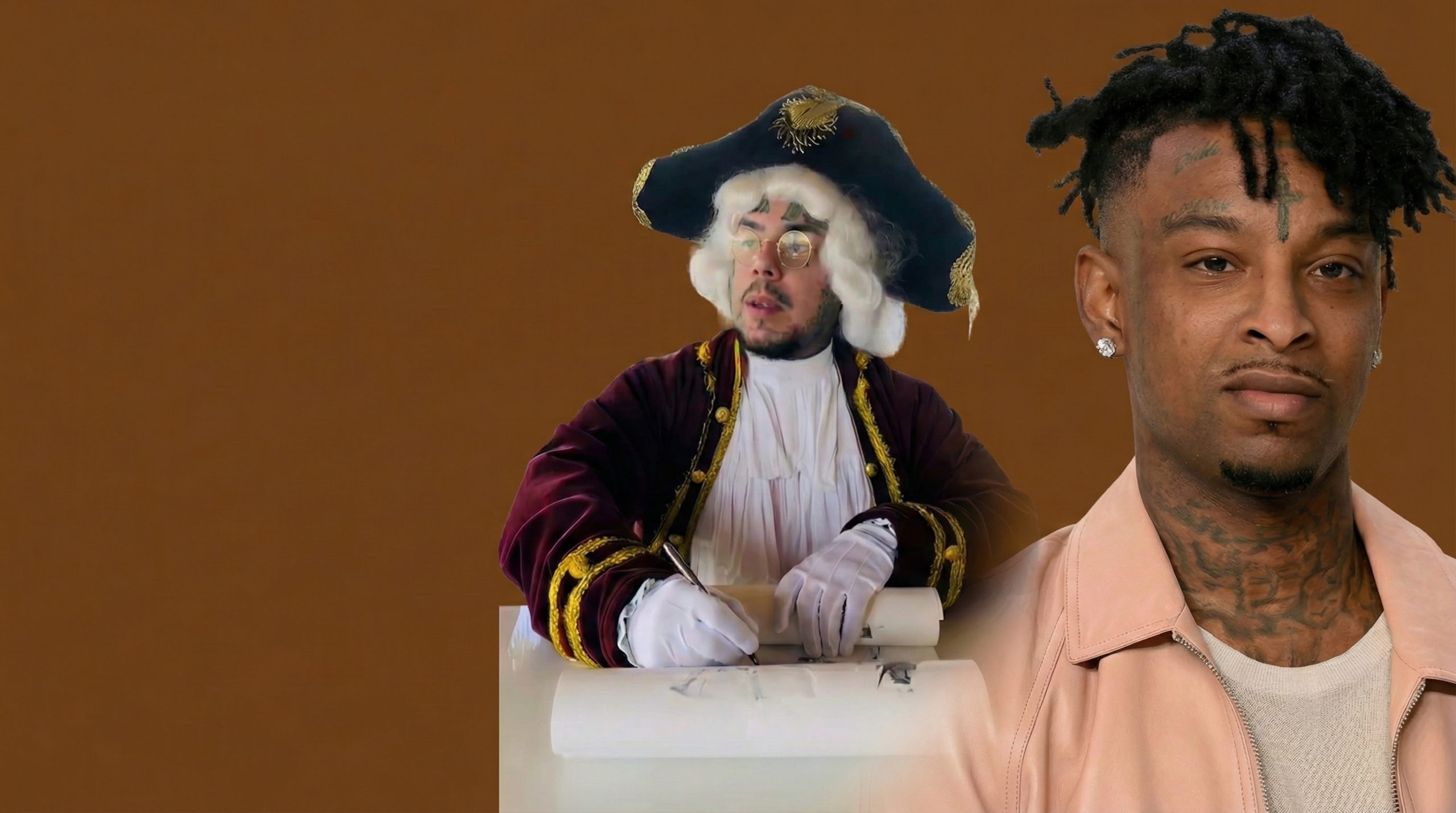
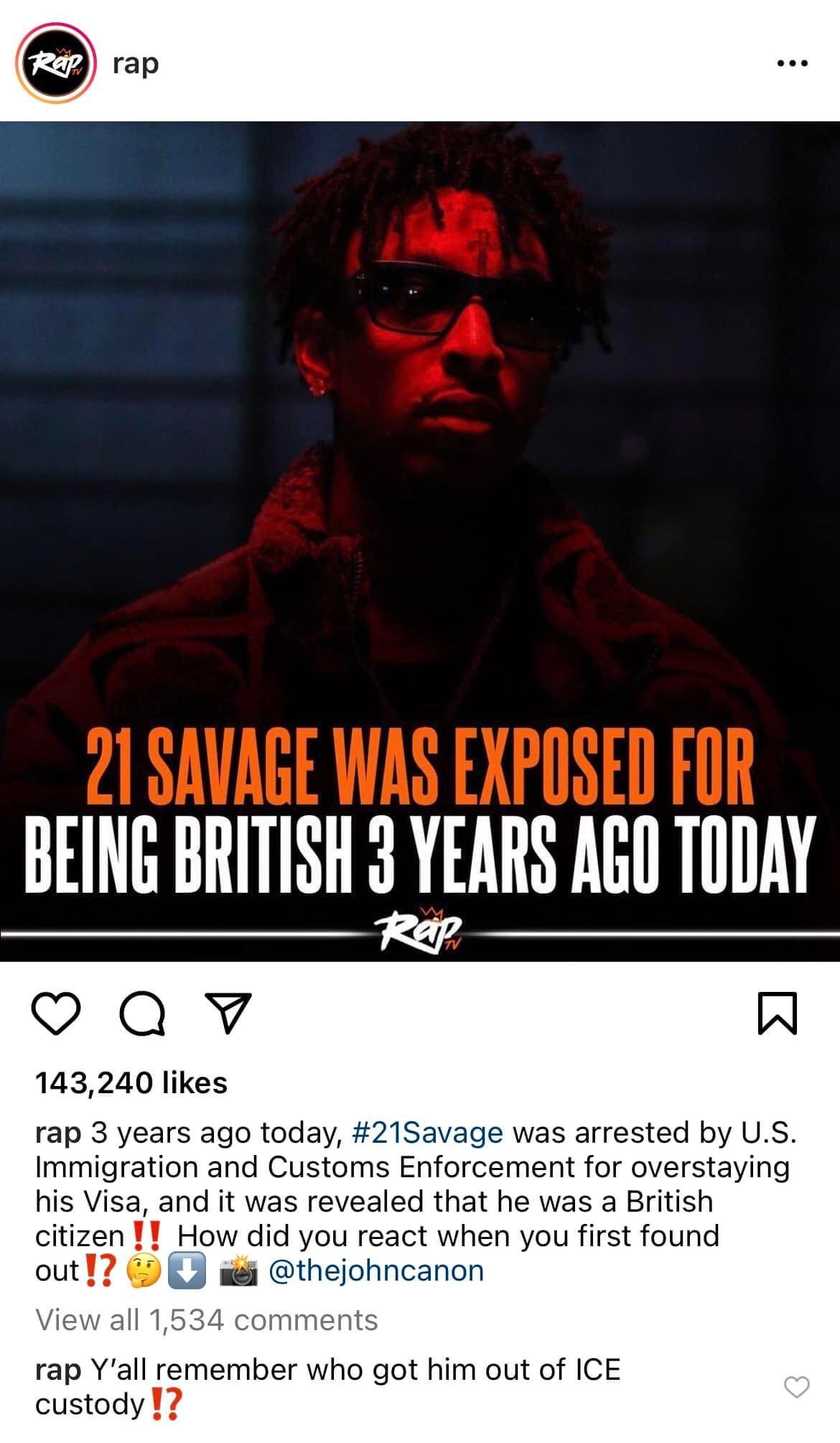
The viral explosion of 21 Savage British memes on Twitter began in early 2019 after U.S. Immigration and Customs Enforcement (ICE) detained the Grammy-nominated artist and revealed his British nationality. This unexpected news shattered the prevailing public assumption that he was an authentic product of Atlanta street culture, triggering a massive wave of hyper-localized British-themed jokes, tea-drinking puns, and cross-cultural juxtaposition across social media timelines.
The Genesis of the Revelation: The 2019 ICE Detainment
On February 3, 2019, U.S. Immigration and Customs Enforcement detained rap artist 21 Savage (born Shéyaa Bin Abraham-Joseph) in Atlanta, Georgia. Up to that point, mainstream hip-hop audiences, media outlets, and casual fans widely viewed him as a quintessential Atlanta artist. His lyrics, public persona, and regional associations deeply anchored him in the culture of the American South.
The arrest report stunned the public with a single, unexpected fact: he was actually a British citizen who had overstayed a visa originally issued in July 2005 when he was a minor. This disclosure overturned years of public branding and transformed the rapper into an instant internet anomaly. Within hours, Twitter transformed from a space of genuine shock into an engine of rapid-fire comedy. The core tension of the memes relied on the jarring contrast between his menacing trap persona, dark lyrical themes, and stereotypical markers of British aristocracy, such as afternoon tea, polite etiquette, and crumpets.
Anatomy of a 21 Savage British Meme: Humor Mechanics
Internet humor surrounding the rapper's British roots followed specific rhetorical formulas. Users systematically reimagined his most recognizable aggressive or gritty lyrics, ad-libs, and interview moments through the lens of a posh, upper-class Londoner.
Lyrical Reinterpretation and Translation
Fans and meme creators rewrote famous bars from tracks like "Bank Account" or his feature on Post Malone’s "Rockstar." Hard-hitting street terminology was swapped for quintessentially British English slang or formal Victorian phrasing. For instance, phrases about violent encounters or financial wealth were reframed into polite requests for currency or discussions involving Earl Grey tea.
The Knife Emoji and Posh Tropes
Prior to the revelation, 21 Savage’s signature tattoo and visual motif was a dagger or knife situated between his eyes. Twitter users seized upon this imagery, combining it with stereotypical British cultural touchstones. The knife was humorously recast as a butter knife used for spreading clotted cream on scones, or a dueling weapon brandished during a polite dispute in an Edwardian drawing room.
Audio and Visual Mashups
Video editors on Twitter matched footage of the rapper speaking or performing with audio tracks of quintessential British figures, ranging from Queen Elizabeth II to fictional characters like Mary Poppins or Peppa Pig. These edits relied on incongruity, juxtaposing heavy bass trap production with jaunty, old-fashioned English tunes or posh vocal deliveries.
Timeline of the Trend: From Breaking News to Enduring Pop Culture Lore
The lifecycle of these internet jokes moved swiftly through distinct phases, capturing the attention of mainstream media and even prompting public responses from the artist himself.
| Phase | Timeframe | Characteristics & Cultural Impact |
|---|---|---|
| The Shock Wave | February 3–5, 2019 | Immediate reaction to the ICE arrest; initial disbelief, breaking news sharing, and rapid-fire text jokes on Twitter. |
| The Saturation Peak | February 6–15, 2019 | Peak meme production; integration of image macros, deepfakes, custom audio mixes, and corporate brand participation. |
| The Artist's Response | Late February 2019 onward | 21 Savage released from custody; graceful acceptance of the jokes, reclaiming the narrative through self-deprecating humor. |
| The Legacy Era | 2020–Present | Transition into a recurring internet touchstone, resurfacing whenever British-American cultural comparisons trend online. |
Cultural Reception and the Shift in Public Persona
While internet jokes often rely on ridicule, the digital reaction to 21 Savage's heritage ultimately shifted into a display of mutual cultural appreciation rather than malicious mockery.
Initially, civil rights advocates and supporters expressed serious concern over his detention, highlighting systemic immigration enforcement issues. However, once it became clear that public pressure and legal representation would likely secure his release, the internet pivoted entirely toward absurdity.
Rather than damaging his career, the viral wave humanized the artist. When he returned to music and public appearances, he leaned directly into the joke. He acknowledged that he grew up moving between London and Atlanta, showing that he was comfortable with the playful ribbing from fans. This approach neutralized the potential backlash and turned a potentially damaging PR crisis into a moment of collective internet bonding.
Common Tropes and Variations Across Social Platforms
While Twitter served as the primary incubator for text-based jokes and rapid image macros, the phenomenon spilled over into adjacent digital spaces, each platform adding its own unique technical spin to the British persona.
- Twitter (X): Dominated by text juxtaposition, fake translated lyrics, and rapid-fire quote-tweet chains comparing American trap music to British formalities.
- TikTok and Instagram Reels: Focused on audio-visual skits, where creators dressed in trench coats and bowler hats lip-synced to his songs while holding teacups with outstretched pinkies.
- Reddit: Actively tracked the evolution of the news cycle, discussing the legal and immigration implications alongside deep dives into historical hip-hop cross-pollination.
Frequently Asked Questions
Why did people think 21 Savage was American?
He spent the vast majority of his formative years growing up in Atlanta, Georgia, spoke with an authentic regional accent, and built his entire musical career around the specific socio-cultural realities of the American South. Because he moved to the U.S. legally as a child, his immigration status was not public knowledge until his adult detainment.
How did 21 Savage react to the British memes?
He responded with humor and resilience. After being released from ICE custody, he frequently joked about the situation on social media, acknowledging the tea-drinking and crumpet jokes with amusement, which helped solidify his cultural standing among fans.
Did the memes affect his music career negatively?
No. In fact, the surge in public attention brought massive visibility to his name and catalog. Following his release, subsequent album releases and collaborative projects debuted to strong commercial performance, proving that the internet humor did not alienate his core listenership.
Are there other artists who faced similar cultural memeification?
While international background reveals occasionally surface for public figures, the sheer speed, volume, and cultural specificity of the 21 Savage British meme wave remain a unique anomaly in modern hip-hop history due to the sharp contrast between his musical style and his birthplace.
Practical Next Steps for Digital Culture Researchers
For those examining the mechanics of modern viral phenomena, analyzing the 21 Savage Twitter trend offers clear lessons in digital resilience and narrative reclamation. When unexpected personal details emerge in public view, embracing absurdity rather than fighting the current often disarms critics and converts a momentary scandal into enduring pop-culture history.