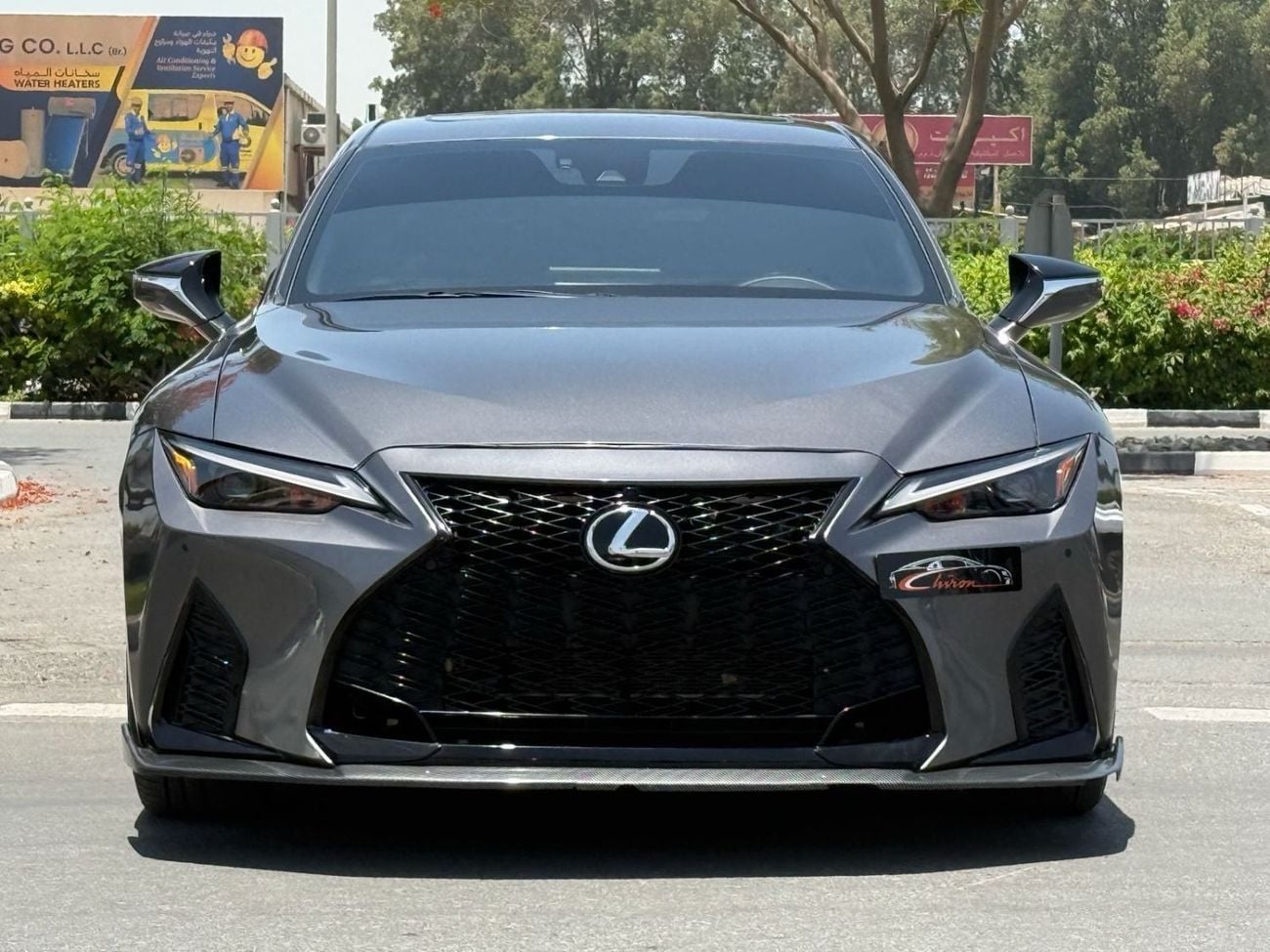
The 2024 Lexus IS300 stands as a sophisticated entry in the luxury compact sedan segment, balancing established powertrain durability with modern infotainment and safety technology. Based on historical reliability data, the 2024 model year continues the legacy of the third-generation IS platform, offering a highly predictable ownership experience defined by robust mechanical engineering and minimized occurrences of critical system failures.
The Foundation of Lexus Reliability: The Third-Generation IS Platform
To understand the 2024 IS300, one must first look at the platform it occupies. The third-generation Lexus IS, which received a significant design update in 2021, utilizes a chassis architecture that has been refined over a decade. In the automotive industry, vehicle platforms that reach the later stages of their life cycle—such as this iteration of the IS—frequently exhibit the highest levels of reliability. This is because the manufacturer has had years to identify and resolve early-production manufacturing defects, optimize assembly line processes, and refine supplier quality control.
The 2024 IS300 is primarily recognized for its 2.0-liter turbocharged four-cylinder engine (in rear-wheel-drive configurations) and its naturally aspirated 3.5-liter V6 (in all-wheel-drive configurations). Both powerplants are well-understood by Lexus service technicians and independent mechanics alike. Because the underlying hardware is not a "first-year" iteration, owners are statistically less likely to encounter "teething" issues associated with new, unproven technology.
Powertrain Performance and Mechanical Durability
The mechanical heart of the 2024 IS300 is its strongest asset. The engines utilized in this model have undergone rigorous testing cycles throughout their tenure in the Lexus lineup.
- The 2.0L Turbocharged I4: This engine relies on a twin-scroll turbocharger system. While turbocharged engines generally carry a higher complexity level than naturally aspirated ones, the implementation in the IS300 is conservative. Lexus prioritizes longevity over squeezing out maximum horsepower, which reduces stress on internal components like connecting rods and turbo bearings.
- The 3.5L Naturally Aspirated V6: This engine is widely considered one of the most reliable V6 configurations in modern automotive history. By eschewing forced induction, it eliminates several potential points of failure, such as wastegate actuators, intercoolers, and associated piping. For owners prioritizing long-term ownership beyond the factory warranty period, the V6 is frequently cited as the more "bulletproof" option.
Transmission reliability is another cornerstone of the IS300’s report card. The 8-speed automatic transmission found in RWD models and the 6-speed automatic in AWD models are paired precisely with their respective engines. These transmissions are noted for smooth operation and, provided that transmission fluid service intervals are observed, rarely experience the catastrophic failures seen in some dual-clutch transmission (DCT) systems used by competing European luxury brands.
Electrical Systems and Infotainment Stability
While mechanical components remain the strong suit, the electrical and infotainment systems represent the area where modern luxury vehicles—including the IS300—see the most frequent user-reported "glitches."
In the 2024 model, Lexus transitioned toward a more modern interface. While this provides a better user experience, it increases complexity. Reliability in this domain is often measured by the frequency of screen freezes, connectivity drops with wireless Apple CarPlay or Android Auto, and voice command failures.
Most reported issues in this category are software-based rather than hardware-based. In most cases, these are rectified by dealer-performed firmware updates. Unlike mechanical failures, which can render a vehicle inoperable, these digital quirks typically do not impact the vehicle's ability to operate safely or maintain speed on the highway. Prospective owners should ensure that the dealership has performed all relevant software recalls or service bulletins before taking delivery of a vehicle.
Comparative Reliability Analysis
When evaluating the 2024 IS300, it is helpful to place its reliability in the context of the luxury compact segment. The following table summarizes how the IS300 generally compares to its primary competitors in terms of long-term mechanical predictability.
| Feature | Lexus IS300 | European Competitors (Avg) | Domestic Luxury (Avg) |
|---|---|---|---|
| Engine Longevity | High | Moderate | Moderate |
| Transmission Life | Excellent | Moderate/Variable | Moderate |
| Electrical Stability | High | Low/Moderate | Moderate |
| Maintenance Cost | Low/Moderate | High | Moderate |
| Parts Availability | Excellent | Moderate | Good |
As shown, while European competitors often offer more aggressive power outputs or cutting-edge autonomous driving features, they typically carry higher maintenance costs and a higher frequency of sensor-related "check engine" lights. The Lexus IS300 occupies a "sweet spot" where the cost of ownership remains manageable without sacrificing the premium feel of a luxury vehicle.
Maintenance Requirements: Protecting Your Investment
Reliability is not merely a function of manufacturing; it is a partnership between the manufacturer and the owner. To maintain the reliability profile of the 2024 IS300, adherence to the manufacturer’s suggested maintenance schedule is critical.
- Oil Changes: The turbocharged 2.0L engine is particularly sensitive to oil quality. Use only the manufacturer-specified synthetic oil weight and ensure changes occur at the prescribed 5,000 to 10,000-mile intervals depending on driving conditions (e.g., stop-and-go city traffic vs. highway cruising).
- Cooling System Inspection: With modern engines running at higher operating temperatures, the plastic components in the cooling system (hoses, water pump housings) can become brittle over several years. Inspecting these during the 30,000 and 60,000-mile service intervals is a proactive measure.
- Tire and Brake Care: Because the IS300 is a performance-oriented rear-drive or AWD sedan, it is harder on rear tires than a typical front-wheel-drive sedan. Regular tire rotations every 5,000 miles are essential to prevent premature wear and maintain vehicle handling balance.
Addressing Potential Concerns
No vehicle is entirely immune to problems. Potential buyers should be aware of the most common, albeit infrequent, concerns associated with this platform:
- Brake Dust and Rotor Wear: Due to the performance-oriented brake compound used by Lexus for better stopping power, users may experience higher-than-average brake dust on wheels and potentially faster-than-average wear on brake rotors. This is a characteristic of the vehicle's performance mission, not a sign of poor quality.
- Sensor Sensitivity: High-tech safety features, such as the Pre-Collision System, rely on forward-facing cameras and radar sensors. If the windshield is chipped or if the front grille (where the radar sensor is located) is damaged, these systems may trigger warning lights. Keeping these areas clean and free of significant debris is necessary for consistent operation.
FAQ: Common Questions Regarding IS300 Reliability
Is the 2024 Lexus IS300 considered expensive to maintain? No, it is generally considered one of the most affordable luxury vehicles to maintain. Because the IS300 shares many mechanical components with other Toyota and Lexus products, parts are readily available and specialized labor is rarely required compared to boutique or high-performance European brands.
Does the 2024 IS300 have major known mechanical flaws? There are no "catastrophic" mechanical flaws documented for this model. It is a mature, well-engineered vehicle. Most reported issues are minor software updates or wear-and-tear items related to standard driving cycles.
How does the turbo engine affect long-term reliability? The turbocharger in the IS300 is designed for low-pressure boost, which significantly reduces internal heat stress. When combined with regular synthetic oil changes, these engines regularly exceed the 150,000-mile mark without requiring major internal repairs.
Should I worry about the transmission in an AWD IS300? The 6-speed transmission in the AWD variant is widely regarded as robust. As long as the transmission fluid is inspected and replaced according to the high-mileage service recommendations, it is very reliable.
Is it better to buy the V6 or the Turbo-four for reliability? The V6 is the more conservative, time-tested option for those prioritizing long-term durability. However, the Turbo-four is more than adequate for daily driving and has proven to be reliable within the modern Lexus engine portfolio.
Expert Recommendation for Prospective Owners
For those considering the 2024 IS300, the vehicle represents one of the most sound financial and mechanical choices in the luxury sedan market. If your primary goal is to minimize time spent in the service department, ensure that you purchase a vehicle with a documented service history. If you are buying a used unit, insist on a pre-purchase inspection from an independent technician who has access to Lexus diagnostic software to check for "hidden" electronic codes. By performing routine maintenance and addressing minor software updates as they are released, you can expect the 2024 IS300 to provide consistent, comfortable performance for many years.