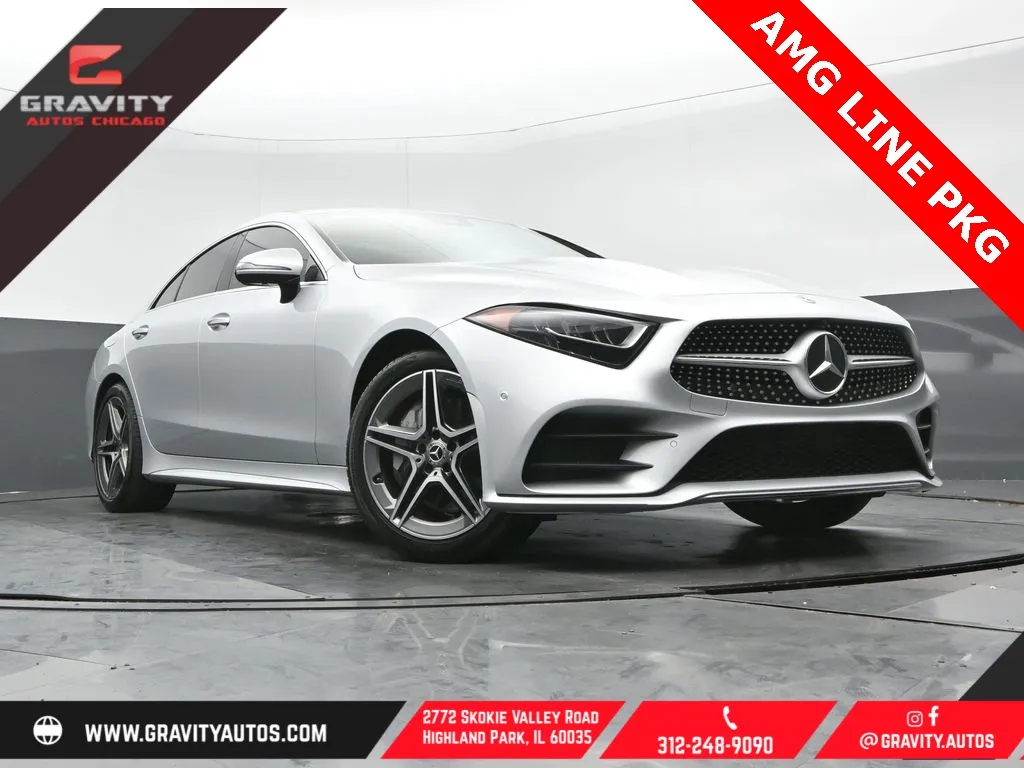
*(Note on Nomenclature and Historical Context: Discerning automotive enthusiasts and prospective buyers searching for the "2020 Mercedes-Benz CLS 63" often encounter a slight naming nuance within the Mercedes-AMG lineage. While previous generations proudly wore the CLS 63 badge, the high-performance variant for the modern third-generation CLS-Class (introduced for the 2019 model year and carrying through subsequent production years up to its discontinuation) is officially designated as the Mercedes-AMG CLS 53 4MATIC+. Mercedes-Benz streamlined its top-tier executive four-door coupe lineup by positioning the V8-powered AMG GT 4-Door Coupe as the spiritual successor to the historical V8 CLS 63, while the CLS 53 stepped in with an electrified inline-six powerhouse. This guide evaluates the peak performance, real-world pricing dynamics, fuel economy metrics, and ownership ecosystem for this generation of high-performance AMG luxury vehicles.)*
The 2020 Mercedes-AMG CLS lineage bridges the gap between ultra-luxury grand touring and aggressive sports car performance, featuring a turbocharged inline-six engine paired with an electric EQ Boost system that delivers 429 horsepower, an original MSRP starting around $81,200, and an EPA-estimated fuel economy of 21 mpg combined.
Understanding the Mercedes-AMG CLS Performance Lineage
Navigating the market for a high-end luxury vehicle requires understanding exactly what sits beneath the sculpted hood. For model year 2020, Mercedes-Benz did not produce a factory-designated "CLS 63" bearing a twin-turbo V8 engine. Instead, the pinnacle of the CLS lineup was the 2020 Mercedes-AMG CLS 53 4MATIC+.
Understanding this distinction is vital for buyers, collectors, and researchers. The older CLS 63 AMG models (built on the W218 and C218 platforms up to 2017) utilized hand-built V8 powerplants that defined an era of loud, brutally fast executive sedans. By 2020, stringent global emissions regulations and a corporate shift toward electrification led Mercedes-AMG to adopt a sophisticated 3.0-liter turbocharged inline-six engine augmented by an innovative 48-volt electrical system (EQ Boost).
This mechanical shift altered the performance delivery, maintenance footprint, and daily drivability of the car. Rather than relying solely on raw displacement, the 2020 AMG CLS 53 relies on technological integration to achieve supercar-rivaling acceleration without sacrificing highway cruising comfort.
Powertrain Engineering and Performance Capabilities
The heart of the 2020 Mercedes-AMG CLS 53 is an advanced powertrain engineered to eliminate turbo lag while maximizing efficiency. The engine bay houses a 3.0-liter inline-six cylinder equipped with both an exhaust-driven twin-scroll turbocharger and an electrically driven auxiliary compressor.
The Role of EQ Boost Technology
The integrated starter-generator (ISG)—branded as EQ Boost—sits between the engine and the transmission. This 48-volt electrical system acts as both an alternator and a starter motor, capable of adding an extra 21 horsepower and 184 lb-ft of torque on demand. This system powers the car's ancillary systems, enables seamless start-stop operation, and allows for gliding mode on the highway to conserve fuel.
On-Road Performance Metrics
When the internal combustion engine and the electric assist work in tandem, the powertrain outputs a robust 429 horsepower and 384 lb-ft of torque. Power is routed through an AMG SPEEDSHIFT TCT 9-speed automatic transmission to an advanced fully variable all-wheel-drive system known as AMG Performance 4MATIC+.
- 0 to 60 mph Acceleration: 4.4 seconds
- Top Speed: Electronically limited to 130 mph standard, or 155 mph with the optional AMG Driver's Package.
- Transmission Dynamics: The 9-speed wet-clutch transmission delivers rapid-fire shifts in Sport+ mode while executing smooth, imperceptible gear changes in Comfort mode.
- Handling and Agility: Standard AMG Ride Control+ air suspension adapts continuously to road conditions, minimizing body roll through sweeping corners while absorbing harsh highway impacts.
Pricing Dynamics: Original MSRP Versus Secondary Market Value
When evaluating a high-performance luxury automobile, analyzing pricing requires looking at both original window stickers and historical market valuation trends.
Original Base and As-New Pricing
In 2020, the base Manufacturer's Suggested Retail Price (MSRP) for the Mercedes-AMG CLS 53 started at $81,200, excluding destination charges, taxes, and dealer fees. However, very few examples left dealership showrooms in factory-base specification. Mercedes-Benz offers an extensive catalog of optional equipment, and the average transaction price for a well-equipped 2020 model typically hovered between $95,000 and $112,000.
Common High-Value Options
- Driver Assistance Package: Added active steering assist, adaptive cruise control (Distronic), and evasive steering assist.
- AMG Energizing Package / Executive Rear Seat Package: Upgraded interior leather, multi-contour massaging seats, and advanced cabin fragrance/air-filtration systems.
- AMG Night Package: Replaced exterior chrome trim with high-gloss black accents and dark exhaust finishers.
- 20-Inch AMG Twin 5-Spoke Wheels: Enhanced stance and allowed for broader performance tire options.
Resale and Secondary Market Realities
Luxury performance cars experience steep depreciation curves during their first three to five years of ownership. While original buyers absorbed the initial market drop, subsequent buyers face a stabilized market where well-maintained examples command predictable pricing based on mileage, service history, and accident-free Carfax reports. Pre-owned values fluctuate depending on regional demand, certified pre-owned (CPO) status, and whether remaining factory or extended warranties apply.
Fuel Economy and Efficiency Realities
Despite carrying the aggressive styling and performance capabilities of an AMG machine, the 2020 CLS 53 benefits significantly from its inline-six architecture and mild-hybrid EQ Boost system compared to its V8 predecessors.
EPA Official Estimates
The United States Environmental Protection Agency (EPA) rates the 2020 Mercedes-AMG CLS 53 4MATIC+ at:
- City Fuel Economy: 21 mpg
- Highway Fuel Economy: 27 mpg
- Combined Fuel Economy: 23 mpg
Real-World Efficiency Factors
While EPA estimates provide a baseline, real-world fuel economy depends heavily on driving style, terrain, and operational modes:
- Comfort Mode & Eco Start-Stop: Utilizing the standard Eco mode activates sailing functionality, where the engine decouples from the drivetrain when coasting at highway speeds, reducing fuel consumption.
- Sport and Sport+ Modes: Engaging aggressive driving profiles keeps the turbocharger spooled, disables sailing, and increases fuel burn in exchange for instant throttle response.
- Fuel Grade Requirement: The high-compression forced-induction engine strictly requires premium unleaded gasoline (91 octane or higher) to prevent engine knock and maintain optimal power output.
Comprehensive Specifications Table
| Feature Category | Technical Specification / Detail |
|---|---|
| Engine Type | 3.0L Turbocharged Inline-6 with EQ Boost (48V Mild Hybrid) |
| Horsepower | 429 hp @ 6,100 - 6,100 rpm (+21 hp via electric assist) |
| Torque | 384 lb-ft @ 1,800 - 5,800 rpm (+184 lb-ft via electric assist) |
| Transmission | AMG SPEEDSHIFT TCT 9-Speed Automatic |
| Drivetrain | AMG Performance 4MATIC+ Variable All-Wheel Drive |
| 0-60 mph Time | 4.4 seconds |
| EPA Fuel Economy (City/Hwy) | 21 / 27 mpg |
| Fuel Tank Capacity | 21.1 gallons |
| Original Base MSRP (2020) | ~$81,200 |
| Seating Capacity | 4 or 5 passengers (depending on rear bench configuration) |
Ownership Considerations, Maintenance, and Common Issues
Owning a modern high-performance Mercedes-AMG vehicle requires meticulous adherence to factory maintenance schedules. While the inline-six engine (M256) is generally considered mechanically robust compared to earlier complex V8s, specialized components require professional servicing.
Maintenance Requirements
- Scheduled Services: Alternating Service A and Service B intervals every 10,000 miles or 1 year, involving synthetic oil changes, brake fluid flushes, cabin air filter replacements, and digital diagnostic scans.
- Tire Wear: Due to the vehicle's substantial curb weight (approximately 4,257 lbs) and staggered tire setups, aggressive driving can lead to accelerated wear on performance summer tires. Rotating and replacing tires requires adherence to Mercedes-AMG specific load and speed ratings (MO-Extended or MO-rated tires).
- Brake Servicing: High-performance composite braking systems provide exceptional stopping power but incur higher replacement costs for pads and rotors compared to standard passenger sedans.
Extended Warranties and Pre-Purchase Inspections
Given the intricate network of computers, air suspension struts, and 48-volt electrical components, purchasing a pre-owned 2020 model without remaining warranty coverage carries financial risk. Prospective buyers should always secure a comprehensive Pre-Purchase Inspection (PPI) from an independent Mercedes-AMG specialist to verify health metrics across the engine management computer, transmission, and active suspension lines.
Frequently Asked Questions
Did Mercedes-Benz make a 2020 CLS 63?
No. Mercedes-Benz did not produce a 2020 CLS 63. For the third-generation CLS model cycle, the top-tier performance offering was the Mercedes-AMG CLS 53 4MATIC+, powered by an electrified inline-six engine rather than a V8. Drivers seeking a V8-powered four-door coupe from this production year must look toward the AMG GT 4-Door lineup.
How fast is the 2020 Mercedes-AMG CLS 53 from 0 to 60 mph?
The 2020 Mercedes-AMG CLS 53 accelerates from 0 to 60 mph in approximately 4.4 seconds. This impressive sprint time is achieved through the combination of twin forced induction, an electric auxiliary compressor, the EQ Boost mild-hybrid system, and the immediate traction of the 4MATIC+ all-wheel-drive system.
What kind of fuel economy does the 2020 AMG CLS 53 get?
The EPA rates the vehicle at 21 mpg in the city and 27 mpg on the highway, achieving a combined rating of 23 mpg. Real-world fuel economy will vary based on driving habits, weather conditions, and whether the driver spends more time in Comfort mode or aggressive Sport+ profiles.
Is the 2020 CLS 53 expensive to maintain?
Yes. As a high-performance luxury vehicle, maintenance costs exceed those of standard commuter cars. Routine services require premium synthetic fluids, specialized diagnostic equipment, and high-spec replacement parts. Budgeting for preventative maintenance and potential component wear is essential for long-term ownership satisfaction.
Does the 2020 CLS 53 require premium gas?
Yes. The high-performance turbocharged engine requires premium unleaded gasoline with an octane rating of 91 or higher. Using lower-octane fuel can cause engine knocking, trigger check-engine lights, and automatically degrade engine performance to protect internal components.
Final Recommendation and Next Actions
For buyers captivated by sleek, sloping rooflines, executive interior craftsmanship, and agile sports sedan handling, the 2020 Mercedes-AMG CLS 53 represents a compelling engineering achievement. While it does not carry the historical V8 badge of older CLS 63 models, its electrified inline-six powertrain delivers rapid, effortless acceleration alongside respectable highway fuel economy.
When shopping for a pre-owned model, prioritize vehicles with verifiable service records, clean vehicle history reports, and remaining warranty coverage. Schedule a dedicated pre-purchase inspection with a certified technician to assess the health of the air suspension, electronics, and drivetrain before finalizing your purchase.