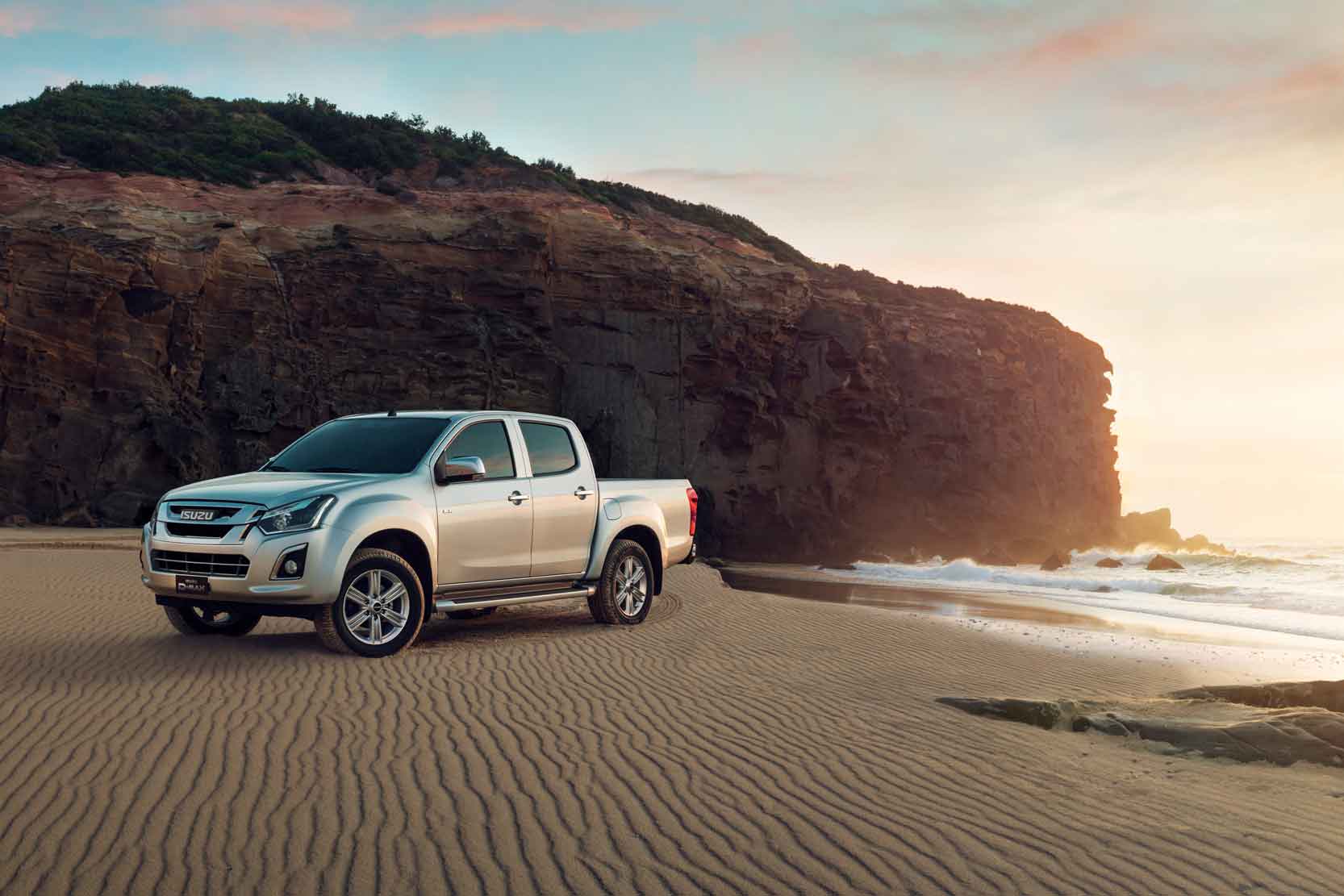
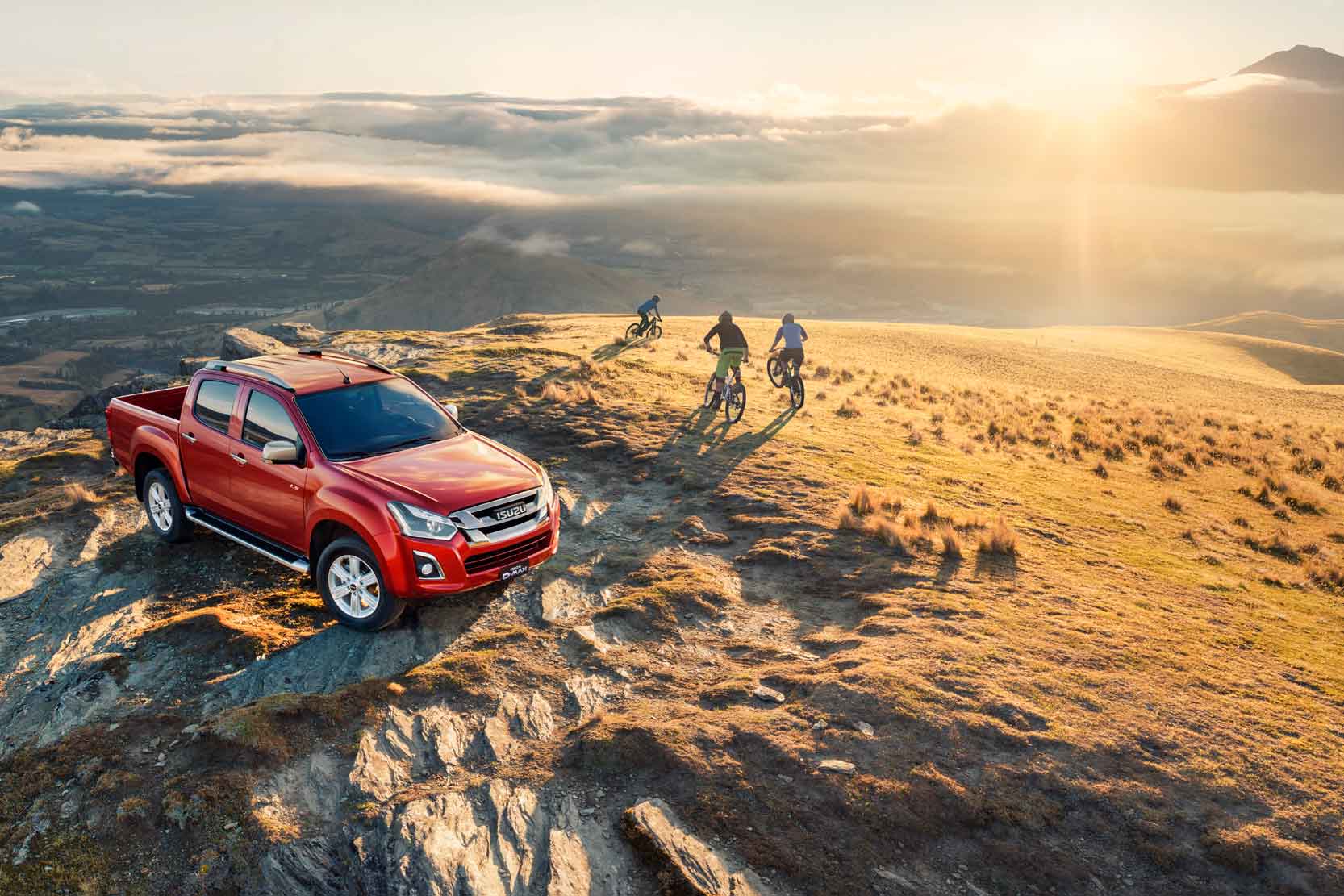
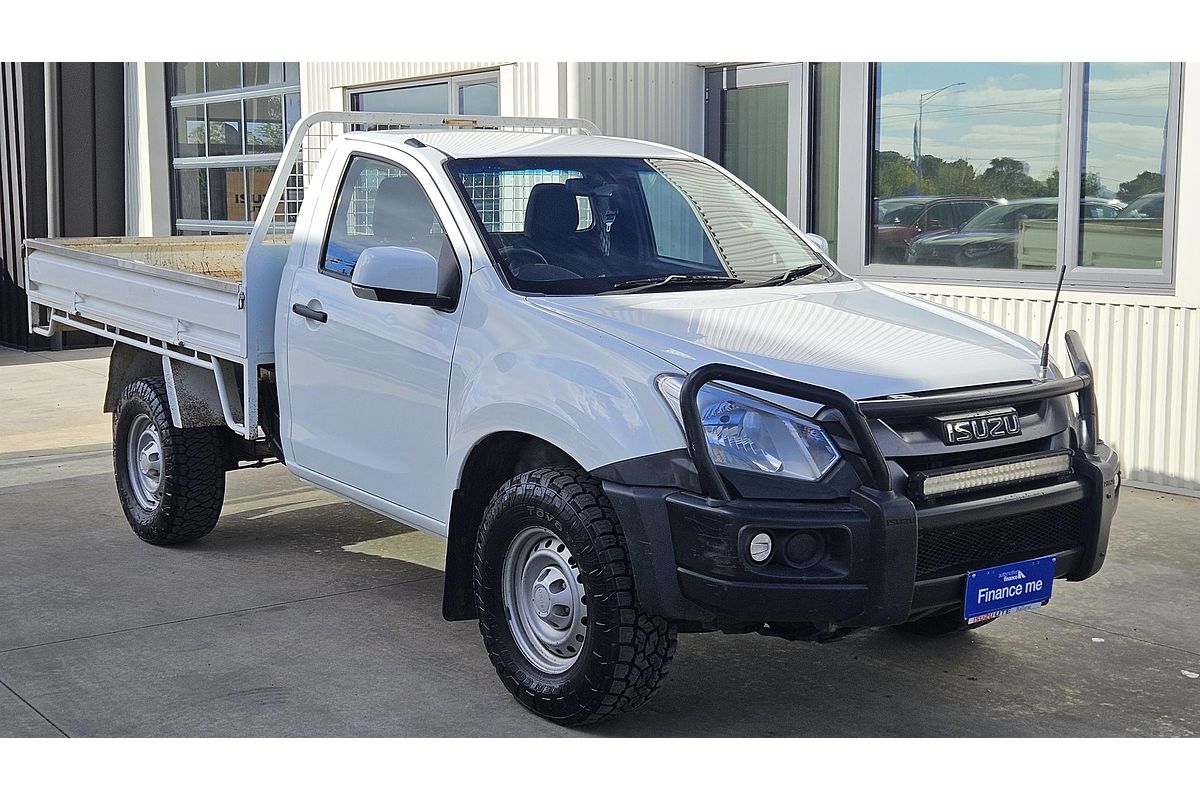
The 2017 Isuzu D-Max is a mid-size pickup truck renowned for its rugged construction, commercial-grade reliability, and strong towing capability. Highlighting a major mid-lifecycle update, the 2017 model introduced a revised Euro 5-compliant 3.0-litre turbo-diesel engine with increased torque, new six-speed transmissions, updated exterior styling, and improved cabin acoustics.
Background and What Changed for the 2017 Model Year
The 2017 model year marked a significant milestone for the second-generation Isuzu D-Max (the RT50 series). Introduced to satisfy stricter global emissions standards while addressing customer demand for enhanced refinement, this facelift delivered meaningful powertrain upgrades, cosmetic enhancements, and mechanical revisions.
Prior to 2017, the D-Max relied on five-speed manual and automatic transmissions paired with a 380 Newton-metre (Nm) variant of Isuzu's 3.0-litre engine in regions like Australia and Southeast Asia, or a 2.5-litre twin-turbo engine in European markets. The 2017 facelift modernized the platform, introducing six-speed gearboxes across the range and updating the engine lineups per market requirements.
In markets adhering to Australian Design Rules (ADR) and Euro 5 standards, Isuzu re-engineered the heavy-duty 3.0-litre 4JJ1-TCX engine. In European territories requiring Euro 6 compliance, Isuzu replaced the older 2.5-litre twin-turbo unit with a downsizing-focused 1.9-litre RZ4E-TC turbo-diesel engine capable of meeting strict emissions targets without requiring AdBlue fluid additions at launch.
Visually, the 2017 facelift brought a redesigned front fascia. It included a sharper chrome or gunmetal grille, a restyled front bumper, newly designed headlight clusters featuring integrated LED daytime running lights (DRLs) on higher trim levels, and a reshaped tailgate. Inside the cabin, noise, vibration, and harshness (NVH) levels were reduced through additional sound insulation in the firewall and floor panels, accompanied by updated touchscreens and digital multi-information displays (MID) in the instrument cluster.
Engine Specifications and Powertrain Options
The defining feature of the 2017 Isuzu D-Max is its commercial-heritage powertrain architecture. Unlike many competitors that adapted passenger-car diesels for pickup applications, Isuzu derived its light-commercial engines from its heavy-duty truck divisions.
| 3.0L 4JJ1-TCX Turbo-Diesel | 1.9L RZ4E-TC Turbo-Diesel |
|---|---|
| • 130 kW @ 3,600 RPM | • 120 kW @ 3,600 RPM |
| • 430 Nm @ 2,000–2,200 RPM | • 360 Nm @ 2,000–2,500 RPM |
| • Euro 5 with DPF | • Euro 6 without AdBlue |
| • AU/NZ/Asian Markets | • UK/European Markets |
The 3.0-Litre 4JJ1-TCX Engine (Euro 5 Update)
For markets such as Australia, New Zealand, and South Africa, the 3.0-litre four-cylinder 4JJ1-TCX turbo-diesel engine received substantial internal modifications for 2017:
- Power and Torque Outputs: Peak power remained unchanged at 130 kW (174 hp) at 3,600 RPM, but peak torque increased by 50 Nm—from 380 Nm to 430 Nm. Crucially, the torque curve was broadened, delivering 380 Nm from as low as 1,700 RPM up to 3,500 RPM, with the full 430 Nm peak held continuously between 2,000 and 2,200 RPM.
- Emissions Equipment: To satisfy Euro 5 requirements, Isuzu integrated a Diesel Particulate Filter (DPF) positioned close to the exhaust manifold, a revised Variable Geometry System (VGS) turbocharger, polymer-coated pistons, new high-pressure fuel injectors, and a bypass-type Exhaust Gas Recirculation (EGR) cooler.
- Durability Features: The engine retained its cast-iron cylinder block, aluminum cylinder head, melt-in liner technology, and steel timing chain, reinforcing its reputation for longevity.
The 1.9-Litre RZ4E-TC Engine (Euro 6 Update)
In Europe and the UK, Isuzu replaced the 2.5-litre 4JK1 engine with the 1.9-litre RZ4E-TC engine:
- Power and Torque Outputs: Generating 120 kW (164 hp) at 3,600 RPM and 360 Nm of torque between 2,000 and 2,500 RPM, this smaller engine prioritized fuel economy and reduced carbon emissions.
- Weight Reduction: The 1.9-litre engine reduced total engine bay weight by approximately 60 kg compared to its 2.5-litre predecessor, improving front axle weight distribution and handling agility.
Transmission Performance: Manual vs. Automatic
The 2017 update replaced the previous five-speed gearboxes with two new six-speed transmissions:
- Six-Speed Aisin Automatic (AWR6B45): This torque-converter automatic featured adaptive shift control (Rev-Tron) that altered shift points based on driving style, load, and road incline. The extra gear ratio lowered highway cruising RPMs, reducing engine noise and improving real-world fuel economy.
- Six-Speed Manual (MVL-6S): Developed in-house by Isuzu, this manual transmission replaced the previous unit with tighter gear spacing, a lower first gear ratio for controlled low-speed maneuvering under load, and a tall sixth gear overdrive for relaxed high-speed cruising.
Body Configurations, Trim Levels, and Interior Features
The 2017 D-Max was offered in diverse body configurations and trim specifications to cater to commercial operators, tradespeople, and lifestyle-oriented recreational users.
Body Styles
- Single Cab: Designed purely as a workhorse, available in Cab Chassis format, allowing buyers to fit custom drop-side aluminum or steel trays.
- Space Cab (Extra Cab): Features reverse-opening rear side doors (King Cab style) with temporary rear seating or interior cargo space behind the front seats, paired with a mid-length cargo bed.
- Crew Cab (Double Cab): Features four standard doors and full-size seating for up to five adults, available in both Cab Chassis and factory style-side ute tub configurations.
| SINGLE CAB | SPACE CAB | CREW CAB |
|---|---|---|
| 2 Doors / 2 Seats | 4 Doors (Access) | 4 Standard Doors |
| Maximum Bed Length | 2+2 Seating | 5 Full Adult Seats |
| Workhorse Focus | Mid Bed / Work-Play | Family / Utility |
Grade & Trim Breakdown
While naming conventions varied slightly by region, the 2017 lineup generally followed a clear heirarchy:
- SX (Base / Utility): Heavy-duty utility trim equipped with 16-inch steel wheels, unpainted black vinyl bumpers and door handles, heavy-duty vinyl flooring, durable cloth seats, and basic audio controls. Ideal for fleet operators and tough job sites.
- LS-M (Mid-Grade Commercial): Geared toward off-road work and farm use. Included 16-inch alloy wheels, body-colored front bumper, carpeted flooring, upgraded cloth upholstery, basic rear parking sensors, and high-intensity projector headlights.
- LS-U (High-Grade Lifestyle): Designed for private buyers and touring. Featured 17-inch alloy wheels, side steps, chrome exterior accents, rear privacy glass, a 7-inch or 8-inch touchscreen infotainment system with satellite navigation, climate control, and a reversing camera.
- LS-T (Top-Tier Flagship): Available exclusively in 4x4 Crew Cab configurations. Added 18-inch alloy wheels, roof rails, leather-accented seating, a six-way power-adjustable driver's seat, keyless entry with push-button start, and a premium Sky Sound eight-speaker audio system with roof-mounted speakers.
Interior Ergonomics and Cabin Acoustics
The 2017 update directly addressed criticisms regarding noise and cabin texture quality in older models. Isuzu added sound-absorbing insulation under the bonnet, within the dashboard structure, and beneath the cabin floor carpet, yielding a quieter highway ride.
The dashboard layout remained clear and functional. Large rotary dials controlled the heating and air conditioning systems, making them easy to operate while wearing work gloves. Storage space included dual glove compartments, a pop-up dash-top bin, and fold-out cup holders positioned under the outer dashboard air vents to keep beverages cool via the air conditioning system.
Towing Capacity, Payload, and Off-Road Capability
The 2017 Isuzu D-Max built its market position around heavy-haul utility, off-road competence, and practical load carrying.
Towing & Payload Metrics
Across most 3.0-litre 4x4 configurations, the 2017 D-Max offered competitive towing and load specifications:
- Braked Towing Capacity: 3,500 kg (with a standard 350 kg maximum tow-ball download limit).
- Unbraked Towing Capacity: 750 kg.
- Payload Capacity: Varied between 950 kg and 1,150 kg depending on body style, trim level, and fitted tray equipment.
- Gross Combination Mass (GCM): 5,950 kg for 4x4 models.
- Gross Vehicle Mass (GVM): 2,950 kg for 4x4 variants.
These ratings allow owners to tow heavy work trailers, caravans, or horse floats. However, buyers should calculate their real-world weights carefully: towing a full 3,500 kg trailer leaves roughly 500 kg of allowable payload remaining for passengers, accessories, and cargo before exceeding the 5,950 kg GCM limit.
Off-Road Hardware and Geometry
The 4x4 versions of the 2017 D-Max feature a traditional part-time four-wheel-drive system known as Command-of-the-Fly. Drivers can switch between two-wheel drive (2H) and four-wheel drive high-range (4H) via a center-console rotary dial at speeds up to 100 km/h. Engaging four-wheel drive low-range (4L) requires bringing the vehicle to a complete stop.
2H (High-Range 2WD): Tarmac / Everyday Driving
4H (High-Range 4WD): Gravel / Dirt / Rain (Switch on-the-fly up to 100 km/h)
4L (Low-Range 4WD): Steep / Mud / Rock Crawling (Requires stopping vehicle)
Ground Clearance: 225 mm (LS-U and LS-T models on 17/18-inch wheels) or 235 mm (LS-M on 16-inch high-ride wheels).
Approach Angle: 30.0 degrees.
Departure Angle: 22.7 to 23.0 degrees (depending on rear bumper installation).
Ramp-Over Angle: 22.4 degrees.
Wading Depth: Rated at 600 mm from the factory.
Underchassis protection includes steel skid plates shielding the engine oil sump, transfer case, and front suspension components. However, factory models were not equipped with a mechanical rear differential lock, relying instead on an electronic Traction Control System (TCS) to brake spinning wheels and transfer torque to wheels with traction.
Technical Specifications Comparison
The table below outlines key technical specifications across representative configurations of the 2017 Isuzu D-Max (Australian / 3.0L specification baseline):
| Specification Parameter | 2017 D-Max SX Single Cab Chassis 4x4 (Manual) | 2017 D-Max LS-U Crew Cab 4x4 (Auto) | 2017 D-Max LS-T Crew Cab 4x4 (Auto) |
|---|---|---|---|
| Engine Code | 4JJ1-TCX | 4JJ1-TCX | 4JJ1-TCX |
| Engine Configuration | 3.0L 4-Cylinder Inline Turbo-Diesel | 3.0L 4-Cylinder Inline Turbo-Diesel | 3.0L 4-Cylinder Inline Turbo-Diesel |
| Power Output | 130 kW @ 3,600 RPM | 130 kW @ 3,600 RPM | 130 kW @ 3,600 RPM |
| Torque Output | 430 Nm @ 2,000–2,200 RPM | 430 Nm @ 2,000–2,200 RPM | 430 Nm @ 2,000–2,200 RPM |
| Transmission | 6-Speed Manual (MVL-6S) | 6-Speed Automatic (Aisin AWR6B45) | 6-Speed Automatic (Aisin AWR6B45) |
| Drive Type | Part-Time 4WD (2H/4H/4L) | Part-Time 4WD (2H/4H/4L) | Part-Time 4WD (2H/4H/4L) |
| Combined Fuel Consumption | ~7.7 L/100 km | ~7.9 L/100 km | ~7.9 L/100 km |
| Braked Towing Capacity | 3,500 kg | 3,500 kg | 3,500 kg |
| Payload Capacity | ~1,245 kg | ~1,020 kg | ~955 kg |
| Tare Mass / Kerb Weight | ~1,705 kg | ~1,930 kg | ~1,995 kg |
| Front Suspension | Independent Double Wishbone, Coil Springs | Independent Double Wishbone, Coil Springs | Independent Double Wishbone, Coil Springs |
| Rear Suspension | Heavy-Duty Leaf Springs | Comfort-Tuned Leaf Springs | Comfort-Tuned Leaf Springs |
| Brake System | Front Discs / Rear Drums | Front Discs / Rear Drums | Front Discs / Rear Drums |
| Wheel / Tyre Size | 16x6.5J Steel (245/70 R16) | 17x7.0J Alloy (255/65 R17) | 18x7.0J Alloy (255/60 R18) |
Real-World Reliability, Common Issues, and Maintenance
The 2017 Isuzu D-Max is widely praised for its mechanical robustness. However, like any used commercial vehicle, specific areas require careful inspection.
| DPF & Exhaust System | Inner Guard Metal Fatigue |
|---|---|
| • Check for frequent DPF soot burn warnings or limp mode flags.• Verify highway driving history. | • Inspect inner engine bay panels for hairline cracks near shock towers (common with heavy accessories) |
| Suspension & Drivetrain | Transmission & Cooling |
| • Check front lower control arm bushings for wear or sag.• Listen for tail-shaft shudder. | • Inspect automatic transmission fluid condition and check for overheating under heavy towing. |
Diesel Particulate Filter (DPF) Maintenance
With the introduction of the Euro 5 4JJ1-TCX engine in 2017, Isuzu added a closed-loop DPF system.
- Regeneration Cycles: The vehicle automatically burns off accumulated soot using high exhaust gas temperatures. If the D-Max is used primarily for short city commutes, the engine may fail to reach operating temperatures long enough to complete automatic burn cycles, illuminating the instrument panel DPF light.
- Prevention: The system benefits from regular highway runs (20–30 minutes at speeds above 80 km/h). Buyers should check whether previous owners adhered to correct oil specifications (low-SAPS C3-rated diesel oil) to avoid prematurely clogging the filter element.
Front Inner Guard Cracking
A known issue affecting the RT50 generation D-Max (up to 2019) is metal fatigue and cracking on the front inner guard panels within the engine bay:
- Cause: Heavy aftermarket accessories (such as heavy steel bull bars, dual-battery brackets mounted high on the inner guard, or stiff aftermarket suspension setups) combined with high-speed travel on corrugated gravel roads put excess stress on thin sheet-metal panels near the shock towers.
- Inspection: Inspect the engine bay inner guards along the seam welds near the airbox, battery tray, and suspension towers for visible stress cracks, rust lines, or aftermarket reinforcement plates.
Suspension and Drivetrain Wear
- Front Suspension Sag: Original equipment front coil springs tend to sag over time, especially when equipped with heavy accessories like winches or steel bull bars.
- Driveline Shudder: Models fitted with aftermarket suspension lift kits (above 2 inches/50 mm) can experience driveline vibration due to altered tail-shaft operating angles. Check if a center bearing drop kit or correction spacers were installed.
- EGR Valve Soot Accumulation: Over high mileages, the Exhaust Gas Recirculation (EGR) valve and intake manifold accumulate carbon build-up. Periodic cleaning or fitting an oil catch-can helps preserve intake airflow efficiency.
Buying a Used 2017 Isuzu D-Max: Valuation and Inspection Guide
When assessing a 2017 Isuzu D-Max on the used market, buyer priorities should focus on service history, accessory quality, and underlying chassis condition rather than mileage alone.
What to Look for During Inspection
- Logbook Service Records: Verify that oil changes occurred at the manufacturer's recommended intervals (typically 10,000 km or 12 months for 3.0L models). Regular oil maintenance is vital for timing chain and turbocharger life.
- Underbody Condition: Check the chassis rails, cross-members, and suspension components for red mud, sand accumulation, or scraped skid plates indicating severe off-road use or beach driving. Check for surface rust along frame welds.
- Towing History: Ask what the vehicle previously towed. Vehicles used for towing heavy caravans or boat trailers near the 3.5-tonne limit continuously experience accelerated wear on rear leaf springs, rear wheel bearings, and automatic transmission fluid.
- Automatic Transmission Operation: During a test drive, ensure the six-speed Aisin automatic shifts smoothly between gears without slurring, hesitating, or clunking during downshifts. Verify that manual shift mode engages correctly.
- Cab-to-Tub Alignment: Inspect the gap between the rear of the cab and the front of the ute tub or tray. An uneven gap can signal chassis flex, overloaded rear springs, or previous structural accidents.
Comparative Market Positioning
Compared to main mid-size ute rivals of the same era—such as the Toyota HiLux (2.8L 1GD-FTV), Ford Ranger (3.2L 5-cylinder), and Mitsubishi Triton (2.4L 4N15)—the 2017 Isuzu D-Max trade-offs are clear:
- Advantages over Rivals: Superior understressed engine design (the 3.0L displacement makes low power per litre, enhancing engine longevity); simple, robust mechanical architecture; lower long-term maintenance costs.
- Disadvantages compared to Rivals: Lower power and torque figures than the Ford Ranger (147 kW / 470 Nm); firmer unladen ride quality than the Nissan Navara (coil-sprung rear); less sophisticated electronic terrain management systems compared to the Ford Ranger or Mitsubishi Triton Super-Select II.
Frequently Asked Questions
Is the 2017 Isuzu D-Max engine chain-driven or belt-driven?
The 3.0-litre 4JJ1-TCX engine in the 2017 Isuzu D-Max uses a heavy-duty timing chain system rather than a rubber timing belt. The timing chain is designed to last the lifetime of the engine under normal maintenance and does not require periodic replacement intervals like a timing belt.
What is the real-world fuel consumption of a 2017 Isuzu D-Max 3.0L?
While official laboratory ratings state combined fuel consumption around 7.7 to 7.9 L/100 km, real-world highway driving typically yields between 8.2 and 9.0 L/100 km. City driving or towing heavy loads usually increases consumption to between 10.5 and 13.5 L/100 km depending on load mass and driving style.
Does the 2017 Isuzu D-Max require AdBlue?
In markets receiving the 3.0-litre 4JJ1-TCX Euro 5 engine (such as Australia and New Zealand), the 2017 D-Max does not require AdBlue (Diesel Exhaust Fluid). It uses a DPF and EGR system to meet Euro 5 targets. In European markets with the 1.9-litre RZ4E-TC engine, Euro 6 compliance was achieved at launch without AdBlue.
What is the maximum towing capacity of the 2017 D-Max?
The 2017 Isuzu D-Max has a maximum braked towing capacity of 3,500 kg across most 4x4 configurations, provided an approved towbar and brake controller are fitted. The unbraked towing capacity is limited to 750 kg, with a maximum tow-ball download rating of 350 kg.
Can you fit 32-inch or 33-inch tyres to a stock 2017 D-Max?
A stock 2017 Isuzu D-Max can accommodate slightly larger all-terrain tyres (such as 265/70 R17, approximately 31.6 inches) with minimal clearance issues. However, fitting true 33-inch tyres (285/70 R17) requires at least a 2-inch (50 mm) suspension lift, front bumper trimming or aftermarket barwork, and potentially offset adjustments to prevent rubbing against the front mud flaps and body mount.
Summary and Final Recommendation
The 2017 Isuzu D-Max remains one of the most reliable second-hand choices in the mid-size pickup truck segment. By pairing a commercial-grade 3.0-litre engine with modern six-speed gearboxes and reduced cabin NVH, the 2017 update corrected many of the early second-generation model's noise and gearing shortcomings while preserving its heavy-duty mechanical foundation.
Next Steps for Used Buyers:
- Target un-modified LS-U or LS-T models if seeking a comfortable family touring setup, or SX/LS-M grades for workhorse utility.
- Perform a thorough visual check of the front inner guards in the engine bay to ensure there are no stress cracks present near the shock towers.
- Obtain a comprehensive service history confirming regular 10,000 km oil changes to verify proper DPF and turbocharger health.