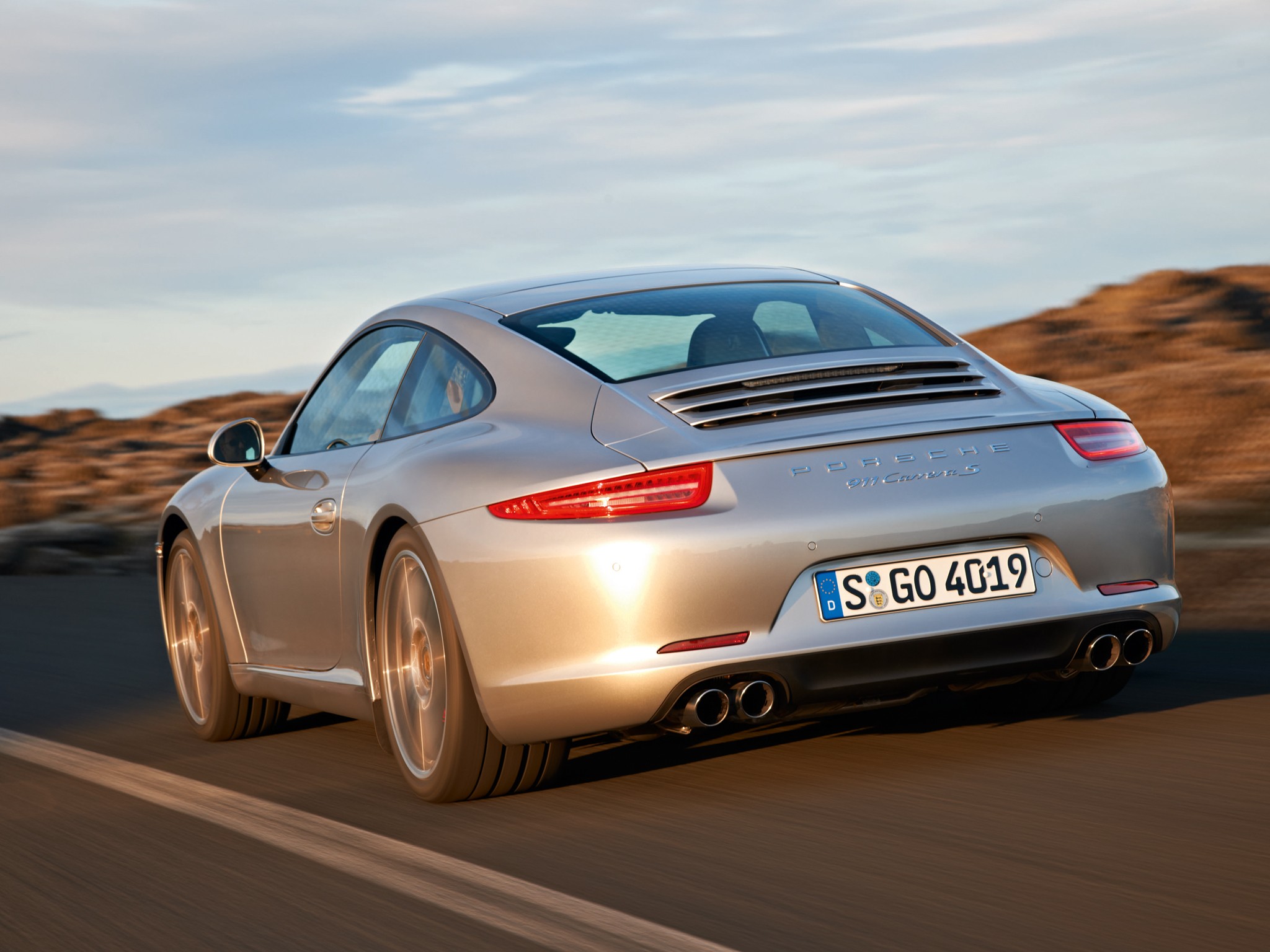
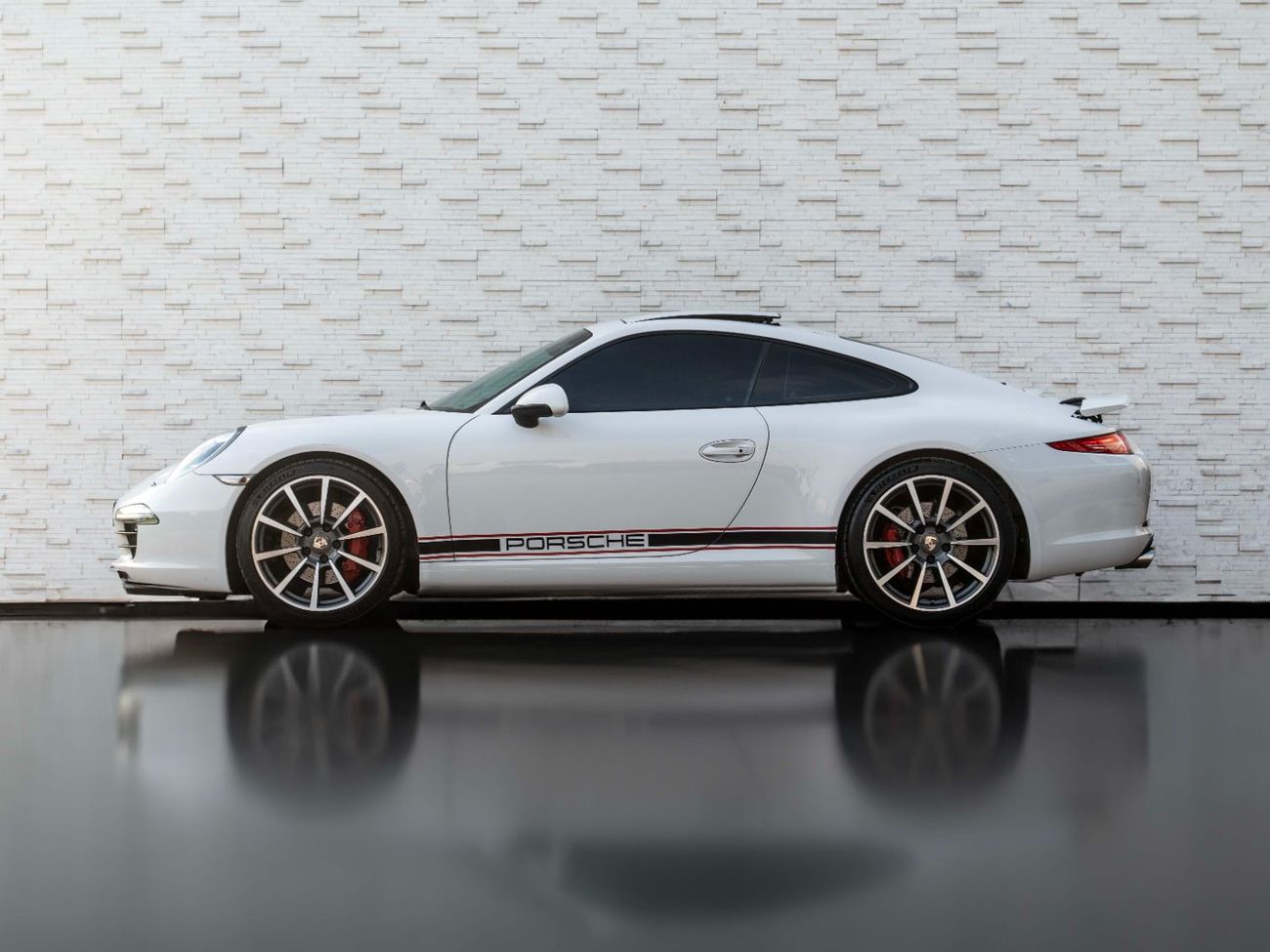
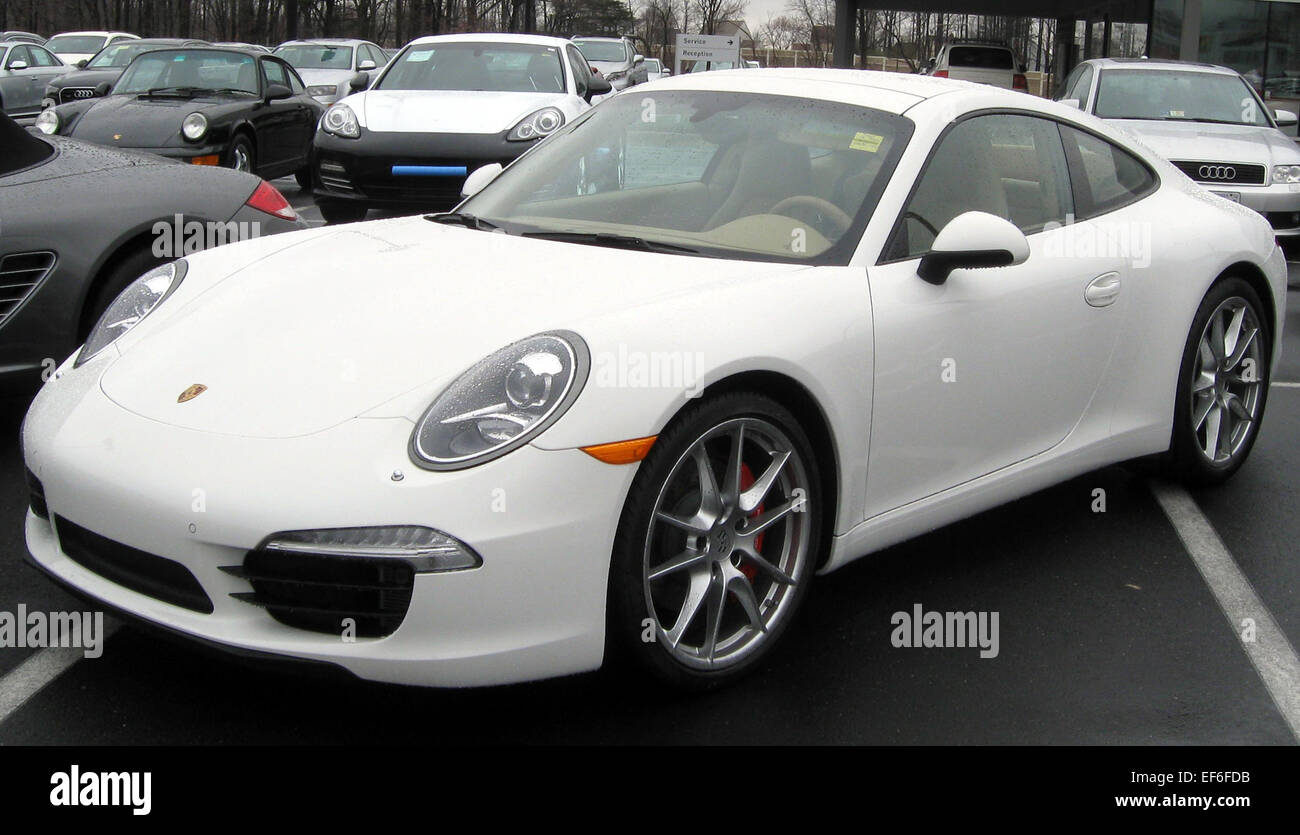
The 2012 Porsche 911 Carrera S marks the debut of the 991.1 generation, featuring a 400-horsepower 3.8-liter naturally aspirated flat-six engine. This model introduced a longer wheelbase, improved interior luxury, and the world’s first seven-speed manual transmission, balancing traditional rear-engine performance with significant modern grand touring refinements and enhanced stability.
The Dawn of the 991 Era
The 2012 model year represents a pivotal moment in the history of the Porsche 911. For the first time in over a decade, the 911 received a completely new platform, moving away from the aging 997 architecture. Labeled internally as the 991, this new iteration sought to address the primary criticisms of its predecessor while pushing the boundaries of what a sports car could achieve in terms of daily usability and efficiency.
The transition was not merely a cosmetic facelift. While the silhouette remained unmistakably "911," approximately 90% of the components were either new or significantly redesigned. The most notable change was the increase in wheelbase by nearly 4 inches (100mm), which allowed for a more stable footprint and reduced the "pendulum effect" historically associated with rear-engine layouts. Despite the larger dimensions, the use of an aluminum-steel hybrid construction meant the 2012 911 was actually lighter than the outgoing 997, shedding roughly 80 pounds depending on the configuration.
For enthusiasts in 2026, the 2012 Carrera S is increasingly viewed as a "sweet spot" in the used market. It captures the essence of the high-revving, naturally aspirated flat-six engine before the lineup transitioned to turbocharging in the 991.2 generation. This overview explores the technical specifications, driving dynamics, and long-term ownership considerations for this landmark vehicle.
Powertrain and Performance: The 3.8L Flat-Six
At the heart of the 2012 Carrera S lies a 3.8-liter horizontally opposed six-cylinder engine. This unit was a refined version of the direct-injection engine introduced late in the 997 generation, but for the 991.1, it was tuned to produce 400 horsepower at 7,400 rpm and 325 lb-ft of torque at 5,600 rpm.
Acceleration and Speed
When equipped with the seven-speed Porsche Doppelkupplung (PDK) dual-clutch transmission and the Sport Chrono package, the 2012 Carrera S could sprint from 0 to 60 mph in just 3.9 seconds (according to Porsche's conservative estimates). Real-world testing often saw these numbers dip into the 3.7-second range. The top track speed was clocked at 188 mph for the PDK and 189 mph for the manual version.
The Seven-Speed Manual Transmission
The 2012 911 S was the first production car to feature a seven-speed manual gearbox. This unit was derived from the PDK hardware, utilizing a triple-cone synchromesh for the first two gears to ensure smooth engagement. While the seventh gear was strictly an "overdrive" intended to improve fuel economy during highway cruising, the first six gears were tightly spaced to keep the naturally aspirated engine in the meat of its power band.
The PDK Advantage
The PDK remained the popular choice for those prioritizing raw speed. By 2012, Porsche had perfected the software for this dual-clutch system, offering lightning-fast shifts that a human driver simply could not replicate. The inclusion of "sailing" or coasting functions allowed the engine to drop to idle speeds when throttle was lifted at highway speeds, further contributing to its efficiency.
Chassis, Handling, and the Steering Debate
The 991 generation introduced several technologies designed to make the 911 more accessible to a broader range of drivers, though some of these changes were met with skepticism by purists at the time of launch.
Electric Power Steering (EPS)
Perhaps the most controversial update in 2012 was the move from hydraulic to electric power steering. Critics argued that the EPS lacked the granular feedback of the old system. However, Porsche's engineers worked extensively to ensure the system filtered out undesirable vibrations while retaining a high level of precision. From the perspective of 2026, the 991.1's steering is generally regarded as one of the best early EPS implementations in the industry, offering a direct and weighted feel that complements the car's agility.
Porsche Dynamic Chassis Control (PDCC)
The 2012 Carrera S introduced an optional active anti-roll system known as PDCC. This system uses hydraulic actuators to counter body roll during cornering, keeping the car virtually flat through high-speed bends. This technology, combined with the standard Porsche Active Suspension Management (PASM)—which sits 10mm lower than the base Carrera—allows the S to transition from a comfortable cruiser to a track-ready weapon with the press of a button.
Standard Equipment on the "S"
Unlike the base Carrera, the S model came standard with several performance upgrades:
- PASM (Porsche Active Suspension Management): Electronically controlled damping.
- PTV (Porsche Torque Vectoring): Utilizes brake intervention on the rear wheels to improve turn-in (PTV Plus on PDK models includes an electronically controlled rear differential lock).
- 20-inch Wheels: The Carrera S featured larger wheels as standard to accommodate the upgraded braking system.
Interior Design and Technology
The interior of the 2012 911 took significant cues from the Porsche Panamera, moving toward a more upscale, "cockpit" feel. The center console rose to meet the dashboard, placing the gear selector closer to the steering wheel and organizing buttons for suspension, exhaust, and aero settings in a logical, vertical layout.
Ergonomics and Materials
The cabin quality saw a marked improvement over the 997. Soft-touch leather, genuine aluminum accents, and a high-resolution 4.6-inch TFT color screen in the instrument cluster became standard. This screen provided the driver with navigation data, trip information, and tire pressure monitoring, flanked by the traditional central analog tachometer.
Seating Options
Porsche offered several seating configurations in 2012, ranging from the standard 4-way electric Sport Seats to the highly adjustable 18-way Adaptive Sport Seats Plus. Because the wheelbase was lengthened, there was a modest increase in front legroom, making the 991.1 one of the most comfortable 911s for taller drivers.
2012 Porsche 911 Carrera S Technical Specifications
The following table summarizes the key performance metrics and dimensions of the 2012 Carrera S (991.1) compared to the base Carrera of the same year.
| Feature | 2012 Carrera (Base) | 2012 Carrera S |
|---|---|---|
| Engine Displacement | 3.4L Flat-6 | 3.8L Flat-6 |
| Horsepower | 350 hp @ 7,400 rpm | 400 hp @ 7,400 rpm |
| Torque | 287 lb-ft @ 5,600 rpm | 325 lb-ft @ 5,600 rpm |
| 0-60 mph (PDK/Sport+) | 4.2 Seconds | 3.9 Seconds |
| Top Track Speed | 179 mph | 188 mph |
| Standard Wheels | 19-inch | 20-inch |
| Brakes (Front/Rear) | 4-piston monobloc | 6-piston front / 4-piston rear |
| Curb Weight (Manual) | 3,042 lbs | 3,075 lbs |
Ownership in 2026: Maintenance and Common Issues
As the 2012 Carrera S approaches 14 years of age, potential buyers and current owners should be aware of specific maintenance items unique to the early 991.1 platform. While generally considered a very reliable sports car, no vehicle is without its quirks.
Change-Over Valves (COV)
Early 991 models were notorious for failing Change-Over Valves. These vacuum-operated valves control various functions, including the heater, the sport exhaust, and the cooling system. Porsche released several revised versions of these valves. If you are looking at a 2012 model today, check the service records to see if these have been updated to the latest part numbers.
Dynamic Engine Mounts
Cars equipped with the Sport Chrono package feature active engine mounts that stiffen during aggressive driving. These are hydraulic units that can eventually leak or fail electronically. Replacing them is a common maintenance task for 991.1s with higher mileage.
Interior Trim and Door Panels
A common aesthetic issue with the 2012-2014 models is the warping or lifting of the interior door panel trim, particularly near the window glass. This is usually caused by the failure of the adhesive over time in hot climates. Various aftermarket solutions and upholstery specialists now offer permanent fixes for this issue.
Water Pump and Cooling System
Like many modern Porsches, the water pump is a wear item. Owners should inspect for signs of coolant crust or weeping around the pump housing during every oil change. Additionally, the front radiators are prone to collecting leaves and debris, which can lead to corrosion if not cleaned out periodically.
Market Value and Future Classic Status
In 2026, the 2012 Carrera S occupies a unique position in the Porsche market. It is often referred to as the "last of the pure Carreras" due to its naturally aspirated engine. As subsequent generations moved toward turbocharging and hybridization, the mechanical purity and high-pitched wail of the 3.8L engine have become highly sought after.
Manual transmission examples, in particular, have seen significant value retention. While PDK models provide objectively better performance, the rarity of the seven-speed manual makes it a prize for collectors. Options such as the Porsche Sport Exhaust (PSE), the Burmester High-End Surround Sound System, and Carbon Ceramic Brakes (PCCB) can also significantly influence the resale price in the current market.
For more information on the history of the 911, visit the official Porsche Newsroom. To explore technical specifications and original press materials, refer to the Porsche Excellence Magazine archives.
Frequently Asked Questions
Is the 2012 Porsche 911 S a reliable daily driver?
Yes, the 2012 Carrera S was engineered specifically to be a daily-usable sports car. With modern amenities like heated/ventilated seats, a usable trunk (frunk), and improved fuel efficiency, it handles traffic and long commutes with ease. However, owners should stick strictly to the 10,000-mile or annual oil change intervals to maintain engine health.
What is the difference between the 997.2 and the 2012 991.1?
The 2012 991.1 is larger, has a longer wheelbase, and features an entirely new interior. While the 997.2 is more compact and has hydraulic steering, the 991.1 offers significantly more stability at high speeds and a more refined, luxurious cabin. The 991.1 also introduced the 7-speed manual and PDCC.
Does the 2012 Carrera S have IMS bearing issues?
No. The Intermediate Shaft (IMS) bearing issue that affected older 911 generations (996 and early 997) was completely resolved with the introduction of the direct-injection (DFI) engines in 2009. The 2012 991.1 engine does not have an IMS bearing.
How can I tell if a 2012 911 is a 997 or a 991?
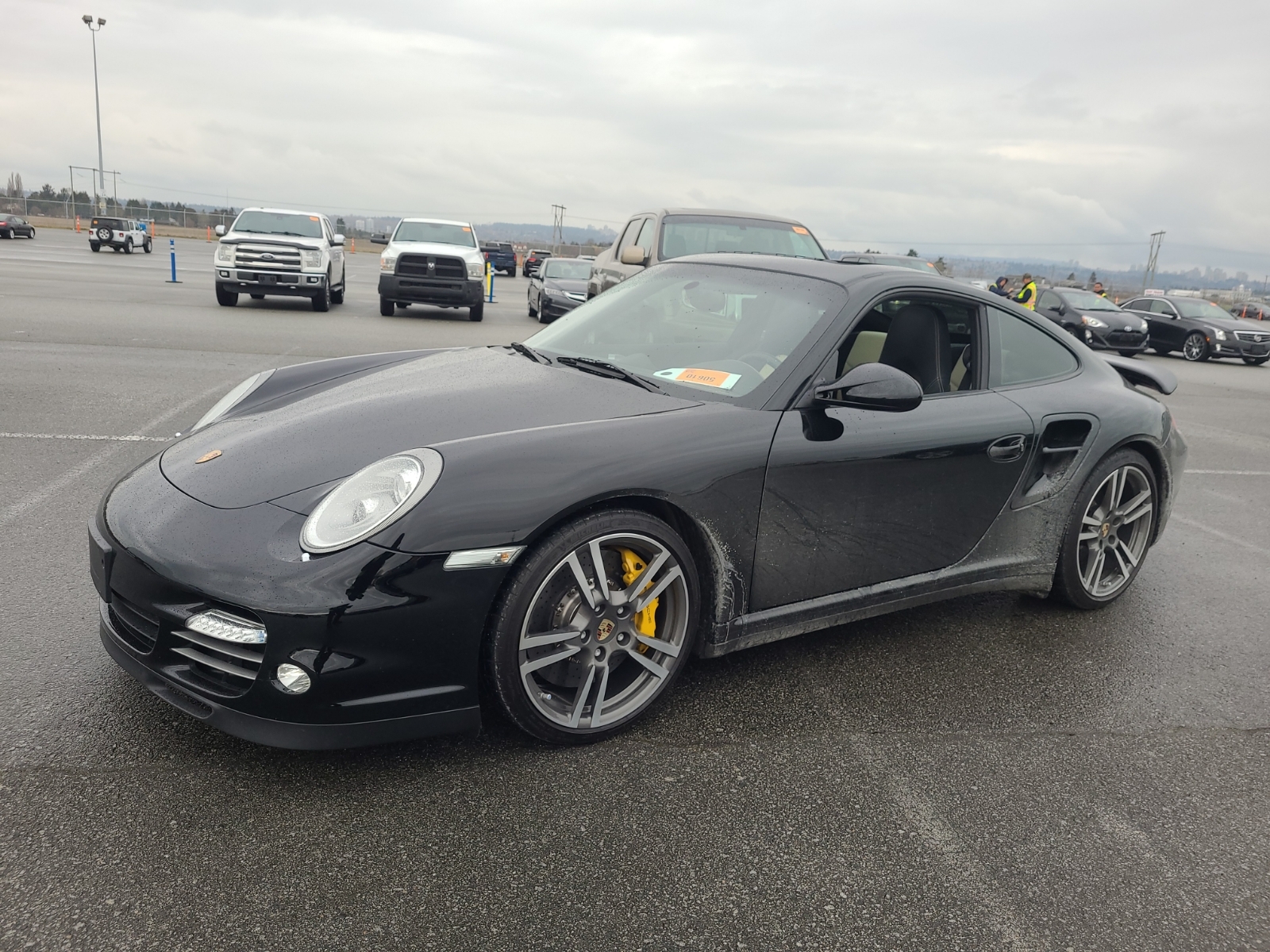
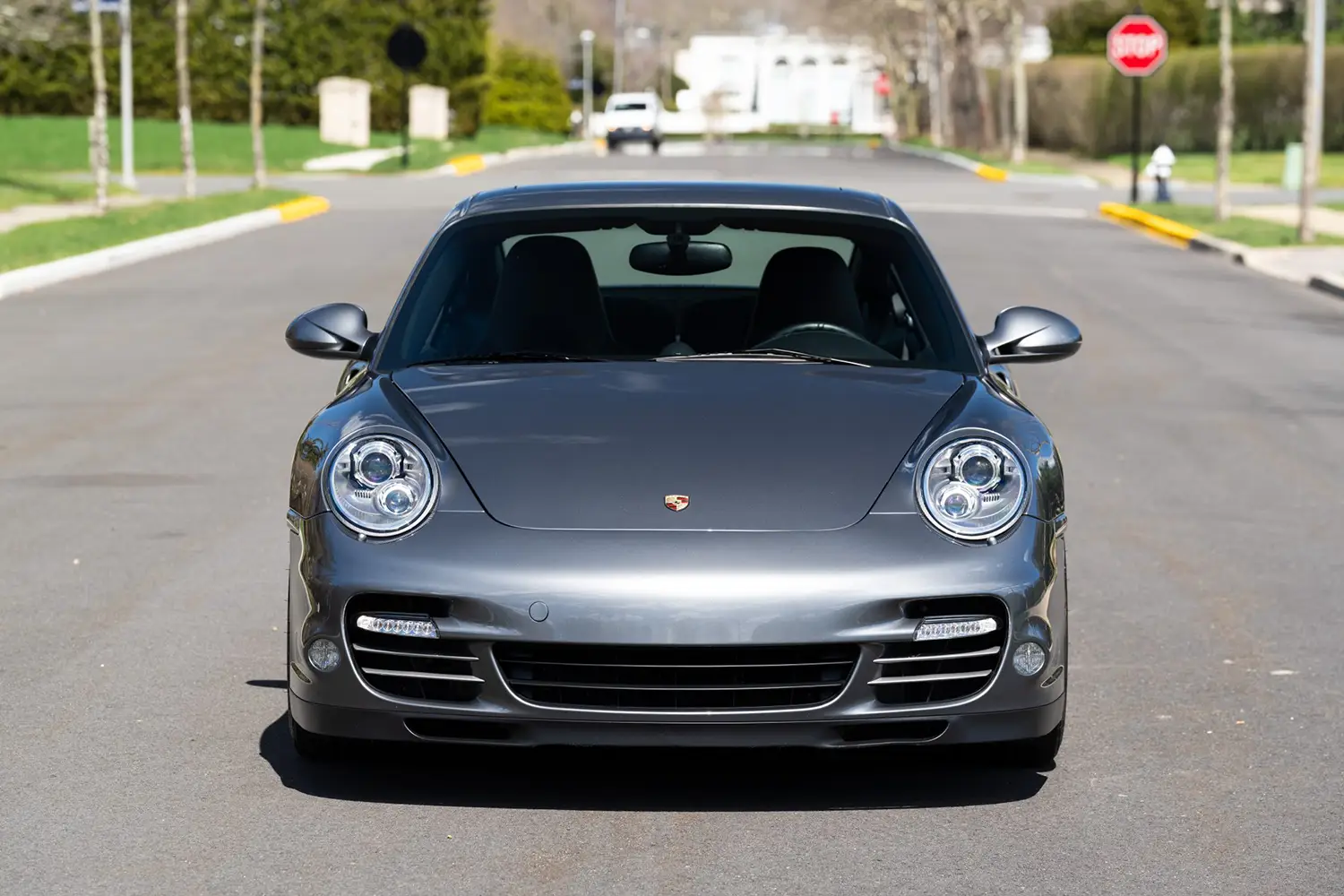
2012 was a transition year. The 991 generation debuted as the Carrera and Carrera S. However, the Turbo, GT3, and some Cabriolet models remained on the older 997 platform for that specific year. You can identify the 991 by its wider stance, four-point LED daytime running lights, and the "PORSCHE" script on the rear engine lid below the spoiler.
What are the "must-have" options for the 2012 Carrera S?
Most enthusiasts look for the Sport Chrono Package, which adds dynamic engine mounts and Sport Plus mode. The Porsche Sport Exhaust (PSE) is also highly desirable for its ability to enhance the flat-six engine note at the touch of a button.
Final Recommendation
If you are in the market for a 2012 Porsche 911 Carrera S in 2026, prioritize vehicles with a documented service history that addresses the common cooling and COV issues. This model represents a perfect bridge between the analog feel of the past and the technological sophistication of the present. Whether you choose the lightning-fast PDK or the engaging seven-speed manual, the 991.1 Carrera S remains one of the most balanced and rewarding driver's cars produced in the 21st century.