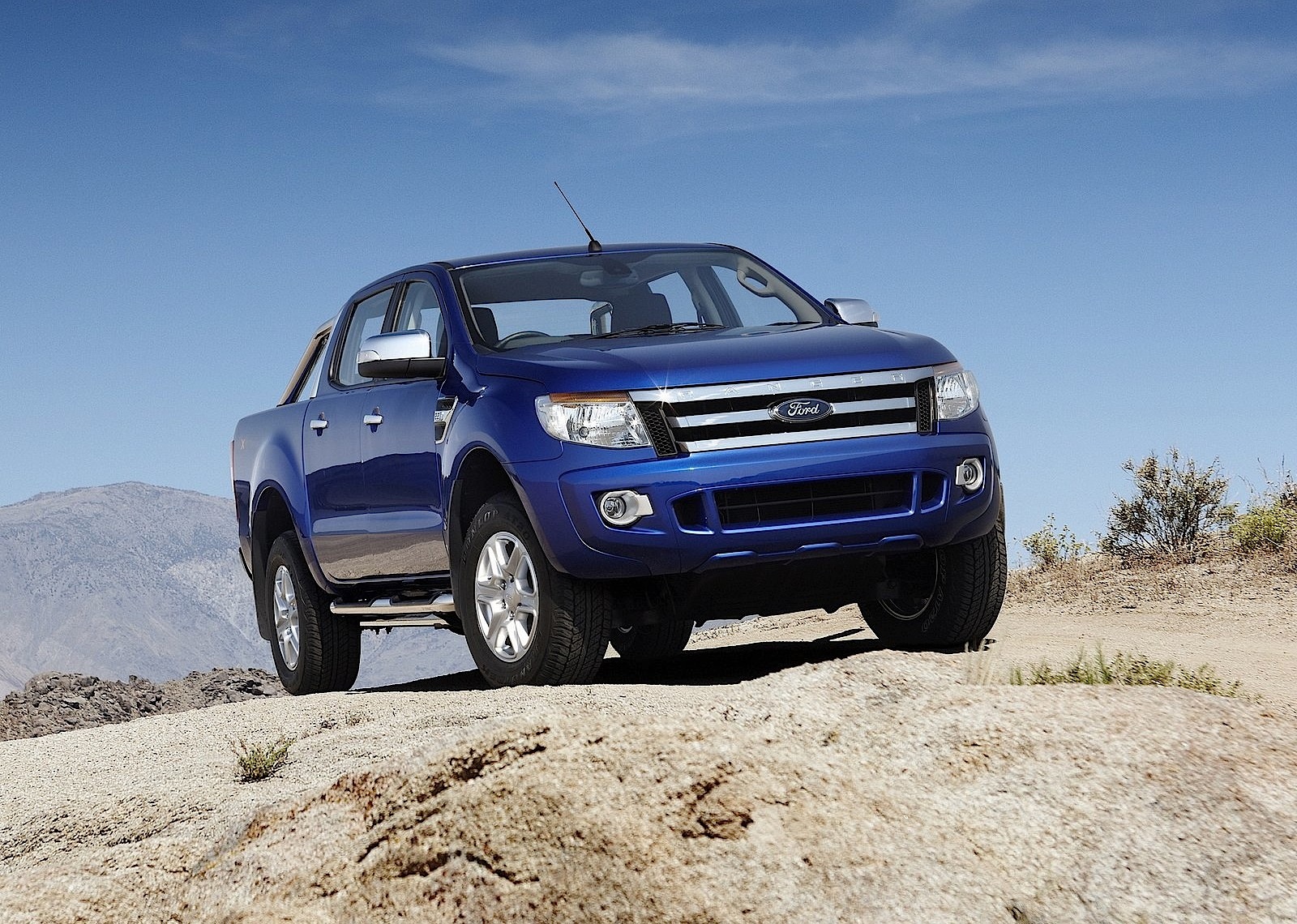
The 2011 Ford Ranger offers a robust platform for off-road enthusiasts, characterized by a traditional body-on-frame construction, a capable 4WD system, and a durable suspension geometry. While it lacks the modern electronic terrain management systems found in newer vehicles, its mechanical simplicity, high ground clearance, and compact wheelbase make it highly effective for trail navigation and technical off-road driving.
The 2011 Ford Ranger represents the final model year of the compact pickup’s long-running internal platform (the internal "T6" global Ranger had not yet reached the North American market). For off-roaders, this year is significant because it encapsulates decades of design refinement. To understand its capability, one must look at the mechanical architecture that defines the truck’s performance on uneven terrain.
The Mechanical Foundation: Body-on-Frame and Drivetrain
At the core of the 2011 Ford Ranger’s off-road prowess is its rugged body-on-frame chassis. This design isolates the cabin from the stresses of chassis twisting, which is common when traversing deep ruts or climbing steep inclines. Unlike unibody crossovers, the Ranger’s frame is engineered to flex, allowing the wheels to maintain contact with the ground even when the vehicle is in a diagonal articulation scenario.
The drivetrain is the primary determinant of capability. The 2011 model was available in both 2WD and 4WD configurations, with the latter being the standard for any serious off-road application. The 4WD system utilizes a shift-on-the-fly transfer case, allowing the driver to engage four-wheel high (4H) while in motion. For more challenging obstacles, the system provides a low-range (4L) gear ratio. This is essential for low-speed torque delivery, which helps the vehicle crawl over large rocks or ascend loose, steep grades without the need for excessive momentum that could damage the vehicle or cause loss of traction.
Suspension Geometry and Ground Clearance
The 2011 Ranger features an independent front suspension (IFS) with double wishbones and torsion bars. This setup is a middle-ground solution: it provides better on-road ride comfort compared to a solid front axle, yet maintains sufficient durability for trail work. For off-road enthusiasts, the torsion bar suspension is particularly advantageous because it allows for easy "cranking"—a common, budget-friendly modification to increase front ride height, though this must be done carefully to avoid overextending the suspension components and inducing premature wear on ball joints and CV axles.
At the rear, the truck utilizes a solid axle with leaf springs. This setup is ideal for durability. Leaf springs are excellent for carrying loads and are generally less susceptible to catastrophic failure on rocky terrain compared to coil springs. However, the rear end can feel "stiff" when the vehicle is empty, often leading to wheel hop on washboard roads. Proper tire pressure management is the most effective way to mitigate this, as it allows the tires to absorb the vibrations that the stiff rear suspension ignores.
Comparing 4WD Trims and Equipment
The "FX4" off-road package is the gold standard for the 2011 model year. Identifying whether a vehicle is equipped with this package is the first step in assessing its trail readiness.
| Feature | Base 4WD Trim | FX4 Off-Road Package |
|---|---|---|
| Shocks | Standard Gas-Charged | Rancho Brand Tuned |
| Skid Plates | Limited/None | Front, Transfer Case, Fuel Tank |
| Rear Differential | Open | Limited-Slip (LSD) |
| Tires | All-Season | All-Terrain (A/T) |
| Recovery Hooks | Optional | Standard |
The inclusion of the limited-slip differential (LSD) in the FX4 package is a critical upgrade for off-road use. In scenarios where one rear wheel loses traction, the LSD helps transfer torque to the wheel with grip, providing a significant advantage over the open differential found on standard models.
Off-Road Limitations and Challenges
Despite its strengths, the 2011 Ford Ranger is not without its limitations. First, the departure and breakover angles are influenced by the truck’s length and rear overhang. While the wheelbase is short enough to avoid "high-centering" on many trails, drivers must be aware of the rear bumper’s proximity to steep exit angles.
Secondly, the 2011 Ranger lacks modern traction control or hill-descent control systems. In modern vehicles, sensors detect wheel slip and automatically apply the brakes to individual wheels to mimic a locking differential. The 2011 Ranger relies entirely on the driver’s ability to manage throttle input and steering angle. While this provides a more "pure" driving experience, it also means that a mistake in line selection or throttle control is more likely to result in getting stuck.
Finally, the aging rubber components—specifically bushings and sway bar end links—are common points of failure in high-mileage 2011 models. Before taking a 2011 Ranger off-road in 2026, it is vital to inspect these components. A worn-out suspension will not perform as intended, leading to unpredictable handling on uneven surfaces.
Essential Upgrades for Trail Performance
Because the 2011 Ranger platform is well-documented, the aftermarket support for it remains extensive. To enhance its off-road capability, owners often focus on three specific areas:
- Tire Selection: Upgrading to a quality All-Terrain (A/T) or Mud-Terrain (M/T) tire is the single most impactful modification. Tires with deeper treads and reinforced sidewalls provide the necessary bite for loose soil and protection against sharp rocks.
- Armor: Even with factory skid plates, adding aftermarket steel plating for the steering rack and differential housing provides peace of mind.
- Lighting: The factory headlights on the 2011 Ranger were sufficient for highway use but struggle on dark trails. LED auxiliary lighting mounted to the front bumper or grill significantly improves visibility for night driving or navigating tight, brush-heavy paths.
Troubleshooting Common Off-Road Issues
When venturing off-road, the most common issues are related to the electronic 4WD engagement system. The 2011 Ranger uses a motor on the transfer case to shift between 2WD and 4WD. If the vehicle has sat for long periods, this motor can seize. If the "4WD" light does not illuminate, check the vacuum lines near the front axle hubs, as they are prone to cracking due to heat and age.
Another frequent complaint is vibration at speed. If the truck experiences "shuddering" when accelerating, check the condition of the carrier bearing on the driveshaft. In 4WD low, a slight metallic "clunk" when shifting is often normal for this era of Ford transfer case, provided it does not slip under load. If it slips, the internal chain may be stretched, requiring a rebuild.
Safety and Legal Considerations
When modifying your vehicle, always remain within the legal guidelines of your jurisdiction. In many regions, lift kits that exceed certain heights require adjustments to braking systems and headlight aiming to ensure road safety. Furthermore, always prioritize Leave No Trace principles when off-roading. Stick to designated trails to prevent environmental degradation, and always ensure your vehicle is equipped with a basic recovery kit, including a tow strap, a shovel, and a reliable jack designed for off-road use.
Frequently Asked Questions
Is the 2011 Ford Ranger good for rock crawling? While it is capable on moderate trails, the 2011 Ranger is not a dedicated rock crawler. Its lack of locking differentials and the inherent limits of its IFS front end mean it is best suited for fire roads, overland-style camping, and moderate forest trails rather than extreme boulder fields.
Can I fit larger tires on a stock 2011 Ranger? Yes, you can typically fit 31-inch tires on a stock 2011 Ranger without rubbing. Any larger, such as 32-inch or 33-inch tires, will likely require a suspension lift or body lift, as well as potential trimming of the front plastic air dam or wheel well liners.
Why is my 4WD not engaging in my 2011 Ranger? The most common cause is a faulty shift motor on the transfer case or an issue with the vacuum-operated front axle disconnect (PVH system). Start by checking the fuses, then inspect the vacuum lines for dry rot or disconnection.
What is the best engine for off-roading in this model? The 4.0L SOHC V6 is widely considered the best choice for off-road use. Its higher torque output at lower RPMs makes it significantly better at crawling over obstacles compared to the base 2.3L I4 engine.
Do I need a snorkel for my 2011 Ford Ranger? A snorkel is only necessary if you intend to cross deep water. The air intake on the 2011 Ranger is located in the engine bay; for most trail conditions, it is sufficiently high. Only install a snorkel if you are specifically planning for deep-water fording.
Final Recommendation for Enthusiasts
The 2011 Ford Ranger remains a reliable and highly capable vehicle for those interested in exploring the outdoors. Its true value lies in its mechanical simplicity and the ease with which it can be maintained or modified. Before heading out, perform a comprehensive inspection of your suspension bushings, vacuum lines, and fluid levels. Focus on installing quality all-terrain tires and ensuring your recovery gear is accessible. By respecting the vehicle's design limits and focusing on smart line selection, you can enjoy years of trail performance from this classic compact truck.