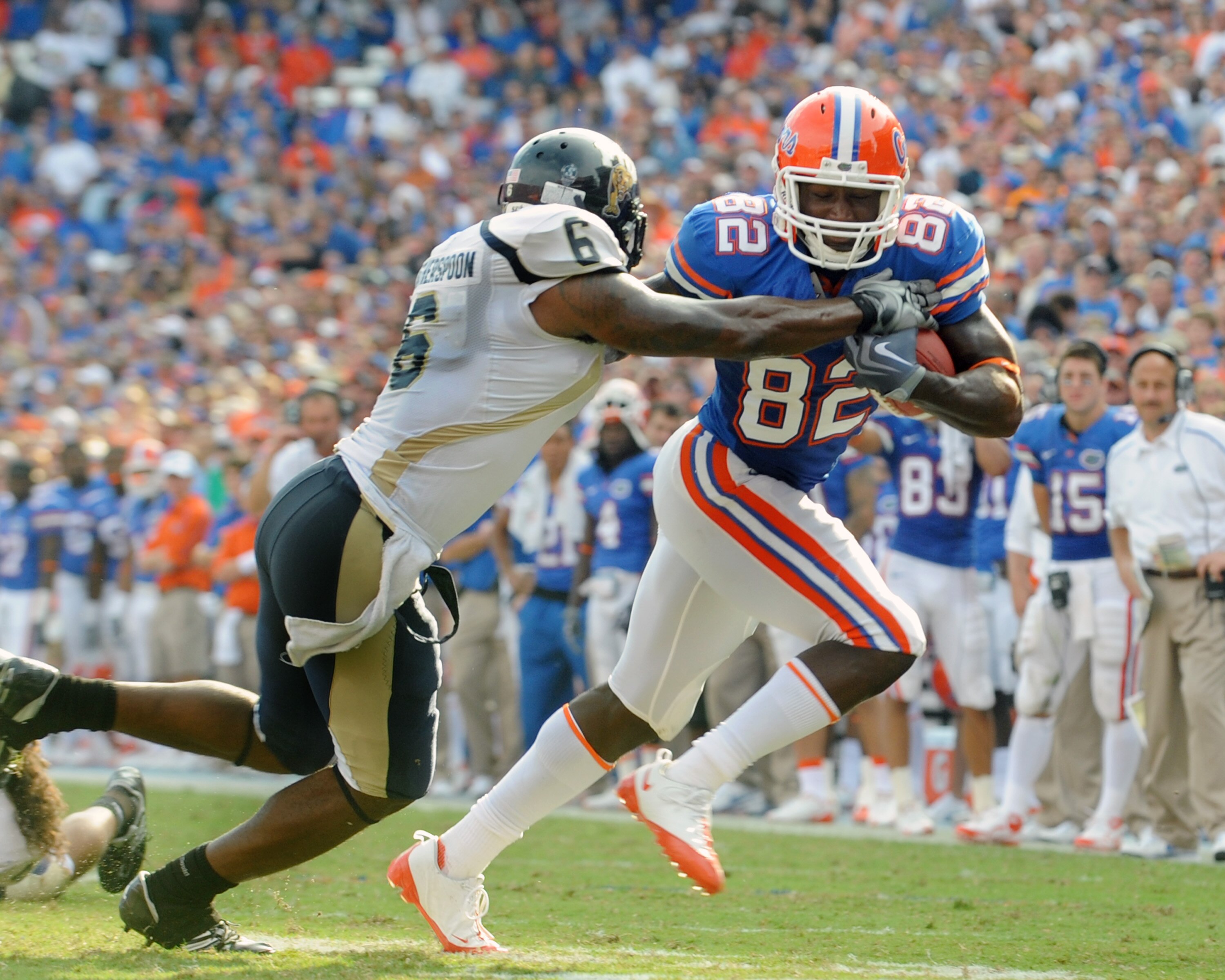
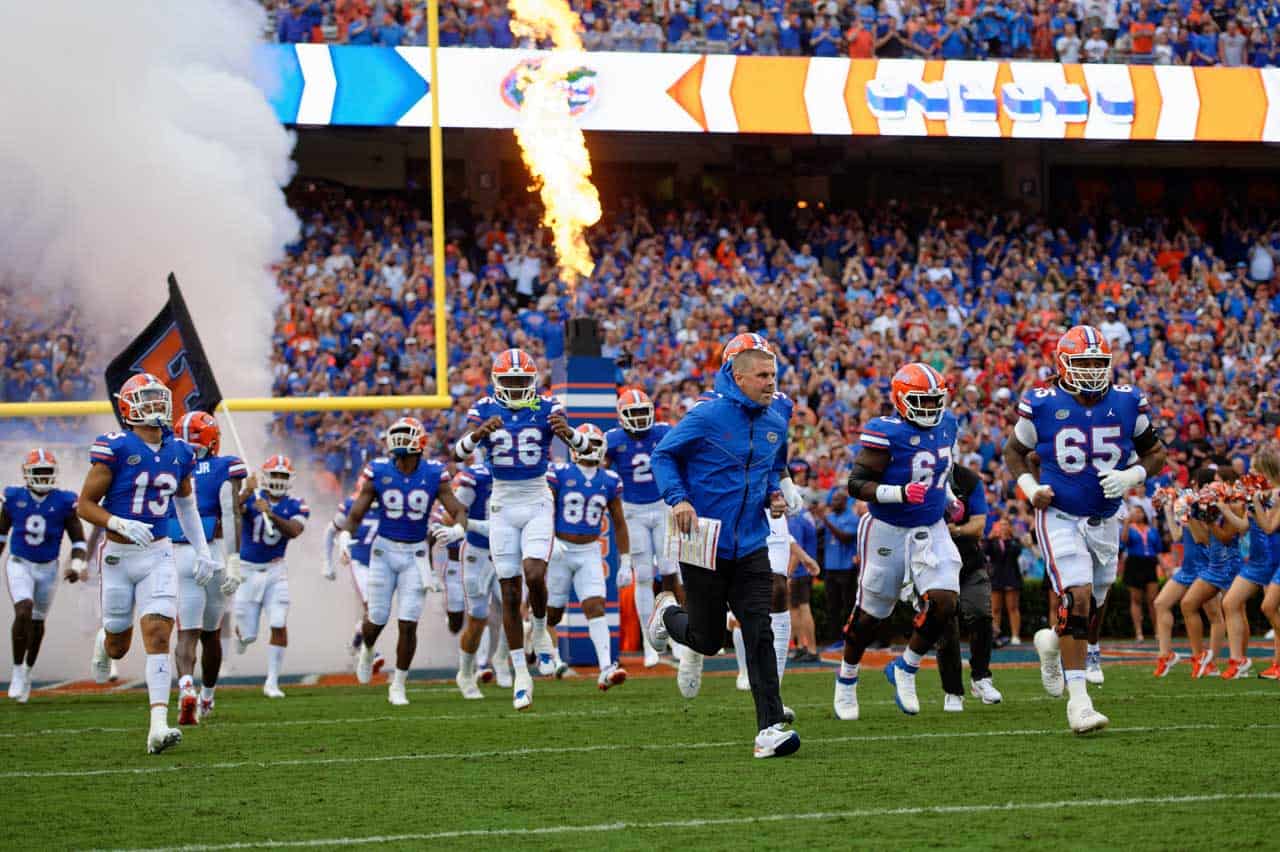
The 2009 Florida Gators football season stands as one of the most anticipated campaigns in college football history, featuring defending national champions led by Heisman Trophy-winning quarterback Tim Tebow, head coach Urban Meyer, and a roster loaded with future NFL talent that ultimately finished with a 13-1 record and a Sugar Bowl victory.
Introduction and Historical Context
The 2009 Florida Gators football team entered the autumn months carrying the immense weight of expectations. Having secured the Bowl Championship Series (BCS) National Championship at the conclusion of the 2008 season, the program under head coach Urban Meyer retained its core leadership. Most notably, senior quarterback Tim Tebow famously announced his return for his final year of collegiate eligibility rather than entering the NFL Draft. This decision transformed the Gators into a cultural phenomenon throughout college football, drawing unprecedented media scrutiny and massive expectations from fans and analysts alike.
The program was situated in Gainesville, Florida, operating within the Southeastern Conference (SEC) Eastern Division. The overarching narrative of the 2009 campaign involved a quest for back-to-back national titles—a feat accomplished only rarely in the modern era of college football. While the team ultimately fell short of playing for the national championship game due to a dramatic loss in the conference championship, the season remains a masterclass in elite athletic performance, defensive dominance, and historic offensive output.
Preseason Expectations and Roster Construction
The anticipation surrounding the 2009 squad was unprecedented. Analysts across major sports networks projected the Gators as the undisputed preseason number-one team in the country. This ranking was justified by a roster that blended seasoned veterans with elite underclassmen who had already tasted championship glory.
The offense centered entirely around Tim Tebow, whose physical running style, leadership qualities, and accurate passing made him the focal point of every opponent's defensive game plan. Flanking Tebow were explosive playmakers such as wide receiver Riley Cooper, tight Aaron Hernandez, and running back Jeff Demps, whose blistering track-speed provided a constant home-run threat out of the backfield. The offensive line, anchored by center Maurkice Pouncey and guard Mike Pouncey, provided the heavy trench dominance necessary to execute Meyer's spread option offense effectively.
Defensively, coordinator Charlie Strong engineered a unit that was arguably even more talented than the championship-winning defense of the previous year. The defensive line featured future NFL stalwarts such as defensive end Carlos Dunlap and defensive tackle Jermaine Cunningham, while the secondary boasted shutdown cornerbacks Joe Haden and Janoris Jenkins, alongside versatile safety Major Wright. This combination of speed, discipline, and sheer athleticism allowed the Gators to dictate terms to opposing offenses from the opening whistle of the season.
Regular Season Schedule and Game-by-Game Breakdown
The Gators navigated a rigorous 12-game regular-season schedule, playing through non-conference tune-ups and the brutal gauntlet of the SEC.
| Date / Opponent | Location | Result |
|---|---|---|
| Sept 5 vs. Charleston Southern | Ben Hill Griffin Stadium | W 62-3 |
| Sept 12 vs. Troy | Ben Hill Griffin Stadium | W 56-6 |
| Sept 26 vs. Tennessee | Ben Hill Griffin Stadium | W 23-13 |
| Oct 3 at Kentucky | Commonwealth Stadium | W 41-7 |
| Oct 10 at LSU | Tiger Stadium | W 13-3 |
| Oct 17 vs. Arkansas | Ben Hill Griffin Stadium | W 23-20 |
| Oct 24 at Mississippi State | Davis Wade Stadium | W 29-19 |
| Oct 31 vs. Georgia | EverBank Field (Jacksonville) | W 41-17 |
| Nov 7 at Vanderbilt | Vanderbilt Stadium | W 27-3 |
| Nov 21 at South Carolina | Williams-Brice Stadium | W 24-14 |
| Nov 28 vs. Florida International | Ben Hill Griffin Stadium | W 62-3 |
| Dec 5 vs. Florida State | Ben Hill Griffin Stadium | W 37-10 |
Navigating Early-Season Tests
Florida opened the season with dominant victories over Charleston Southern and Troy, though offensive rhythm occasionally sputtered as new contributors adjusted to starting roles. The SEC home opener against the Tennessee Volunteers proved to be a gritty, defensive struggle. While the Gators won 23-13, the game highlighted vulnerabilities in pass protection and offensive execution that coaching staffs across the country began to dissect.
A critical mid-season test occurred on October 10 in Baton Rouge against the fifth-ranked LSU Tigers at night in Tiger Stadium. In one of the most physical environments in college sports, the Gators relied heavily on their defense and a cautious offensive approach. A late defensive stand preserved a hard-fought 13-3 victory, keeping Florida's undefeated record intact and solidifying their status as national title frontrunners.
Securing the SEC East
As the calendar turned to late October, the Gators faced traditional rival Georgia in Jacksonville. Florida delivered one of its most complete performances of the season, dismantling the Bulldogs 41-17. Tim Tebow accounted for multiple touchdowns and broke the SEC career record for rushing touchdowns during the contest, cementing his legacy in conference lore. Subsequent victories against Vanderbilt, South Carolina, and Florida State allowed the Gators to complete an undefeated 12-0 regular season and punch their ticket to the SEC Championship Game in Atlanta.
The Turning Point: The 2009 SEC Championship Game
The culmination of the regular-season journey arrived on December 5, 2009, at the Georgia Dome in Atlanta, where the Gators faced the undefeated and top-ranked Alabama Crimson Tide in a rematch of the previous year's conference title game.
Unlike the prior season's dramatic comeback, the 2009 matchup belonged decisively to head coach Nick Saban's Alabama squad. The Crimson Tide utilized a suffocating defensive strategy that contained Tim Tebow, neutralized the Florida running game, and forced crucial turnovers. Alabama quarterback Greg McElroy and running back Mark Ingram orchestrated an efficient offensive attack that kept the Florida defense on the field for extended stretches.
The final score of 32-13 in favor of Alabama sent shockwaves through the college football landscape. As the clock expired, images of a tearful Tim Tebow sitting on the bench became one of the defining visual memories of the era. The defeat ended Florida's 22-game winning streak, knocked them out of BCS National Championship contention, and set up a matchup in the Sugar Bowl rather than the national title game.
The Allstate Sugar Bowl and Season Resolution
Despite the heartbreak in Atlanta, the Gators had to regroup for a New Year's Day appearance in New Orleans against the Cincinnati Bearcats, who had finished the regular season undefeated under head coach Brian Kelly.
The 2010 Allstate Sugar Bowl served as a triumphant final chapter for Tim Tebow and the departing senior class. Tebow put on a legendary statistical performance in his collegiate swan song, completing 31 of 35 passes for 482 yards and three touchdowns, while also rushing for 51 yards and another score. The Florida offense accumulated over 650 total yards, overwhelming Cincinnati in a 51-24 rout. The victory allowed the 2009 team to finish with a stellar 13-1 record, ensuring that the senior class departed Gainesville with two national titles, a Sugar Bowl victory, and a staggering 48-7 four-year record.
Statistical Profile and Historical Legacy
Examining the statistical footprint of the 2009 Florida Gators reveals a balanced, highly efficient football team that dominated opponents in nearly every major phase of the game.
- Total Offense: Averaged over 420 yards per game, combining a potent rushing attack with efficient play-action passing.
- Scoring Defense: Allowed an average of just 12.4 points per game, ranking among the top defensive units in the nation.
- Turnover Margin: Finished near the top of the SEC with a positive turnover margin, capitalizing on interceptions by Joe Haden and fumble recoveries by the front seven.
- NFL Pipeline: The roster ultimately produced double-digit future NFL draft picks, including first-round selections Maurkice Pouncey, Joe Haden, Carlos Dunlap, and Tim Tebow.
The legacy of the 2009 season is complex. While it is frequently remembered for the emotional conclusion of the SEC Championship Game rather than a second consecutive national title, the team remains one of the most talent-rich collections of players in college football history. It marked the pinnacle of the Urban Meyer era at Florida before the program experienced a period of transition in subsequent years.
Frequently Asked Questions
What was the final record of the 2009 Florida Gators football team?
The team finished with a 13-1 record. They won their first 12 games, capturing the SEC Eastern Division title, but lost to Alabama in the SEC Championship Game before bouncing back to defeat Cincinnati in the Allstate Sugar Bowl.
Who won the Heisman Trophy in 2009?
Alabama running back Mark Ingram won the 2009 Heisman Trophy in one of the closest voting margins in history, edging out Stanford running back Toby Gerhart and Texas quarterback Colt McCoy. Tim Tebow finished fifth in the voting after winning the award in 2007.
Why did the Gators miss the 2009 National Championship Game?
After entering the SEC Championship Game undefeated and ranked number one, the Gators lost 32-13 to Alabama. That victory propelled Alabama into the BCS National Championship Game against Texas, while Florida was assigned to the Sugar Bowl.
Which players from the 2009 roster were drafted into the NFL?
The roster featured an exceptionally high number of future professionals. Notable NFL draft picks included Tim Tebow, Maurkice Pouncey, Mike Pouncey, Joe Haden, Carlos Dunlap, Aaron Hernandez, Janoris Jenkins, Jeff Demps, and Major Wright.
How many national championships did Urban Meyer win at Florida?
Urban Meyer won two BCS National Championships during his tenure with the Florida Gators, securing titles at the end of the 2006 and 2008 seasons.
Practical Next Actions for Football Historians
For researchers, sports historians, or fans interested in diving deeper into the 2009 campaign, reviewing archived game broadcasts, consulting official SEC record books, and examining contemporaneous sports journalism from outlets like ESPN and the Gainesville Sun provide comprehensive firsthand accounts of how the season unfolded week by week.