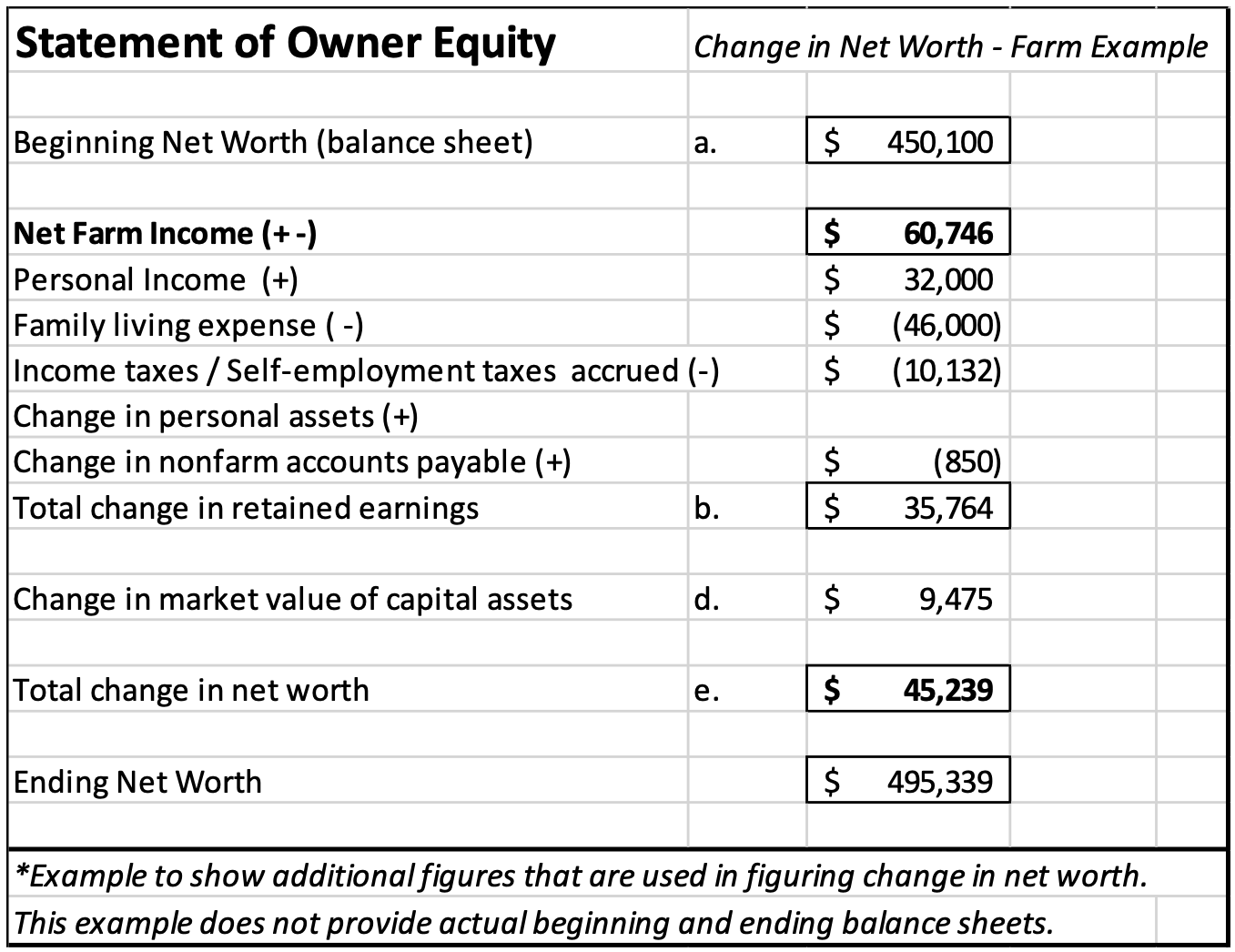
The 2.03 Statement of Net Worth refers to a foundational educational module in personal finance that teaches individuals how to calculate their financial standing at a specific point in time. By subtracting total liabilities from total assets, the resulting net worth provides a snapshot of financial health, enabling better budgeting and long-term wealth management strategies.
The Significance of the 2.03 Statement of Net Worth
In many personal finance curricula, such as those found in high school and introductory college courses, the "2.03" designation often corresponds to a specific lesson or assignment focused on the personal balance sheet. This lesson is critical because it moves the learner beyond simple income and expense tracking (the cash flow statement) and into the realm of wealth accumulation.
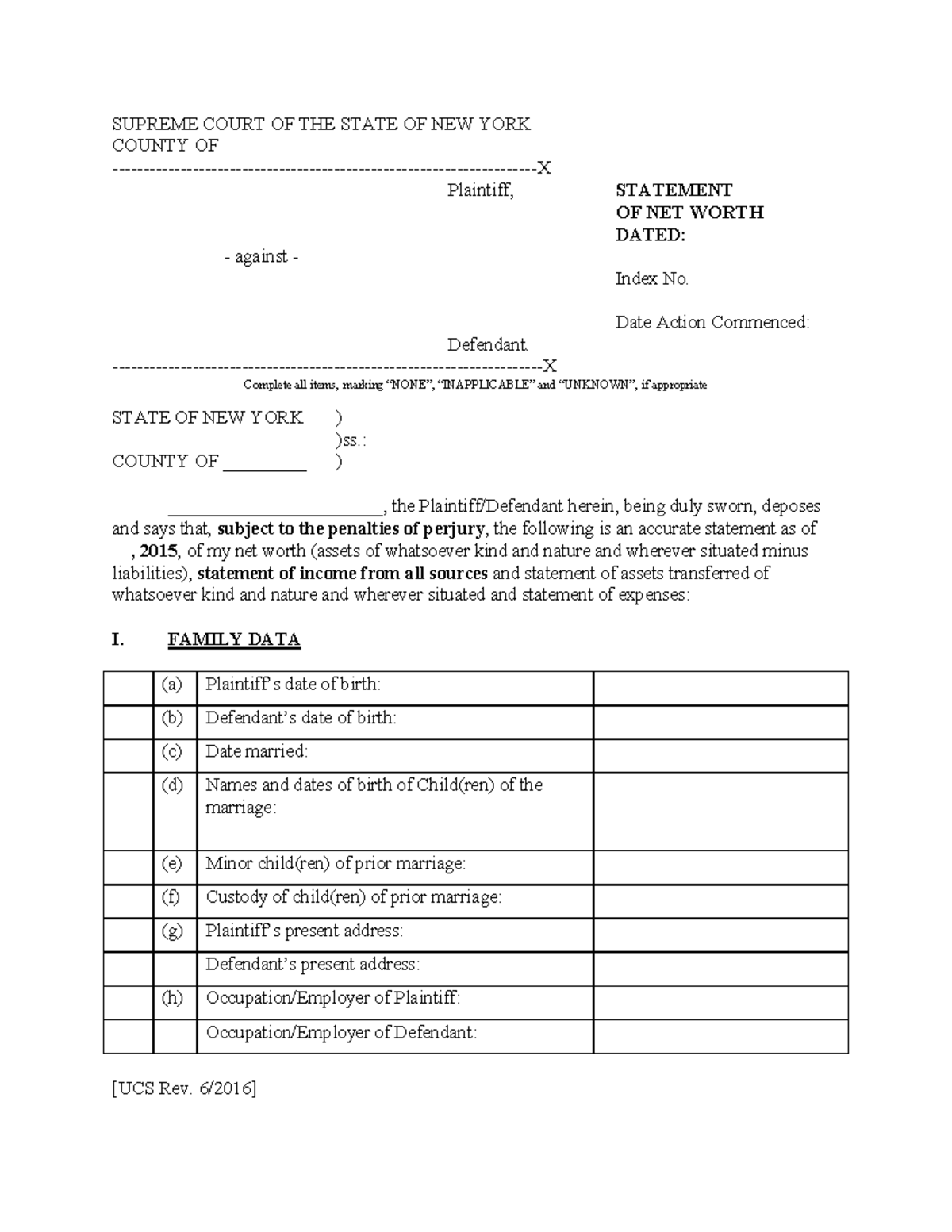
A Statement of Net Worth is a formal report that lists what you own versus what you owe. While many students use Quizlet to memorize the definitions of assets and liabilities, the real-world application of the 2.03 module is to understand the concept of solvency. Being solvent means your assets exceed your liabilities, whereas being insolvent means you owe more than the total value of your possessions and accounts.
As of 2026, the principles of the net worth statement remain the bedrock of financial planning. Whether you are a student preparing for a test or an individual trying to organize your finances, understanding the components of this statement is the first step toward achieving financial independence.
Breaking Down the Components: Assets
Assets are the items of value that an individual or household owns. In the context of the 2.03 curriculum, assets are typically categorized by their liquidity—the ease with which they can be converted into cash without a significant loss in value.
Monetary Assets (Liquid Assets)
Monetary assets are the most liquid. These include cash on hand, money in checking and savings accounts, and certificates of deposit (CDs). In a standard personal finance quiz, these are often the first items listed because they represent immediate purchasing power.
Tangible (Lifestyle) Assets
Tangible assets are physical items that you use in your daily life. This category includes your home (if you own it), vehicles, furniture, jewelry, and electronics. While these have value, they are often considered "depreciating assets" (with the exception of real estate and certain collectibles), meaning they lose value over time. For the 2.03 Statement of Net Worth, it is crucial to use the Fair Market Value—the price a willing buyer would pay—rather than the original purchase price.
Investment Assets
Investment assets are those held with the expectation of generating a profit or providing future income. This includes stocks, bonds, mutual funds, 401(k) accounts, and IRAs. In 2026, many students also include digital assets, such as verified cryptocurrency holdings or non-fungible tokens (NFTs) that hold market value, within this category.
Breaking Down the Components: Liabilities
Liabilities represent the financial obligations or debts you owe to other entities. To accurately complete a 2.03 quiz or statement, you must distinguish between the timeframe of these debts.
Current Liabilities
Current liabilities are short-term debts that are expected to be paid off within one year. Common examples include:
- Credit card balances
- Utility bills
- Unpaid taxes
- Medical bills
Long-Term Liabilities
Long-term liabilities are debts that extend beyond a twelve-month period. The most common examples are:
- Mortgages (the remaining principal balance)
- Student loans
- Auto loans
- Personal loans for large capital purchases
When calculating net worth, you do not list your monthly payments. Instead, you list the total remaining principal owed on the date the statement is created. This is a common point of confusion for students using Quizlet to study for their personal finance exams.
The Net Worth Formula and Calculation Process
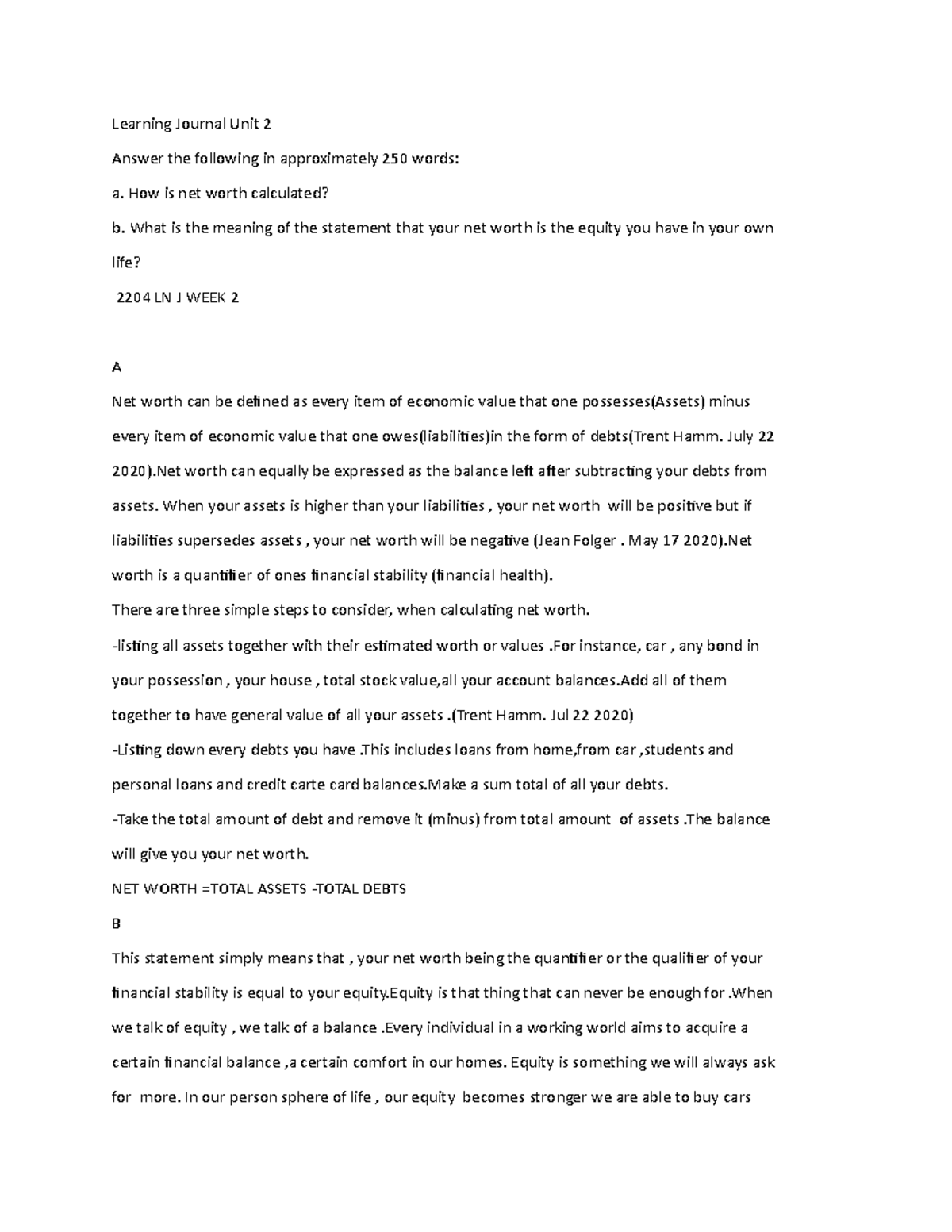
The mathematical core of the 2.03 module is a simple subtraction: Total Assets - Total Liabilities = Net Worth
To arrive at an accurate figure, follows these verified steps:
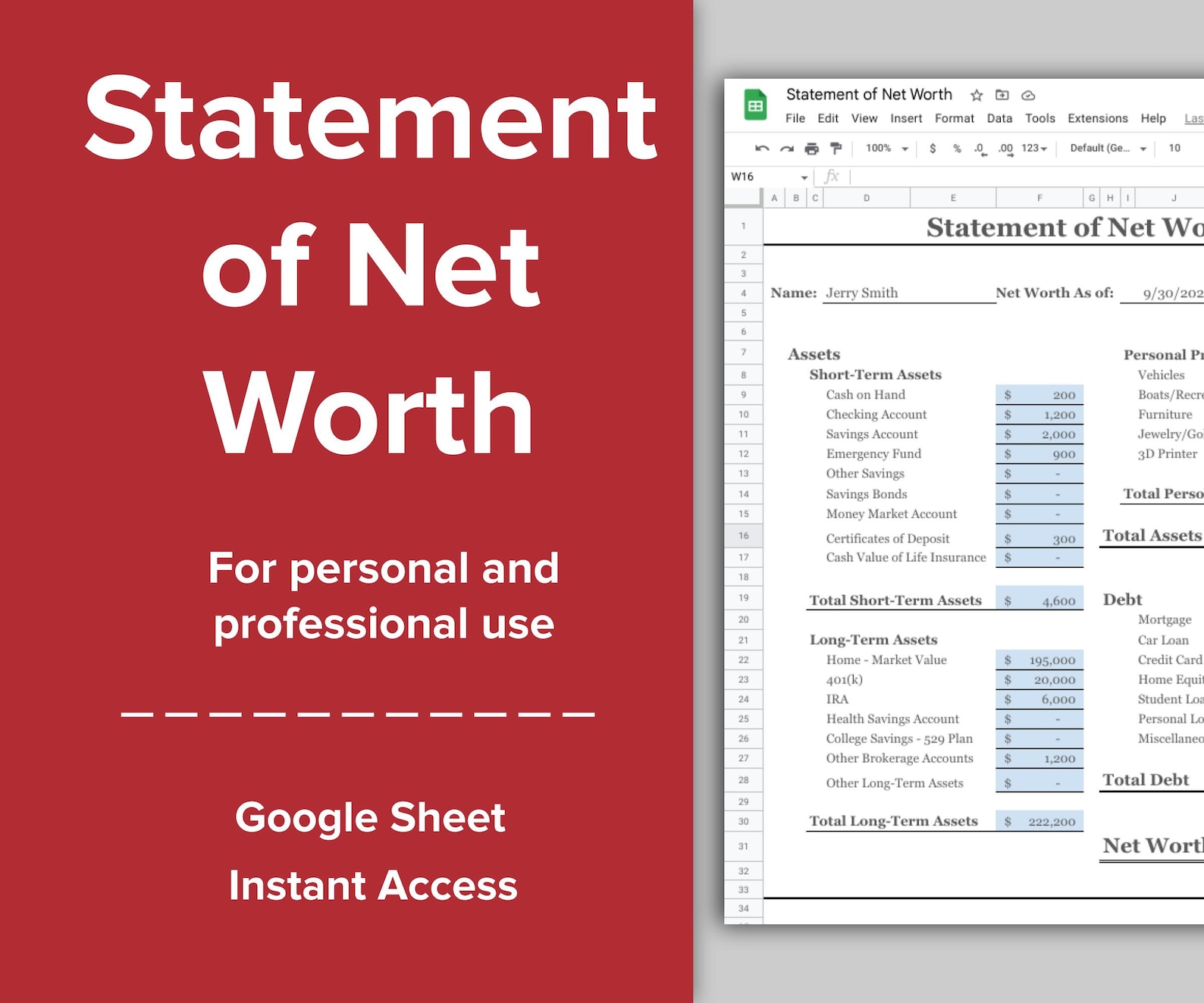
- List all assets: Gather the most recent statements for your bank accounts and investment portfolios. Estimate the fair market value of your tangible goods.
- Sum the assets: Add these values together to find your "Total Assets."
- List all liabilities: Look up the payoff amounts for all loans and the current balances on all credit cards.
- Sum the liabilities: Add these values together to find your "Total Liabilities."
- Calculate the difference: Subtract the total liabilities from the total assets.
Interpretation of the Results
A positive net worth indicates that you have more value in assets than you have in debt. This is generally the goal of financial planning. A negative net worth is common for young adults or students who have taken on significant student loan debt but have not yet had the opportunity to accumulate savings or property. While a negative net worth can be alarming, the 2.03 lesson emphasizes that this is a starting point, not a permanent state.
Why Students Use Quizlet for 2.03 Personal Finance
Quizlet has become a primary resource for students navigating the "2.03 Statement of Net Worth" because of the specific terminology involved. Understanding the nuances between a "cash flow statement" and a "net worth statement" is a frequent exam topic.
- Cash Flow Statement: Tracks income and expenses over a period of time (e.g., a month).
- Statement of Net Worth: Tracks value and debt at a single point in time.
Using digital flashcards helps learners internalize the classification of specific items. For instance, is a "car loan" an asset or a liability? The car itself is an asset, while the loan balance is a liability. Deciphering these relationships is essential for passing the module and for practical life application.
Comparison of Financial Statements
To help clarify the differences between the various reports found in personal finance curriculum, the following table outlines the purpose and content of the most common statements.
| Statement Type | Primary Focus | Key Components | Timeframe |
|---|---|---|---|
| Statement of Net Worth | Wealth and Solvency | Assets & Liabilities | Specific Date (Snapshot) |
| Income Statement | Profitability (Business) | Revenue & Expenses | Period of Time |
| Cash Flow Statement | Liquidity and Budgeting | Inflows & Outflows | Period of Time |
| Budget | Future Planning | Expected Income & Spending | Future Period |
Advanced Considerations in 2026
As we navigate the financial landscape of 2026, the definition of what constitutes an asset continues to evolve. Modern 2.03 curriculum often includes discussions on "human capital"—the value of one's skills and education—though this is rarely quantified on a formal net worth statement. Furthermore, the volatility of digital assets means that a net worth statement created in January might look drastically different by March.
Financial experts, including those certified by the CFP Board, recommend updating a Statement of Net Worth at least once a year. This allows individuals to track their progress. If the net worth is increasing, it suggests that the individual is either paying down debt, increasing savings, or seeing an appreciation in asset value.
Common Pitfalls in Calculating Net Worth
When students or individuals first attempt the 2.03 exercise, several common errors often arise:
- Confusing Gross vs. Net Value: When listing a home as an asset, some people mistakenly list the equity (Home Value - Mortgage) as the asset. In a proper statement, you list the full value of the home under assets and the full mortgage balance under liabilities.
- Overestimating Tangible Assets: It is easy to assume your used car or three-year-old laptop is worth more than it actually is. Relying on tools like Kelley Blue Book for vehicles is essential for accuracy.
- Omitting Small Debts: While a $500 credit card balance might seem insignificant compared to a mortgage, failing to include all liabilities will result in an inflated and inaccurate net worth figure.
- Mixing Business and Personal Finances: For entrepreneurs, it is vital to keep a personal statement of net worth separate from a business balance sheet to get a true picture of personal financial health.
Step-by-Step Guide to Mastery
If you are using the "2.03 Statement of Net Worth Quizlet" to study for a certification or a class, follow this structured approach to ensure you fully grasp the material:
Step 1: Master the Definitions
Ensure you can instantly define assets, liabilities, net worth, liquidity, and solvency. If you cannot explain the difference between a liquid asset and an investment asset, you are not ready for the calculation phase.
Step 2: Practice Classification
Go through a list of 20 items (e.g., "Student loan," "Gold coins," "Monthly rent," "Checking account") and categorize them. Note that "Monthly rent" is an expense, not a liability, and therefore does not appear on a Statement of Net Worth.
Step 3: Perform a Mock Calculation
Use a sample case study—often provided in the 2.03 lesson—to calculate the net worth of a fictional character. This removes the emotional attachment to the numbers and allows you to focus on the mechanics of the math.
Step 4: Create Your Own Statement
Apply the logic to your own life. Even if your net worth is currently low or negative, the process of documenting your financial position is a powerful psychological tool for improvement.
Frequently Asked Questions
What is the primary purpose of the 2.03 Statement of Net Worth?
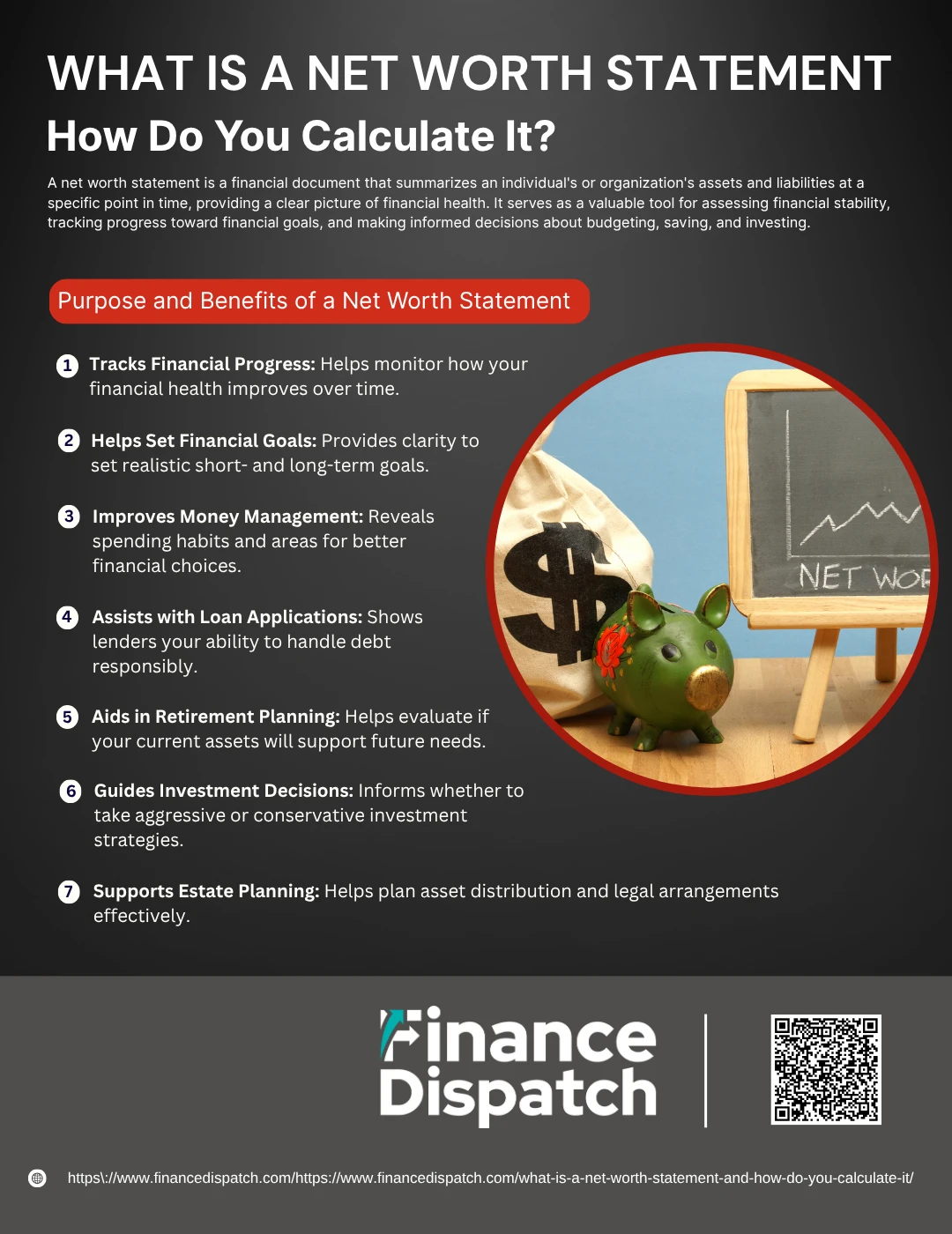
The primary purpose is to provide a comprehensive view of an individual's financial position at a specific moment. It serves as a benchmark to measure financial progress over time and helps in determining if an individual has enough assets to cover their debts.
Is my salary included in my net worth?
No, your salary is not included in your net worth. Salary is considered "income" and is recorded on a cash flow statement or an income statement. Net worth only tracks "wealth"—the value of what you have saved or purchased and what you currently owe.
How often should I update my Statement of Net Worth?
For most people, updating the statement annually or semi-annually is sufficient. However, if you are undergoing a major life change—such as buying a home, getting married, or starting a business—it is wise to update it more frequently to understand the impact of these events on your overall financial health.
Why do some assets not count toward my net worth in certain contexts?
In some specific financial evaluations (like qualifying for certain loans or financial aid), "lifestyle assets" like your primary residence or your car might be excluded to determine your "investable net worth." However, for the standard 2.03 curriculum, all items of value are generally included.
What does it mean if my net worth is negative?
A negative net worth, also known as being "insolvent," means your total liabilities exceed your total assets. This is common for students with significant loans. It is not a permanent failure but a signal that your current financial strategy should focus on debt reduction and asset building.
Can Quizlet really help with financial literacy?
Yes, Quizlet is an effective tool for memorizing the specific terminology and formulas required in financial literacy courses. By mastering the vocabulary of the 2.03 module, students can better understand the complex concepts presented in later lessons, such as investing and retirement planning.
Final Recommendation
To successfully navigate the 2.03 Statement of Net Worth module, focus on the accuracy of your classifications. Ensure you are using the current year (2026) values for any investments and realistic fair market values for tangible property. For students, the key to passing the quizlet-based assessments is to distinguish between "flows" (income and expenses) and "stocks" (assets and liabilities).
Once you have mastered the theory, move toward practical application by creating a digital spreadsheet of your own net worth. Tracking this figure over time is one of the most effective ways to stay motivated and disciplined in your personal financial journey.