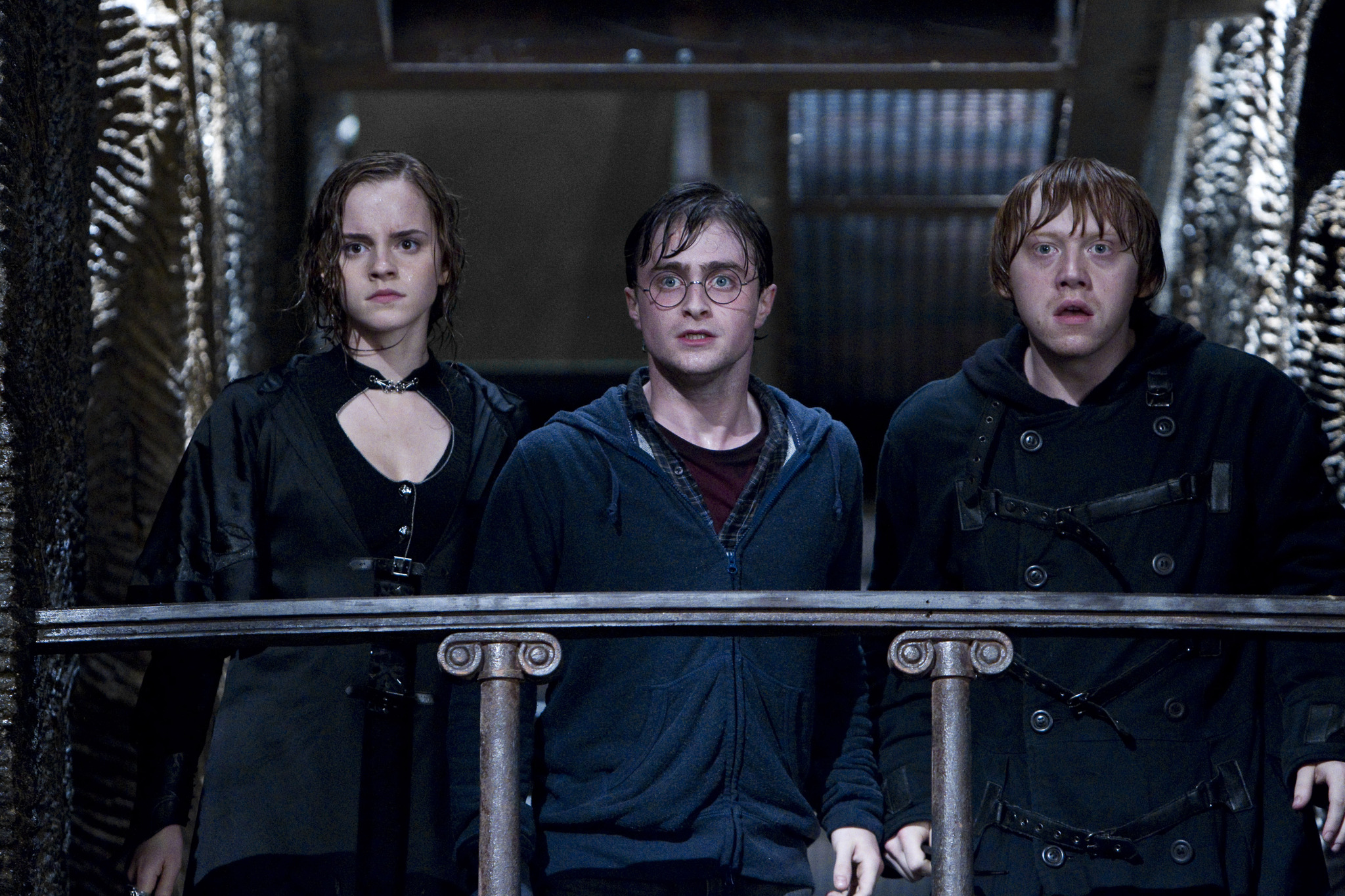
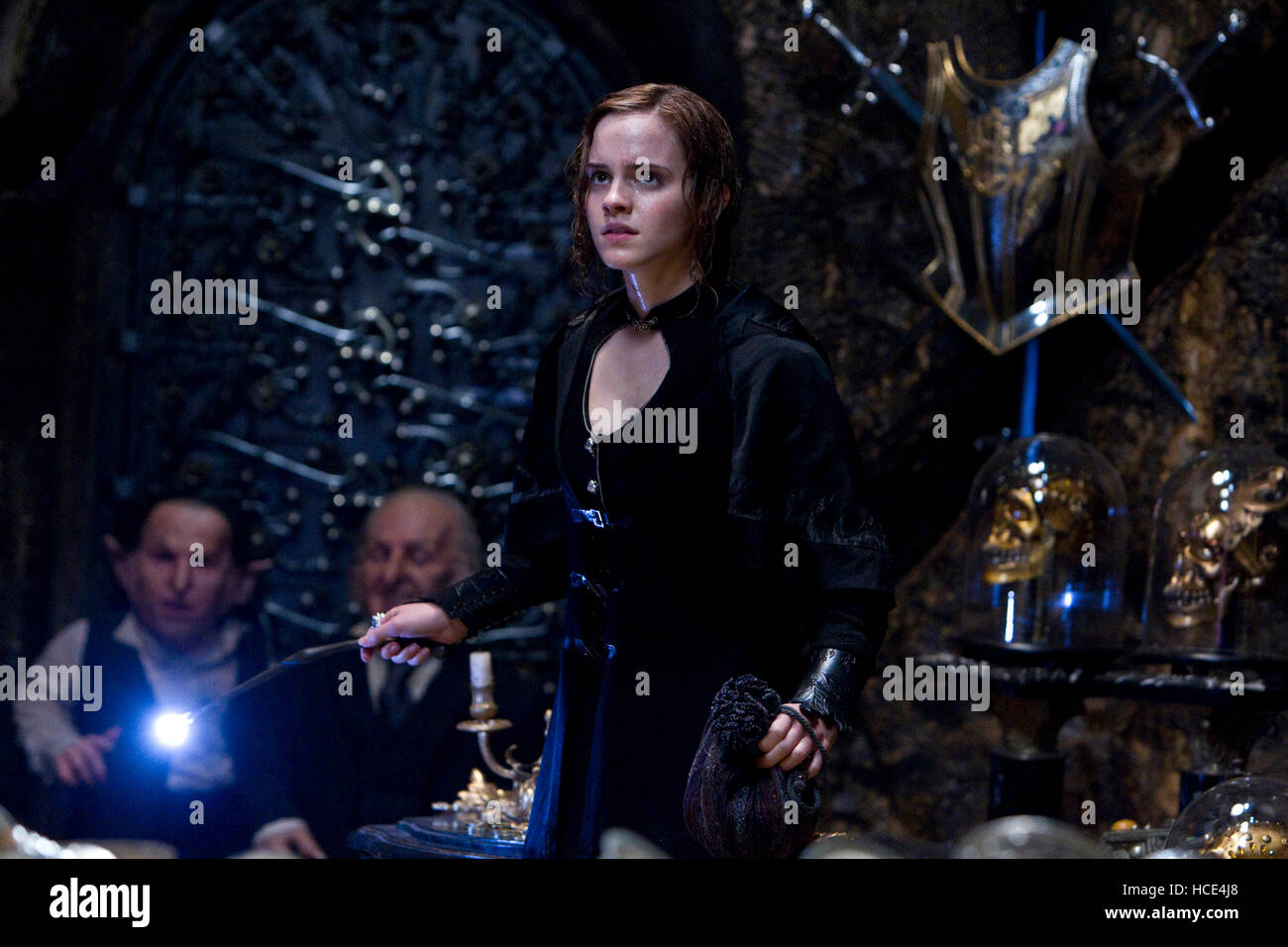
The 12 key members of the Harry Potter and the Deathly Hallows – Part 2 cast include the central "Trio"—Daniel Radcliffe, Emma Watson, and Rupert Grint—alongside pivotal antagonists Ralph Fiennes and Helena Bonham Carter. Critical performances by Alan Rickman, Maggie Smith, Matthew Lewis, and Julie Walters define the film’s emotional climax and resolution.
The final installment of the Harry Potter film franchise, released in 2011, remains a cinematic landmark. As we look back from 2026, the performances in Deathly Hallows – Part 2 continue to serve as the definitive portrayals of J.K. Rowling’s characters. The film required a unique blend of physical action, deep emotional resonance, and the culmination of decade-long character arcs. Below is a comprehensive analysis of the twelve actors whose contributions were most vital to the film's success and the franchise's enduring legacy.
The Core Trio: Harry, Ron, and Hermione
The weight of the finale rested primarily on the shoulders of Daniel Radcliffe, Emma Watson, and Rupert Grint. By the time production for Part 2 concluded, these three actors had spent ten years inhabiting their roles, a rarity in cinema history.
1. Daniel Radcliffe (Harry Potter)
In Deathly Hallows – Part 2, Radcliffe had to portray a version of Harry Potter that was weary, resolute, and ultimately sacrificial. His performance is characterized by a shift from the frantic energy of earlier films to a quiet, somber acceptance of his fate. The "King’s Cross" sequence, where Harry speaks with the deceased Albus Dumbledore, required Radcliffe to convey a sense of peace that balanced the high-octane violence of the Battle of Hogwarts. As of 2026, Radcliffe has established himself as a versatile actor in both independent film and Broadway, but his portrayal of the "Boy Who Lived" in this finale remains his most culturally significant work.
2. Emma Watson (Hermione Granger)
Emma Watson’s portrayal of Hermione in the final film emphasizes the character’s intellectual bravery and emotional grounding. One of her most challenging sequences involved the Gringotts break-in, where she had to play Hermione pretending to be Bellatrix Lestrange—a complex "meta-acting" task that showcased her range. Watson’s chemistry with Grint also reached its peak in this film, providing the romantic resolution fans had anticipated for years.
3. Rupert Grint (Ron Weasley)
Often providing the heart and humor of the series, Rupert Grint’s performance in Part 2 leaned heavily into Ron’s maturity and loyalty. His desperation during the fire in the Room of Requirement and his leadership alongside Hermione during the destruction of the Hufflepuff Cup horcrux showed a character who had finally outgrown his insecurities. Grint’s ability to balance the grief of losing a brother (Fred Weasley) with the necessity of the fight was a highlight of the film's third act.
The Forces of Antagonism: Voldemort and His Inner Circle
A hero is only as compelling as their villain, and Deathly Hallows – Part 2 featured some of the most chilling performances in the fantasy genre.
4. Ralph Fiennes (Lord Voldemort)
Ralph Fiennes transformed the titular villain into a creature of pure, erratic ego. In the final film, Fiennes portrayed Voldemort not just as a monster, but as a being experiencing genuine fear as his Horcruxes were destroyed. His "laugh" during the return to Hogwarts has since become an iconic, if unintended, piece of internet culture, but his final duel with Harry showcased a physical intensity that anchored the film’s climax.
5. Helena Bonham Carter (Bellatrix Lestrange)
As Voldemort’s most loyal lieutenant, Helena Bonham Carter brought a chaotic, sadistic energy to the screen. Her performance in Part 2 is twofold: she plays the real Bellatrix during the Battle of Hogwarts and provides the template for Emma Watson’s performance earlier in the film. Her final showdown with Molly Weasley remains one of the most cheered moments in the franchise.
6. Jason Isaacs (Lucius Malfoy)
While Lucius Malfoy is a secondary antagonist, Jason Isaacs’ portrayal in the final film is a masterclass in depicting a man who has lost everything. Disheveled, fearful, and stripped of his former status, Isaacs’ Lucius represents the moral decay of those who follow Voldemort. His silent exit across the bridge with his family at the end of the battle is a poignant conclusion to the Malfoy sub-plot.
The Pillars of Hogwarts: Teachers and Resistance
The Battle of Hogwarts allowed several long-standing supporting cast members to take center stage, providing the film with its most heroic moments.
7. Alan Rickman (Severus Snape)
Alan Rickman’s performance in Deathly Hallows – Part 2 is widely considered the emotional backbone of the entire series. The revelation of Snape’s true loyalties through the "Prince’s Tale" sequence remains one of the most acclaimed segments of the eight-film saga. Rickman’s ability to convey years of hidden grief and unrequited love in just a few minutes of screen time secured the film’s critical standing. Even a decade after his passing, Rickman’s delivery of the word "Always" continues to resonate with audiences in 2026.
8. Maggie Smith (Minerva McGonagall)
Dame Maggie Smith provided the film with its moral authority and surprising moments of levity. Her "Piertotum Locomotor" scene, where she awakens the stone statues of Hogwarts, is a fan-favorite moment of cinematic magic. Smith’s portrayal of McGonagall’s fierce protectiveness over Harry and the school served as a vital link to the protective atmosphere of the earlier films.
9. Matthew Lewis (Neville Longbottom)
Perhaps no actor in the series underwent a more significant transformation than Matthew Lewis. In Part 2, Neville transitions from a comic-relief sidekick to a true war hero. Lewis’s delivery of the "It doesn't matter that Harry's gone" speech and his subsequent slaying of the snake Nagini provided the turning point for the battle. This performance redefined Lewis’s career and remains a benchmark for "underdog" character arcs.
Vital Supporting Performances
The following three actors rounded out the "key 12" by providing the necessary stakes and emotional closure for the wider wizarding world.
10. Julie Walters (Molly Weasley)
Julie Walters had relatively limited screen time in the final film, but she made it count. Her duel with Bellatrix Lestrange allowed Walters to show a fierce, lethal side of Molly Weasley that had only been hinted at previously. It was a pivotal moment for the representation of maternal love as a formidable force of nature.
11. Tom Felton (Draco Malfoy)
Tom Felton’s Draco Malfoy in the final film is a portrait of conflict. Throughout the Battle of Hogwarts, Felton portrays a young man trapped between his family’s expectations and his own conscience. His performance in the Room of Requirement and his hesitant walk toward the Death Eaters after Harry is presumed dead underscored the tragedy of the youth caught in the Wizarding War.
12. Bonnie Wright (Ginny Weasley)
As Harry’s primary love interest and a combatant in her own right, Bonnie Wright’s Ginny Weasley represented the future that the characters were fighting for. Her grief over Fred and her steadfast support of the resistance at Hogwarts provided the necessary personal stakes for the Weasley family.
Cast Comparison and Key Statistics
The following table summarizes the status and impact of these twelve key actors within the context of the final film.
| Actor | Character | Key Scene in Part 2 | Character Fate |
|---|---|---|---|
| Daniel Radcliffe | Harry Potter | The Duel in the Courtyard | Survives / Hero |
| Emma Watson | Hermione Granger | The Chamber of Secrets Kiss | Survives / Hero |
| Rupert Grint | Ron Weasley | Escaping the Fiendfyre | Survives / Hero |
| Alan Rickman | Severus Snape | The Pensieve Memories | Deceased |
| Ralph Fiennes | Lord Voldemort | The Final Stand | Deceased |
| Maggie Smith | Minerva McGonagall | Defending the Great Hall | Survives |
| Matthew Lewis | Neville Longbottom | Beheading Nagini | Survives / Hero |
| Helena Bonham Carter | Bellatrix Lestrange | Duel with Molly Weasley | Deceased |
| Tom Felton | Draco Malfoy | The Fiendfyre Rescue | Survives |
| Julie Walters | Molly Weasley | "Not my daughter..." | Survives |
| Jason Isaacs | Lucius Malfoy | Retreating from Hogwarts | Survives |
| Bonnie Wright | Ginny Weasley | The Battle on the Stairs | Survives |
Production and Technical Execution
The success of these twelve actors was heavily supported by the technical achievements of the production team. Directed by David Yates and cinematographed by Eduardo Serra, Deathly Hallows – Part 2 utilized a desaturated color palette to emphasize the bleakness of the war.
The makeup department, led by Nick Dudman, was instrumental in Ralph Fiennes’ transformation into Voldemort. The process involved concealing Fiennes' eyebrows, applying prosthetic silk veining, and digital removal of his nose in post-production. This allowed Fiennes to maintain a high level of facial expression, which was crucial for his performance's nuance.
Furthermore, the scale of the Battle of Hogwarts required extensive stunt coordination. Actors like Matthew Lewis and Daniel Radcliffe performed many of their own stunts during the sequence where the bridge is destroyed and the final duel, respectively. This physicality added a layer of realism to the fantasy setting, making the stakes feel tangible to the audience.
The 2026 Perspective: Where Are They Now?
Fifteen years after the release of the final film, the "Potter alumni" have carved out distinct paths in the entertainment industry. While the 2020s saw the announcement of a new Harry Potter television series on HBO, the 2011 cast remains the definitive iteration for a generation of viewers.
- Daniel Radcliffe has become a staple of the London and New York stage, often choosing eccentric roles that intentionally distance him from his childhood persona.
- Emma Watson shifted focus toward activism and high-end fashion, while occasionally returning to major studio roles and production.
- Rupert Grint found significant success in television, particularly in the horror and thriller genres, proving his ability to handle dark, mature material.
- The industry continues to mourn the loss of Alan Rickman, Maggie Smith, and Michael Gambon (who played Dumbledore), with their performances in this film serving as a lasting tribute to their immense talent.
For more information on the film's production and full cast list, you can visit the Official Warner Bros. Harry Potter Page or check the comprehensive credits on IMDb.
Frequently Asked Questions
Which cast member had the most screen time in Part 2?
Daniel Radcliffe (Harry Potter) had the most screen time, appearing in nearly every major sequence. Given the film’s focus on Harry’s internal journey and his final confrontation with Voldemort, the narrative is almost entirely centered on his perspective.
Did any of the actors dislike their ending in the film?
Most actors expressed satisfaction with their character arcs. However, Jason Isaacs (Lucius Malfoy) has mentioned in various interviews that he appreciated the choice to have the Malfoys simply walk away from the battle, as it felt more honest to the characters' opportunistic nature than a redemptive fight.
Who played the most characters in the final movie?
While many actors played a single role, Warwick Davis famously played two distinct characters: Filius Flitwick (the Charms Master) and Griphook (the Gringotts goblin). This required two entirely different sets of prosthetic makeup and vocal performances.
Was the "19 Years Later" epilogue filmed with the same actors?
Yes, the epilogue used the original trio (Radcliffe, Watson, Grint) along with Tom Felton and Bonnie Wright. The production used a combination of aging makeup and subtle CGI to make the then-young adults look like they were in their late 30s.
How did Alan Rickman know Snape's secret before the final book?
J.K. Rowling famously told Alan Rickman a specific piece of information about Snape’s past early in the filming of the first movie. This allowed him to play the character with the necessary ambiguity that would eventually pay off in Deathly Hallows – Part 2.
Practical Recommendation for Fans
If you are looking to appreciate the depth of the Deathly Hallows – Part 2 cast beyond the film itself, the "Harry Potter 20th Anniversary: Return to Hogwarts" special (released in 2022) provides excellent behind-the-scenes insights. It offers a look at the bonds formed between these twelve actors and how they approached the end of an era. For those interested in the technical aspects of their performances, the "Warner Bros. Studio Tour London – The Making of Harry Potter" features the actual costumes and prosthetics used by Fiennes, Rickman, and Smith during the filming of the Battle of Hogwarts.