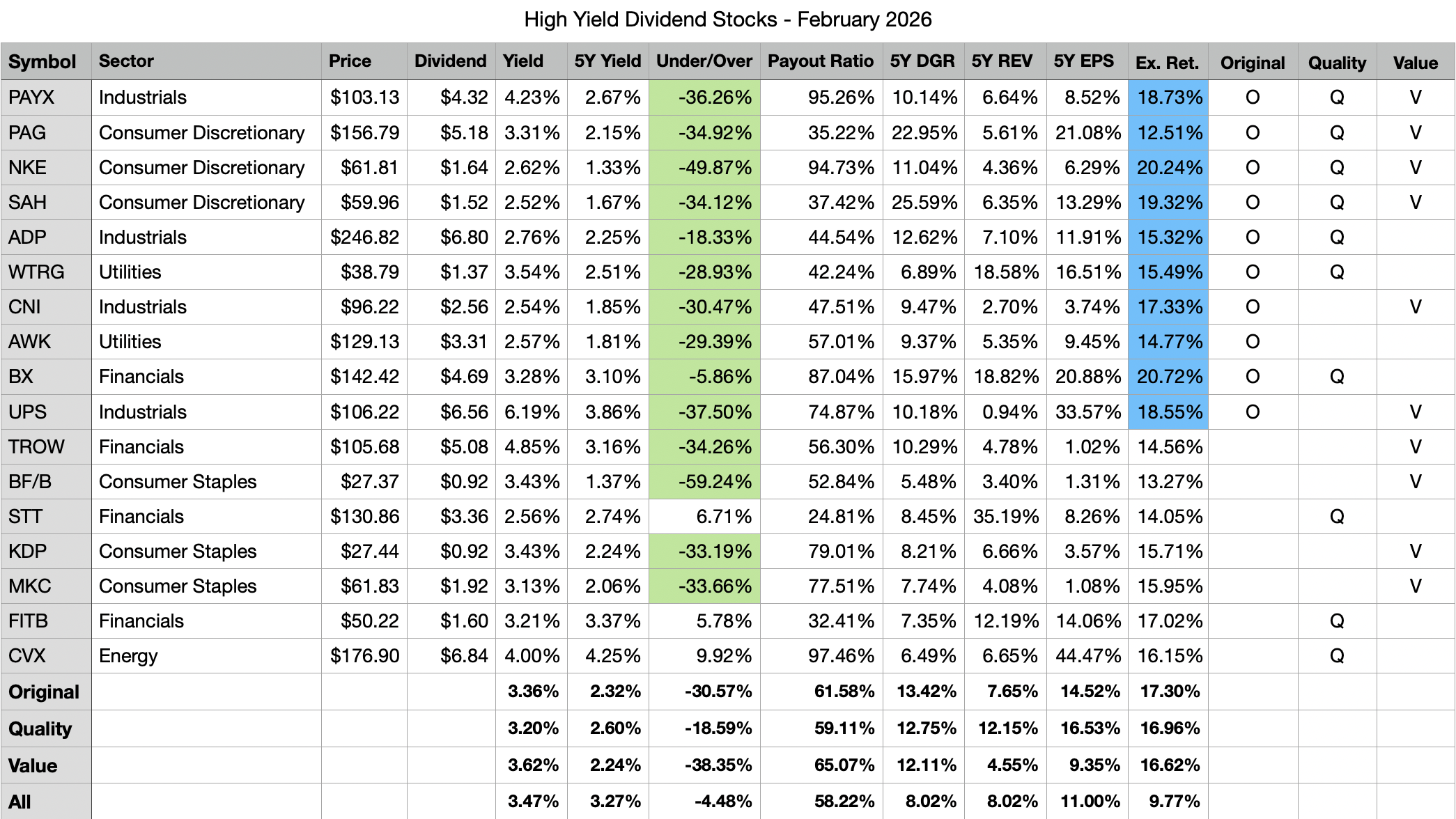
Investing in top dividend-paying stocks within the Dow Jones Industrial Average (DJIA) provides exposure to mature, cash-generating corporations with long-standing histories of returning capital to shareholders through regular cash distributions. These companies typically feature stable business models, competitive market advantages, and resilient balance sheets designed to weather varying macroeconomic cycles.
Navigating the landscape of blue-chip dividend equities requires an understanding of how the Dow Jones Industrial Average operates, how payouts are calculated, and what fundamental metrics distinguish a sustainable income-generating asset from a yield trap. Below is an examination of the mechanics behind the top dividend stocks in the Dow, complete with comparative data, evaluation frameworks, and strategic guidance for income-focused portfolios.
Understanding the Dow Jones Industrial Average and Dividend Weighting
The Dow Jones Industrial Average is a price-weighted index composed of 30 prominent, publicly traded companies listed on stock exchanges in the United States. Unlike market-capitalization-weighted indices such as the S&P 500, the Dow allocates weight based strictly on a company's stock price rather than its total market value.
While this structural nuance means that a high share price exerts more influence on the index's overall movement, it does not alter how individual corporations distribute dividends. A company's dividend payout is determined by its board of directors based on earnings, cash flow requirements, and capital allocation strategies—not by its position or weighting within the Dow.
For dividend investors, the Dow represents a curated pool of blue-chip enterprises. Many of these firms belong to exclusive cohorts, such as Dividend Aristocrats or Dividend Kings, having raised their annual payouts for 25 or more consecutive years. This history of capital discipline makes the Dow a frequent starting point for conservative portfolios seeking dependable cash flow.
Key Metrics for Evaluating Dow Dividend Stocks
Before purchasing income-generating equities, investors must look beyond the headline dividend yield. A high yield can occasionally signal financial distress or a declining stock price rather than corporate strength. Evaluating a dividend stock effectively involves analyzing several interconnected financial indicators.
1. Dividend Yield
Dividend yield expresses the annual dividend payment relative to the current share price, calculated as:
$$\text{Dividend Yield} = \frac{\text{Annual Dividends Per Share}}{\text{Current Share Price}}$$
While an attractive yield enhances immediate cash returns, investors must ensure the underlying business generates sufficient cash to support the payout. Chasing exceptionally high yields without examining fundamentals often exposes portfolios to heightened risk.
2. Payout Ratio
The payout ratio measures the proportion of a company’s earnings paid out as dividends. A sustainable payout ratio generally sits below 60% to 75% for most mature industrial, consumer, and financial corporations, leaving room for reinvestment and economic downturns. Capital-intensive sectors, such as utilities or real estate investment trusts, frequently operate with higher payout ratios due to their depreciation profiles and steady cash flows.
3. Free Cash Flow (FCF) Coverage
Earnings can be influenced by non-cash accounting adjustments, making free cash flow a more reliable gauge of a company's ability to pay dividends. Free cash flow represents the cash generated from operations minus capital expenditures. A robust FCF coverage ratio ensures that dividend payments are funded by actual operational cash rather than debt issuance or asset sales.
4. Dividend Growth Rate
A company's historical and projected dividend growth rate indicates management's confidence in future earnings expansion. Consistent dividend growth helps offset the erosive effects of inflation on purchasing power over long investment horizons.
Overview of Prominent Dividend Payers in the Dow
The Dow Jones Industrial Average houses several industry titans renowned for consistent capital returns. While corporate performances and yields fluctuate with market conditions, certain sectors consistently anchor the index's dividend profile.
Consumer Staples and Defensive Sectors
Defensive sectors feature companies that provide essential goods and services regardless of economic cycles. Corporations in this segment typically boast reliable revenue streams, enabling them to maintain and grow dividends during recessions. Their stable pricing power and entrenched brand loyalty provide a cushion against inflationary pressures.
Financials and Healthcare
Major financial institutions and pharmaceutical giants within the Dow frequently balance share repurchase programs with steady dividend distributions. These firms combine mature operational scale with diversified revenue sources, positioning them to deliver balanced total returns through capital appreciation and income.
Comparative Analysis of Representative Dow Dividend Sectors
To better understand how different components of the Dow contribute to an income portfolio, the following table highlights key structural characteristics across typical dividend-paying sectors within the index.
| Sector Category | Typical Yield Profile | Primary Growth Driver | Risk Considerations |
|---|---|---|---|
| Consumer Staples | Moderate to High | Brand loyalty, inelastic demand | Slower organic growth, input cost inflation |
| Financial Services | Moderate | Interest rate spreads, fee income | Credit cycles, regulatory changes |
| Healthcare & Pharma | Moderate | Aging demographics, R&D pipelines | Patent expirations, regulatory pricing pressure |
| Industrial & Manufacturing | Low to Moderate | Global infrastructure spending, logistics | Cyclical exposure, supply chain volatility |
Strategic Considerations for Income Investors
Constructing a portfolio centered around top dividend stocks in the Dow requires a disciplined approach to asset allocation, risk management, and tax planning.
Diversification Beyond the Dow
Relying solely on the 30 stocks of the Dow Jones Industrial Average creates sector concentration risks. The Dow lacks representation in certain growth-oriented industries and features limited exposure to specific utility or specialized real estate sub-sectors. Investors should view the Dow as a core foundational building block rather than an exclusive universe for all income generation.
Tax Implications of Dividend Income
In taxable brokerage accounts, dividends are categorized as either qualified or unqualified. Qualified dividends benefit from lower long-term capital gains tax rates, provided the investor satisfies holding period requirements—typically owning the stock for more than 60 days during the 121-day period surrounding the ex-dividend date. Holding dividend equities in tax-advantaged accounts, such as traditional or Roth IRAs, offers alternative tax efficiencies depending on investor circumstances.
Monitoring Reinvestment Plans (DRIPs)
For investors in accumulation phases, utilizing Dividend Reinvestment Plans (DRIPs) allows cash distributions to automatically purchase additional shares or fractional shares without incurring transaction fees. Over multi-year horizons, compounding share counts accelerates total portfolio growth.
Frequently Asked Questions
What makes a Dow stock a good choice for dividend income?
Dow stocks are typically large-cap, financially stable enterprises with proven business models, strong balance sheets, and long histories of generating positive free cash flow. These characteristics provide the financial flexibility needed to sustain and grow dividend payments across various economic environments.
Are high dividend yields always better?
No. An unusually high dividend yield can be a warning sign, often referred to as a "yield trap." It frequently occurs when a company's stock price has plummeted due to fundamental business deterioration, making the high yield mathematically misleading and putting the dividend at risk of a future cut.
How often do Dow dividend stocks pay distributions?
Most dividend-paying companies within the Dow distribute cash to shareholders on a quarterly basis, though a small number of global enterprises or specific corporate structures may utilize semi-annual or monthly payment schedules.
Do all companies in the Dow Jones Industrial Average pay dividends?
No. Not every company in the Dow pays a dividend. While the vast majority do, individual corporate boards retain full discretion over capital allocation, choosing to prioritize share buybacks, research and development, or debt reduction over cash distributions when deemed appropriate.
Conclusion and Next Actions
Investing in top dividend stocks in the Dow provides a time-tested strategy for generating reliable cash flow while participating in the equity appreciation of major global corporations. To implement this approach effectively, investors should review their current asset allocation, analyze individual company payout ratios and free cash flow coverage, and maintain diversification beyond the 30 stocks of the index. Consulting a qualified financial professional can help align these strategies with specific long-term financial goals and tax considerations.