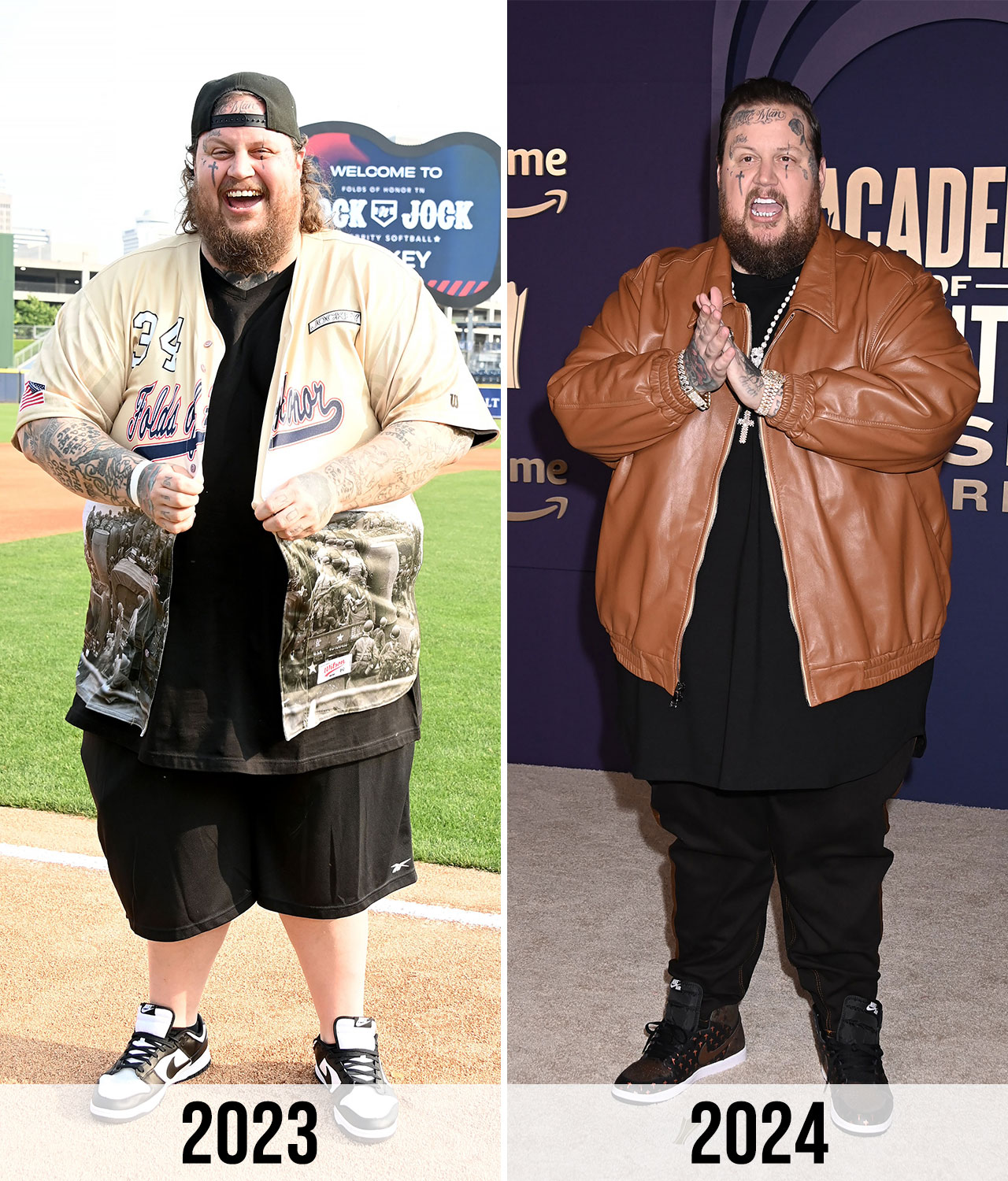
Losing 10 pounds represents a meaningful health milestone that can yield noticeable changes in clothing fit, energy levels, and metabolic health markers, while requiring a sustainable caloric deficit of roughly 35,000 cumulative calories achieved over several weeks or months.
Embarking on a journey to lose 10 pounds is one of the most common health and fitness goals. Whether recommended by a physician for metabolic health or pursued for personal athletic and aesthetic reasons, this milestone marks a significant step toward better wellness. However, navigating the physical transformation, managing expectations, and accurately measuring progress require more than simply stepping on a bathroom scale every morning. Understanding the physiological reality of shedding 10 pounds helps separate marketing myths from biological facts, ensuring that the changes you make are safe, sustainable, and rewarding.
Understanding the Physiology of a 10-Pound Drop
When people talk about a 10-pound weight loss, they often assume it represents pure adipose (fat) tissue. In reality, human physiology is more complex. The composition of initial weight loss varies dramatically based on your starting metabolic state, nutritional intake, and activity levels.
During the first few days of reducing caloric intake or altering carbohydrate consumption, your body primarily burns through stored glycogen—the carbohydrate reserves stored in your liver and skeletal muscles. Because each gram of glycogen is stored with roughly three to four grams of water, early weight loss is largely water weight. This explains why people often see a rapid drop of two to four pounds in the first week, followed by a sudden plateau.
[Initial Phase: Glycogen Depletion] ---> [Water Loss] ---> [True Fat Loss Phase]
True fat loss begins once glycogen stores stabilize and your body consistently draws on stored triglycerides for energy. To lose 10 pounds of actual fat, you must create a cumulative energy deficit. Because one pound of body fat is roughly equivalent to 3,500 calories, a 10-pound deficit requires burning approximately 35,000 more calories than you consume over the course of your program.
What to Expect: Before and After Realities
The transformation accompanying a 10-pound weight loss manifests differently for everyone. Genetics, bone structure, height, and baseline body fat percentage dictate where your body loses fat first and how visible the change will be.
Visual and Physical Changes
- Clothing Fit: A 10-pound reduction is often enough to drop one pant size or notice that fitted shirts feel noticeably looser around the waist, chest, and shoulders.
- Joint Relief: For every single pound of weight lost, there is a fourfold reduction in the load exerted on the knees. Dropping 10 pounds removes 40 pounds of cumulative pressure per step from your lower body joints, which can significantly decrease joint discomfort during daily activities.
- Energy and Sleep: As blood glucose regulation improves and systemic inflammation decreases, many individuals report deeper sleep cycles and sustained afternoon energy levels.
- Metabolic Shifts: Modest weight loss can improve insulin sensitivity, lower resting heart rates, and positively influence blood lipid profiles, particularly triglycerides.
The Paper Towel Effect
A helpful concept for visualizing weight loss is the "paper towel effect." When you pull sheets off a fresh roll of paper towels, the diameter decreases very little with the first few sheets. However, as the roll gets smaller, removing the exact same number of sheets creates a visibly larger change in circumference.
Similarly, losing 10 pounds on someone with a higher body fat percentage might result in subtle overall thinning, whereas losing the final 10 pounds on someone who is already lean will produce dramatic muscular definition and vascularity.
Methods for Tracking Progress Accurately
Relying solely on a digital bathroom scale can lead to frustration and misinterpretation. Daily weight fluctuations of two to five pounds are completely normal and are driven by water retention, sodium intake, hormonal shifts, and digestive contents. To get an accurate picture of your 10-pound journey, employ a multi-metric tracking strategy.
| Tracking Method | What It Measures | Best Practice for Accuracy | Limitations |
|---|---|---|---|
| Digital Scale | Total body mass (fat, bone, water, muscle) | Weigh yourself first thing in the morning after using the bathroom, nude, 3 times a week, and take the weekly average. | Does not distinguish between fat loss and water or muscle loss; heavily influenced by daily water shifts. |
| Body Tape Measure | Circumference of waist, hips, chest, and limbs | Use a non-stretch vinyl tape, pull it snug without compressing the skin, and measure at the exact same time of day once a week. | Prone to human error if tape placement varies between sessions. |
| Progress Photos | Visual distribution of body composition | Take photos in consistent lighting, wearing minimal clothing, from the front, side, and back every 2 to 4 weeks. | Can be visually deceptive due to posture, lighting, and camera angles. |
| Clothing Fit | Practical physical volume | Use a specific non-stretch pair of pants or a fitted shirt as a milestone garment every two weeks. | Subjective; fabric stretches over time. |
Designing a Sustainable Blueprint for Loss
Achieving a 10-pound weight loss in a healthy manner requires a focus on nutritional quality, caloric moderation, and physical activity rather than aggressive, crash dieting. Rapid weight loss often results in the breakdown of metabolically active skeletal muscle tissue rather than fat, which lowers your total daily energy expenditure and sets the stage for weight regain.
Nutrition Fundamentals
- Protein Intake: Consuming adequate protein (roughly 0.8 to 1.0 grams per pound of target body weight) preserves lean muscle mass during a caloric deficit and increases the thermic effect of food.
- Fiber and Volume: Emphasizing nutrient-dense, high-fiber foods like vegetables, legumes, and whole fruits promotes satiety, helping you manage hunger while eating fewer total calories.
- Hydration: Proper water intake supports metabolic function, aids digestion, and frequently prevents confusing thirst signals with hunger cues.
Movement and Exercise
While nutrition drives weight loss, exercise dictates body composition. Incorporating strength training two to three times a week signals your body to retain muscle tissue while shedding fat. Cardiovascular activity—ranging from daily brisk walking to structured running or cycling—enhances your total caloric expenditure and supports cardiovascular health.
Common Pitfalls and Troubleshooting
Even with clear intentions, weight loss journeys encounter obstacles. Recognizing these hurdles helps you troubleshoot effectively without abandoning your goals.
- The Scale Plateau: If your weight remains static for two to three weeks despite maintaining a deficit, evaluate whether you are underestimating calorie intake or holding water due to increased exercise-induced muscle inflammation.
- Overestimating Calorie Burn: Fitness trackers and exercise machines frequently overestimate the number of calories burned during physical activity by 20% to 50%, leading to accidental overeating.
- Burnout from Restriction: Eliminating entire food groups or slashing calories too aggressively often leads to binge eating episodes. Aim for a moderate, manageable deficit of 300 to 500 calories below maintenance.
Conclusion and Next Steps
Losing 10 pounds is an achievable, highly beneficial fitness milestone when approached with patience, consistency, and accurate tracking methods. Rather than fixating on a rapid timeline, focus on building sustainable habits regarding nutrition, movement, and recovery. Begin by establishing your baseline metrics—such as weekly scale averages and tape measurements—and commit to small, progressive adjustments in your daily routine. By monitoring the right indicators and prioritizing long-term health over short-term numbers, you can achieve your goal and maintain the results for years to come.