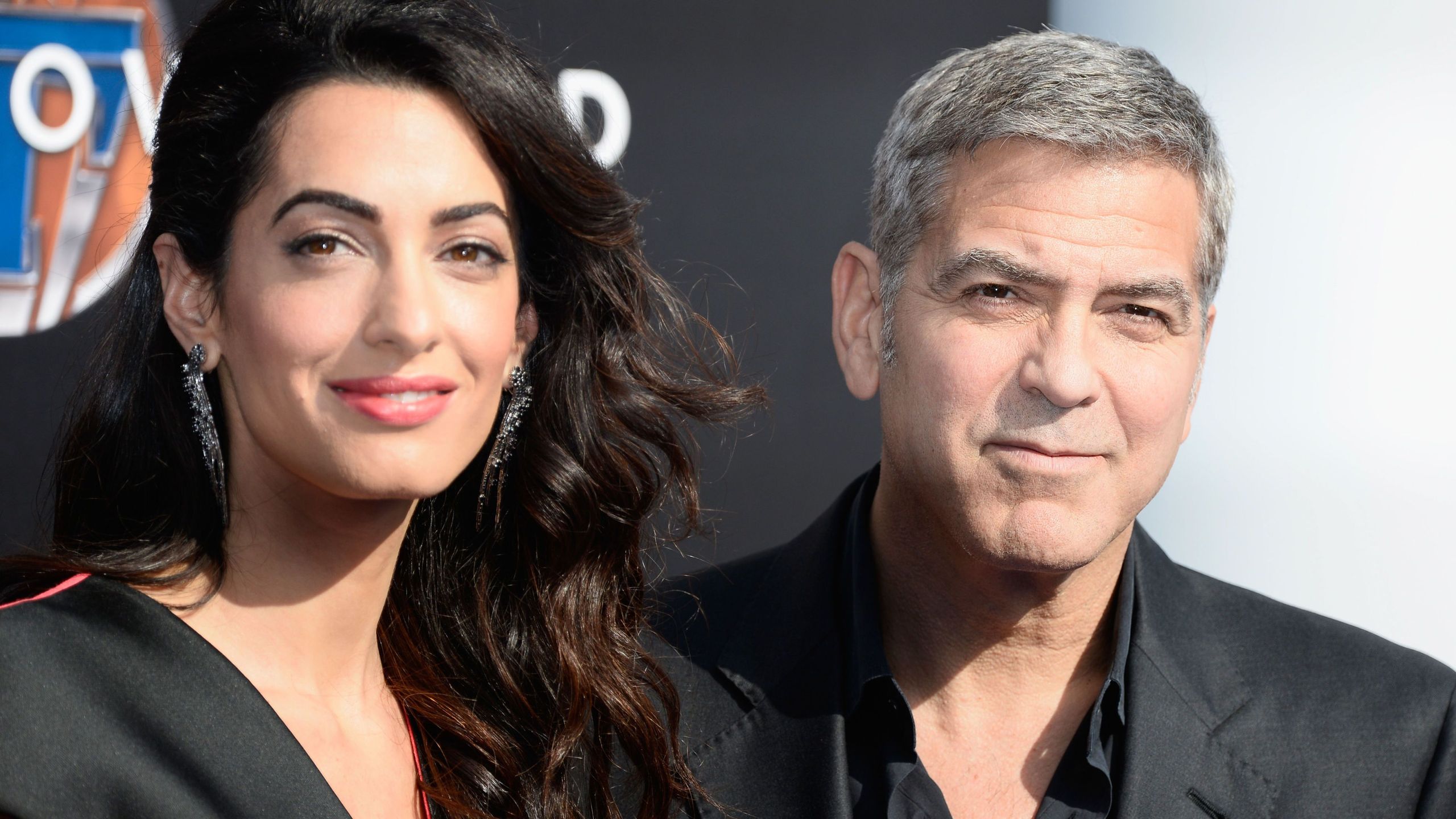
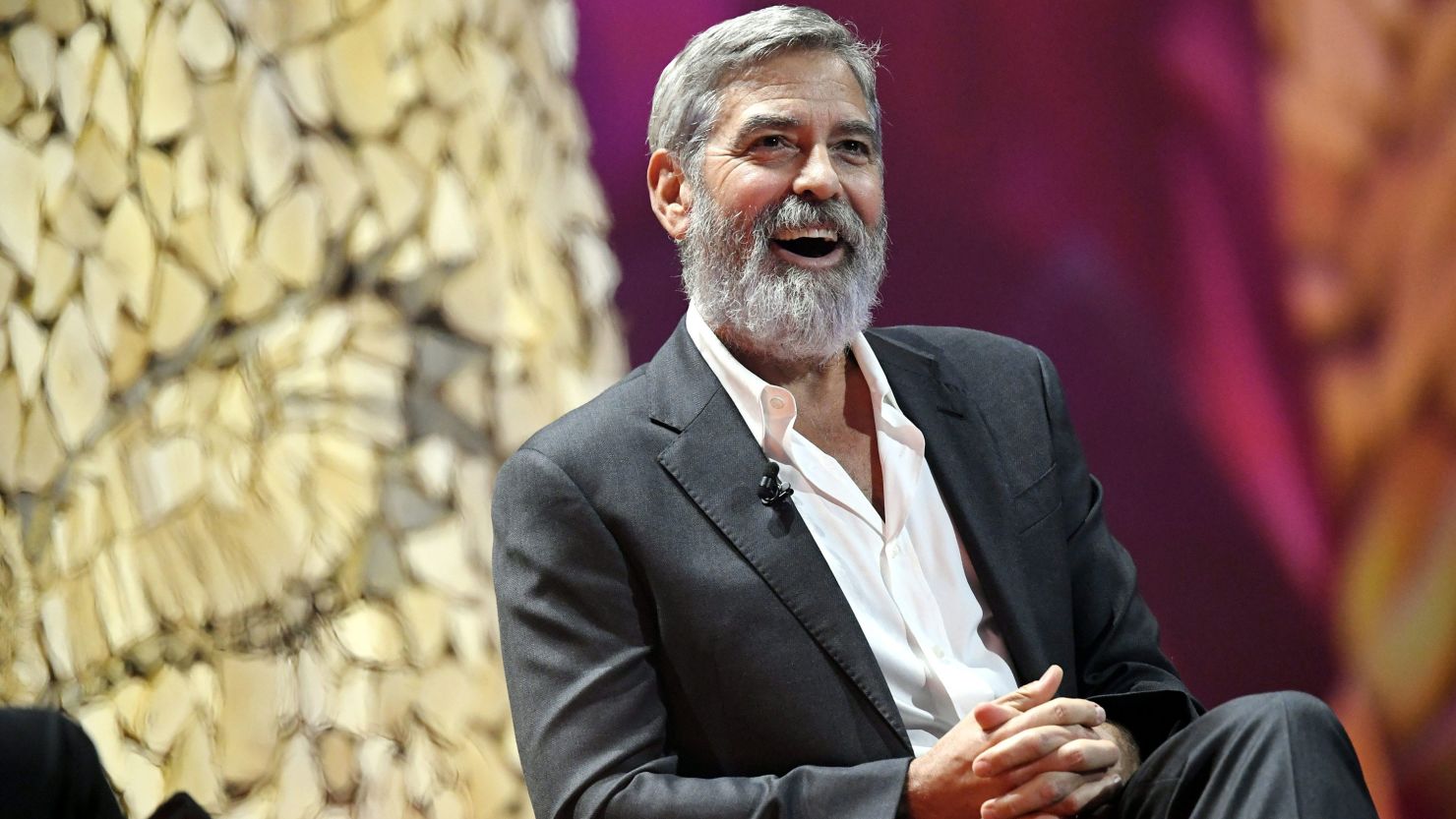
In 2013, George Clooney gave $1 million in cash to each of his 14 closest friends, a group known as "The Boys." He facilitated the gift by transporting $14 million in a florist van to a secret location, ensuring all gift taxes were pre-paid so his friends received the full amount.
The story of George Clooney’s million-dollar gift is more than just a tabloid headline; it is a case study in loyalty, windfall management, and the logistics of ultra-high-net-worth gifting. While rumors of the event circulated for years, it wasn't until 2017 that Rande Gerber, one of the recipients, confirmed the story, and 2020 when Clooney himself detailed the motivations behind it. As we look back from 2026, the gesture remains the gold standard for celebrity gratitude and provides a fascinating glimpse into the private world of Hollywood’s elite.
The Origin of the Gesture: Why Clooney Decided to Give
To understand why a Hollywood A-lister would hand out $14 million in cash, one must look at George Clooney’s life in 2013. At the time, Clooney was 52 years old, unmarried, and had just completed work on the film Gravity. Unlike most of his previous projects, Gravity turned out to be an unexpected financial juggernaut. Clooney had negotiated a "backend" deal, meaning he received a percentage of the film's box office revenue rather than a flat upfront salary. When the film grossed over $700 million globally, Clooney found himself with a massive, unplanned influx of liquidity.
Clooney’s motivation was rooted in a deep sense of historical gratitude. Before he was the face of global cinema, Clooney was a struggling actor in Los Angeles who relied heavily on his circle of friends. Many of "The Boys" had let him sleep on their couches, lent him money when he was broke, and provided the emotional support necessary to navigate a notoriously difficult industry. Clooney realized that without these 14 individuals, he likely wouldn't have achieved his level of success.
In his own words, Clooney reflected on the fact that he had no family of his own at that moment—no wife or children to inherit his estate or share in the immediate windfall. He decided that instead of waiting for a will to be executed decades later, he would share his fortune while he and his friends were still young enough to enjoy it.
The Logistics: Moving $14 Million in a Florist Van
The physical act of transferring $14 million in cash is a significant security and logistical challenge. Clooney could not simply write 14 checks; he wanted the impact of the physical cash to underscore the reality of the gift. To accomplish this, he had to coordinate with a high-security warehouse in Los Angeles that handled large volumes of physical currency.
According to Clooney’s account in GQ, he rented an old, nondescript florist van—the kind of vehicle that would never be suspected of carrying a fortune. He drove the van to the warehouse, where security personnel loaded $14 million into 14 matching Tumi suitcases. Each suitcase was packed with $1 million in $20 bills (though some accounts suggest $100 bills for space efficiency, Clooney has joked about the sheer volume of the physical paper).
After securing the cash, Clooney invited "The Boys" to his home for dinner on September 27, 2013. He sat them down and gave a speech about how much they meant to him, then presented each of them with a suitcase. The shock was universal, particularly since the group included people from various financial backgrounds—some were wealthy like Rande Gerber, while others were working-class individuals struggling to keep their families afloat.
The Financial Specifics: Taxes and the "Net-Zero" Strategy
One of the most technically impressive aspects of Clooney’s gift was his handling of the Internal Revenue Service (IRS) implications. In the United States, gifts of this magnitude are subject to the Federal Gift Tax. Typically, if a person receives a gift over a certain threshold, the donor (Clooney) is responsible for reporting it and paying taxes on it if they have exceeded their lifetime gift tax exemption.
Clooney did not want his friends to receive a $1 million gift only to lose 35-40% of it to the government. To prevent this, he structured the gift so that he paid the taxes on behalf of his friends. This meant that the total cost to Clooney was significantly higher than $14 million; it likely approached $20 million or more when accounting for the grossed-up tax payments.
Comparison of Gifting Structures
The following table illustrates the difference between a standard high-value gift and the "Net-Zero" approach Clooney utilized in 2013, adjusted for general tax principles relevant to high-net-worth individuals.
| Feature | Standard High-Value Gift | Clooney’s "The Boys" Gift |
|---|---|---|
| Primary Mechanism | Personal Check or Wire | Physical Cash (Tumi Suitcases) |
| Recipient Tax Liability | Generally none (Donor pays) | None |
| Donor Tax Strategy | Uses lifetime exemption | Pre-paid/Grossed-up payment |
| Effective Value | Gross amount minus future tax | Full $1,000,000 liquidity |
| Anonymity | Bank-reported | Private (until 2017 disclosure) |
| Logistical Complexity | Low | High (Security/Transport) |
By covering the taxes, Clooney ensured that the person in the group who was working at an airport bar or struggling with a mortgage could keep every cent. This detail is often overlooked but highlights the meticulous planning involved in the gesture.
Who Are "The Boys"?
While the full list of the 14 friends has never been officially published in its entirety to protect their privacy, several key members of the circle are well-known. These are men who have been in Clooney’s life for decades, long before the Ocean's Eleven era.
- Rande Gerber: A former model and highly successful nightlife entrepreneur. Gerber is perhaps Clooney’s closest friend and was his partner in the Casamigos Tequila brand. Gerber famously tried to refuse the money because he was already wealthy, but Clooney stated that if one person didn't take it, nobody got it. Gerber eventually accepted and donated his million to charity.
- Mike Meldman: A real estate tycoon and the third partner in the Casamigos venture. Like Gerber, Meldman was already a man of significant means, but he was part of the foundational "inner circle" that Clooney felt deserved the recognition.
- Grant Heslov: Clooney’s long-time producing partner and co-founder of Smokehouse Pictures. Their professional and personal relationship dates back to the mid-1980s.
- Tommy Hinkley: An actor and long-time friend who appeared in several early projects with Clooney.
The remaining members of the group include childhood friends from Kentucky and early acquaintances from his "struggling actor" days in Los Angeles. For some of these men, the $1 million was life-changing, allowing them to pay off homes, fund their children's education, and retire from grueling jobs.
The Casamigos Connection and Long-term Wealth
It is a common misconception that the $14 million gift came from the sale of Casamigos Tequila. In reality, the gift occurred in 2013, several years before the tequila company was sold to Diageo.
The timeline is important for understanding Clooney’s financial trajectory:
- 2013: Clooney gives $14 million to friends.
- 2013: Gravity is released and becomes a massive hit.
- 2017: Casamigos is sold for $700 million upfront, with an additional $300 million possible based on performance.
The fact that Clooney gave away such a significant portion of his liquid net worth before the billion-dollar tequila deal adds another layer to the story. It wasn't a "spare change" gesture from a billionaire; it was a substantial portion of his available cash at the time, given from a place of genuine desire to see his friends thrive.
Legal and Ethical Considerations of Private Gifting
While George Clooney’s gift was a private matter between friends, it raises several interesting points regarding the legalities of large-scale gifting. In 2026, tax laws regarding high-net-worth individuals remain a point of significant scrutiny.
- Reporting Requirements: Any gift over the annual exclusion ($18,000 in 2024, adjusted for inflation in subsequent years) must be reported to the IRS on Form 709. Even if no tax is due because of the lifetime exemption, the reporting is mandatory.
- Anti-Money Laundering (AML) Laws: Withdrawing $14 million in cash and transporting it requires significant coordination with banking institutions. Under the Bank Secrecy Act, banks must file Currency Transaction Reports (CTRs) for any cash transaction over $10,000. Clooney’s team would have had to provide extensive documentation to prove the funds were legally obtained and the taxes were being handled appropriately.
- The "Gerber Refusal": When Rande Gerber attempted to refuse the gift, he highlighted a social complexity of high-value gifting: the power dynamic. By forcing the "all or nothing" rule, Clooney effectively used social pressure to ensure his wealthier friends didn't inadvertently prevent his less-wealthy friends from receiving the life-altering sum.
Frequently Asked Questions
Did George Clooney really give $1 million to 14 friends?
Yes. The event took place in September 2013. It was first revealed to the public by Rande Gerber during an interview on MSNBC's Headliners in 2017. George Clooney later confirmed the details, including the use of the florist van and the Tumi suitcases, in a 2020 interview with GQ.
Did the friends have to pay taxes on the $1 million?
No. George Clooney paid the gift taxes on behalf of his friends. In the U.S., the donor is typically responsible for the gift tax. Clooney "grossed up" the gift, meaning he paid the government the required tax percentage so that the physical $1 million in each suitcase was the net amount for the recipients.
How did George Clooney get that much cash?
Clooney utilized a high-security currency warehouse in Los Angeles. He had to coordinate with his business managers and bankers to arrange for the physical withdrawal of $14 million. Because he had recently received a large payout from his backend deal on the movie Gravity, he had the necessary liquidity.
Who were the 14 friends?
The group, known as "The Boys," included Rande Gerber, Mike Meldman, Grant Heslov, and Tommy Hinkley. The other members were a mix of childhood friends and fellow actors/struggling artists from Clooney's early years in Hollywood. Most have kept their identities private.
What did the friends do with the money?
While individual uses vary, Rande Gerber famously donated his $1 million to charity since he was already a multimillionaire. Other members of the group used the funds to pay off mortgages, settle debts, and provide for their families' futures.
Practical Recommendation: Lessons in Generosity and Planning
For those looking to emulate George Clooney’s generosity—even on a smaller scale—the primary takeaway is the importance of structured gifting. Whether you are giving $1,000 or $1,000,000, understanding the tax implications is vital to ensure the recipient actually benefits from the full value of your intent.
If you are considering a significant gift to friends or family:
- Consult a Tax Professional: Ensure you understand the current year's annual exclusion and your remaining lifetime gift tax exemption.
- Consider the "Net" Impact: If you want someone to receive a specific amount, calculate the taxes beforehand and cover them if your jurisdiction allows.
- Document the Intent: Especially with family, clear documentation can prevent future disputes or legal challenges regarding the nature of the transfer (gift vs. loan).
George Clooney’s $14 million gift remains a legendary piece of Hollywood lore because it represents a rare moment where extreme wealth was used to honor human connection rather than just acquire assets. In 2026, as wealth gaps continue to be a topic of global conversation, Clooney’s "The Boys" story stands as a testament to the power of remembering where you came from.