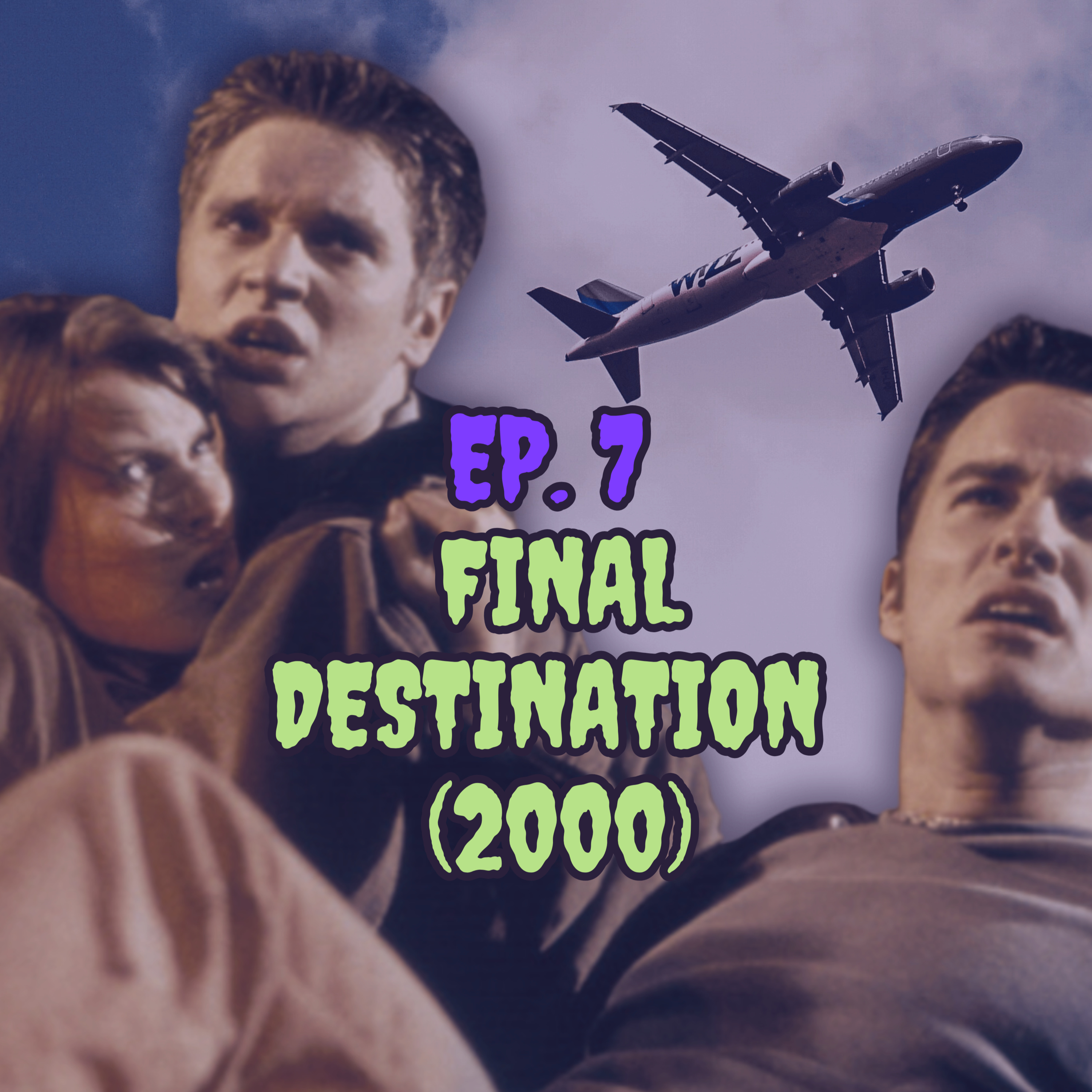
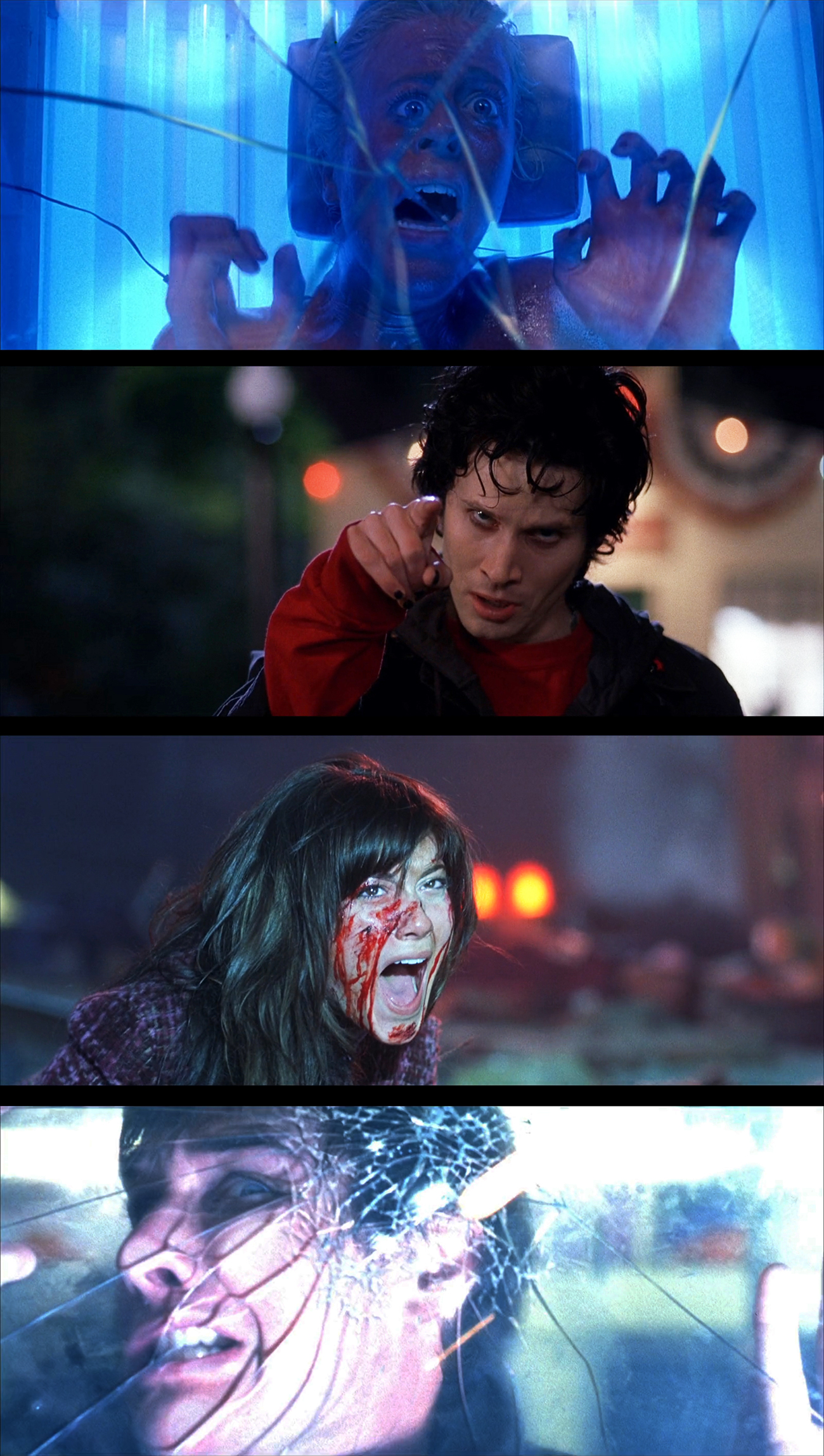
The 2000 film Final Destination follows Alex Browning, a teenager who experiences a premonition of a catastrophic plane explosion while boarding Flight 180. After causing a commotion and getting kicked off the plane, he and six others watch as the aircraft explodes mid-air. However, the survivors soon realize that death has a design, and they have cheated their fate, leading to a series of elaborate, fatal accidents as the "Grim Reaper" systematically reclaims those who were meant to die.
The Genesis of the Franchise: Exploring the Premise of Flight 180
Final Destination introduced a unique concept to the slasher-horror subgenre. Instead of a masked killer pursuing victims through physical force, the antagonist is an invisible, inexorable force: Death itself. The narrative structure relies on the "cheat death" trope, which dictates that if an individual escapes their ordained demise, the natural order must eventually correct itself.
The story begins with Alex Browning, a high school senior on a class trip to Paris. As the plane prepares for takeoff, Alex experiences a vivid, visceral vision of the cabin losing pressure, the plane disintegrating in the atmosphere, and the eventual death of every passenger on board. Panic-stricken, Alex creates a disturbance, leading to his removal from the flight, along with a group of other students and a teacher who intervened.
The explosion of Volée Airlines Flight 180 confirms Alex’s premonition. While the survivors are initially relieved to have escaped the tragedy, their survival triggers a disruption in the design. The film explores the psychological toll of this event, as the survivors grapple with survivor's guilt, the scrutiny of the FBI, and the mounting suspicion that their escape was not a stroke of luck, but a catalyst for a far more sinister chain of events.
The Design of Death: How the Victims Fall
The central mechanic of the Final Destination series, established in this first installment, is the sequence of deaths. The victims are killed in the order they were originally intended to perish on the flight. This creates a ticking-clock tension that drives the plot. The deaths are characterized by Rube Goldberg-esque chains of events—seemingly mundane objects and environmental factors coalesce into a fatal accident.
The first to die is Tod Waggner, who perishes in his bathroom due to a freak strangulation involving a clothesline and a slick floor. Following him is Terry Chaney, who is struck by a bus in a high-impact, sudden accident. These deaths serve to educate both the audience and the remaining characters that their survival was merely a temporary reprieve.
Alex and his classmate Clear Rivers begin to uncover the pattern. They realize that by disrupting the design, they have moved to the front of the line. The tension builds as they attempt to decipher "clues" left by Death, often manifested through environmental shifts, foreshadowing, or subtle changes in light and sound. The brilliance of the film’s writing lies in its ability to turn everyday domesticity into a source of immense dread.
Key Characters and Their Roles in the Survival Narrative
To understand the trajectory of the plot, one must look at the dynamics between the survivors. Each character represents a different reaction to the trauma of Flight 180.
- Alex Browning: The protagonist who holds the "sight." His burden is the most significant, as he feels responsible for the deaths of his peers and is the most active in trying to interpret the rules of the design.
- Clear Rivers: The intellectual survivor who becomes Alex’s partner. She is the first to accept the supernatural nature of their plight and provides the grounding necessary to investigate the cause of their misfortune.
- Carter Horton: The antagonist within the group. His aggressive defiance of the situation and his refusal to acknowledge the rules lead to friction among the survivors. His arc represents the futility of fighting fate through anger and denial.
- Billy Hitchcock: A secondary survivor whose death illustrates the randomness and speed with which the design can catch up to its targets.
The interactions between these characters highlight the breakdown of social order when facing an unavoidable, invisible threat. The skepticism of the adults—specifically the FBI agents who view Alex as a prime suspect in the plane's destruction—adds a layer of social isolation to the supernatural horror.
The Philosophical Implications of the Death Design
Beyond the visceral thrills and imaginative death scenes, Final Destination touches upon deterministic philosophy. The film asks: Is life a pre-written script, or can human agency alter the outcome? By providing the characters with the ability to "see" or "predict" death, the film initially offers the illusion of agency. However, the recurring theme throughout the plot is the futility of that agency.
The film posits that Death is not merely a cessation of biological function, but a conscious, calculating architect. This anthropomorphization of Death forces the characters into a game of wits. Every time a survivor believes they have "outsmarted" the design, the sequence of events resets, often with a more complex and improbable series of accidents. This creates a sense of nihilism that permeates the final act, leading the audience to question if survival is even possible in the long term.
Comparative Overview of Survival Mechanics
The following table outlines how the survivors navigate the threat throughout the film, categorized by their understanding and response to the design of Death.
| Character | Response to Premonition | Survival Strategy | Outcome |
|---|---|---|---|
| Alex Browning | Analytical | Decoding omens and signs | Survives past original sequence |
| Clear Rivers | Empathetic/Open | Accepting the supernatural | Survives past original sequence |
| Carter Horton | Denying/Combative | Defying fate through action | Survives the initial cycle |
| Tod Waggner | Fearful | Avoidance of reality | Fatal |
| Terry Chaney | Shocked | Attempting to return to normal | Fatal |
| Billy Hitchcock | Passive | Reliance on the group | Fatal |
Technical Depth: The Cinematography of Accidents
The production of Final Destination utilized a specific visual language to signal the arrival of death. Director James Wong and his team employed distinct color palettes and camera movements to build tension. The "POV of Death"—a signature tracking shot that sweeps through environments—became a hallmark of the franchise.
The technical execution of the death sequences required a blend of practical effects and early 2000s-era digital compositing. The goal was to make the sequence of events feel grounded in physical reality, even if the probability of the accident was near zero. By focusing on the physics of the environment—the weight of a falling object, the conductivity of water, or the tension in a wire—the film maintains a grounded aesthetic that makes the supernatural premise more believable.
Frequently Asked Questions
Did Alex Browning survive the events of the first film?
Alex survives the immediate events of the first film, as he manages to step in to save Clear from a fatal accident. However, his long-term fate is mentioned in the sequel, where it is revealed that he was killed by a falling brick, a consequence of the design catching up to him.
What is the significance of the "Flight 180" number?
The number 180 represents a rotation, symbolizing a reversal of fortune or a return to the start. It is a recurring numerical motif throughout the entire franchise, often appearing in background details as a subtle hint that Death is present and watching.
Is the "design" of Death explained through science or religion?
The film intentionally avoids a strict definition. While the characters attempt to use logic and investigative methods to understand the rules, the film leans into a blend of fatalism and the supernatural. It suggests that there are patterns in life that exceed human understanding, rather than adhering to a specific theological or scientific framework.
How does the film treat the concept of coincidence?
The entire plot is a critique of the concept of coincidence. By showing how minor, unrelated events (a leaky pipe, a spilled drink, a breeze) combine to form a death trap, the film suggests that in this universe, "coincidence" is simply the mask that Death wears when orchestrating its plan.
Can the design of Death be cheated permanently?
The evidence provided within the film suggests that cheating death is a temporary state of suspension. While characters can delay their demise by recognizing the patterns, the design is depicted as an all-encompassing force that views the individual as an account that must be balanced.
Conclusion and Next Steps
The original Final Destination stands as a pivotal piece of horror cinema because it shifted the focus of the genre from the physical predator to the inevitability of the environment itself. Understanding the plot requires recognizing that the characters are not fighting a villain, but rather the structural laws of their own reality.
For those interested in exploring the franchise further, the next logical step is to analyze the shift in the "rules" between the first film and its sequels. Later entries introduced the concept of "new life" as a potential loophole to the design, a shift that expands upon the philosophical questions introduced in the 2000 original. If you are reviewing the series for thematic depth, look for the subtle shifts in how the "sight" is used by different protagonists across the various timelines, as this reveals the evolving nature of the franchise’s internal logic.