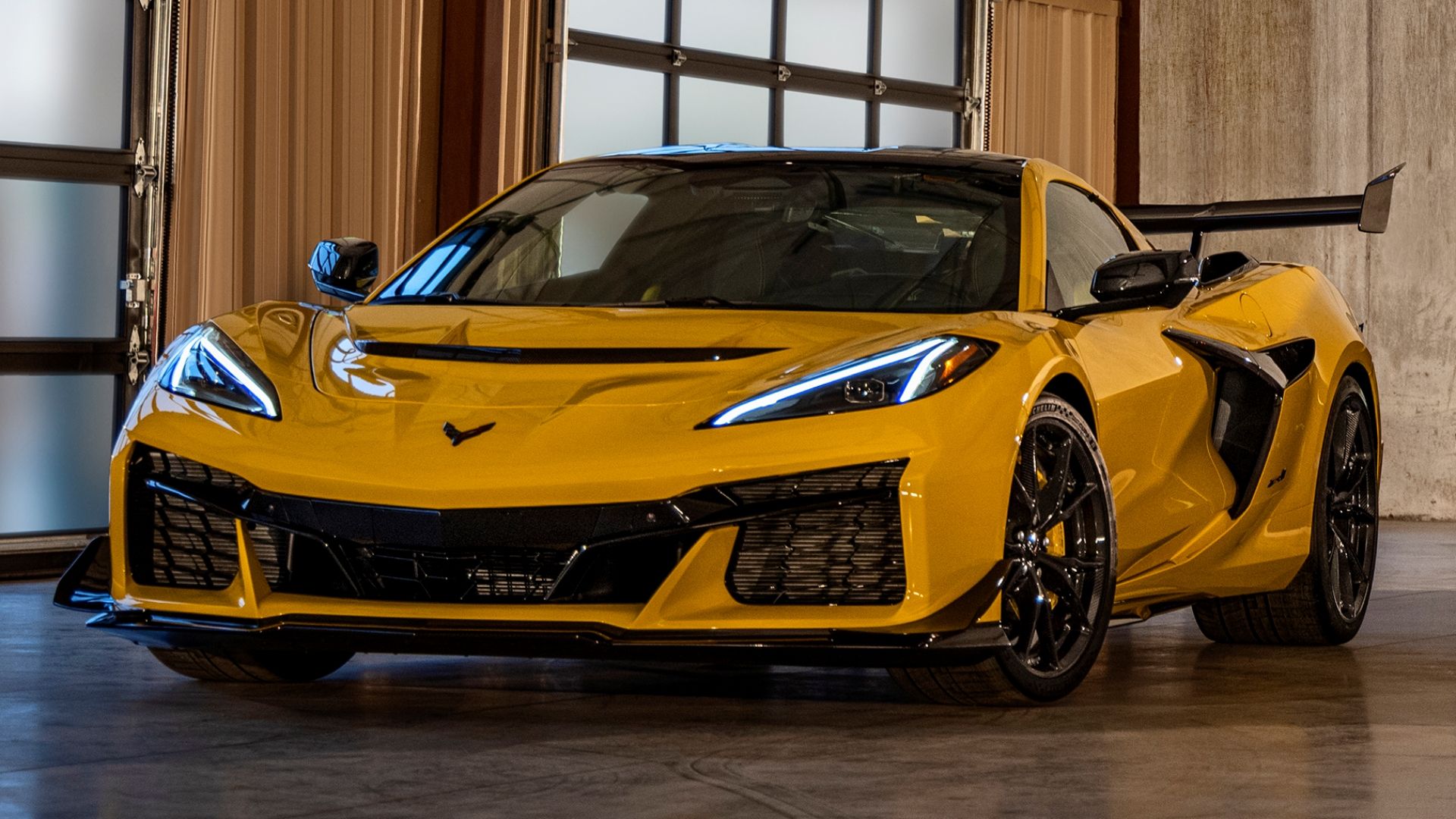
The fastest production cars in 2024 defined the upper limits of automotive engineering, with elite hypercars like the Rimac Nevera and the Bugatti Chiron Super Sport clocking quarter-mile times in the sub-9-second range. These record-breaking performances rely on advanced electric powertrains, extreme aerodynamic optimization, and sophisticated all-wheel-drive systems designed to manage massive torque output from a standstill.
Understanding the 1/4 Mile Performance Metric
The quarter-mile drag strip measurement is the industry standard for evaluating a vehicle’s standing-start acceleration, traction management, and power-to-weight efficiency. Unlike 0-60 mph times, which primarily test initial launch capability, the quarter-mile requires a car to maintain peak performance for over 1,320 feet. By 2024, the threshold for "fastest" shifted significantly toward electric vehicles (EVs), which offer instant torque delivery that internal combustion engine (ICE) vehicles struggle to match without complex launch control systems and multi-speed transmissions.
For a production vehicle to achieve a sub-9-second quarter-mile time, it must overcome the physical limitations of friction and tire grip. Manufacturers achieve this by utilizing specialized compounds, such as the Michelin Pilot Sport Cup 2 R, and chassis designs that shift weight onto the rear axle (or distribute it evenly in AWD configurations) to prevent wheel spin.
Leading Performers of 2024
In 2024, the landscape of production car speed was dominated by two primary schools of thought: the high-output electrified hypercar and the traditional, massive-displacement quad-turbocharged combustion engine.
1. Rimac Nevera
The Rimac Nevera stands as one of the most significant performers in the 2024 catalog. Utilizing four independent electric motors, it generates approximately 1,914 horsepower. Its ability to achieve a verified quarter-mile time of approximately 8.25 seconds remains the benchmark for modern hypercars. The key to this performance is the software-driven "Rimac All-Wheel Torque Vectoring" system, which makes thousands of adjustments per second to ensure that every joule of energy from the 120 kWh battery pack is translated into forward momentum rather than tire scrub.
2. Bugatti Chiron Super Sport
Representing the pinnacle of combustion engineering, the Bugatti Chiron Super Sport remains a dominant force. While it requires more runway to reach its terminal velocity than a high-torque electric car, its ability to put down power at mid-to-high speeds is unmatched. In 2024, it consistently delivered quarter-mile times in the low 9-second range. Its 8.0-liter, quad-turbocharged W16 engine produces 1,600 horsepower, managed by a seven-speed dual-clutch transmission that shifts with surgical precision.
Comparative Data: Production Car Acceleration
The following table highlights the performance tiers of top-tier production vehicles as documented throughout 2024. Times are based on manufacturer-verified records and independent testing under optimal drag strip conditions.
| Vehicle Model | Powertrain Type | Quarter-Mile Time | Horsepower |
|---|---|---|---|
| Rimac Nevera | Electric (4-Motor) | 8.25s | 1,914 hp |
| Bugatti Chiron Super Sport | Quad-Turbo W16 | 9.1s | 1,600 hp |
| Pininfarina Battista | Electric (4-Motor) | 8.55s | 1,900 hp |
| Tesla Model S Plaid | Tri-Motor Electric | 9.23s | 1,020 hp |
| Lucid Air Sapphire | Tri-Motor Electric | 9.10s | 1,234 hp |
Technical Prerequisites for Record-Breaking Times
Achieving the times listed above is not merely a matter of pressing the accelerator. In 2024, these manufacturers and professional drivers adhered to strict operational requirements to ensure consistency and safety.
- Tire Temperature and Pressure: Performance tires operate within a narrow thermal window. Before a run, tires must be "scrubbed" or heated to ensure the rubber compound is tacky enough to bite the asphalt.
- Surface Preparation: A standard street surface is rarely capable of supporting the launch forces of a 1,900-horsepower hypercar. These records are consistently performed on "prepped" tracks treated with VHT (a traction-enhancing resin).
- State of Charge (SoC): For electric vehicles like the Nevera or the Model S Plaid, battery SoC is critical. These vehicles are designed to dump massive amounts of current, and anything less than a 90% charge can result in a measurable drop in output, often leading to a slower quarter-mile sprint.
The Role of Aerodynamics and Traction Control
At the speeds reached by these vehicles (often exceeding 150 mph by the end of the quarter mile), aerodynamics play a role almost as significant as engine power. Downforce is necessary to keep the car stable, but excessive drag can act as an anchor.
Modern hypercars utilize "active aero" systems. In 2024, these systems were seen adjusting spoilers and air intakes in real-time. During the launch phase of a quarter-mile run, the car might maximize downforce to ensure traction. As the vehicle nears the 1,000-foot mark, the aero profile may flatten out to reduce the coefficient of drag, allowing the car to cut through the air more efficiently for the final push to the finish line.
Common Misconceptions Regarding 1/4 Mile Times
Many enthusiasts confuse "fastest" with "highest top speed." While the Bugatti Chiron Super Sport has a higher top speed than the Tesla Model S Plaid, the Plaid’s ability to accelerate from a dead stop makes it a formidable opponent on a drag strip. It is important to distinguish between acceleration (the force that propels a car over a quarter-mile) and velocity (the maximum speed a car can maintain).
Furthermore, "production car" definitions are often debated. For the records listed here, the criteria include cars that are street-legal, have an interior, and are manufactured in a series (at least a limited production run) rather than one-off custom builds. Modifications such as racing slicks or removed interior components disqualify a vehicle from the "production" category.
FAQ: Quarter-Mile Performance
Q: Can any car with high horsepower achieve these quarter-mile times? A: No. High horsepower is useless without effective traction. Many high-horsepower vehicles suffer from wheel spin, which ruins quarter-mile times. AWD and advanced traction control systems are necessary to manage the power effectively.
Q: Why do electric cars dominate the start of the race? A: Electric motors produce 100% of their torque at zero RPM. Combustion engines must climb through their power band, often requiring the engine to reach a certain RPM to hit peak torque.
Q: Does weather affect 1/4 mile times? A: Yes. Lower temperatures and higher air density provide more oxygen to engines (improving power) and allow for better cooling of batteries (improving efficiency). High humidity and heat generally result in slower times.
Q: What is "trap speed" and why does it matter? A: Trap speed is the speed of the vehicle at the exact moment it crosses the finish line. While the time determines the winner, the trap speed indicates the sheer power and aerodynamic efficiency of the vehicle at the end of the run.
Q: Are these times achievable on a regular public road? A: No. These times are recorded on prepped surfaces by professional drivers. Attempting to replicate these launches on a public road is dangerous, often illegal, and likely to result in severe loss of traction or mechanical failure.
Recommendation for Performance Enthusiasts
If you are interested in analyzing vehicle performance, focus on the "trap speed" alongside the time. A vehicle that achieves a lower time but a higher trap speed is arguably more impressive in terms of pure power. For those looking to experience high-performance acceleration, attend sanctioned drag racing events where tracks are properly prepped and safety marshals are present. Never attempt to test the limits of these hypercars on public streets, as the handling dynamics required to manage their power are well beyond standard highway conditions.