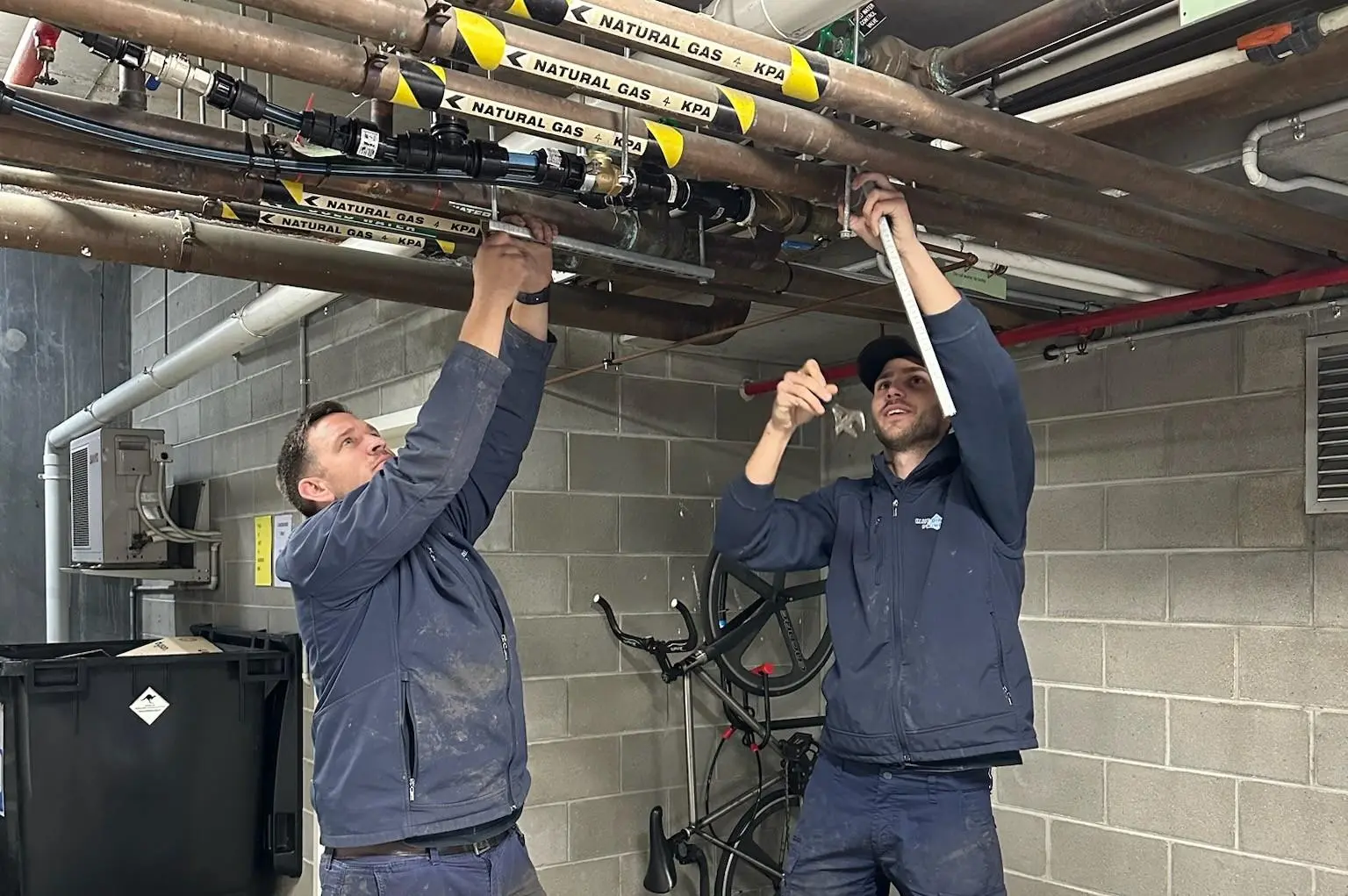
A practical plumbing description encompasses the integrated network of pipes, fixtures, and valves responsible for delivering potable water and removing waste from a building. It involves understanding the interplay between supply lines, drainage systems, and venting mechanisms that ensure sanitation, functional water pressure, and the prevention of sewer gas infiltration within residential and commercial structures.
The Foundation of Modern Plumbing Systems
At its core, a plumbing system is a dual-functioning network. The supply side delivers pressurized, clean water from a municipal source or private well to fixtures like faucets, showers, and toilets. The drainage, waste, and vent (DWV) side manages the exit of wastewater through gravity-fed pipes, while concurrently venting the system to allow atmospheric pressure to maintain the flow and prevent traps from siphoning dry.
Understanding this dual nature is the most vital step in residential maintenance. When a faucet drips, the issue is typically found in the high-pressure supply hardware. When a drain gurgles or smells, the issue is almost always located within the venting or gravitational drainage portion of the system.
Core Components: Anatomy of the Infrastructure
To manage a plumbing system effectively, one must distinguish between the various components that facilitate water movement and containment.
1. Supply Pipes
Modern supply systems generally utilize PEX (cross-linked polyethylene) or copper piping. PEX has become the industry standard for new installations and repiping projects due to its flexibility, resistance to freeze-bursting, and ease of connection via crimp or expansion fittings. Copper remains highly regarded for its longevity and antimicrobial properties, though it requires professional soldering skills to install.
2. Drainage and Waste Piping
Unlike supply lines, drainage pipes are typically wider in diameter and constructed from PVC (polyvinyl chloride) or cast iron. The primary requirement for these pipes is a consistent downward slope—often referred to as "pitch"—to ensure that solid waste and water travel to the main sewer or septic line without stalling.
3. Traps and Vents
A "trap" is the U-shaped section of pipe located under every sink and drain. It holds a small amount of water that acts as a seal, preventing noxious sewer gases from entering the living space. The "vent" is the vertical pipe that connects the drainage system to the roof, providing necessary airflow. Without adequate venting, the vacuum created by moving water would suck the water out of the traps, compromising the seal.
Material Comparison and Selection
Choosing the right material for repairs or renovations depends on the application, local building codes, and existing infrastructure.
| Material | Primary Use | Pros | Cons |
|---|---|---|---|
| PEX | Supply Lines | Flexible, freeze-resistant | Requires specific tools |
| Copper | Supply Lines | Long-lasting, heat-stable | High material cost, skilled labor |
| PVC | Drain/Waste | Inexpensive, DIY-friendly | Noisy, not heat-rated |
| ABS | Drain/Waste | Strong, easy to glue | Can be brittle in extreme cold |
Practical Maintenance and Troubleshooting
The most common plumbing failures result from debris accumulation, mineral scaling, or aging seals. A proactive approach is more cost-effective than reactive emergency repairs.
Managing Water Pressure
High water pressure is a leading cause of premature failure in pipes and appliances like dishwashers and water heaters. Most residential systems should maintain a pressure between 40 and 60 PSI (pounds per square inch). If your home has a pressure-reducing valve (PRV), it should be tested annually. An unusually high reading on a hose-bibb gauge suggests a failing PRV that needs immediate replacement to prevent pipe bursts.
Clearing Clogs Without Harmful Chemicals
Chemical drain cleaners often use harsh caustics that can damage older metal pipes and heat-sensitive PVC joints. A practical, safer approach involves mechanical removal. Use a plastic drain snake or a plunger for minor blockages. For persistent issues, the "trap" under the sink can be removed and cleaned manually. Always place a bucket underneath before loosening the slip nuts on the drain trap to catch standing water.
Water Heater Vigilance
As of 2026, standard tank-style water heaters generally have a lifespan of 8 to 12 years. Regular maintenance includes flushing the tank once per year to remove sediment buildup, which can cause "popping" noises and reduce heating efficiency. Additionally, checking the sacrificial anode rod every three years is critical; if the rod is entirely corroded, the water will begin to corrode the inner lining of the tank, leading to a permanent leak.
Legal and Safety Considerations
Plumbing is not merely a mechanical task; it is governed by strict local codes, such as the International Residential Code (IRC) or the Uniform Plumbing Code (UPC). These regulations exist to prevent cross-contamination between clean water and sewage.
- Backflow Prevention: Never submerge a hose in a bucket or basin. If the city water pressure drops, contaminated water could be sucked back into the main supply line. Use backflow preventers on all exterior hose connections.
- Permitting: Major modifications, such as moving a toilet, installing a new sink, or altering main supply lines, almost always require a permit and inspection in most jurisdictions. Failing to pull a permit can lead to complications during future property sales or insurance claims.
- Professional Limitations: While changing a faucet or a showerhead is a standard homeowner task, any work involving the main shut-off valve, gas lines (for water heaters), or structural piping should be deferred to a licensed professional to ensure compliance with 2026 safety standards.
Identifying Signs of Imminent Failure
Most plumbing disasters are preceded by warning signs. Ignoring these can result in catastrophic water damage.
- Discolored Water: Brown or yellow water can indicate internal pipe corrosion, often occurring in older galvanized steel pipes.
- Low Water Pressure: A sudden drop in pressure in one faucet might indicate a clogged aerator, but a drop throughout the house often points to a larger supply issue or a leak.
- Constant Toilet Running: This is usually a sign of a failing flapper valve or fill valve. Replacing these is a low-cost, high-impact DIY project that saves thousands of gallons of water annually.
- Musty Odors: This is a hallmark of a hidden leak or a compromised venting system that allows sewer gases to escape into the home.
Frequently Asked Questions
What is the best way to prevent pipe freezing in winter? The most effective way is to ensure heat reaches the areas where pipes are located. Keep cabinet doors under sinks open during extreme cold, allow faucets to drip slightly to maintain flow, and ensure that exterior hose bibbs are disconnected and shut off internally before the first freeze of the season.
Why does my drain smell like rotten eggs? This is often caused by a dry trap, where the water seal has evaporated, allowing gas to escape. Running the water for a minute to refill the trap usually solves this. If the smell persists, there may be a crack in the vent stack or a blockage in the line preventing proper airflow.
Can I use liquid drain cleaners on a complete blockage? It is generally advised against. Liquid cleaners are often ineffective on total blockages because they cannot reach the source of the clog. They instead sit in the pipe, potentially damaging the material or creating a hazardous situation for the plumber who eventually has to open the line.
What should I do if the main shut-off valve is stuck? If the valve has not been operated for years, do not force it, as it may snap. Try applying a penetrating oil (such as WD-40 Specialist) to the stem and gently working it back and forth. If it remains immobile, contact a professional to replace the valve; do not risk breaking a main line.
How do I know if my home has hard water? Visible signs include white, chalky mineral deposits (scale) on showerheads and faucets, dry skin after showering, and poor soap lathering. You can verify this with a simple home test kit, which measures the concentration of calcium and magnesium.
Next Steps for Homeowners
To take control of your home’s plumbing health, begin by locating your main water shut-off valve. Test it annually to ensure it functions, and clearly label it so that anyone in your household can find it in an emergency. If your home is older than 20 years, schedule a professional inspection of your main drain line and water heater to identify potential points of failure before they become emergencies.