Life insurance proceeds are generally received income-tax-free by the beneficiary, provided the policy meets specific IRS requirements. While this exemption is a fundamental benefit of life insurance, exceptions exist—particularly regarding estate taxes, transfer-for-value rules, and policies surrendered for cash value. Understanding these nuances is essential for effective financial and estate planning.
The General Rule: Income Tax Exemption
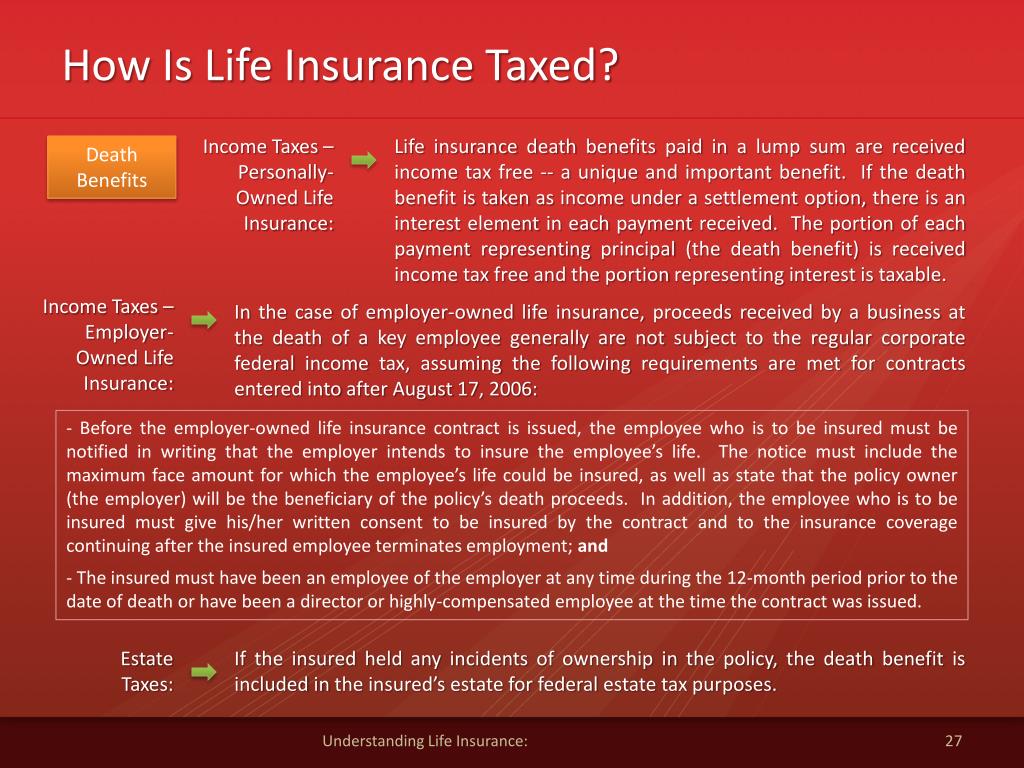
Under current U.S. federal tax law, the death benefit paid to a named beneficiary upon the passing of the insured is typically considered a non-taxable event for income tax purposes. This is codified under Section 101(a)(1) of the Internal Revenue Code. When a policyholder pays premiums with after-tax dollars and the benefit is paid out due to the death of the insured, the Internal Revenue Service (IRS) does not classify these funds as taxable income.
This provision is designed to provide immediate, liquid financial support to dependents or business partners without the immediate burden of a tax liability. Whether the policy is a term life insurance contract or a permanent product like whole or universal life, the core death benefit maintains this tax-free status in the vast majority of standard beneficiary designations.
When Proceeds Become Taxable: Key Exceptions
While the general rule is favorable, there are specific circumstances where life insurance proceeds may lose their tax-exempt status or become subject to other forms of taxation, such as estate taxes.
1. The Transfer-for-Value Rule
One of the most significant pitfalls is the "transfer-for-value" rule. If a life insurance policy is sold or transferred to another party for valuable consideration (money or other assets), the income tax exemption on the death benefit may be forfeited.
For example, if you sell your life insurance policy to an investor or a business partner for cash, the new owner may be liable for income taxes on the portion of the death benefit that exceeds the total of the purchase price and any subsequent premiums they paid. However, there are safe harbors—transfers to the insured, a partner of the insured, a partnership in which the insured is a partner, or a corporation in which the insured is a shareholder or officer—generally do not trigger this tax penalty.
2. Estate Tax Implications
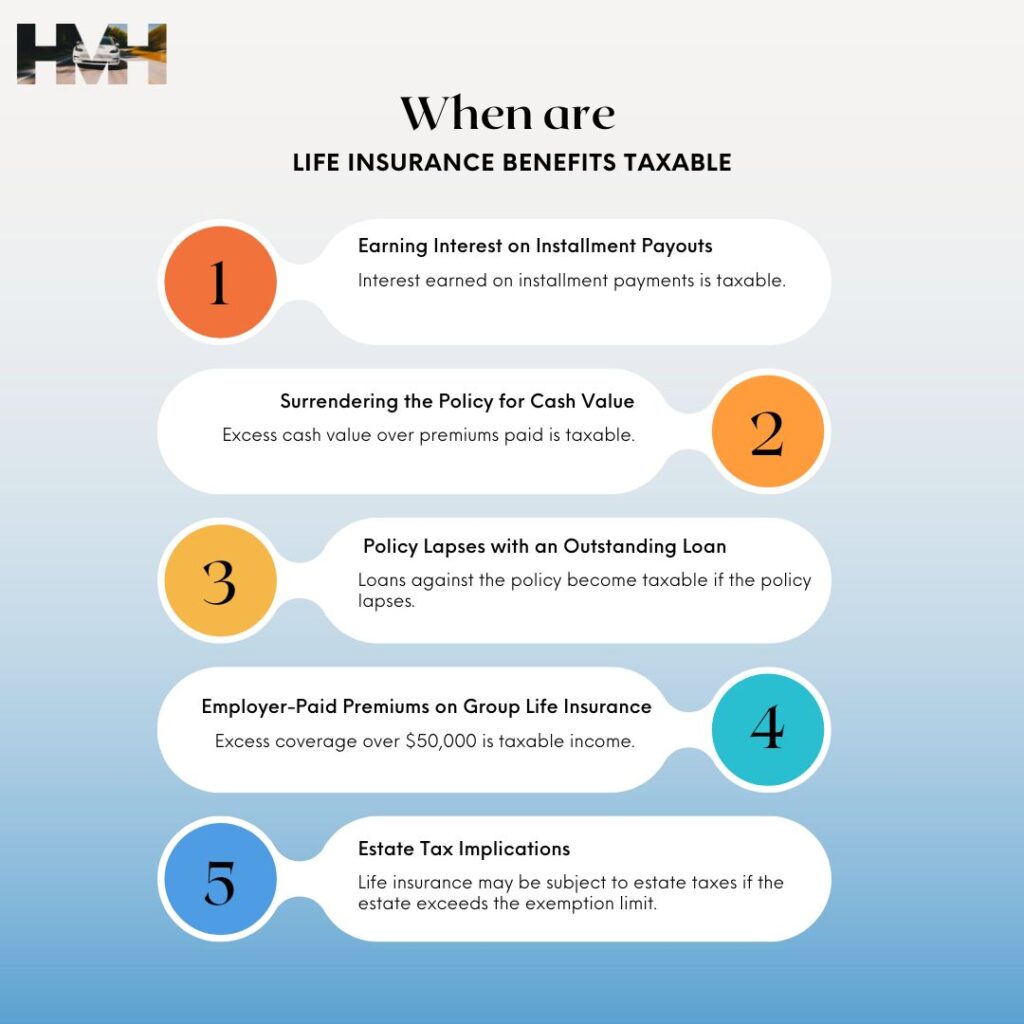
Even if the death benefit is income-tax-free, it is not necessarily estate-tax-free. For federal estate tax purposes, the IRS considers the value of a life insurance policy part of the decedent’s gross estate if the decedent held "incidents of ownership" in the policy at the time of their death.
Incidents of ownership include the right to change the beneficiary, borrow against the policy's cash value, or cancel the policy. If you own the policy on your own life, the death benefit is included in your taxable estate. For individuals with large estates that exceed the federal estate tax exemption thresholds, this can result in a significant tax liability. Many sophisticated estate planners utilize an Irrevocable Life Insurance Trust (ILIT) to remove the policy from the grantor's taxable estate.
3. Interest Earned on Proceeds
If the beneficiary chooses not to take the death benefit as a lump sum but instead leaves the money with the insurance company to be paid out in installments over time, the interest earned on those funds is considered taxable income. While the original principal (the death benefit) remains tax-free, the growth or interest generated while the money sits with the insurer is reported as interest income to the beneficiary.
4. Modified Endowment Contracts (MECs)
If a permanent life insurance policy has been classified as a Modified Endowment Contract due to excessive premium payments relative to the death benefit, the tax treatment of the policy changes significantly. While the death benefit typically remains tax-free, any loans or withdrawals taken against the policy while the owner is alive are treated as taxable income (LIFO—Last-In, First-Out) and may be subject to a 10% penalty if the owner is under age 59½.
Comparison of Tax Scenarios
The following table summarizes the taxability of various life insurance interactions:
| Scenario | Income Tax Status | Notes |
|---|---|---|
| Lump-sum death benefit to beneficiary | Tax-Free | General rule under IRC § 101(a)(1). |
| Death benefit held as interest-only | Partially Taxable | The death benefit is tax-free; interest is taxable. |
| Sale of policy to third party | Taxable | Triggers transfer-for-value rules on gain. |
| Policy owned by estate | Potential Estate Tax | Included in gross estate if incidents of ownership exist. |
| Dividends from a policy | Usually Tax-Free | Viewed as a return of premium unless they exceed total premiums paid. |
The Role of Ownership Structure
The way a policy is structured determines not only who receives the money but also the potential tax consequences. Many policyholders mistakenly assume that simply naming a beneficiary is enough to avoid tax complications.
In a "three-party" arrangement, the owner, the insured, and the beneficiary are three different people. If the owner is not the insured, the tax outcomes shift. For example, if a parent owns a policy on their child, naming the child’s spouse as the beneficiary, the transfer might be viewed as a taxable gift from the parent to the spouse upon the child’s death. Consulting with a tax professional in 2026 is critical, as federal exemption levels and gift tax rules are subject to legislative adjustments.
Practical Steps for Tax Efficiency
To maximize the tax benefits of your life insurance policy, consider the following actions:
- Review Ownership: Determine if you or a trust should own the policy. If your estate size is near the federal exemption limits, transferring ownership to an ILIT or another entity might prevent the death benefit from inflating your taxable estate.
- Understand Interest Options: If you receive a death benefit, weigh the benefits of a lump-sum payment against installment options. If you choose installments, ensure you account for the taxes due on the interest portion.
- Keep Accurate Records: Document all premium payments and any policy adjustments. Should the policy ever be sold or transferred, having a clear paper trail will help determine your cost basis and avoid unnecessary taxes under the transfer-for-value rules.
- Coordinate with Estate Planning: Ensure your life insurance strategy aligns with your broader financial plan. A policy meant to provide liquidity to pay estate taxes must be structured so it is not itself subject to those same estate taxes.
Frequently Asked Questions
Are life insurance proceeds reported on a federal tax return? Generally, no. The death benefit is not considered gross income, so it is typically not reported on a Form 1040. However, if you receive a Form 1099-INT regarding interest earned on those proceeds, you must report that interest income.
Does a terminal illness payout change the tax status? If you receive "accelerated" or "living" benefits because you are terminally ill (as certified by a physician), these payments are generally received income-tax-free under the same rules as death benefits.
What if the life insurance company pays me a dividend? Dividends on life insurance policies are typically treated as a partial return of the premiums paid. Because you paid those premiums with after-tax dollars, the dividend is generally not taxable until the total dividends received exceed the total premiums paid into the policy.
Can an Irrevocable Life Insurance Trust (ILIT) eliminate all taxes? An ILIT is designed to remove the death benefit from your taxable estate, potentially avoiding estate taxes. However, it does not change the fundamental nature of the life insurance proceeds themselves. You should work with a qualified attorney to ensure the trust is drafted correctly to meet IRS requirements.
Are there state-level taxes on life insurance? While federal law governs income tax, some states have their own estate or inheritance taxes. You should verify the specific laws in your state of residence to ensure there are no hidden state-level tax obligations upon the receipt of proceeds.
Final Recommendation
Because tax laws are subject to change and individual financial situations vary, you should not treat life insurance proceeds as universally tax-exempt without context. Review your specific policy documents and consult with a CPA or a certified estate planning attorney. By confirming the ownership structure and ensuring the policy is not a Modified Endowment Contract, you can ensure that your beneficiaries receive the intended financial support without unexpected tax liabilities.