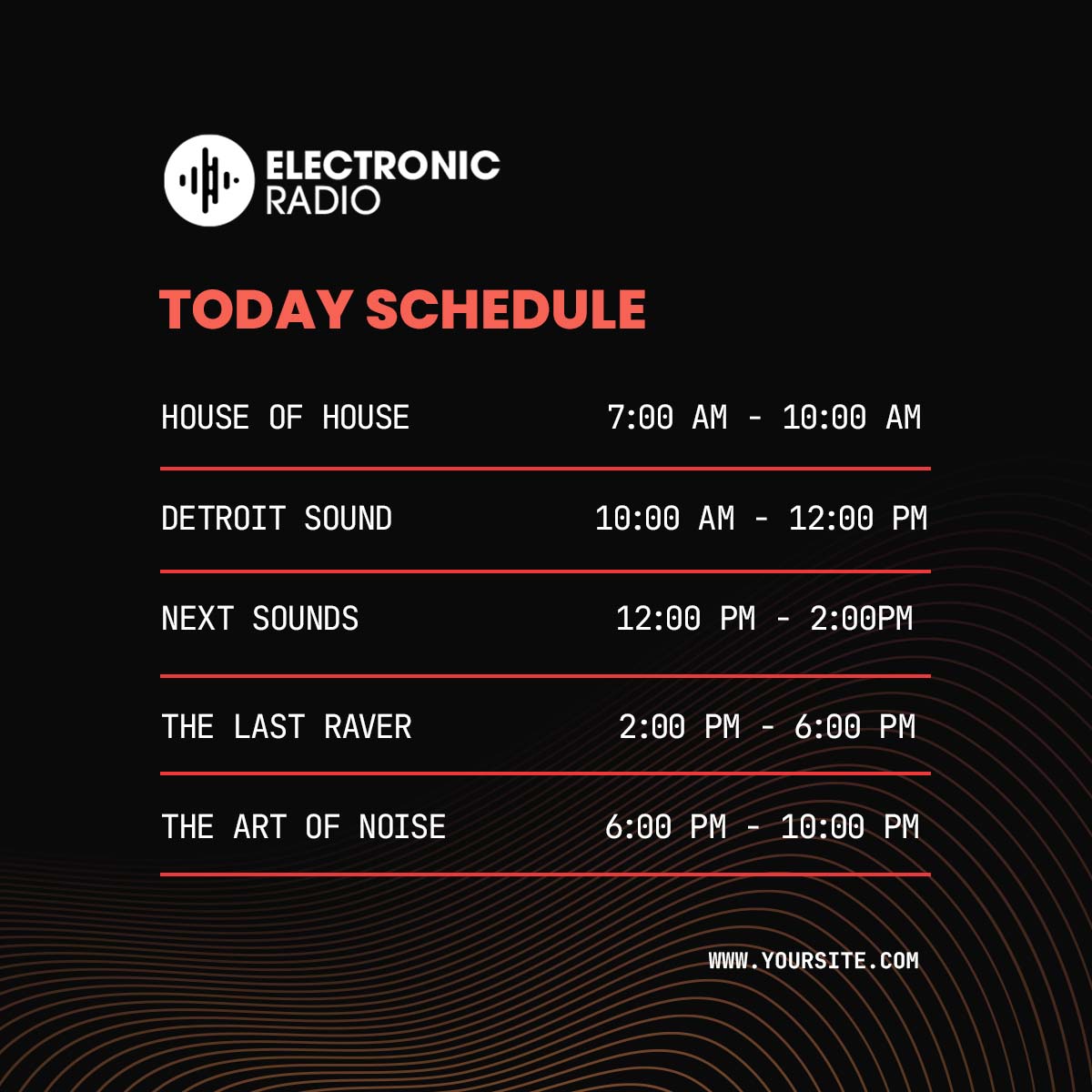
Navigating Alabama’s daily radio station lineup requires understanding a diverse media landscape that spans emergency weather alerts, regional sports networks, and localized programming across AM and FM bands. Whether tuning in for morning news drives in Birmingham, public broadcasting across state-wide networks, or localized country music in the rural counties, listeners can access consistent daily programming schedules tailored to regional demands.
Radio broadcasting in the Heart of Alabama remains an essential medium for daily news, emergency alerts, cultural programming, and regional entertainment. From the rolling hills of North Alabama down to the Wiregrass region and the Gulf Coast, daily radio station lineups are structured to serve distinct communities. This comprehensive guide explores how to navigate Alabama's daily radio schedules, the primary networks that dominate the airwaves, the technical bands that carry the signals, and how listeners can access these broadcasts reliably.
The Landscape of Alabama Broadcasting
Radio in Alabama reflects a mix of major commercial media conglomerates, independent local operators, and state-supported public broadcasting entities. Understanding this landscape begins with recognizing how programming blocks are organized throughout the day.
Commercial Talk and Music Formats
Commercial stations across metropolitan areas like Birmingham, Huntsville, Mobile, and Montgomery generally adhere to standardized dayparting models. A typical weekday lineup follows a predictable cadence:
- Morning Drive (6:00 AM – 10:00 AM): Highly localized talk shows, shock jocks, or personality-driven music programs coupled with frequent traffic updates and local news headlines.
- Midday (10:00 AM – 3:00 PM): Music-heavy blocks or syndicated talk radio programs designed for workplace listening with minimal commercial interruption.
- Afternoon Drive (3:00 PM – 7:00 PM): Evening commute coverage, featuring sports talk, localized news roundups, and heavier commercial loads.
- Evening and Overnight (7:00 PM – 6:00 AM): Syndicated overnight music programming, specialized genre shows, or automated national feeds.
Public Radio and Educational Networks
Public broadcasting occupies a vital space in Alabama’s daily lineup, primarily anchored by Alabama Public Radio (APR) and Troy Public Radio, alongside regional university-owned stations like WBHM in Birmingham and WLRH in Huntsville. These stations provide structured daily grids featuring national news magazines like NPR’s Morning Edition and All Things Considered, interspersed with classical music blocks, jazz programs, and deeply reported regional journalism.
Major Frequency Bands and Technical Distribution
Radio listeners in Alabama navigate two primary analog bands—Amplitude Modulation (AM) and Frequency Modulation (FM)—increasingly supplemented by HD Radio digital signals and streaming platforms.
| Band Type | Typical Frequency Range | Primary Programming Characteristics |
|---|---|---|
| AM Radio | 530 kHz – 1700 kHz | News, Talk, Sports, Religion, Reach |
| FM Radio | 88.1 MHz – 107.9 MHz | Music, Public Broadcasting, Local FM |
| NOAA Weather Radio | 162.400 – 162.550 MHz | 24/7 Emergency Alerts and Forecasts |
The Role of AM Radio in Rural Coverage
While FM dominates urban and suburban markets for fidelity and music programming, AM radio remains a cornerstone of Alabama’s daily information network, particularly in agricultural and rural sectors. Because AM groundwaves travel significantly further during daylight hours, stations operating on the AM dial provide regional market reports, agricultural updates, and community obituaries that might not find a home on corporate FM frequencies.
NOAA Weather Radio Integration
Given Alabama’s vulnerability to severe weather events, including tornadoes and flash flooding, the state’s daily radio lineup is uniquely integrated with National Oceanic and Atmospheric Administration (NOAA) Weather Radio broadcasts. Many local commercial and public stations weave real-time radar updates and National Weather Service warnings directly into their daily schedules, interrupting standard programming when emergency thresholds are crossed.
Regional Breakdown of Alabama Daily Lineups
Programming varies significantly depending on the media market. A listener tuning in near the Tennessee border will experience a vastly different daily lineup than someone tuned to a coastal frequency in Baldwin County.
North Alabama (Huntsville / Decatur / Shoals)
The Tennessee Valley market heavily features tech-oriented morning shows, extensive country music formats, and public radio programming that caters to the aerospace and engineering sectors in Huntsville. Stations like WLRH anchor the public broadcasting daily schedule, while commercial operators lean heavily into classic rock, contemporary hit radio (CHR), and local sports syndication covering University of Alabama and Auburn athletics.
Central Alabama (Birmingham / Tuscaloosa / Montgomery)
As the media and economic hub of the state, Central Alabama boasts dense daily lineups. Birmingham radio features a competitive sports talk market where local afternoon drive programs dissect Southeastern Conference (SEC) football year-round. Public radio via WBHM provides rigorous local reporting during morning and evening commute windows, complemented by cultural programming on weekends.
South Alabama and the Gulf Coast (Mobile / Dothan / Wiregrass)
Coastal programming reflects a blend of traditional southern culture, coastal tourism updates, and regional news specific to Mobile and surrounding bay areas. Lineups here frequently incorporate marine weather forecasts into daily morning updates, alongside regional rhythm and blues, gospel, and country formats.
How to Verify and Access Daily Schedules
Finding exact schedule changes, syndicated show swaps, and specialty weekend blocks requires utilizing both on-air cues and digital resources.
- Station Official Websites: Most licensed stations maintain updated program schedules on their web portals, detailing exact syndication times for national programs.
- Radio Station Mobile Applications: Many commercial operators and public networks offer dedicated apps that feature live streaming, playback archives, and schedule notifications.
- Radio Data System (RDS): Modern car stereos and digital home tuners utilize RDS to display song titles, artist names, and station format tags directly on the receiver screen in real time.
- Aggregator Directories: Platforms like TuneIn or the FCC’s public broadcast database allow listeners to search frequencies by zip code to identify the nearest transmitting tower and its primary format.
Frequently Asked Questions
How can I find emergency weather updates on Alabama radio stations during severe storms?
Most local commercial stations in Alabama maintain agreements with regional emergency management agencies to broadcast live feeds from the National Weather Service during tornado warnings and severe thunderstorm alerts. Additionally, dedicated NOAA Weather Radio frequencies (typically 162.400 MHz to 162.550 MHz) broadcast automated alerts 24 hours a day.
Do Alabama radio stations alter their daily lineups for college football season?
Yes. Given the immense popularity of SEC football in the state, local stations affiliated with the Crimson Tide Sports Network or the Auburn Sports Network frequently preempt normal syndicated afternoon or evening programming to carry pre-game shows, live game broadcasts, and post-game analysis throughout the fall.
What is the difference between public radio and commercial radio schedules in Alabama?
Commercial radio schedules are structured around revenue generation through commercial ad breaks and ratings sweeps periods (Nielsen audio measurements), featuring high-energy morning shows and continuous music or talk blocks. Public radio schedules are non-commercial, driven by donor support and underwriting, featuring structured news hours from National Public Radio and curated cultural or musical segments.
Why do some AM radio stations reduce their power or go off the air at night?
To prevent interference between stations sharing the same frequency across different regions of the country, the Federal Communications Commission (FCC) mandates that many AM stations reduce their transmission power or alter their directional antenna patterns after sunset. Listeners tuning into AM stations at night may notice signal degradation or entirely different programming.
Are Alabama radio station lineups available as podcasts?
Many talk-oriented commercial programs and public radio segments—such as local news features on Alabama Public Radio or WBHM—are packaged as daily podcasts shortly after their live broadcast window closes. Listeners can access these via major podcast directories for time-shifted listening.
Next Actions for Listeners
To optimize your daily listening experience across Alabama:
- Program your vehicle and home receiver presets by frequency and format to easily transition between news, weather, and entertainment.
- Bookmark the digital streaming links or download official mobile apps for your regional public and commercial stations to maintain access when analog signals fade.
- Keep a battery-powered or hand-crank emergency radio tuned to local NOAA frequencies to ensure uninterrupted access to critical weather bulletins during severe storm seasons.