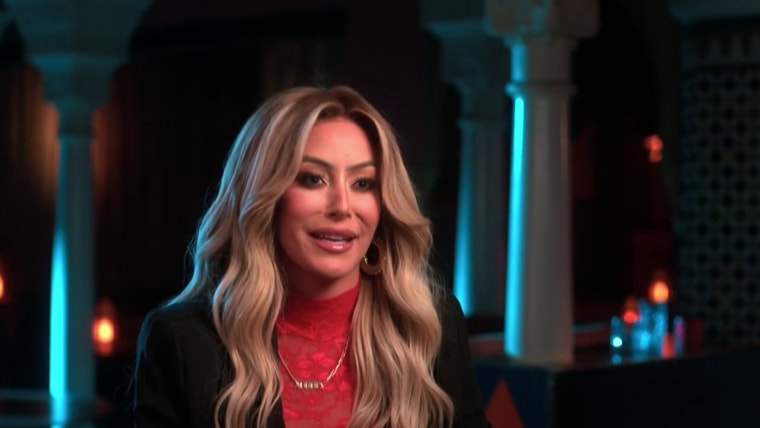
Aubrey O'Day, former lead singer of Danity Kane, serves as one of the most prominent, long-standing vocal whistleblowers regarding Sean "Diddy" Combs' industry practices. In media coverage and docuseries detailing Combs' legal fall—including the high-profile Netflix project executive produced by Curtis "50 Cent" Jackson—O'Day offers vital firsthand context on Bad Boy Records' workplace culture, power dynamics, non-disclosure agreements, and systemic intimidation.
Background: The Origins of Aubrey O'Day’s Relationship with Sean Combs
Aubrey O'Day first entered Sean Combs’ orbit in 2004 during MTV’s Making the Band 3. The reality television series, masterminded and hosted by Combs, was designed to construct a world-class female pop group under his record label, Bad Boy Entertainment. Over multiple seasons, millions of viewers watched O'Day emerge as a standout vocalist, dancer, and charismatic fan favorite, eventually securing her spot in the platinum-selling group Danity Kane alongside Danitra "D. Woods" Coleman, Shannon Bex, Dawn Richard, and Aundrea Fimbres.
While Danity Kane achieved immediate commercial success—becoming the first female group in Billboard history to have their first two studio albums debut at number one on the Billboard 200—the internal dynamics tell a far more complex story. The television broadcast documented intense physical training, high-stress environments, and unpredictable disciplinary measures orchestrated by Combs. However, off-camera practices involved far stricter artistic and personal control.
By 2008, tension between O'Day and Combs reached a boiling point on national television. Combs publicly removed O'Day from Danity Kane during an episode of Making the Band, citing changes in her image, alleged ego, and an unwillingness to conform to his visual and creative direction. While the media narrative framed her dismissal as a standard pop-star firing, O'Day repeatedly asserted in subsequent years that her removal stemmed from her refusal to comply with controlling behavior, toxic workplace demands, and unfair contract terms.
Unlike many artists who remained silent after departing Bad Boy Entertainment, O'Day became one of the few high-profile alumni to publicly critique Combs' business practices and treatment of talent throughout the 2010s. This early resistance established her as an essential voice when law enforcement agencies, journalists, and documentary filmmakers began investigating allegations against Combs decades later.
The Netflix Docuseries Context: 50 Cent’s Project and Bad Boy’s Reckoning
The announcement of a comprehensive Netflix docuseries focused on Sean "Diddy" Combs marked a major turning point in pop culture and investigative entertainment media. Executive produced by Curtis "50 Cent" Jackson through G-Unit Film & Television and directed by Alex Stapleton, the project was designed to trace Combs' multi-decade trajectory—from his rise as a Hip-Hop mogul and founder of Bad Boy Entertainment to the wave of civil lawsuits and federal criminal indictments that broke in late 2023 and 2024.
- 50 Cent / G-Unit & Alex Stapleton (Netflix Docuseries Project)
- Archival & Whistleblower Testimony
- Aubrey O'Day & Bad Boy Alumni Perspectives
- Workplace Dynamics & NDAs
- Legal & Investigative Analysis
- Civil Lawsuits (2023-2024)
- Federal Indictments
- Systemic Industry Patterns
- Archival & Whistleblower Testimony
The documentary project sets out to differentiate itself from standard celebrity tabloid coverage by examining the systemic structures that enabled alleged abuse, financial exploitation, and corporate silence over thirty years. Central to this investigation is the role played by major entertainment networks, record executives, and media conglomerates that amplified Combs' public persona while overlooking complaints from subordinate artists and staff.
Within this docuseries framework, Aubrey O'Day’s historical statements and direct contributions play a foundational role. Rather than offering third-party commentary, O'Day provides evidence grounded in her firsthand lived experience as a young female artist under Combs’ direct corporate authority. Her commentary provides docuseries creators with a bridge between the publicly televised behavior of the 2000s and the severe legal allegations that surfaced in federal court filings.
Aubrey O'Day’s Specific Role and Commentary in the Docuseries Framework
Aubrey O'Day’s primary function within the documentary ecosystem and broader journalistic reporting on Combs centers on three distinct areas of testimony: demystifying reality TV manipulation, breaking down legal non-disclosure mechanisms, and validating the claims of other survivors and victims.
1. Exposing Toxic Workplace Culture and Intimidation Tactics
O'Day articulates how the environment at Bad Boy Entertainment operated under an culture of total obedience. In her docuseries contributions and surrounding interviews, she details how psychological pressure was systematically applied to young talent. She explains that Making the Band was not merely a talent search, but a continuous stress-test designed to break down individual boundaries and foster complete dependence on Combs for career validation and financial survival.
2. Refusing Non-Disclosure Agreements (NDAs) and Rights Buyouts
A critical revelation highlighted by O'Day involves the post-separation agreements issued by Combs and Bad Boy Entertainment. When Danity Kane dissolved and when individual members left the label, artists were routinely asked to sign non-disclosure agreements (NDAs) and liability waivers in exchange for publishing rights, back royalty payouts, or release from restrictive recording contracts.
O'Day famously disclosed that she refused to sign agreements that required her total silence. She revealed that Combs offered to release rights or pay financial settlements to former artists provided they signed non-disparagement clauses barring them from speaking about their experiences at Bad Boy or regarding Combs personally. O'Day's refusal to sign these documents left her free to speak publicly—a decision that made her one of the few former Bad Boy signees unencumbered by legal gag orders.
3. Validating Civil Lawsuits and Federal Charges
When Cassie Ventura filed her landmark lawsuit against Combs in November 2023, followed by subsequent civil suits from other victims and the eventual federal indictment charging Combs with racketeering conspiracy, sex trafficking, and transportation to engage in prostitution, O'Day’s past public warnings were re-evaluated by mainstream media.
In the Netflix docuseries narrative, O'Day’s long-standing claims serve as corroborative evidence. She demonstrates that the behavioral patterns described in federal court documents were not isolated incidents, but were reflected in the everyday management culture, power leverage, and control strategies utilized across Combs' enterprises for decades.
Key Revelations Highlighted by O'Day
Through her extensive public interviews and documentary contributions, O'Day has detailed specific structural dynamics that shed light on how power operated behind the scenes at Bad Boy Records.
- Financial Control and Debt Mechanics: O'Day described how young artists on Making the Band were paid minimal stipends while generating millions of dollars in revenue for MTV and Bad Boy Entertainment. The costs of production, travel, lodging, and wardrobe were routinely charged back to the artists' royalty accounts, leaving them financially vulnerable and reliant on label executives for basic living expenses.
- Isolation from Outside Advice: Artists were encouraged to cut ties with external managers, independent legal counsel, and personal family support systems, replacing them with advisors vetted or appointed by Combs’ inner circle.
- Calculated Public Humiliation: O'Day highlighted how public reprimands—both on camera during reality show tapings and behind closed doors in studio sessions—were utilized to strip performers of their autonomy, creating an environment where standing up against unfair practices meant career destruction.
- The Culture of "After-Parties" and After-Hours Expectations: O'Day has spoken regarding the blurring of professional boundaries within Combs' orbit, where attendance at late-night parties, studio sessions extending into early morning hours, and compliance with unpredictable personal requests were treated as mandatory requirements for artistic survival.
Timeline of Key Events: Aubrey O'Day, Danity Kane, and the Exposure of Bad Boy
The table below outlines the key milestones in Aubrey O'Day's trajectory alongside Sean Combs, tracking her journey from reality star contestant to one of the central Whistleblowers featured in contemporary media investigations.
| Year | Event / Milestone | O'Day's Position / Action | Cultural & Legal Impact |
|---|---|---|---|
| 2004–2005 | Making the Band 3 Premiere | Selected by Sean Combs to join the televised girl group project. | Establishes O'Day’s national prominence under Bad Boy Entertainment. |
| 2006 | Danity Kane Debut Album Release | Group achieves historic #1 Billboard debut; intensive touring begins. | Highlighted financial disparity between group success and individual artist pay. |
| 2008 | High-Profile Firing from Danity Kane | Dismissed on live television by Combs citing image and attitude conflicts. | O'Day refuses to accept the official corporate narrative, citing toxic studio dynamics. |
| 2009–2019 | Early Media Whistleblowing | Consistently speaks out in print and broadcast interviews regarding Bad Boy's harsh environment. | Statements are frequently dismissed by mainstream entertainment outlets as standard industry friction. |
| 2023 (Nov) | Cassie Ventura Files Lawsuit | O'Day publicly validates Ventura’s claims and calls for wider industry accountability. | Re-contextualizes O'Day’s past statements as early warnings of systemic abuse. |
| 2024 (Sep) | Federal Indictment of Sean Combs | Arrested in New York on federal sex trafficking and racketeering charges. | Documentaries (including 50 Cent’s Netflix project) incorporate O'Day’s archival and direct insights. |
| 2025–2026 | Release of Netflix & Media Docuseries | Featured as a primary historical witness and industry whistleblower. | Demonstrates the critical role of un-gagged former talent in institutional exposure. |
The Broader Impact of O'Day's Testimony on Music Industry Accountability
Aubrey O'Day’s involvement in the Netflix docuseries and related investigative reporting extends beyond her personal history with Sean Combs; it highlights broader structural issues across the commercial music industry.
Systemic Industry Issues:
- Misuse of NDAs: Silent buyouts suppressing artist safety concerns
- Reality TV Exploitation: Unregulated labor practices on televised sets
- Financial Recoupment: Opaque accounting keeping young artists in debt
- Power Asymmetry: Executive authority shielding predatory behavior
The Misuse of Non-Disclosure Agreements (NDAs)
One of the most consequential aspects of O'Day’s public stance is her exposure of how NDAs are deployed in the entertainment sector. Traditionally used to protect trade secrets and proprietary intellectual property, NDAs within corporate music structures have frequently been repurposed to suppress claims of breach of contract, harassment, and unsafe working environments. By publicly discussing the financial offers she declined to avoid signing silence clauses, O'Day provided concrete examples of how non-disparagement agreements can obscure systemic misconduct.
Regulating Reality Television and Young Talent
O'Day’s testimony also brings renewed scrutiny to unscripted reality television production standards during the early 2000s. Shows like Making the Band operated in a regulatory grey area where young performers worked grueling hours under high psychological stress without the labor protections standard in scripted film or theatrical productions. Her insights contribute to growing calls within SAG-AFTRA and independent advocacy groups for standardized working conditions, mental health support, and legal protections for reality show participants.
Empowering Fellow Victims and Whistleblowers
By maintaining a consistent narrative for over fifteen years despite intense industry pushback and media skepticism, O'Day set a precedent for other former Bad Boy artists and employees. Her willingness to speak out established a framework that made it easier for others to come forward during federal investigations and civil litigation, breaking the code of silence that surrounded Combs' enterprise for decades.
Frequently Asked Questions (FAQs)
Did Aubrey O'Day sign an NDA with Bad Boy Entertainment?
No. Aubrey O'Day has repeatedly confirmed that she refused to sign non-disclosure agreements or post-separation hush-money contracts offered by Sean Combs and Bad Boy Entertainment. Because she declined financial settlements contingent on her silence, she remained legally free to speak publicly about her experiences on Making the Band and her time under the label.
How is 50 Cent involved in the Netflix documentary about Diddy?
Curtis "50 Cent" Jackson serves as the executive producer of the Netflix docuseries through his production company, G-Unit Film & Television, alongside director Alex Stapleton. Jackson, a longtime vocal critic of Combs, initiated the project to examine the decades-long allegations of abuse, racketeering, and power dynamics surrounding Bad Boy Entertainment.
What has Aubrey O'Day said about Danity Kane's financial compensation?
O'Day has stated publicly that despite Danity Kane releasing multi-platinum, record-breaking albums, the group members made very little money from record sales and show appearances. She explained that extensive production, travel, and television expenses were charged back to the group's accounting balance, leaving the members with minimal earnings relative to the revenues generated for the label and network.
Why was Aubrey O'Day fired from Danity Kane in 2008?
On television, Sean Combs claimed he fired O'Day from Danity Kane because her image had become overly provocative, her fame was affecting her attitude, and she was no longer working effectively within the group structure. O'Day has maintained that her dismissal was actually retaliation for standing up to Combs' controlling management practices and refusing to conform quietly to label demands.
Does Aubrey O'Day appear directly in the Netflix docuseries?
Yes. O'Day is featured through a combination of contemporary interview commentary, historical archival footage from Making the Band, and past broadcast interviews. Her experiences serve as a central narrative thread illustrating how authority and discipline were exercised within Combs' musical empire.
What legal consequences did Sean Combs face that are covered in the documentary?
The docuseries covers the extensive civil lawsuits filed against Combs beginning in late 2023—including the suit filed by singer Cassie Ventura—as well as the September 2024 federal criminal indictment charging Combs with racketeering conspiracy, sex trafficking by force, fraud, or coercion, and transportation to engage in prostitution.
Key Takeaways and Summary Actions
Aubrey O'Day’s role in the Netflix documentary framework underscores the power of persistent, un-gagged testimony in dismantling systemic entertainment industry abuses. For readers, artists, and observers evaluating the ongoing developments in media accountability, the following conclusions stand out:
- Recognize the Function of Legal NDAs: Understand how non-disclosure and non-disparagement agreements have historically been used to insulate powerful executives from public scrutiny and legal accountability.
- Evaluate Historic Claims in Context: Recognize that Whistleblowers who speak out early are often discredited by corporate media machines before their claims are validated through legal process and formal investigation.
- Advocate for Talent Protections: Support ongoing labor reforms within reality television and music recording contracts that mandate independent legal representation, transparent financial auditing, and robust anti-retaliation protections for emerging artists.