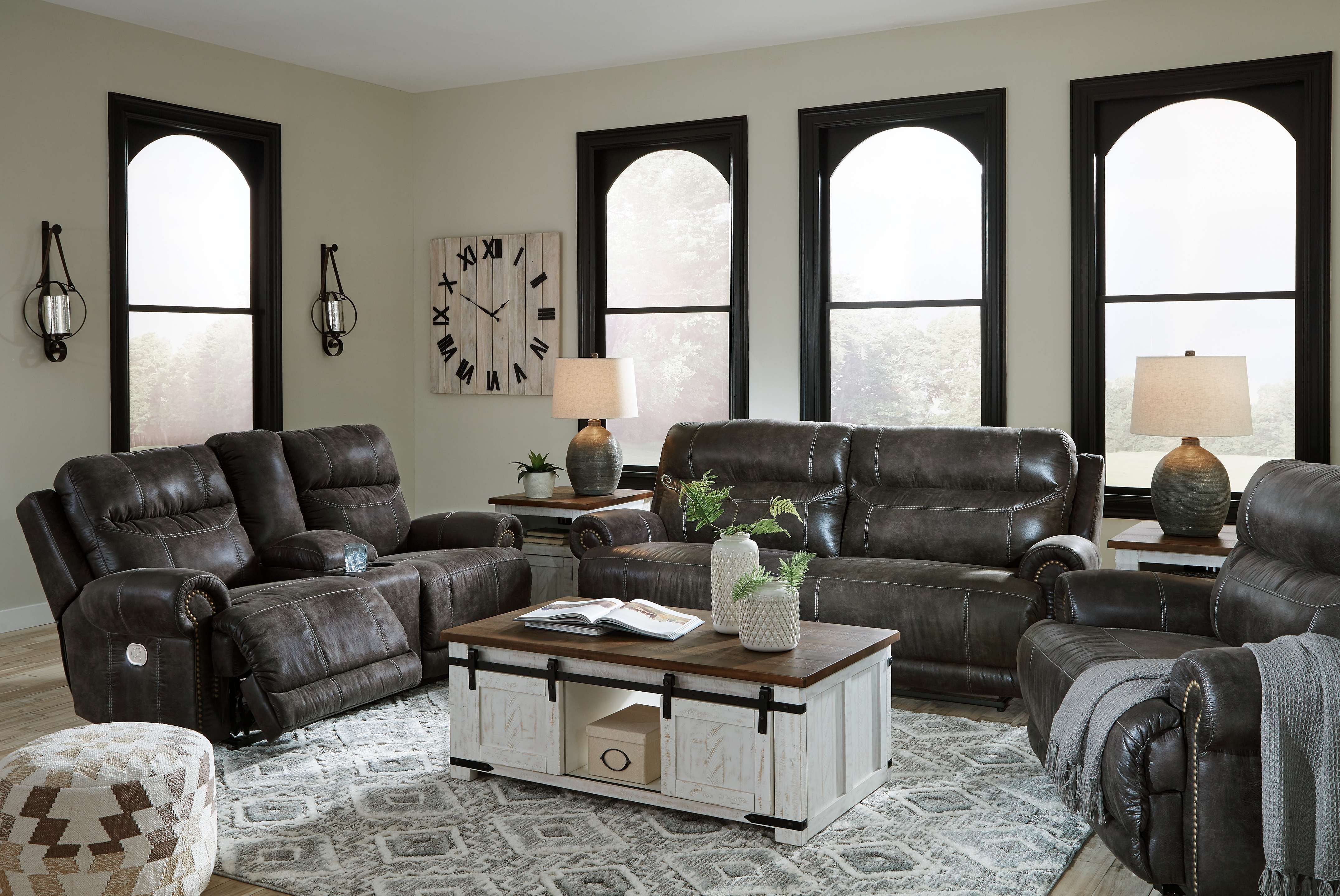
Ashley Furniture Industries, LLC, is a privately held American furniture manufacturing and retail company. It is owned and controlled by the Wanek family, with Todd Wanek serving as the Chief Executive Officer and his father, Ron Wanek, acting as the company’s Chairman. The organization remains a family-owned enterprise rather than a publicly traded entity, which allows for distinct long-term strategic decision-making.
The Evolution of Ashley Furniture Ownership
The history of Ashley Furniture is rooted in a model of private, family-led leadership that has spanned several decades. Founded in 1945 in Chicago, Illinois, by Carlyle Weinberger, the company originally focused on marketing home furnishings. However, the trajectory of the company shifted significantly in 1970 when Ron Wanek, who had been working at a manufacturing company called Arcadia Furniture, led a buyout of that firm.
In 1982, the original Ashley company merged with Arcadia Furniture. Under this new union, the combined entity adopted the Ashley Furniture name, and Ron Wanek took the helm. This merger was pivotal, as it transitioned the business from a marketing-heavy organization into a vertically integrated manufacturing powerhouse. By controlling both the design and the production phases, the Wanek family established a model that prioritized scale, supply chain efficiency, and cost management.
Today, the leadership structure remains firmly within the Wanek family. Ron Wanek, as the Chairman, maintains an influential role in the corporate vision, while his son, Todd Wanek, manages the day-to-day operations as the CEO. This stability in leadership is often cited as a contributing factor to the company’s ability to navigate shifts in the retail furniture market without the pressures of quarterly reporting associated with public companies.
Vertically Integrated Business Model
The success and structural longevity of the Ashley Furniture ownership model are heavily tied to the concept of vertical integration. Unlike many furniture retailers that act primarily as conduits between third-party manufacturers and consumers, Ashley operates its own factories, distribution centers, and retail stores.
Manufacturing and Distribution
By owning its manufacturing facilities—located both in the United States and abroad—the company can exert significant control over its cost of goods sold (COGS). This level of control allows the company to adapt to fluctuating raw material prices and logistics challenges more effectively than competitors who rely on outsourcing.
The distribution network is another key pillar of the company’s infrastructure. Ashley operates large-scale distribution centers that utilize proprietary software to manage inventory across its global network. For an owner, this infrastructure represents a massive capital investment that acts as a barrier to entry for potential competitors.
The Retail Network: Corporate vs. Licensees
A critical aspect of the Ashley Furniture brand is the distinction between company-owned stores and those operated by licensees. While the brand appears uniform to the consumer, the ownership structure of the individual retail storefronts is hybrid:
- Company-Owned Stores: These are operated directly by Ashley Furniture Industries. They are managed with centralized protocols regarding merchandising, marketing, and pricing.
- Licensee Stores: A significant portion of the retail footprint is owned and operated by independent business owners who enter into licensing agreements with Ashley. These owners pay fees for the rights to use the Ashley brand name, access their supply chain, and benefit from the corporate marketing muscle.
This hybrid approach allows the brand to scale rapidly across the country while shifting some of the real estate and operational risk to independent business owners.
Governance and Financial Transparency
Because Ashley Furniture Industries is a private company, it is not required to disclose financial statements, net worth, or profit margins to the public in the same manner as a company listed on the New York Stock Exchange. There is no ticker symbol for the company, and retail investors cannot purchase shares in the business.
For consumers and industry analysts, this lack of public reporting means that information regarding the company’s health is usually gleaned from industry publications, trade reports, and employment data. The Wanek family’s private control means that strategic pivots—such as expanding into e-commerce or adjusting product lines—can be executed behind closed doors, protecting competitive trade secrets and internal logistics strategies.
Comparison: Private vs. Public Retail Models
To understand the significance of Ashley Furniture's ownership, it is helpful to compare it against the typical model of publicly traded home furnishing retailers.
| Feature | Private (Ashley Furniture) | Publicly Traded Retailer |
|---|---|---|
| Financial Reporting | Private, internal audits | Quarterly SEC filings (Form 10-K/10-Q) |
| Strategic Focus | Long-term growth, multi-generational | Short-term quarterly earnings targets |
| Leadership Changes | Succession planning (family-led) | Board-appointed, subject to shareholder vote |
| Ownership | Wanek family | Institutional and retail shareholders |
| Capital Access | Private equity, debt financing | Issuing equity, stock market activity |
The private nature of Ashley Furniture allows for significant reinvestment into the company. Profits generated from their vast manufacturing and retail network can be poured back into automation, supply chain technology, or physical facility upgrades without the requirement to issue dividends to shareholders.
The Role of the Wanek Family in 2026
As of 2026, Ron Wanek remains a central figure in the furniture industry, frequently recognized for his influence on the standardization of global furniture manufacturing. Todd Wanek continues to oversee the evolution of the retail experience, particularly the integration of digital tools with physical showrooms.
The company's focus in 2026 remains centered on "omnichannel" growth. This strategy involves creating a seamless experience where a customer can browse products on the Ashley website, customize them using virtual tools, and finalize the transaction in a brick-and-mortar location—or vice versa. The decision to pursue this model is a top-down directive from the leadership team, emphasizing that the family-led structure is actively involved in the day-to-day technological transformation of the firm.
Navigating Legal and Consumer Relations
For those inquiring about the "owner" due to service issues, warranty claims, or employment questions, it is essential to distinguish between the corporate entity (Ashley Furniture Industries) and individual retail locations.
If a consumer has a problem with a purchase, they are usually dealing with the specific store location where the item was purchased. If that store is a licensee, the local store management holds primary responsibility for customer service. Conversely, product defects are typically addressed through the company’s internal warranty department, which operates under the corporate entity.
Legal challenges or disputes are directed toward the company’s headquarters in Arcadia, Wisconsin. The distinction is crucial because the "owner" of the brand (the Wanek family/Ashley Furniture Industries) operates as the manufacturer, while the "owner" of the store might be a separate business entity operating under a licensing agreement.
Frequently Asked Questions
Can I buy shares of Ashley Furniture stock?
No, you cannot purchase shares of Ashley Furniture. The company is privately owned by the Wanek family, and they do not offer equity to the public. There is no stock ticker for the company on any exchange.
Who is the CEO of Ashley Furniture?
Todd Wanek is the Chief Executive Officer of Ashley Furniture Industries, LLC. He has been in this role for many years, succeeding his father, Ron Wanek, in guiding the operational strategy of the organization.
Is Ashley Furniture still a family-owned business?
Yes, Ashley Furniture continues to be a family-owned and operated enterprise. The transition of leadership and strategic control has remained within the Wanek family since the merger of the original Ashley company and Arcadia Furniture in 1982.
What is the difference between an Ashley corporate store and a licensee store?
A corporate store is owned and operated directly by Ashley Furniture Industries. A licensee store is owned by an independent business operator who has purchased the rights to use the Ashley brand and sell their furniture products. Both types of stores generally follow similar branding and merchandising standards.
How does being a private company benefit Ashley Furniture?
Being a private company allows Ashley to focus on long-term capital investments, such as manufacturing technology and logistics, without the pressure of quarterly earnings reports or shareholder demands for short-term dividends. It also provides the family with greater control over the company’s strategic direction and corporate culture.
Recommendation for Further Inquiry
If your interest in the "Ashley Furniture owner" is based on a need for corporate engagement—such as business-to-business inquiries, large-scale wholesale contracts, or executive communications—the most direct path is to contact the corporate headquarters in Arcadia, Wisconsin. For consumer-facing issues, such as order status or warranty fulfillment, always verify the specific location’s ownership status on your original receipt, as this dictates the correct point of contact for dispute resolution or customer support.